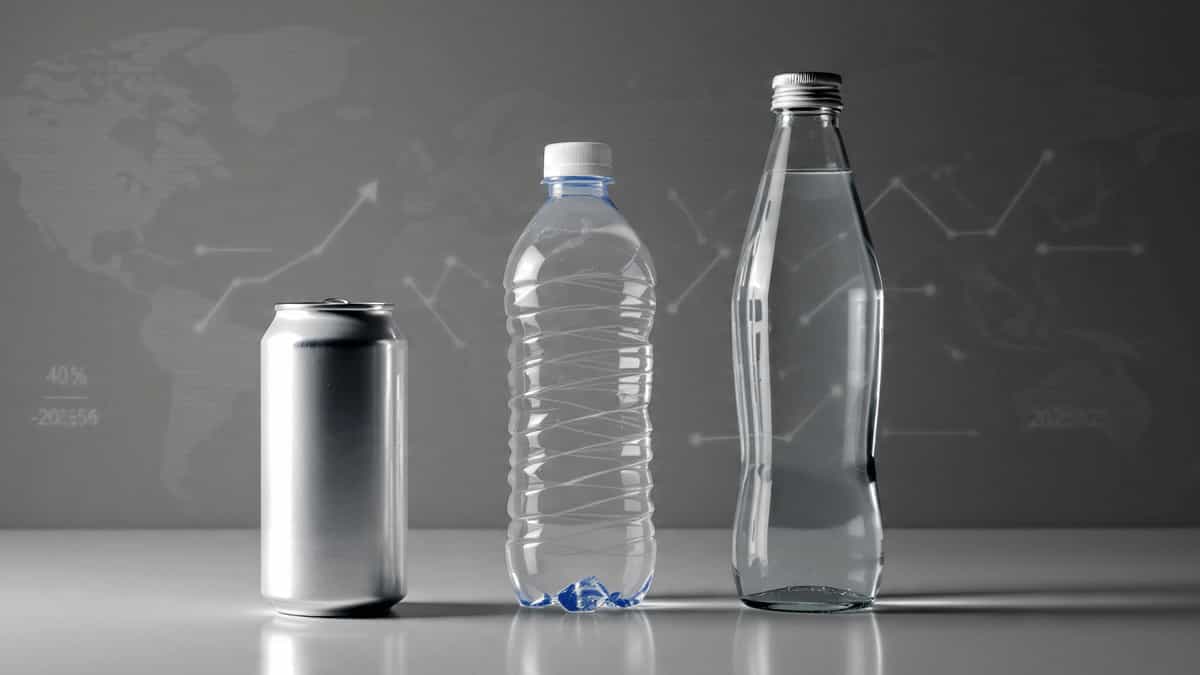
The Definitive Guide to Aseptic Drum Filling: Engineering Sterility at Industrial Scale
IntroductiontoAsepticDrumSystems
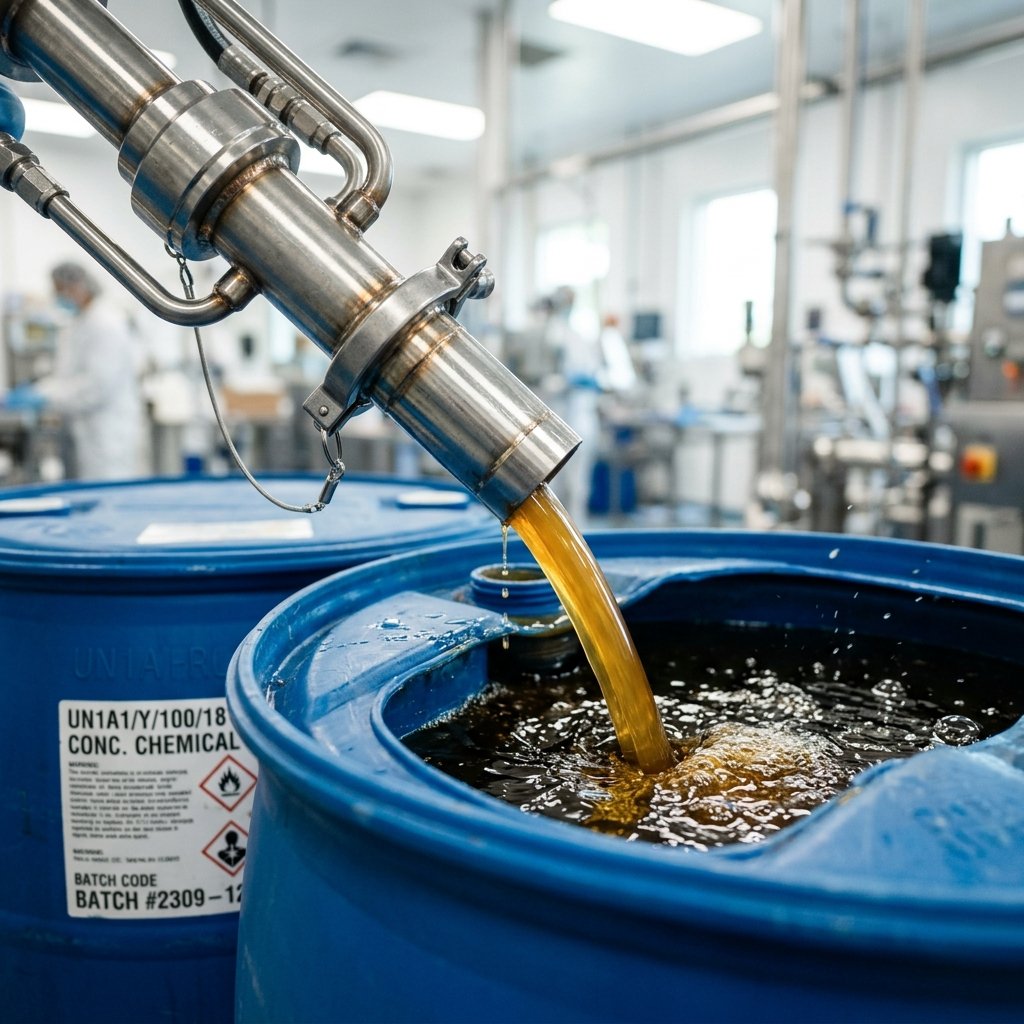
Producing a pasteurized product that stays shelf stable at ambient temperature without refrigeration, without preservatives, and without losing its character comes down to one thing: proper aseptic packaging. And this is where the technology parts ways with traditional canning. Instead of cooking the product inside its container, the containers themselves are pre sterilized, then filled with cold product inside a cold, commercially sterile environment, and finally sealed in a zone that stays completely sterile from start to finish. A modern aseptic filling machine handles all of this inside a sealed enclosure, with built in sterilization circuits that prepare the packaging just moments before filling begins. Most of these systems rely on hydrogen peroxide carried through a warm air stream, which essentially scrubs the filling chamber of any lingering microbes. Before the first drum is ever filled, the aseptic filling machine runs through a full conditioning cycle disinfecting every contact surface, flushing the cleaning loops, and bringing the entire sterilization train up to spec all of it aimed at knocking down the initial bioburden to negligible levels.
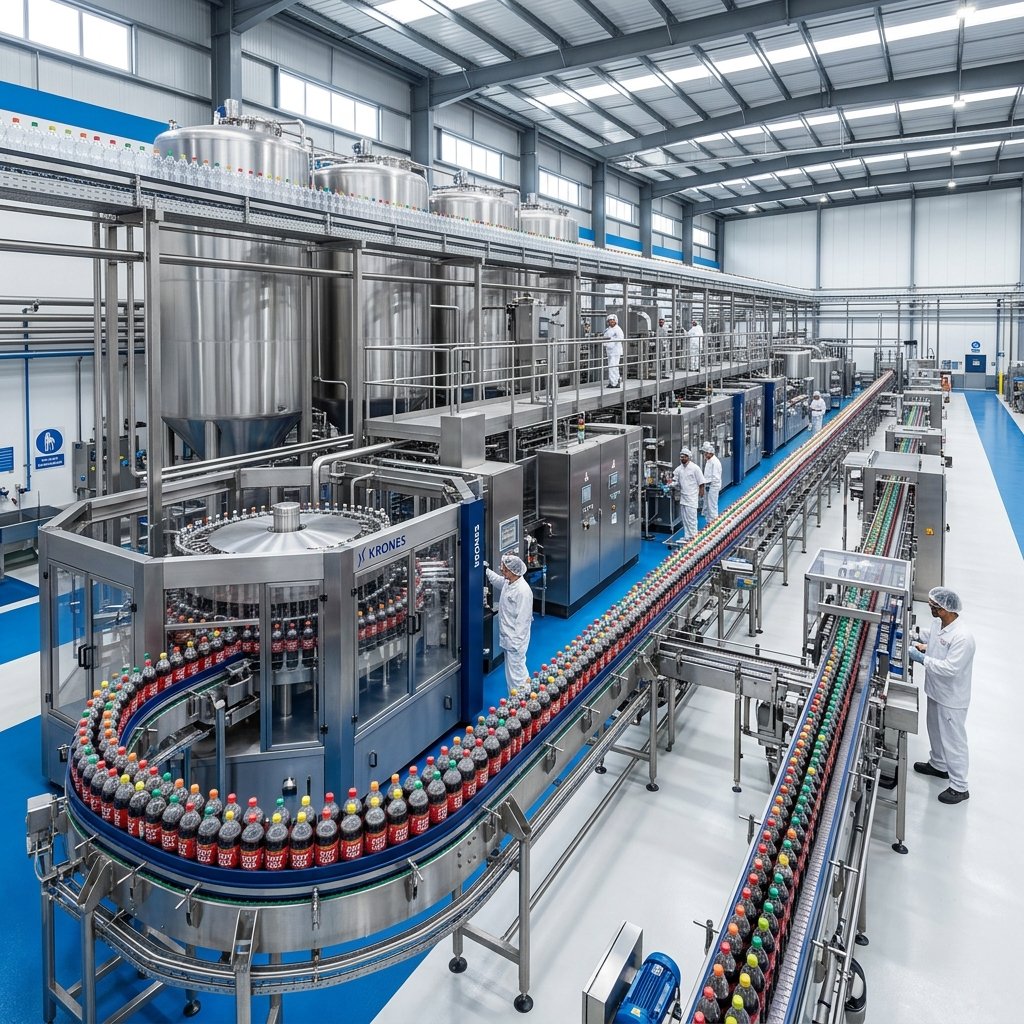
Aseptic processing is the backbone of today's sterile supply chain, thanks to the strict discipline involved. Plus, market experts predict the global aseptic packaging sector will exceed ninety billion dollars by 2030. Why? Well, shelf stable bulk ingredients, plant based concentrates, and sterile bulk form pharmaceutical excipients are all becoming more popular. So, there's a lot driving this growth. Sitting right in the middle of that growth curve is the drum scale aseptic filling machine the workhorse that connects continuous high volume production lines to the practical reality of bulk distribution. As global food, beverage, and biopharma producers scale up, the appetite for dependable drum filling technology equipment that protects flavour and nutrition while locking in microbiological safety has never been stronger.
BenefitsofAsepticPackaging
Because aseptic processing applies heat for short, precisely controlled bursts, the product never gets cooked into submission. The flavours, vitamins, and texture keep much better than stuff from a retort line. Plus, there are no need for chemical preservatives. Transport costs are way lower compared to IQF, and cold storage fees nearly disappear. So, the benefits really pile up fast!
AsepticContainers
The packaging itself deserves serious attention. Inside any aseptic filling system, the container is doing real work and if it can't hold a hermetic seal against oxygen and light, every bit of sterility achieved upstream is essentially wasted. Today's market has tons of aseptic bags, often used for packaging sterile products. Each one comes with a bag, a filling nozzle, and a cap, along with an outer container like a steel or plastic drum. Usually, you get sizes of 5, 10, 20, and 200 kg, though the weight can change depending on the density of what's being packed. They make these bags with stuff like vacuum metalized polyester or EVOH for extra protection, and they’re created from low or medium density polyethylene too.
ApplicationsofAsepticDrumFillingAcrossIndustries
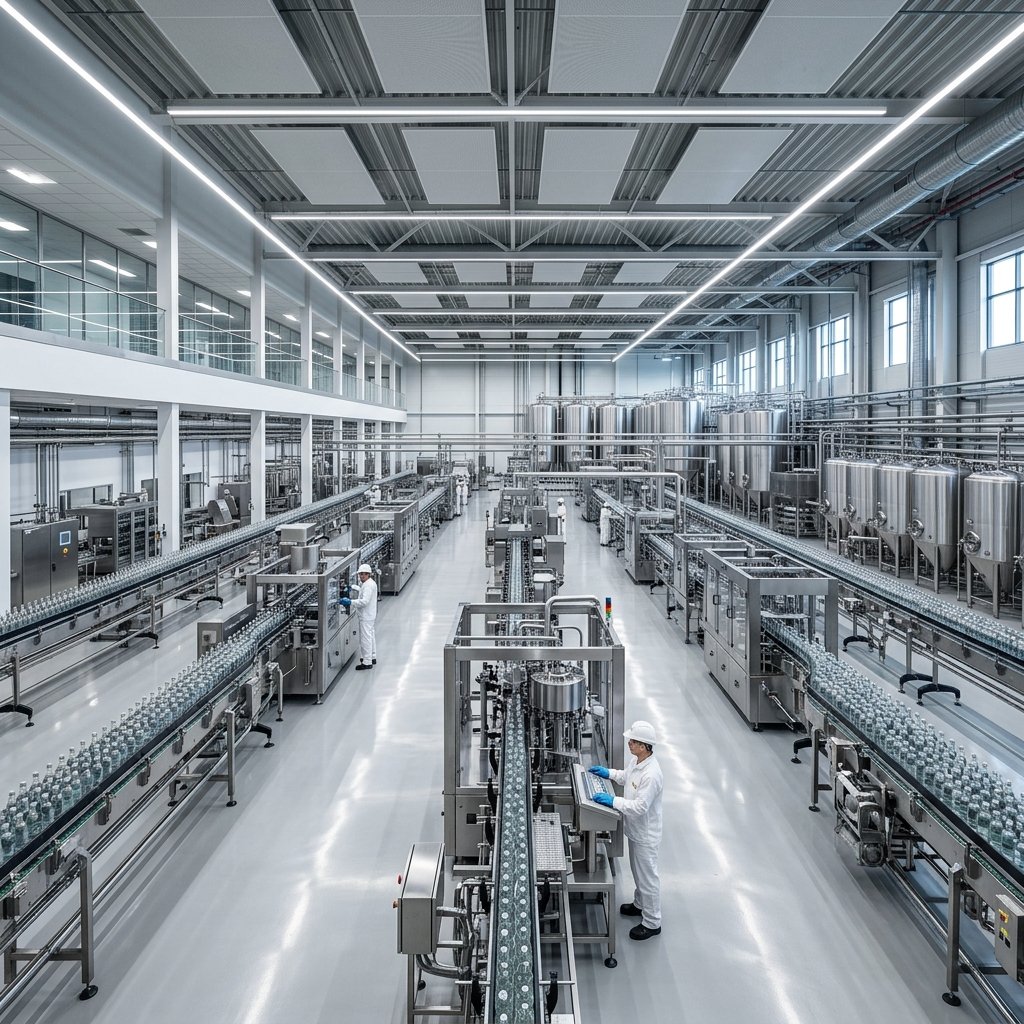
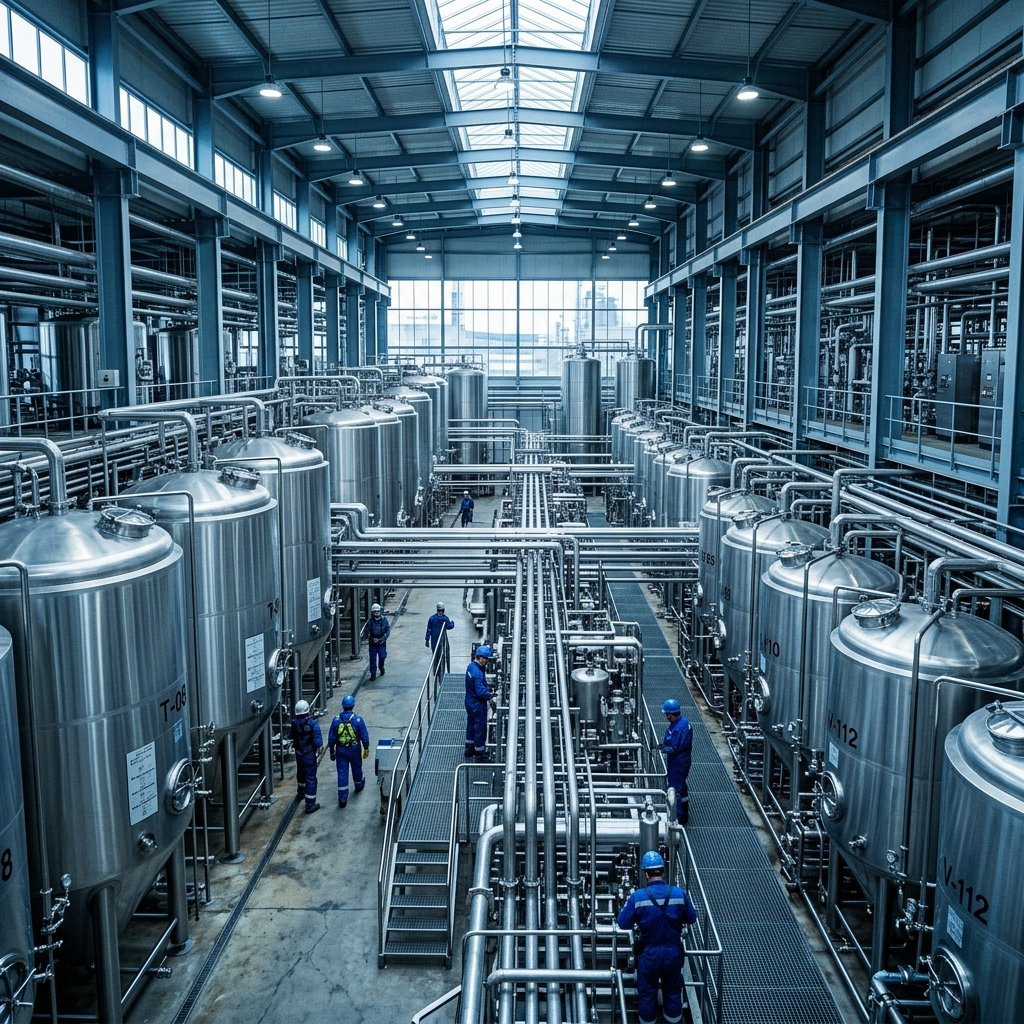
The flexibility built into today's aseptic filling equipment has turned bag in drum technology into something close to essential across a whole spread of industries. The SEPPA aseptic filling machine, in particular, was engineered to handle the demands of very different markets everything from catering kitchens to high throughput ingredient plants that never really shut down.
Food service and catering operations lean heavily on low acid products: spinach leaves, whole peas, strips of peppers, diced onion, precooked meals all of which sit firmly in the danger zone for spoilage and demand airtight sterility control. Fruit processors trust aseptic filling to protect peach, apricot, strawberry, pear, apple, and tropical fruit pieces, along with the pulps, purees, and concentrates that show up in everything from baby food to smoothie chains. Tomato product manufacturers routinely ship diced tomatoes and concentrated pastes around the world in 200 liter drums filled aseptically right at the source.
The story doesn't end with food. Dairy concentrate producers use bulk aseptic packaging to move cream bases, condensed milk, and whey concentrates around the globe without ever touching a refrigerated container. Pharmaceutical and nutraceutical companies depend on sterile drum filling for buffer solutions, fermentation feedstocks, and active liquid intermediates where even a single colony-forming unit can scrap a batch. Beverage ingredient suppliers think natural extracts, coffee concentrates, brewed tea bases have largely settled on drum filling as the default standard for B2B liquid transport.
SEPPA designs and builds both Bag in Drum and Bag in Box type aseptic fillers. Double head configurations are on the menu too, with filling nozzles of either 1 or 2 inches chosen based on how viscous the product is and whether it carries particulates. The aseptic filling machine works with preformed, pre sterilized bags from 5 to 200 liters, including linked bag formats running 5 to 20 liters for smaller volume jobs.
ChoosingtheRightAsepticDrumFillingSolutionforYourProductionLine
Picking the right aseptic filling machine isn't a decision to rush. There are real engineering and operational trade offs in play, and getting it wrong tends to show up later as product loss, batch rejections, or in the worst case a recontamination event that can wipe out an entire production campaign.
Fill Accuracy and Metering Technology
Electronic weigh filling has quietly become the gold standard for any high value liquid stream. Today's aseptic filling...
CIP/SIP Compatibility
Clean in Place and Steam in Place capability isn't a nice to have it's the price of admission. Any serious aseptic filli...
Throughput Scalability
Production planners usually size equipment for peak demand, adding an extra 20-30%. For aseptic filling machines, proper...
Hygienic Design Standards
When picking equipment, go for 3-A Sanitary Standards, EHEDG certification, and full FDA 21 CFR Part 11 compliance for e...
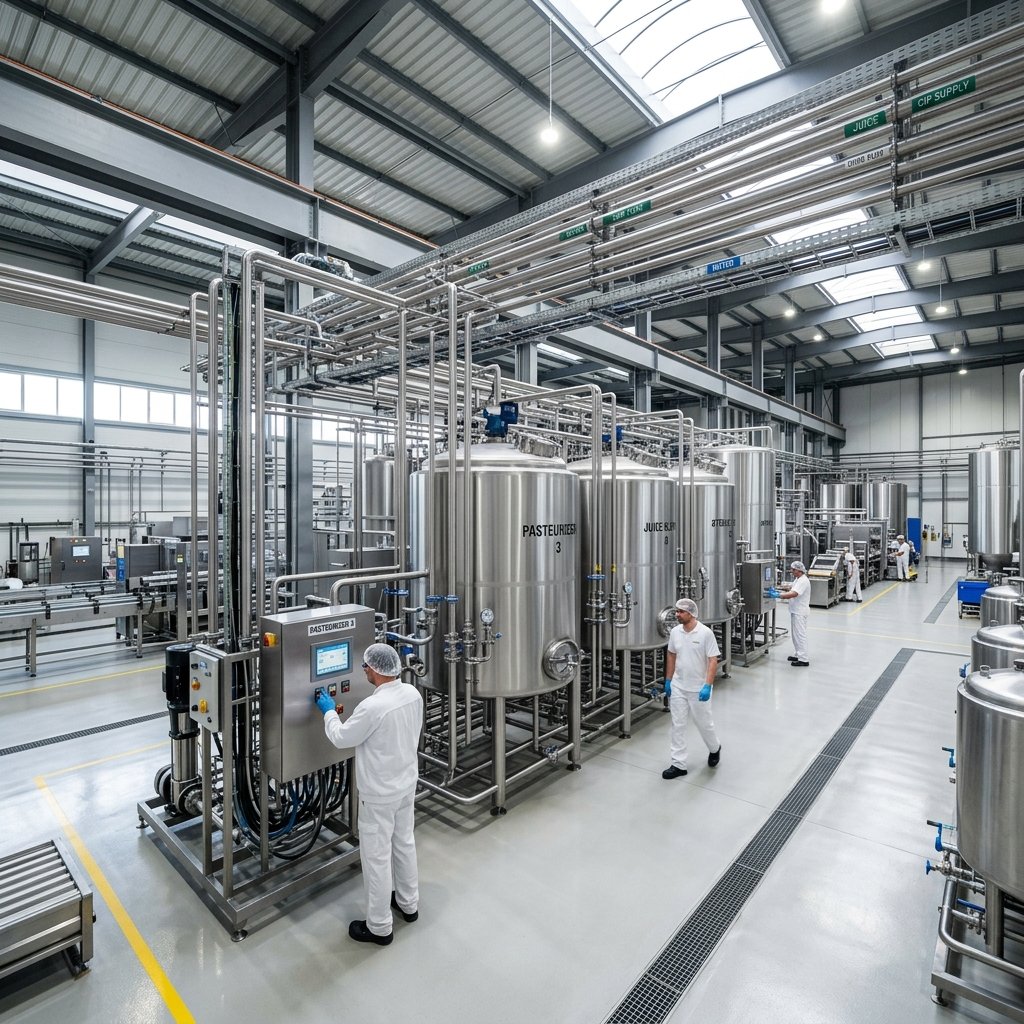
HowSeppaSolutionsDeliversAdvancedAsepticDrumFillingSystems
We combine innovative designs, sustainable operations, and advanced manufacturing technologies to deliver automated solutions that protect your products and captivate your customers.
Everything in the Seppa Solutions aseptic filling machine platform comes back to one design conviction: sterility you can trust, on equipment your operators actually want to run. Every unit is built on a 316L stainless steel frame with crevice free welds, sloped surfaces that drain completely, and sanitary tri clamp fittings running the full length of the product path.
Our aseptic valve technology uses a double seat sterile barrier with steam blocked interspaces which effectively kills any risk of cross contamination when the valve cycles. Sitting above that is a HEPA filtered laminar flow hood right over the filling nozzle, holding ISO Class 5 conditions during the moment that matters most: when the cap comes off the bag.
Bag handling cap removal, fill, re cap happens automatically and stays under a continuous steam barrier from start to finish. The PLC driven HMI manages full traceability, recipe management, and real time monitoring of all critical control points. Add electronic weigh filling and servo driven nozzle positioning to the mix, and you get an aseptic filling machine that meets commercial sterility goals at top industrial speeds, no sweat.
Methodology:FromSiteAudittoValidation
Installing an aseptic filling machine isn't a simple plug and play deal. Seppa Solutions follows a five phase engineering process, refined over decades, for every setup.
Site Audit & Process Mapping
Our engineers walk the plant floor, take stock of utilities, look at product characteristics, pin down throughput targets, and map every connection point to upstream sterilizers and downstream palletizers.
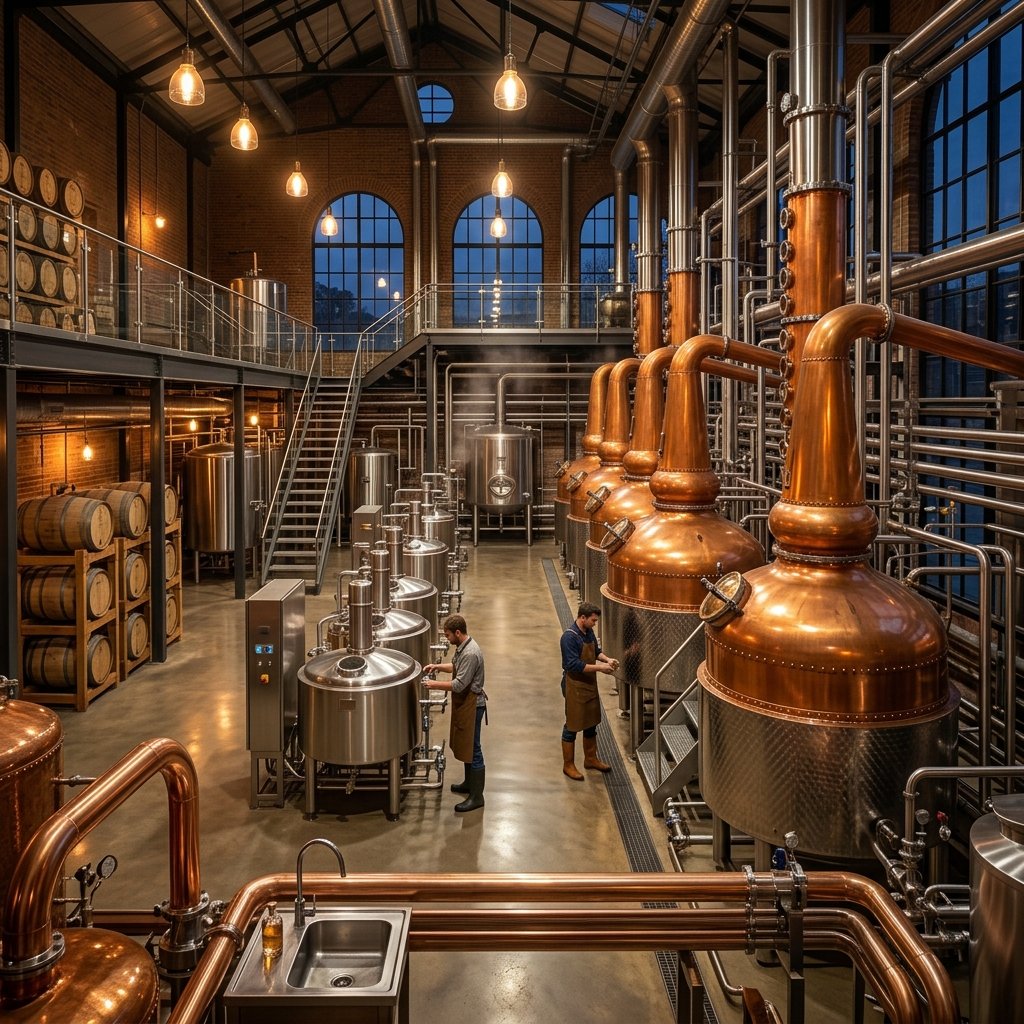
Custom System Design
A bespoke layout gets built in 3D CAD, backed by full P&ID documentation and FEA validated sanitary piping.
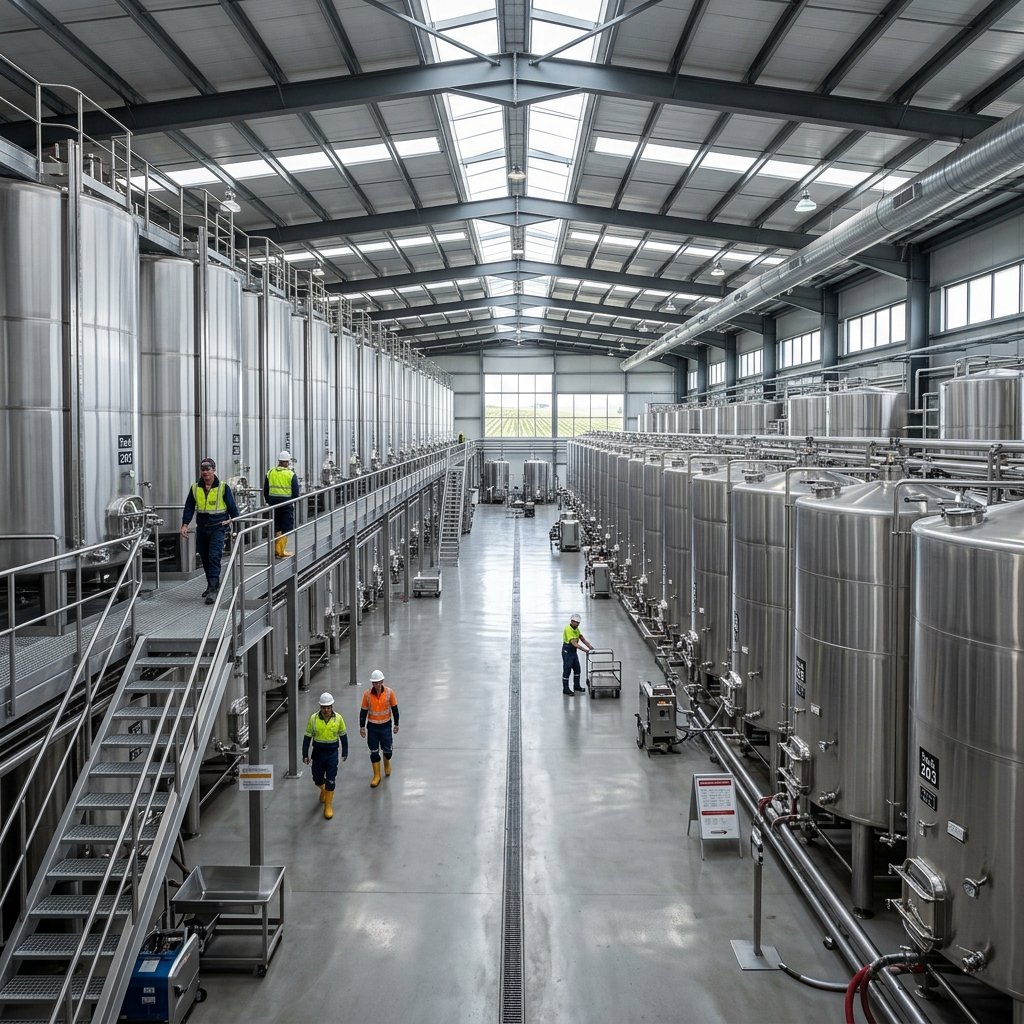
Precision Integration
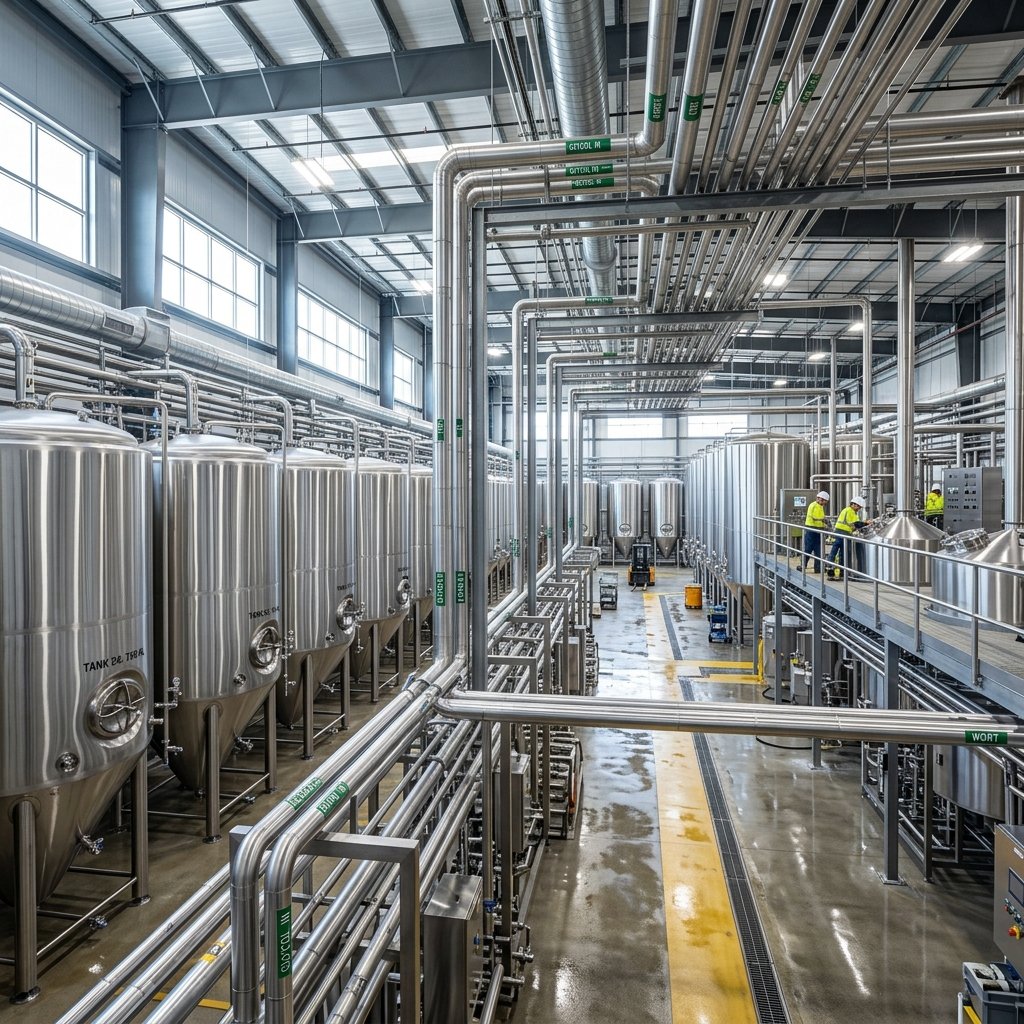
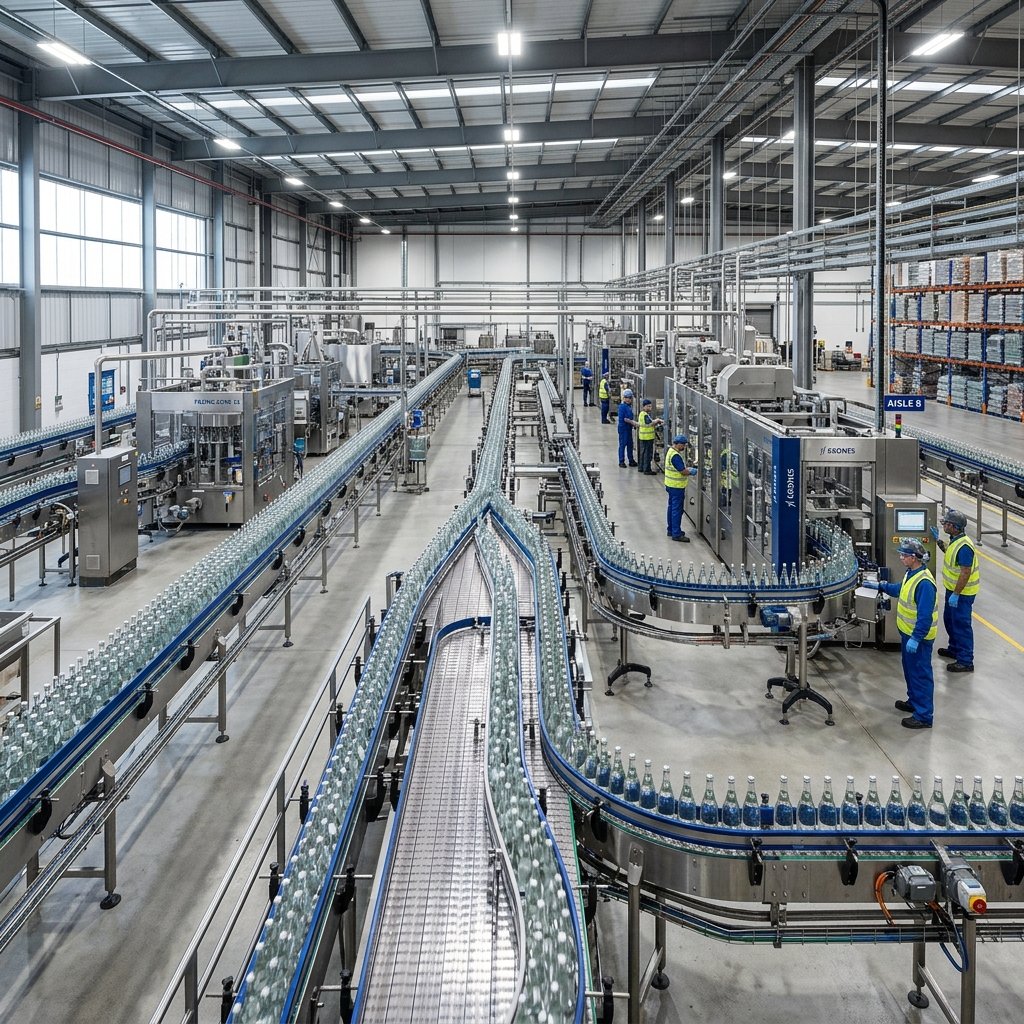
The aseptic filling equipment is fabricated, put through factory acceptance testing (FAT), and shipped in pre assembled modules so on site work stays minimal.
Commissioning & Start Up
Our team handles installation, utility hookup, and the first round of sterility qualification right alongside your crew.
Validation Support
Full IQ/OQ/PQ documentation, microbiological challenge testing, and regulatory dossiers are delivered to back you up during FDA, EFSA, or local agency audits.
FrequentlyAskedQuestions
EmpoweringIndustryLeadersWorldwide














WhatGlobalBeverageBrandsSayAboutSeppaAutomation
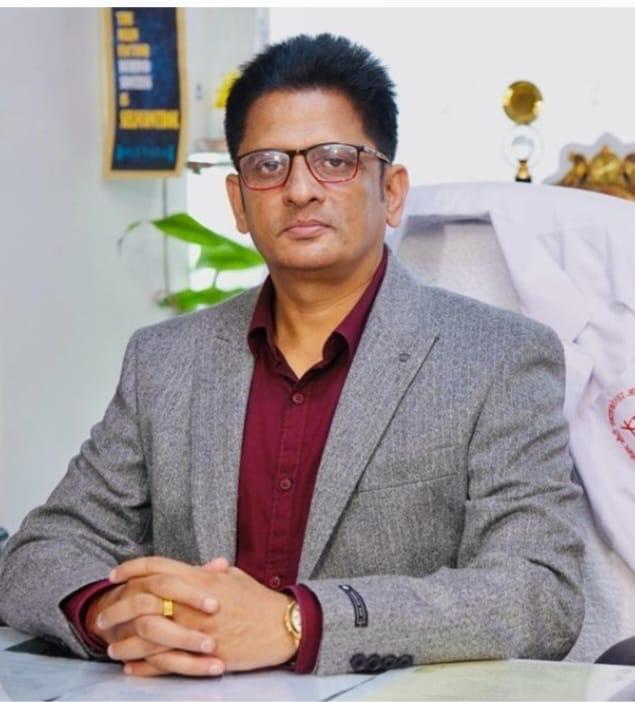
"Seppa's Kombo Pure monobloc system cut our floor footprint by 40% while maintaining absolute sterility. Their turnkey water line engineering is unmatched."
Rajesh Vardhan

"Their high-speed RFC filling system and four-axis automated palletizer completely streamlined our CSD production, halving our end-of-line logistics costs."
Marcus Vance

"The combination of Non-Thermal Pasteurization and Aseptic Non-Contact Fillers extended our juice shelf life perfectly with zero contamination risks."
Amara Al-Jamil
CollaboratingwiththeBestintheIndustry



Awards&Achievements
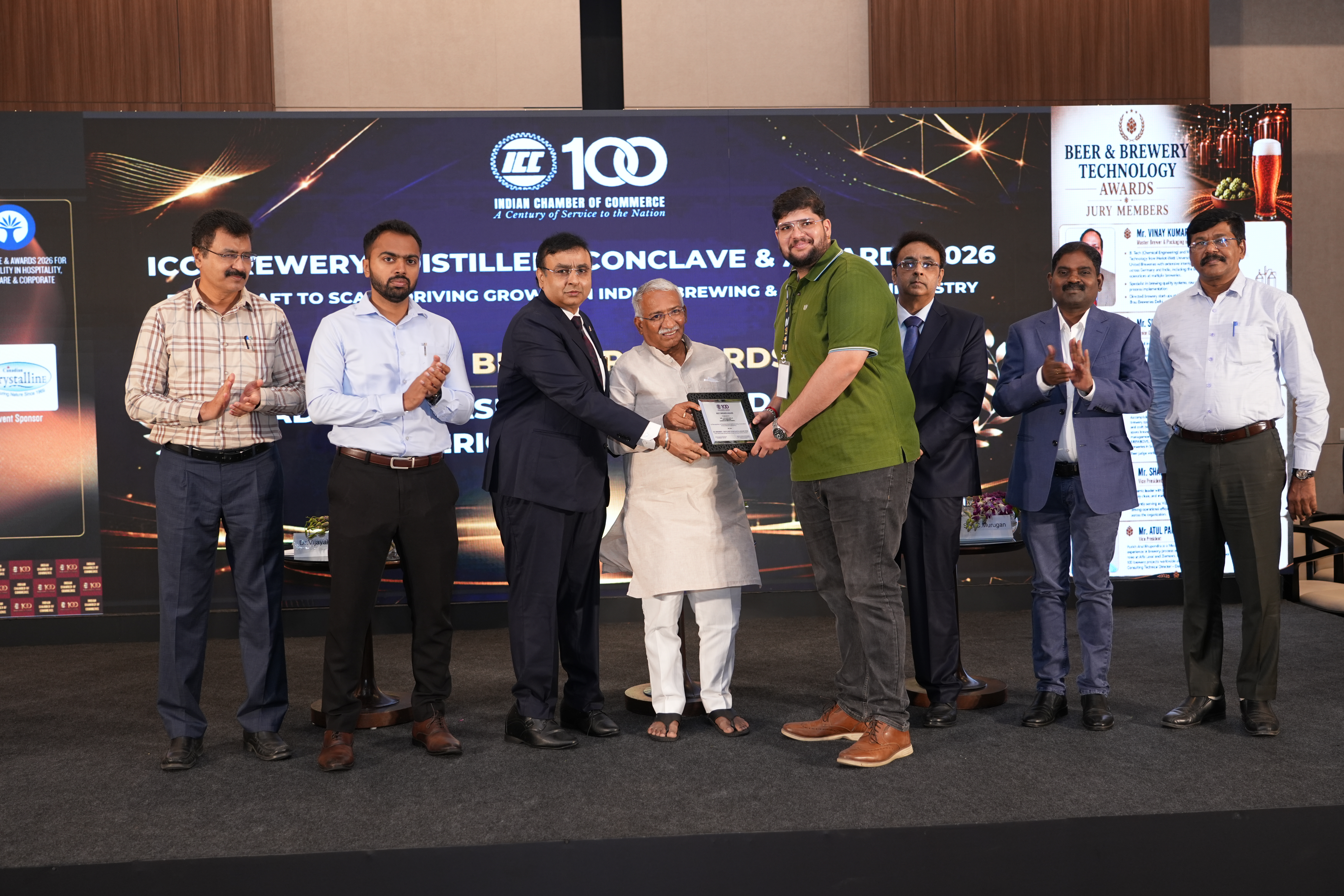
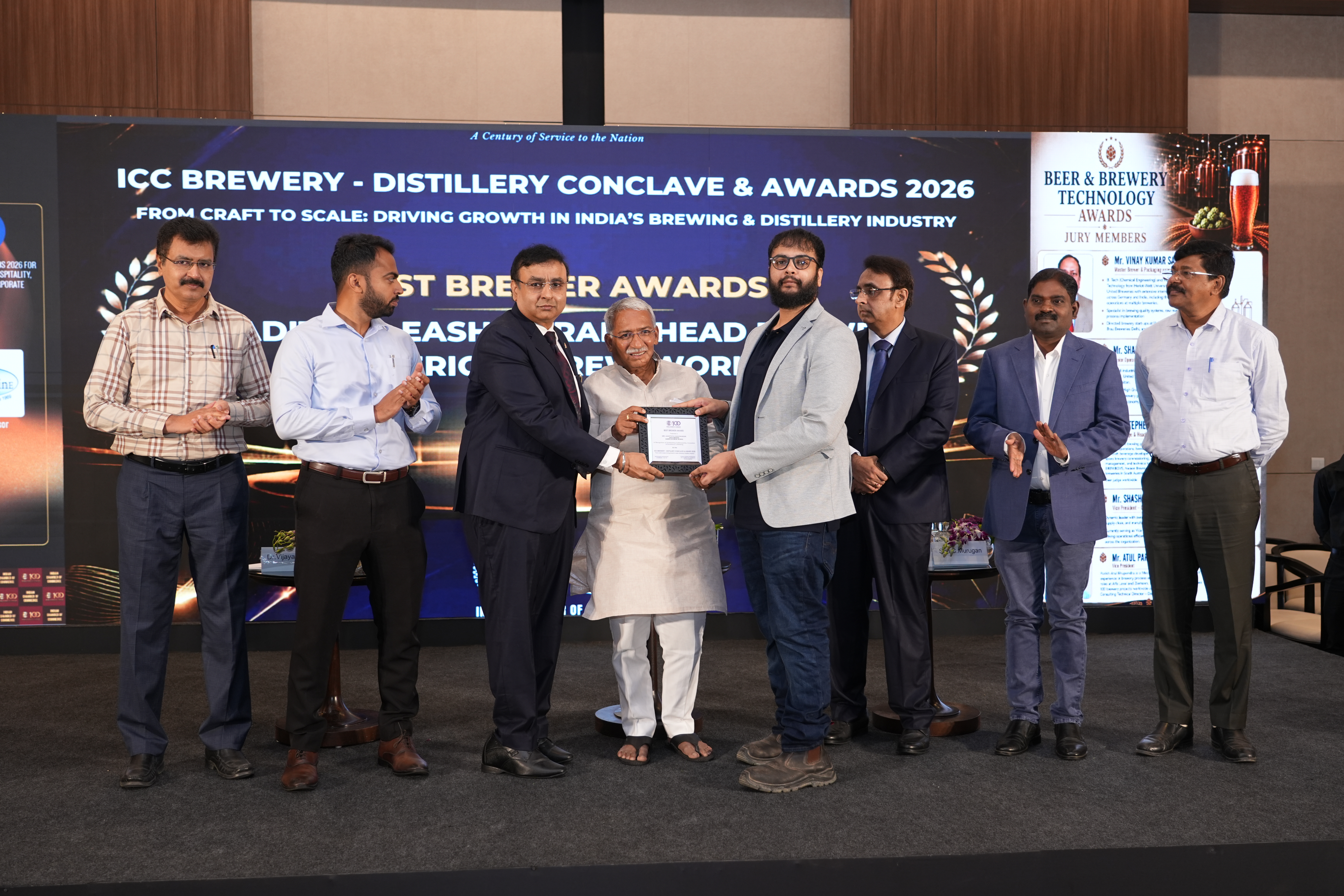
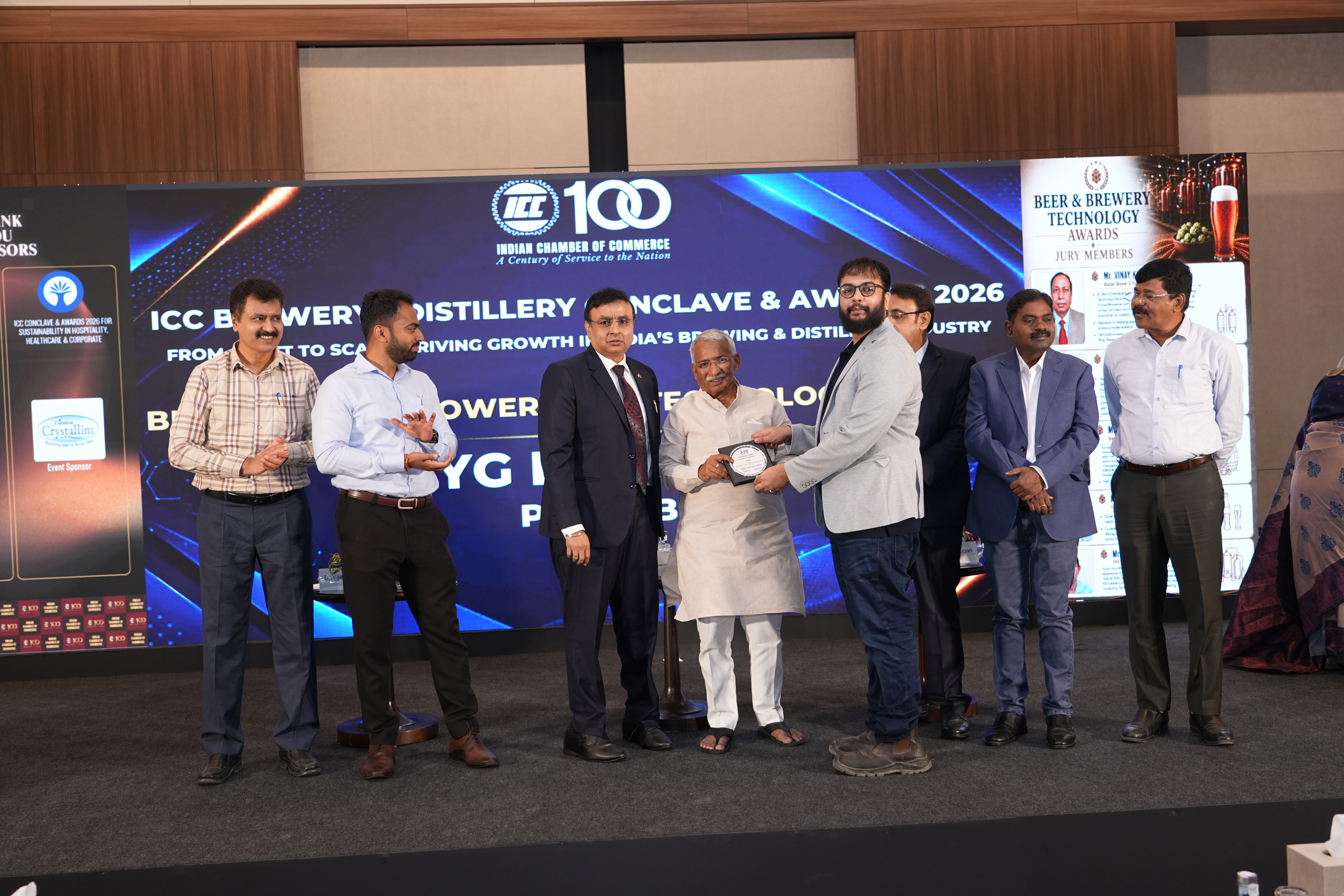
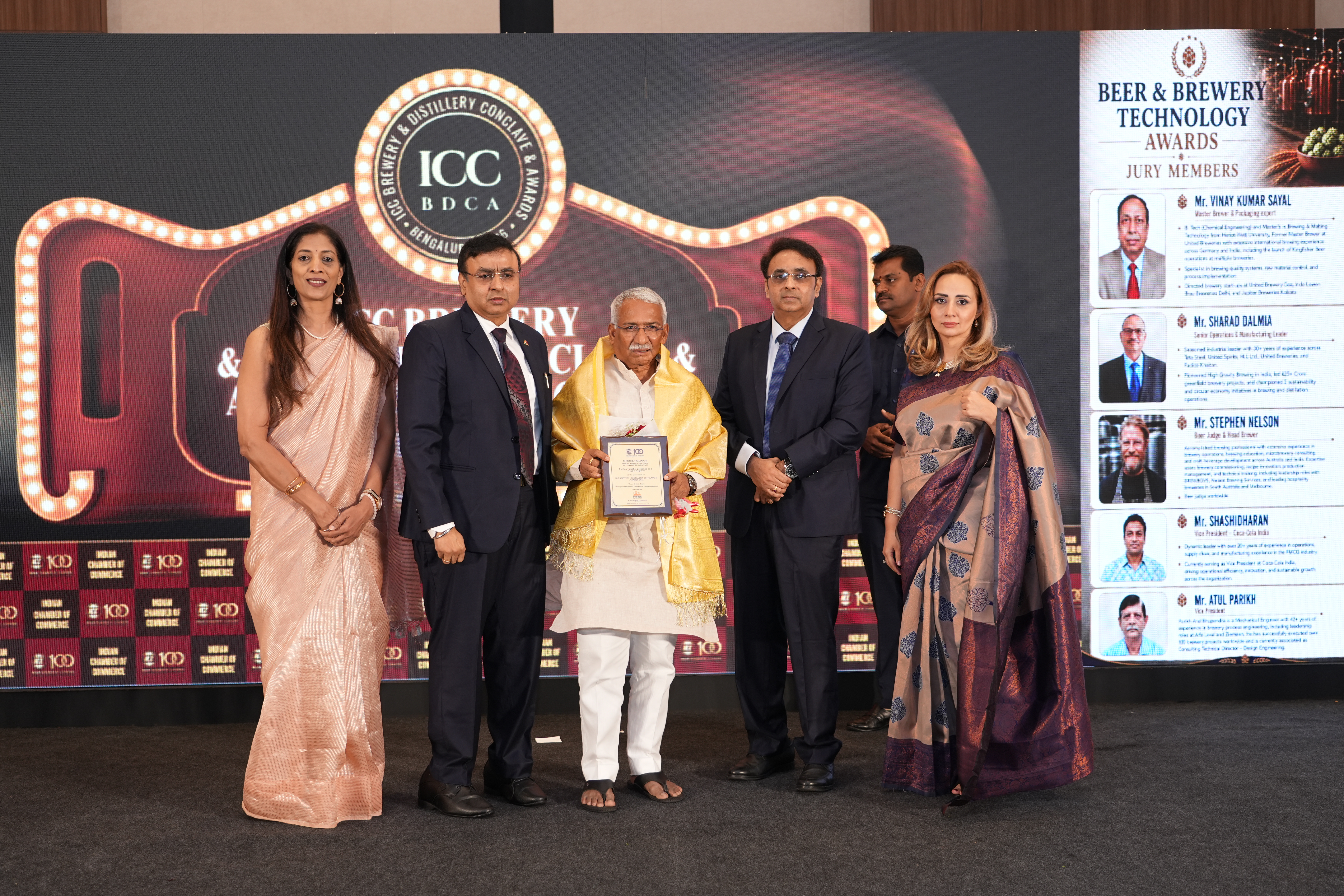
Our relentless pursuit of excellence and innovation has been recognized globally. We take pride in the milestones we've achieved on our journey to transforming the industry.

Let's Discuss Your Packaging Needs
Reach out to our experts to find the perfect packaging solutions tailored for your business. We are here to help you succeed.
Call Us:
+91 93848 06105
Email Us:
info@seppasolutions.com
Location:
No. 7, Parivakkam Road , Chennai - 600 056, Tamilnadu, India.
Request a Quote
Informingyouwithindustryfocusedupdates