Batch Coding Machine
WhatIsaBatchCodingMachineandHowDoesItWork?
Every product leaving a production line carries data that regulators, distributors, and end consumers all depend on. The system that puts that data there correctly, at speed, without stopping the line is the batch coding machine.
A batch coding machine applies variable information directly onto product surfaces as they move along a conveyor. Internally, a gear pump or external compressed gas forces ink through precision nozzles, generating charged droplets that are deflected through an electric field and deposited at exact coordinates on the substrate. The printhead never touches the surface. That matters when you're running glass bottles at 200 units per minute or flexible pouches that a contact printer would distort.
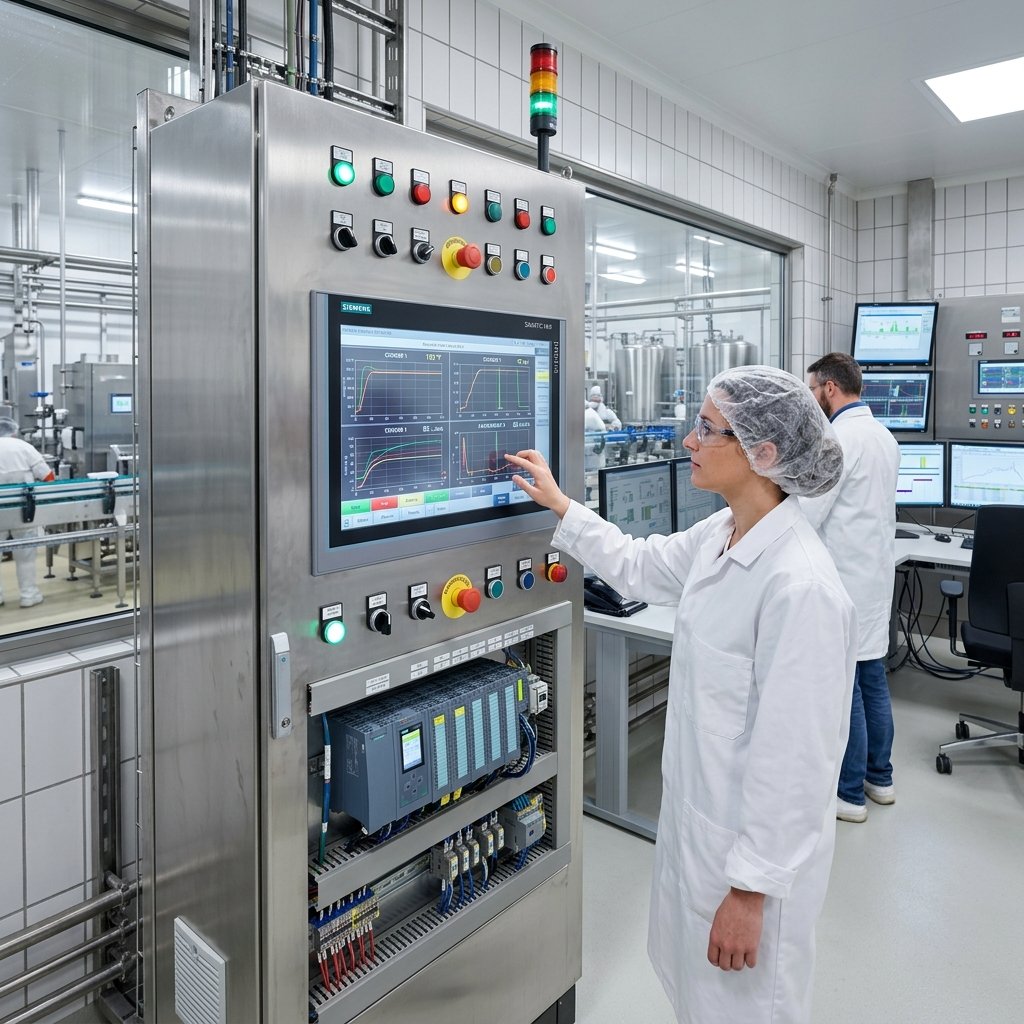
Modern systems connect directly to PLC and MES networks. The batch coding machine pulls live production data batch numbers, shift codes, timestamps and updates print content automatically when a batch changes. No operator intervention. No reprint downtime. The mark on the product matches the record in the system, which is exactly what a traceability audit requires.
KeyFeaturesofOurIndustrialBatchCodingMachines
•Rapid Dry Ink Systems for Diverse Substrates: Ink that doesn't dry fast enough smears. Ink formulated for the wrong substrate peels. Seppa's automatic batch coding machine uses solvent based rapid dry inks selected for substrate compatibility on PET and glass, the ink bonds at the molecular level within seconds; on paper and cardboard, capillary absorption locks the mark in place.
•Touch Screen HMI: Font size, character height, line count, and print position are all configurable from the touch screen interface. The coding machine supports single line date stamps and complex multi field messages serial numbers, barcodes, lot codes in the same template library. Operators switch between saved templates in under ten seconds.
•Printhead Housing Built for Factory Conditions: Seppa's industrial inkjet printer runs in environments that are hot, humid, and sometimes chemically aggressive. The printhead sits in an IP rated enclosure with a stainless steel body. Washdown conditions don't compromise seals or electronics.
ApplicationsAcrossIndustries
In pharmaceutical packaging, blister packs and cartons receive lot numbers and expiry dates at 300+ units per minute. The coding machine maintains print registration throughout the run without recalibration.
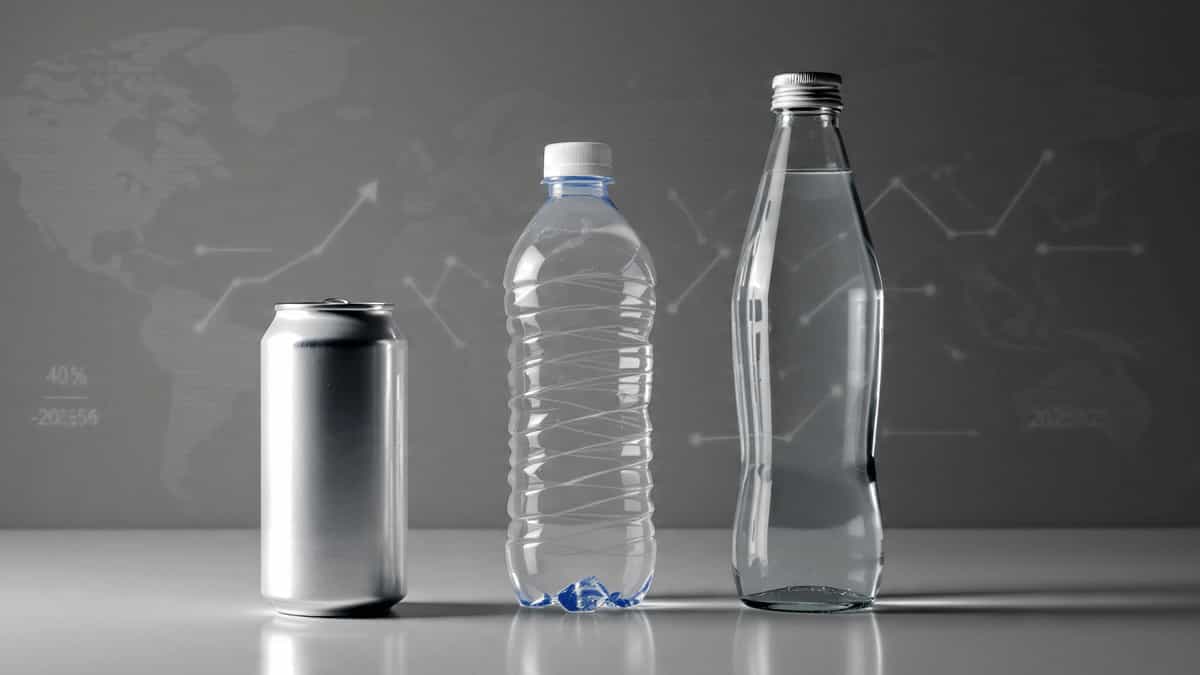
In food and beverage, the same machine marks PET water bottles, glass juice containers, metal cans, and foil pouches. Condensation is a constant issue in beverage lines the industrial inkjet printer accounts for this by using adhesion optimized inks that bond before moisture interferes.
Cosmetics lines use the automatic batch coding machine on curved tube bodies and cap surfaces, where a 0.1 mm positional error shows. Electronics manufacturers mark cable sheaths, PCB surfaces, and ABS housings.
TypesofInformationPrintedUsingBatchCoders
•Batch Numbers: A batch number contains a quality incident. When a recall is issued, the number identifies the exact production run not an approximate date window, but the specific lot.
•Manufacturing and Expiry Dates: Date codes give internal quality teams the ability to trace a finished product back to a shift or raw material lot. The inkjet coding printer applies expiry information directly onto primary packaging, holding up under retail fluorescent lighting and refrigerated storage.
•Barcodes and QR Codes: The inkjet coding printer generates 1D and 2D codes at resolutions that pass retail scanner reads. QR codes printed with batch and serial data let consumers verify product authenticity with a phone scan.
WhyChooseSeppaSolutionsforBatchCodingMachines?
Seppa builds coding machine systems around the reality that production floors run continuously and coding failures stop lines.
•The hardware reflects that: German imported pumps, precision machined printheads, and aviation grade power supplies rated for 24/7 operation.
The industrial inkjet printer platforms Seppa supplies handle multiple substrate types within a single installation. A line running PET in the morning and glass in the afternoon doesn't require a hardware change operators switch substrate profiles on the HMI. The industrial inkjet printer maintains the same print resolution and mark durability across both runs.
Major manufacturers in food, pharma, and cosmetics trust Seppa's batch coding machine hardware because print quality holds over long production runs. The mark at hour eight of a shift is the same as the mark at hour one.
Methodology:OurApproachtoBatchCodingIntegration
Site Assessment
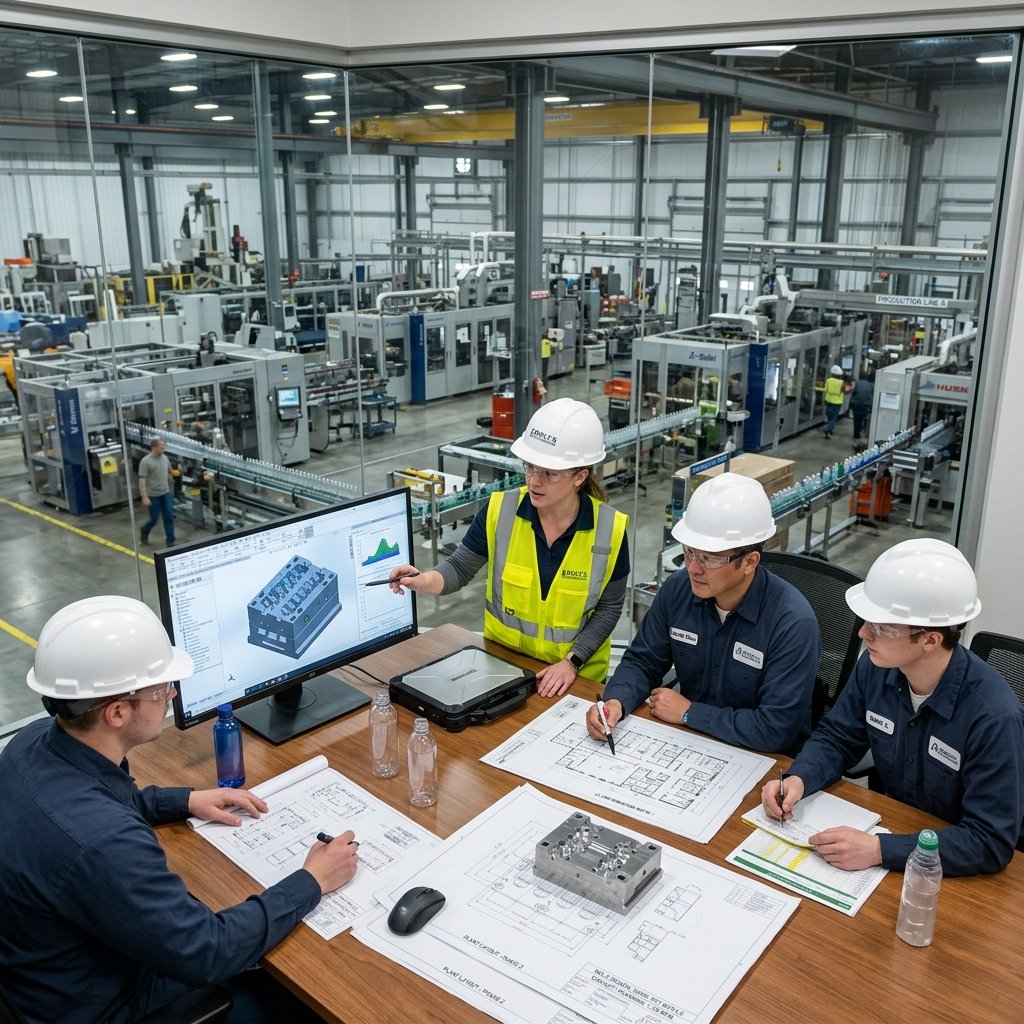
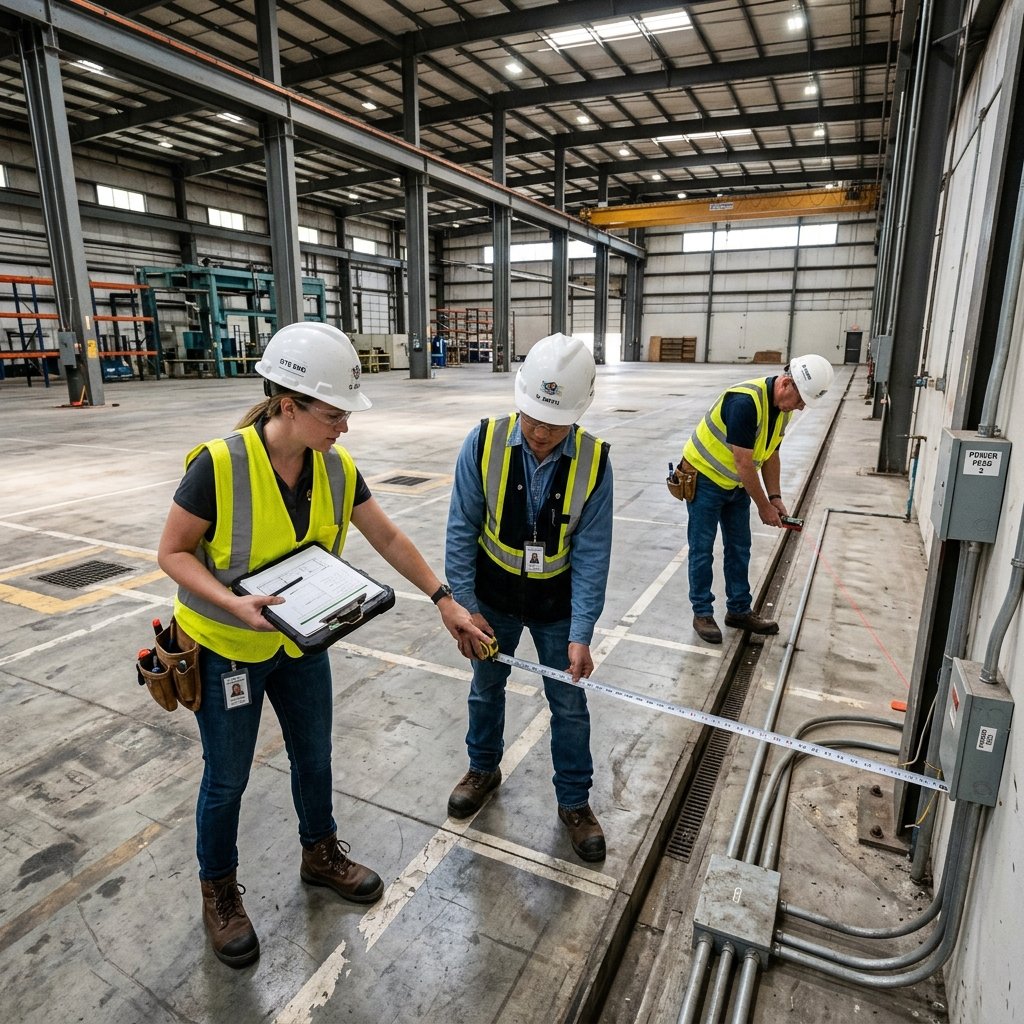
Engineers assess substrate materials, line speeds, environmental conditions (temperature, humidity, chemical exposure), and existing PLC architecture.
Mounting & Ink Selection
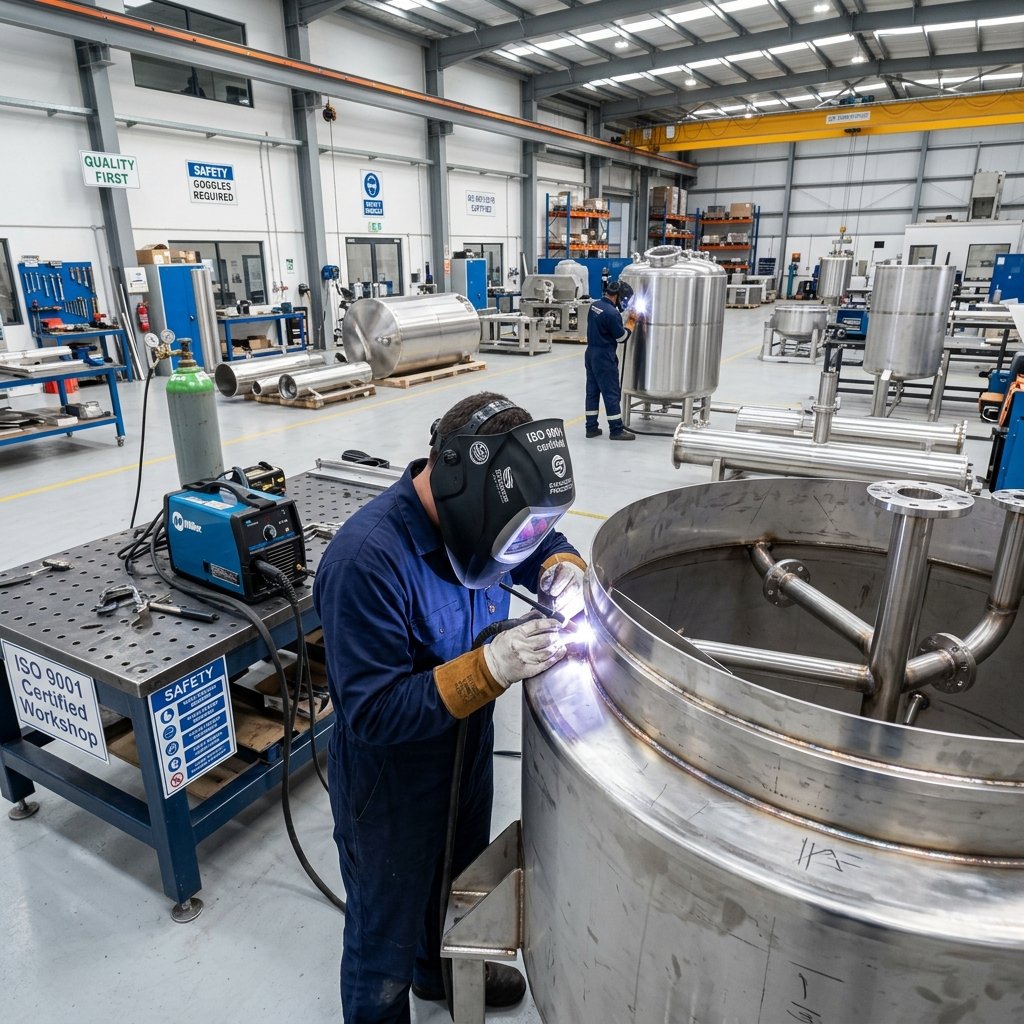
The batch coding machine mounts at the identified print station on the conveyor. Ink selection is matched to substrate: solvent based for non porous surfaces like glass and PET, water based for paper and board.
Calibration
The system calibrates for print position and droplet size. Substrate ink compatibility testing runs before any live production print occurs.
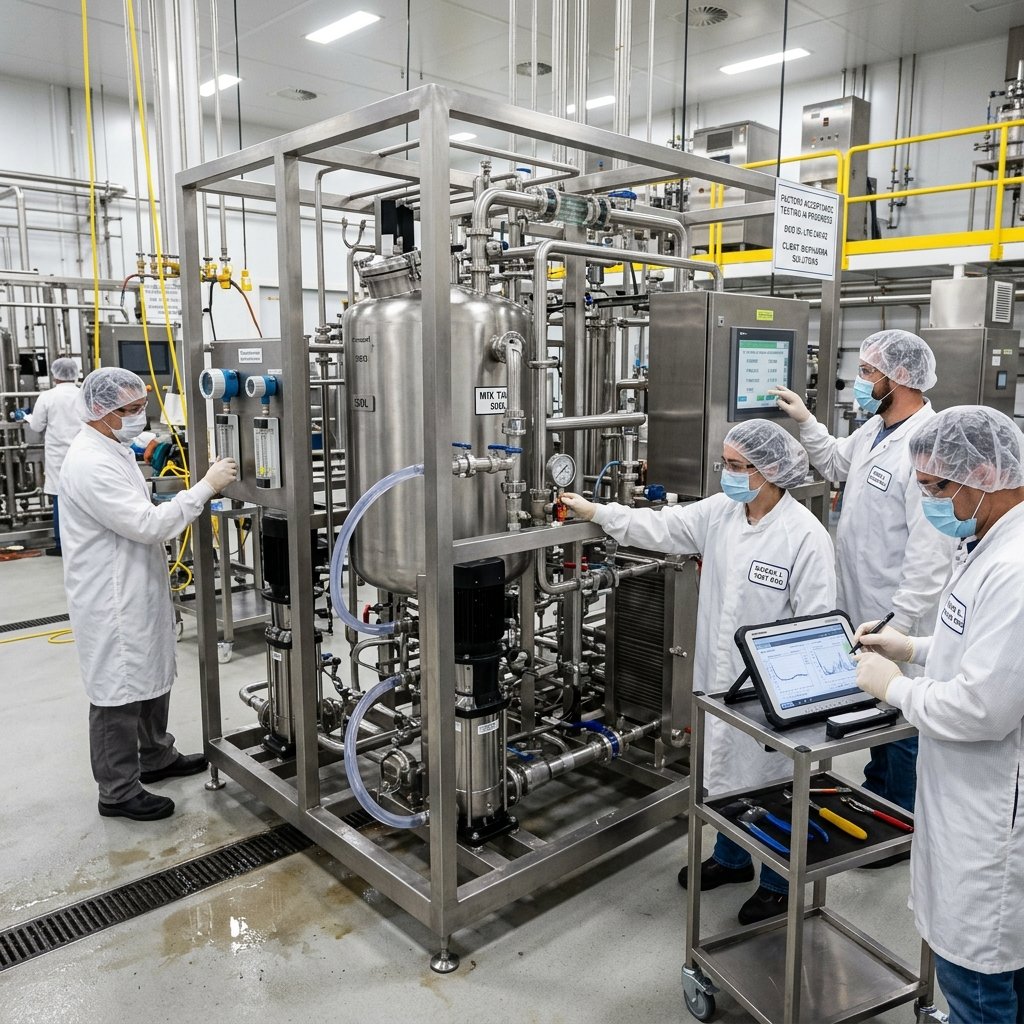
Commissioning & Support
Commissioning covers HMI operation, message template setup, and maintenance procedures. Seppa provides remote diagnostics support for the first 90 days post handover.
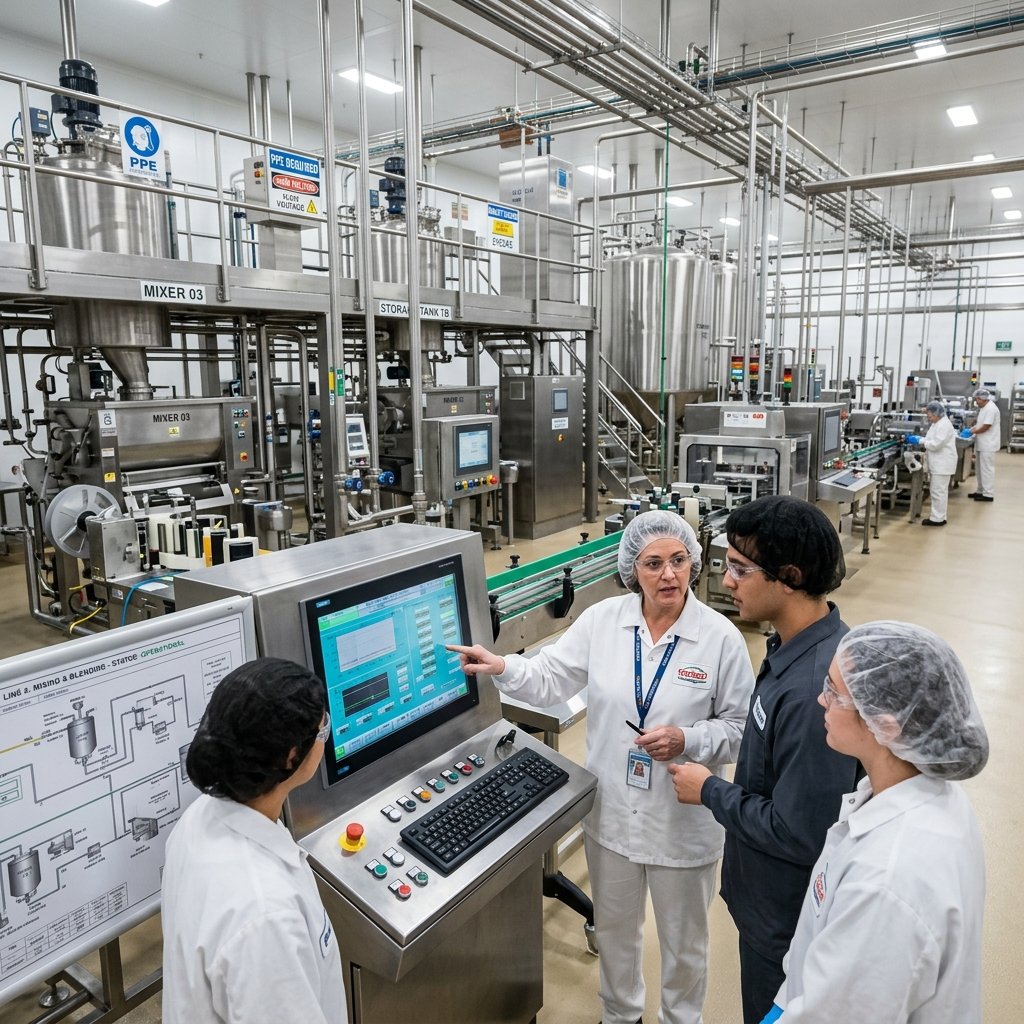
FrequentlyAskedQuestions
EmpoweringIndustryLeadersWorldwide















CollaboratingwiththeBestintheIndustry




Awards&Achievements
Our relentless pursuit of excellence and innovation has been recognized globally. We take pride in the milestones we've achieved on our journey to transforming the industry.





Let's Discuss Your Packaging Needs
Reach out to our experts to find the perfect packaging solutions tailored for your business. We are here to help you succeed.
Call Us:
+91 93848 06105
Email Us:
info@seppasolutions.com
Location:
No. 7, Parivakkam Road , Chennai - 600 056, Tamilnadu, India.
Request a Quote
Informingyouwithindustryfocusedupdates