Liquid Sparkling Water: Complete Processing and Packaging Solutions
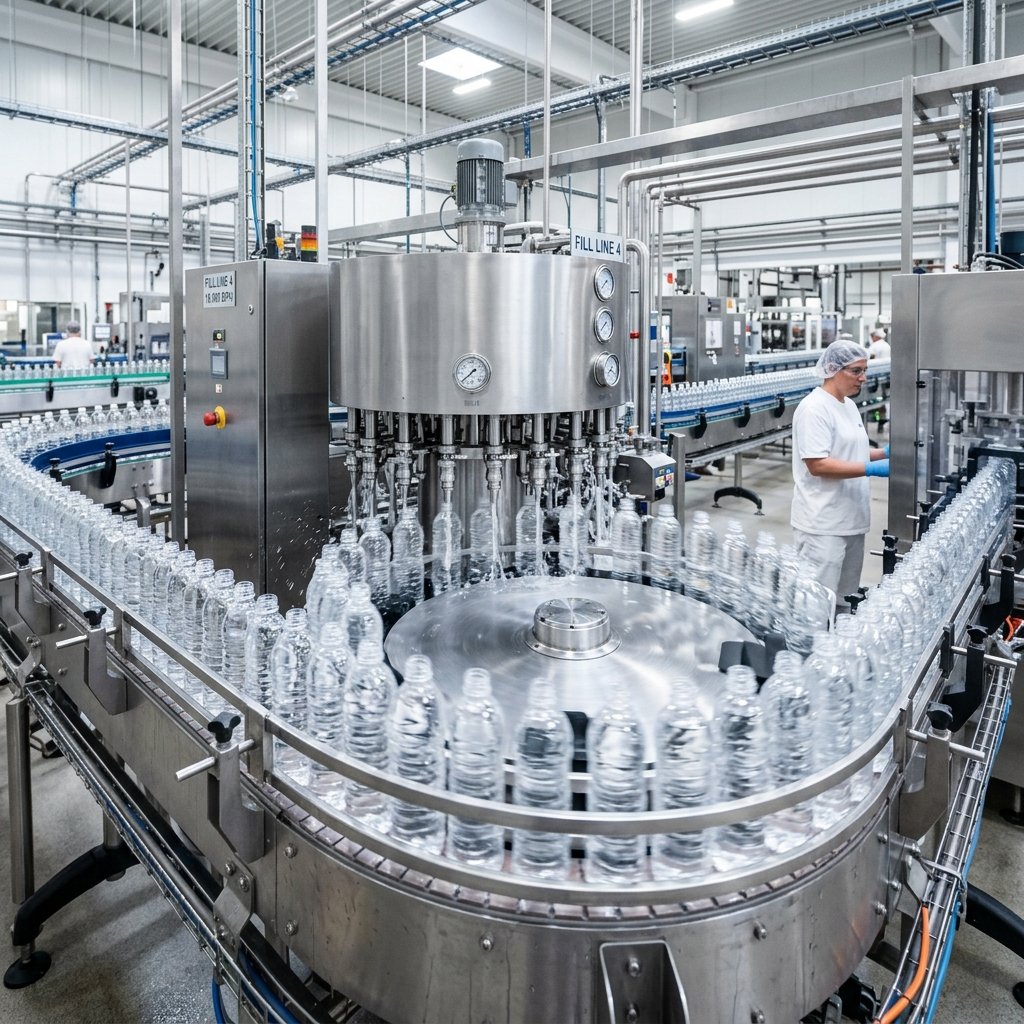
Introduction:WhytheRightMineralWaterPlantChangesEverything
Water's gotta be the most crucial resource out there more important than oil or gold. We simply can't live without it, and now, with more people and bigger cities popping up everywhere, making sure everyone gets clean and cheap water has become a massive issue. Plus, folks are changing what they drink. They're ditching those sugary beverages for healthier stuff, and it's not just because companies say so surveys prove it. So, plain water and bottled water are quickly becoming everybody's choice. Starting a new bottled water business now puts you right where the action is, leading the charge instead of trying to catch up.
The numbers back this up. The global bottled water market was estimated at 170 billion USD in 2014 and grew at 8.5% annually between 2018 and 2022, crossing 300 billion USD and that growth hasn't stopped. A well run packaged drinking water plant or water bottling plant isn't just viable in this environment. It's one of the more defensible businesses you can build, because demand for clean, packaged water doesn't disappear in a downturn.
Success in this market, though, comes down to three things: consistency, hygiene, and production efficiency. A natural sparkling water that can't hold tight fill tolerances, or a line that generates contamination risk during packaging, doesn't survive long term regardless of how strong the brand is. Seppa Solutions was built around solving exactly that. Our processing and packaging equipment, combined with strong design engineering and end to end service support, gives producers the tools to run a mineral water plant that actually performs at commercial scale.
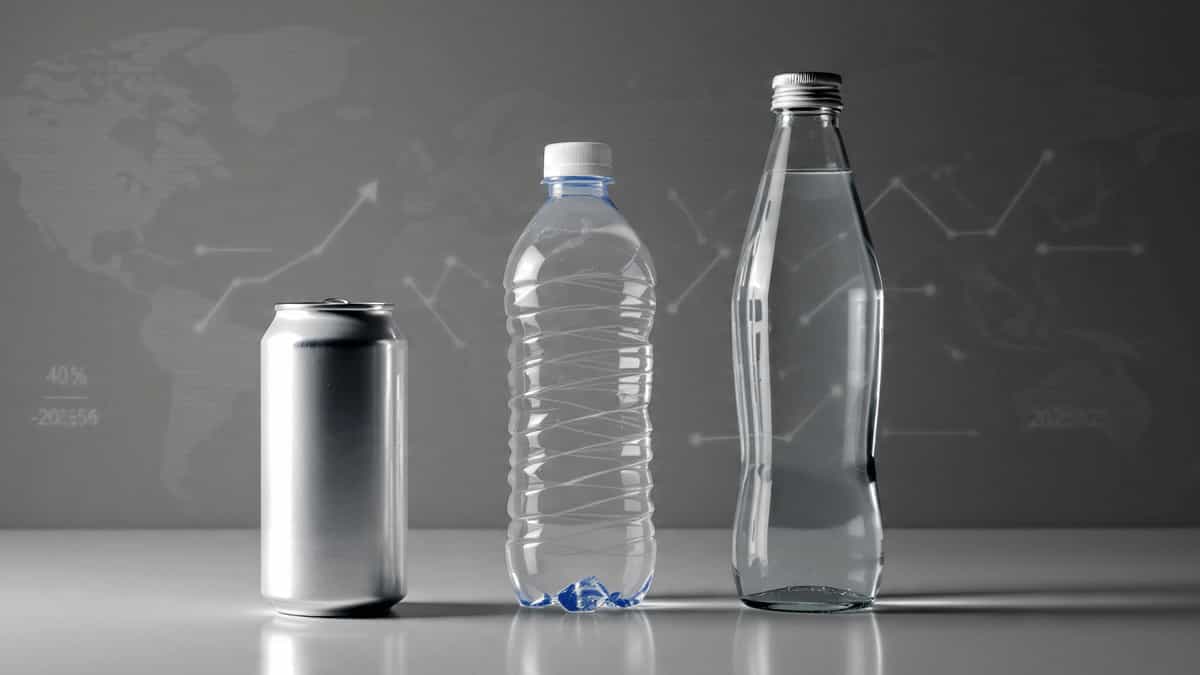
PET is the packaging format of the present and the near future. Seppa helps you design, build, and deliver an optimized water bottling plant from bottle aesthetics to the production line itself with a compact footprint, low plant cost, and the kind of throughput that makes a packaged mineral water plant commercially viable from day one. We also bring real market experience to every project. Consumer needs change, regulations tighten, and new product categories create both opportunity and new technical requirements. We've worked across enough mineral water plant installations to recognize those shifts before they reach your production floor.
TypesofBottledWaterWeSupport
Not every mineral water plant produces the same product. Each water type has its own treatment requirements, regulatory profile, and quality benchmarks. Here's a quick breakdown of the categories Seppa's lines are engineered to handle:
Spring Water / Mountain Spring Water
Derived from an underground formation where water flows naturally to the surface. Spring water must be collected at the...
Packaged Drinking Water / Purified Water / Still Water
Produced through distillation, deionisation, reverse osmosis, or similar processes. This is the most common output for a...
Natural Mineral Water
Contains a minimum of 250 ppm Total Dissolved Solids, with constant mineral composition at the point of emergence. No mi...
Sparkling Bottled Water
Water that retains or has replaced the CO₂ it contained at the source. This is the most technically demanding category a...
Artesian / Well Water
Sourced from confined aquifers or drilled wells tapping underground water bearing formations. Treatment requirements dep...
Alkaline Water
pH above 7, achieved through controlled mineral dosing or electrolysis. Requires precise hydrogen concentration manageme...
Structured Water
Sometimes called magnetized or hexagonal water. Produced through vortexing, UV or infrared light exposure, or similar pr...
Vitaminised Water
Water infused with water soluble vitamins C, B6, B12, folate and trace minerals like copper, iodine, and zinc. Dosing in...
HowSeppaSolutionsDeliversCompleteSparklingWaterProcessingandPackagingLines
Delivering fully integrated processing and packaging lines that perform reliably.
Water Purification: Quality Starts at the Source
Every mineral water plant begins with treating the raw water feed. Source chemistry varies significantly borewell, munic...
Carbonation: Where Most Lines Either Succeed or Fail
Dissolving CO₂ into water at consistent carbonation volumes (typically 3.5–6.5 volumes depending on product spec) requir...
Water Filling Machine Integration
Counter pressure filling is non negotiable for sparkling formats. Our water filling machine pre pressurizes each bottle...
Downstream Packaging
Capping, labelling, and case packing are selected to match upstream line speed. Sourcing these from multiple vendors is...
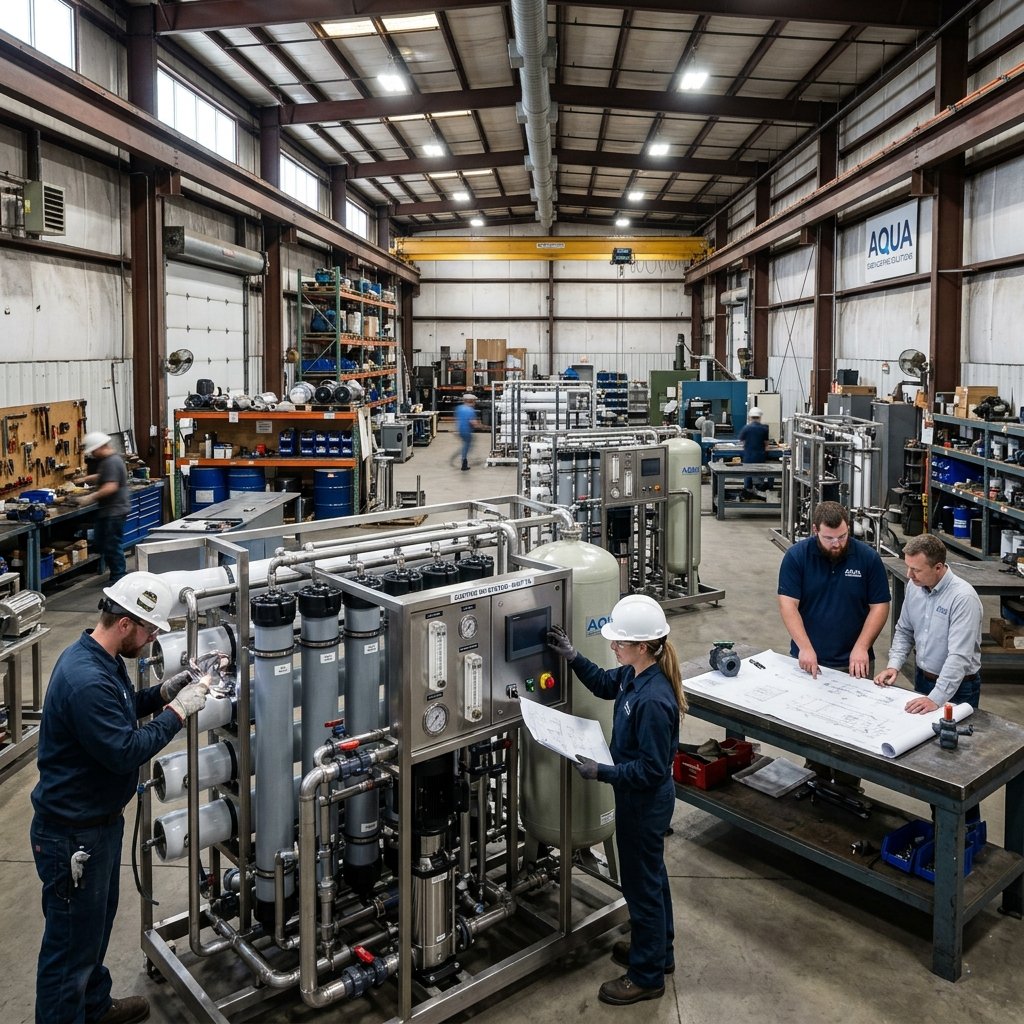
ElevatingYourBrandwithSuperiorAutomation
We combine innovative designs, sustainable operations, and advanced manufacturing technologies to deliver automated solutions that protect your products and captivate your customers.
Customizable Solutions
We offer tailored machinery designs that meet the exact requirements of your products, ensuring a perfect fit and high e...Read More
Uncompromised Protection
Our packaging lines are engineered for maximum durability, keeping your products safe during the entire production proce...Read More
Premium Quality Standards
Every machine undergoes rigorous quality assurance to meet international standards and exceed your expectations.
Advanced Technology
We are committed to continuous innovation, utilizing state-of-the-art automation to reduce environmental impact and incr...Read More
Global Support Network
With a robust global logistics and support network, we ensure timely delivery and maintenance of your packaging solution...Read More
Methodology:EngineeringLifecyclefromFeasibilitytoFullProduction
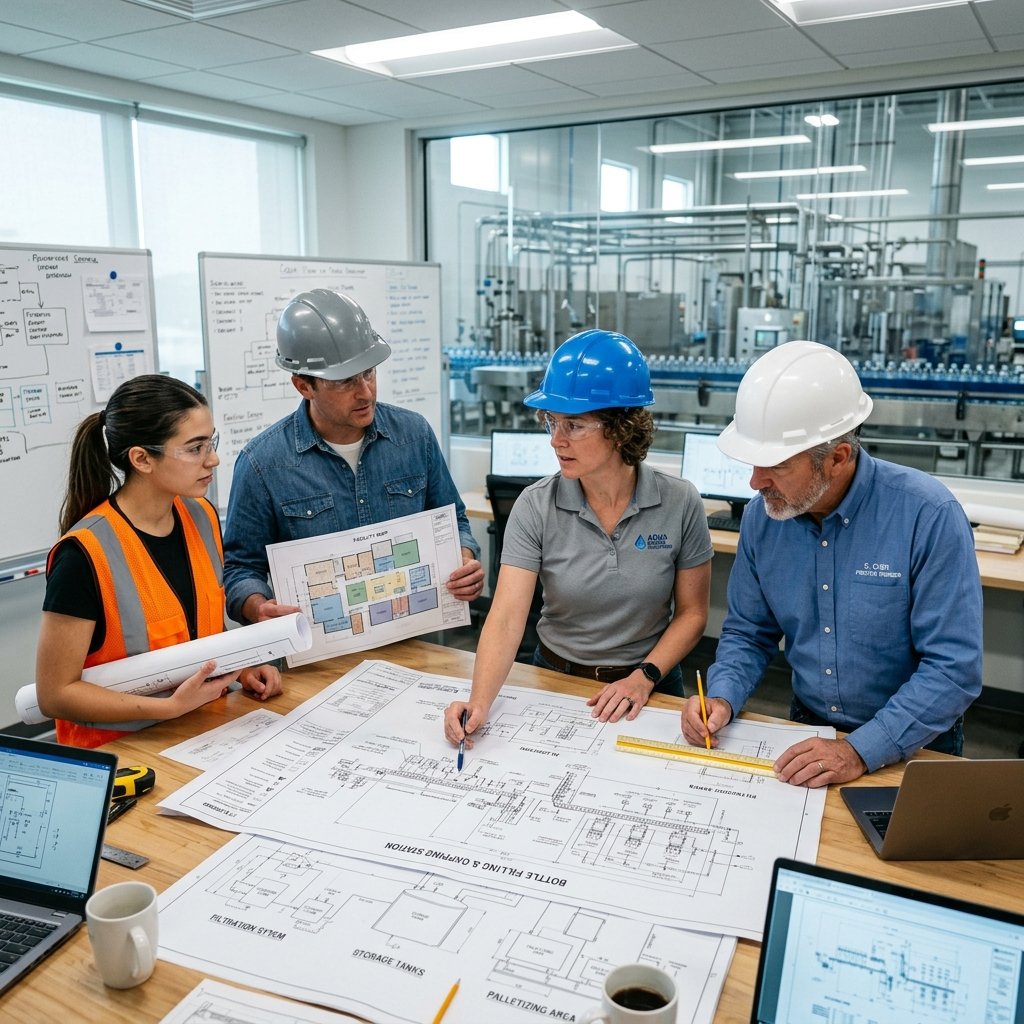
Phase 1: Feasibility and Plant Design
Source water analysis, target capacity, product format, regulatory requirements, and site utilities all of this gets documented before a single machine is specified. The output is a detailed plant layout and capital estimate built around your actual project, not a standard template.
Phase 2: Machinery Selection and Customization
A packaged drinking water plant on coastal brackish groundwater needs a different treatment train than a facility drawing from a certified mineral spring. Equipment is specified after the water chemistry and product targets are defined, not before.
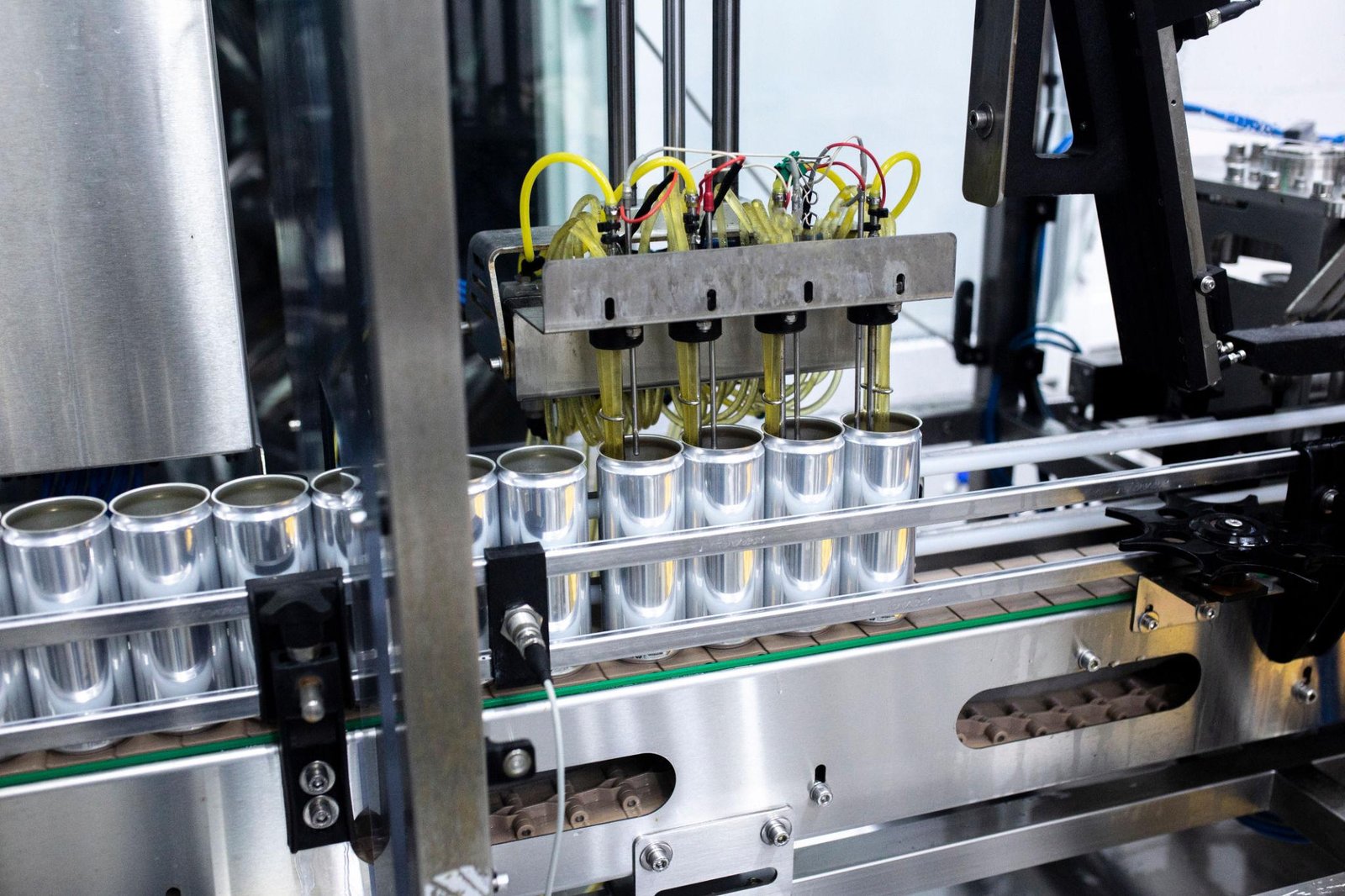
Phase 3: Installation and Commissioning
Installation teams work in parallel with civil contractors to compress the timeline. Commissioning follows a structured protocol: water quality validation, carbonation calibration, fill accuracy testing across formats, and CIP cycle sign off.
Phase 4: Training and Handover
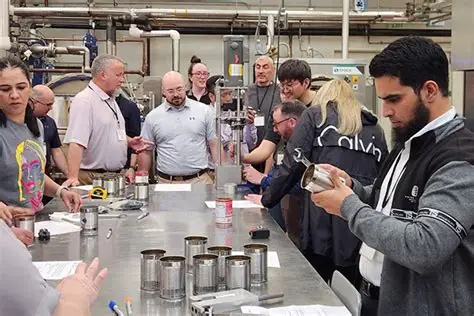
Operators receive hands on training covering equipment operation, sanitation, QC sampling, and fault diagnosis. Line specific maintenance documentation and remote monitoring support are provided through the first months of production.
ExpertAnswerstoSparklingWaterLineQuestions
EmpoweringIndustryLeadersWorldwide












CollaboratingwiththeBestintheIndustry



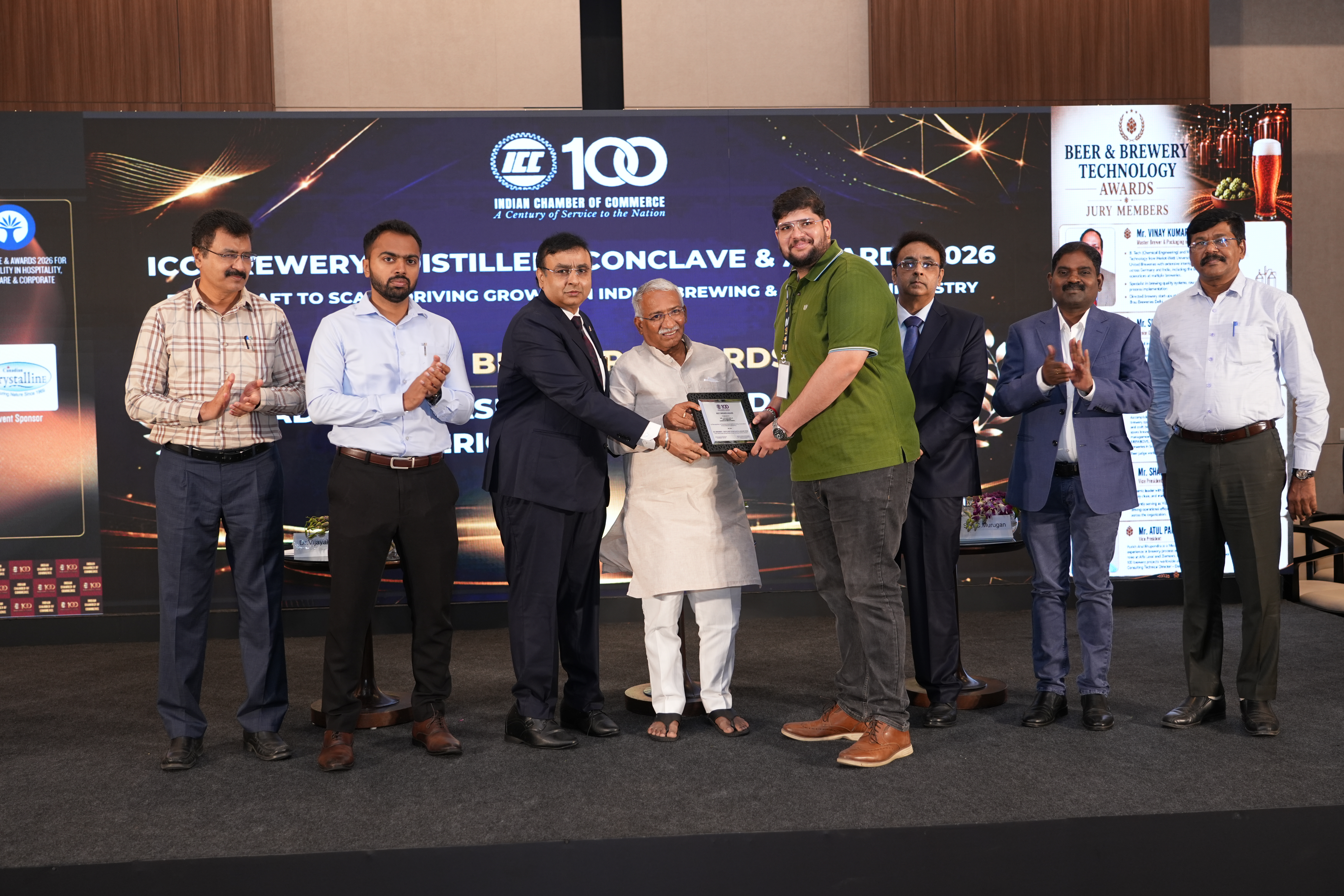
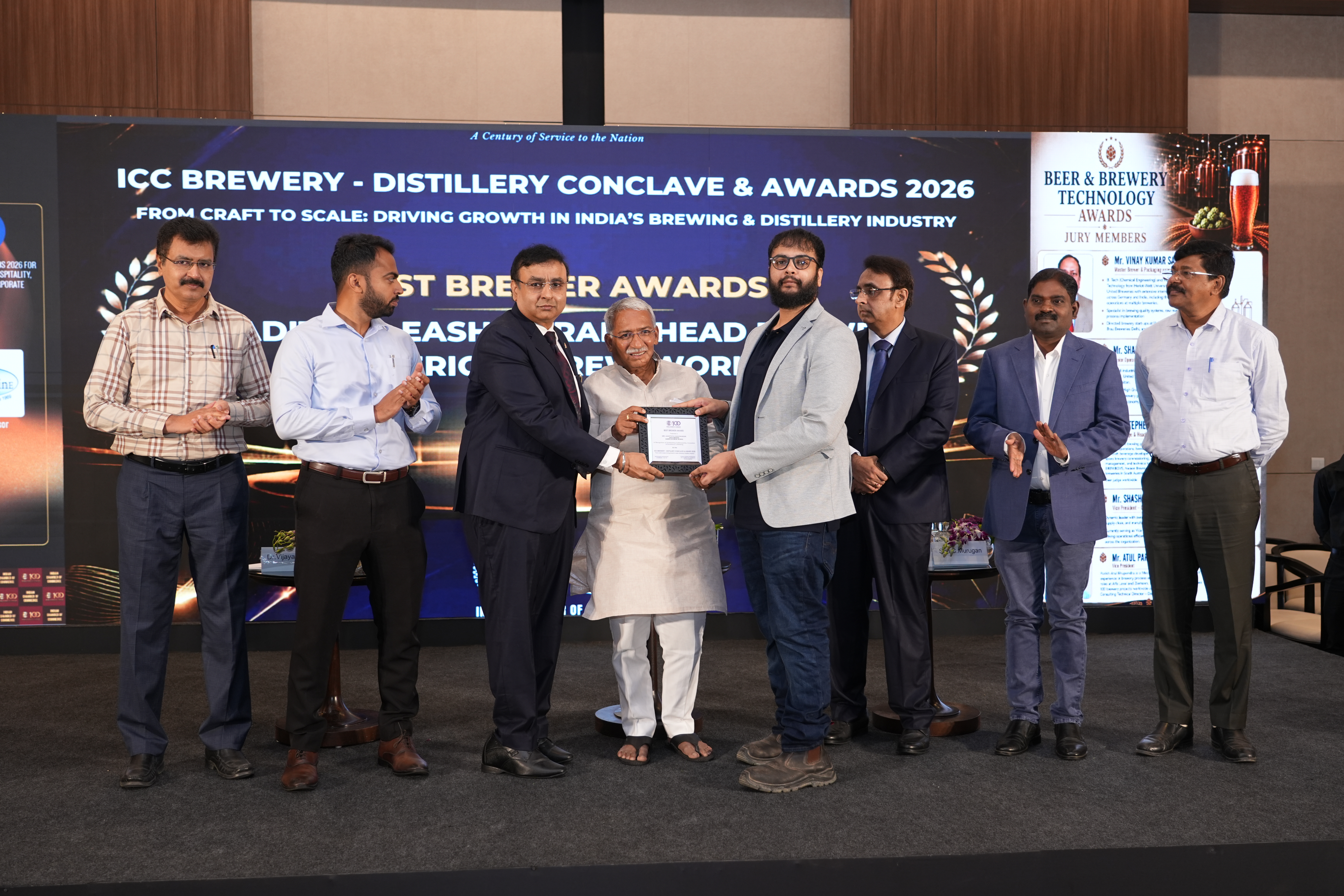
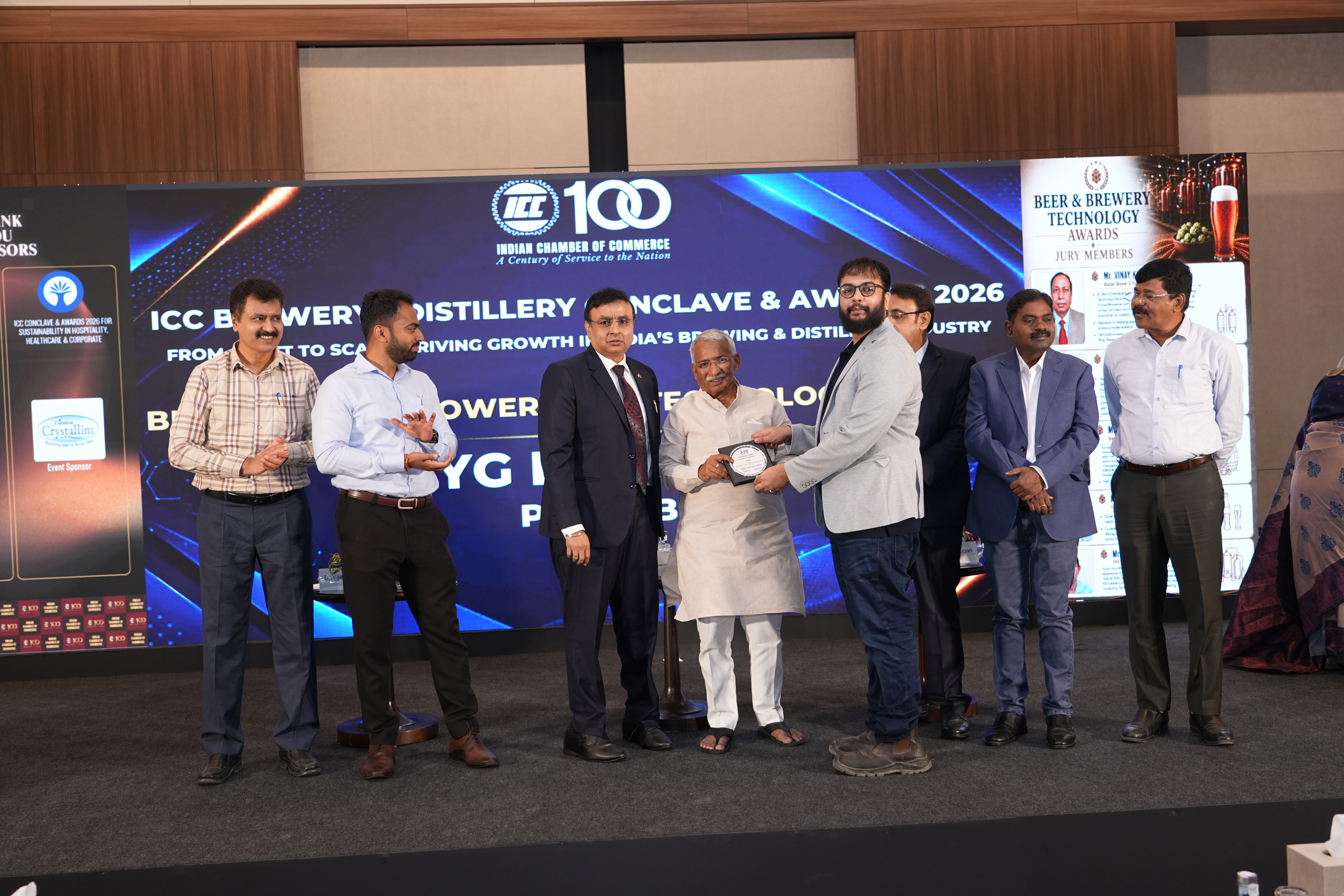
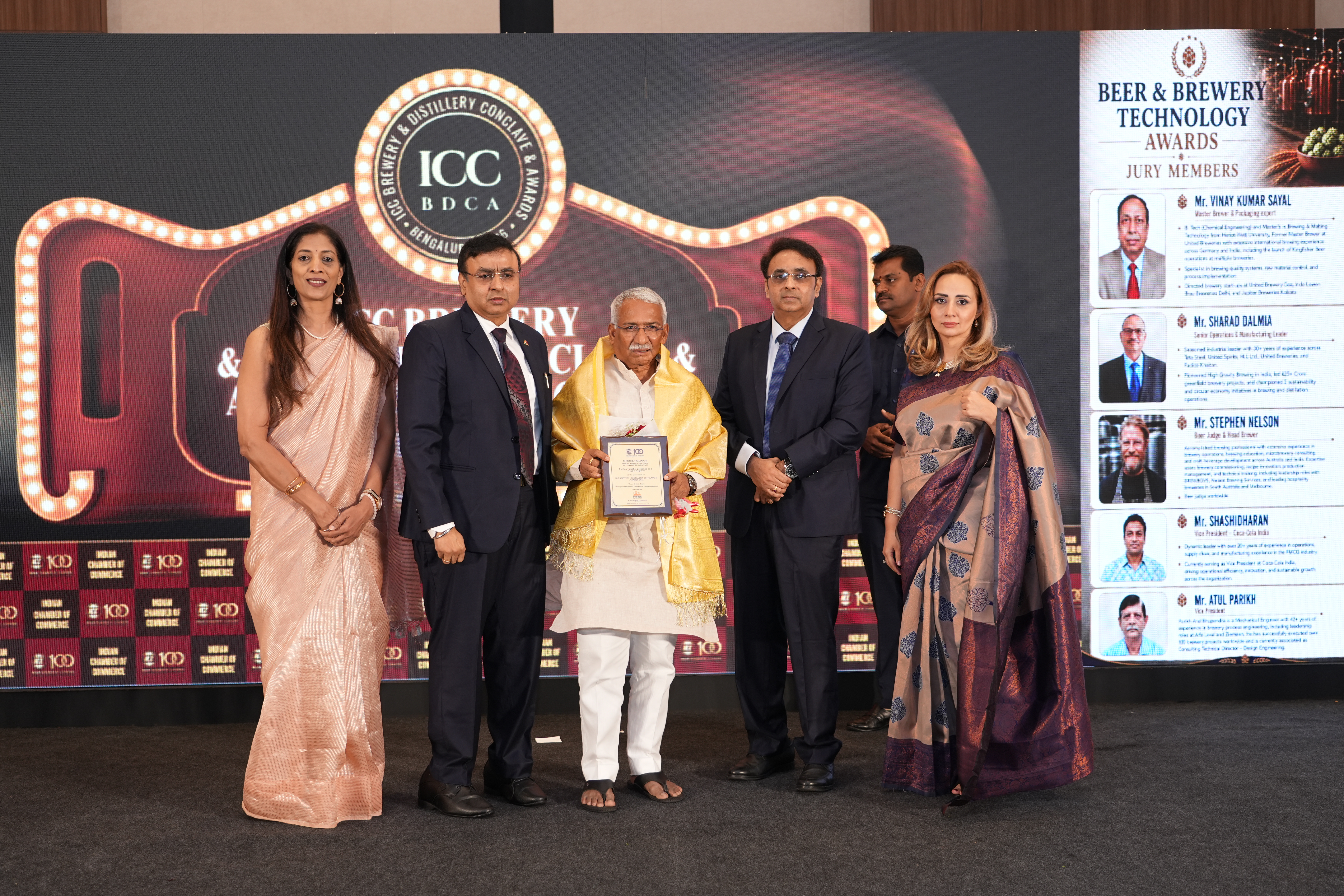
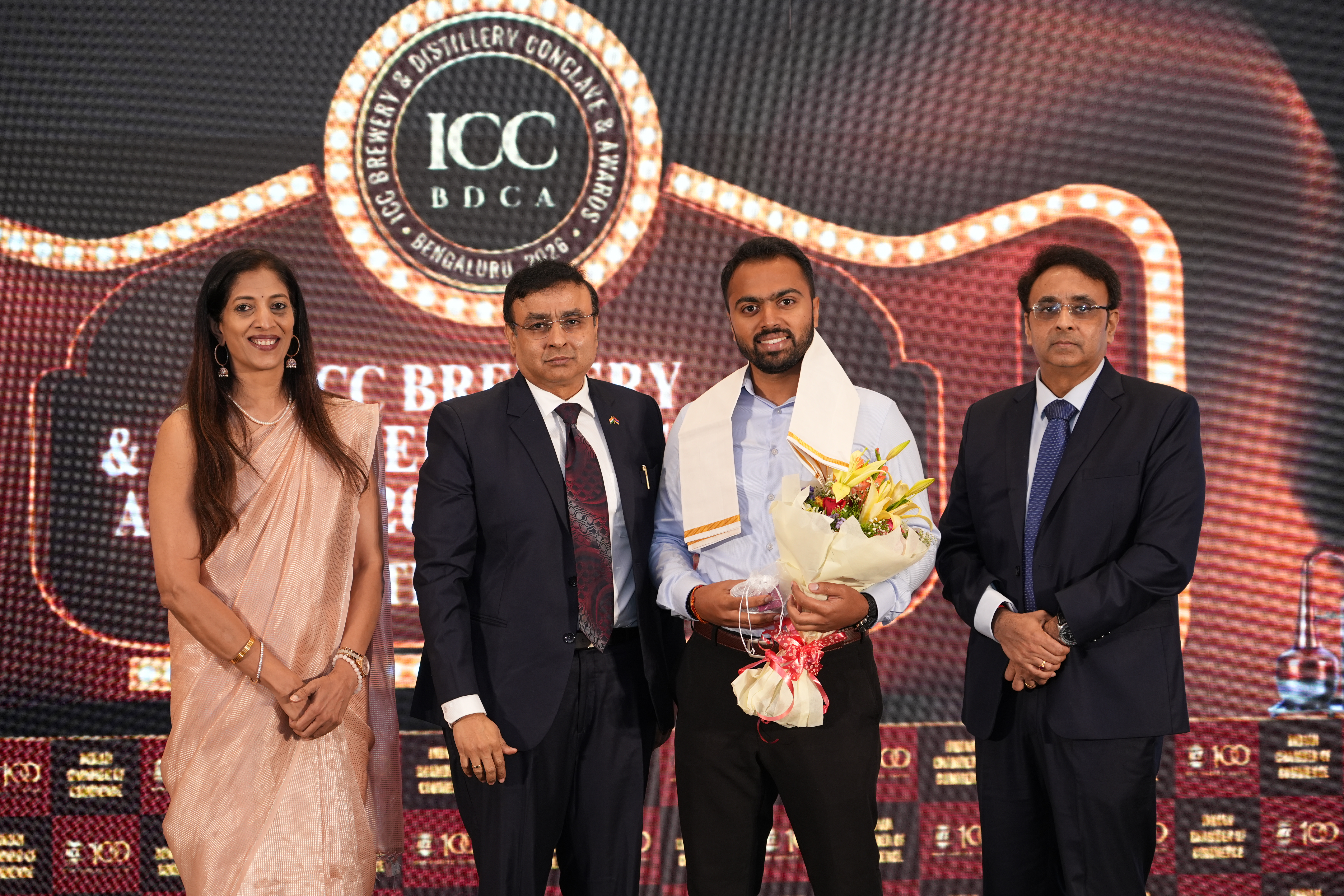
Awards&Achievements
Our relentless pursuit of excellence and innovation has been recognized globally. We take pride in the milestones we've achieved on our journey to transforming the industry.
Let's Discuss Your Packaging Needs
Reach out to our experts to find the perfect packaging solutions tailored for your business. We are here to help you succeed.
Call Us:
+91 93848 06105
Email Us:
info@seppasolutions.com
Location:
No. 7, Parivakkam Road , Chennai - 600 056, Tamilnadu, India.
Request a Quote
Informingyouwithindustryfocusedupdates