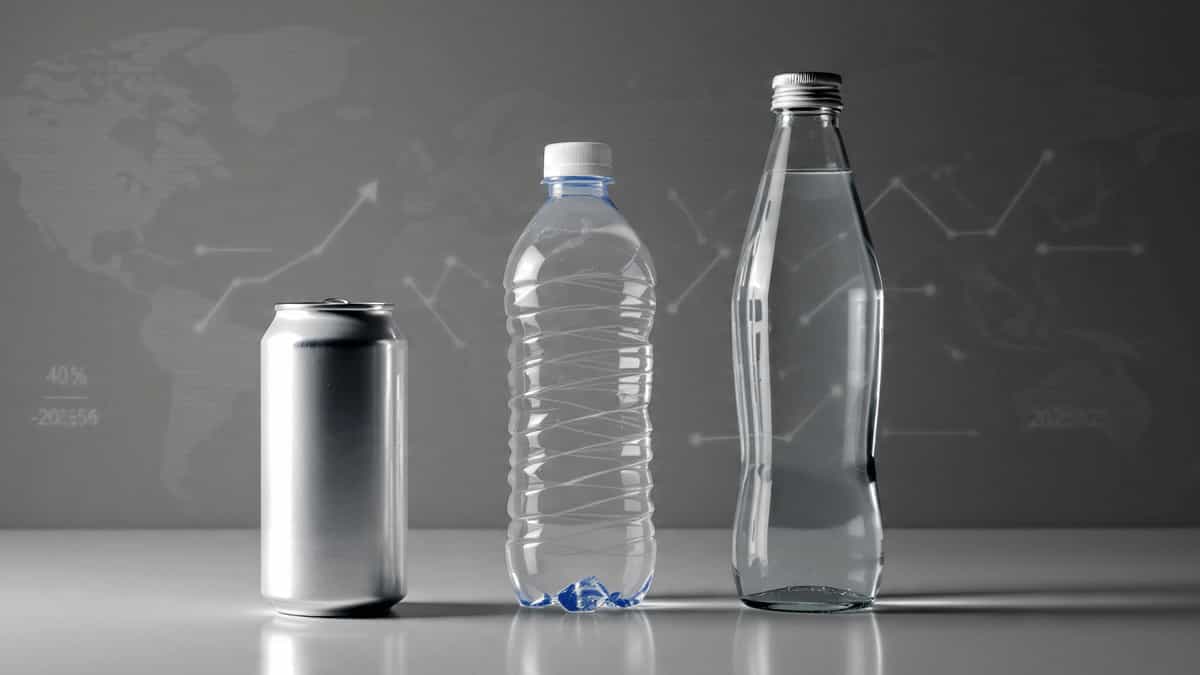
Packaging
PackagingMachineTechnology:EngineeringtheFutureofEnd-of-LineProduction
A packaging machine is rarely the part of a production line that gets the spotlight. The fermenters, the filling stations, the labeling units those get the tours. But ask any plant manager where a line actually breaks, and the answer is almost always the same: the end.
A packaging machine that can't keep pace with everything upstream turns a fast, efficient process into a bottleneck overnight. That's the uncomfortable truth Seppa Solutions has built its business around.
Modern packaging equipment isn't just a box closer anymore. It's the last quality checkpoint before product leaves the building, and in a market where shelf readiness can make or break a brand's first impression, that checkpoint matters more than most people realize. A pack that arrives crushed, mislabeled, or unevenly stacked doesn't just cost a customer it costs trust.
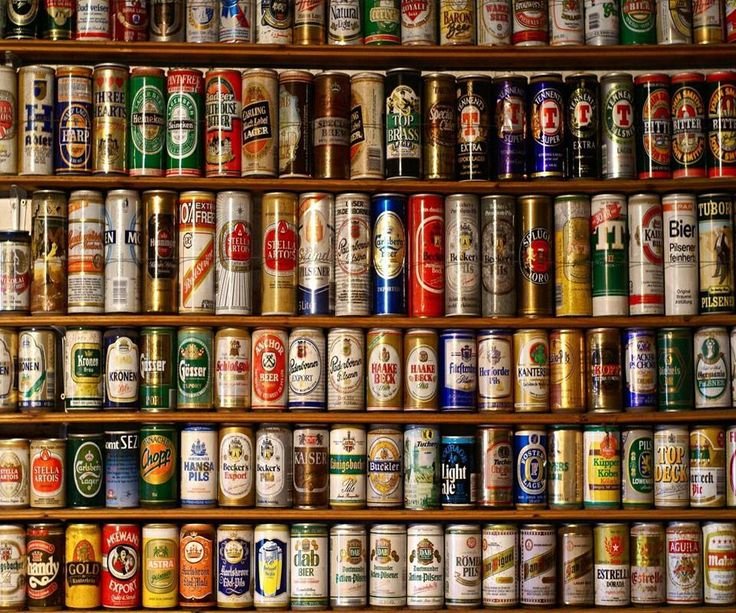
Whythepackagingmachineistheline'srealtest
•Here's the thing about high speed production: upstream stations can run beautifully and still get undone by what happens at the end. Industrial packaging machines exist precisely because manual handling can't keep up with modern throughput demands, and even small inconsistencies compound fast at scale. A single misaligned carton on a line running thousands of units per hour isn't a minor glitch it's lost minutes, lost product, and sometimes a full stoppage.
This is where OEE or how smoothly your line is actually running becomes the one number you really need to watch. It takes your uptime, your speed, and your product quality and bundles them into a single reality check for your floor. Sadly, the end of the line is usually where that number takes a beating.
If your packaging machine is constantly hitting you with tiny micro stops, annoying jams, or minor misfeeds, it quietly bleeds your efficiency dry and those are losses that are incredibly hard to claw back anywhere else in the distillery.
Wherethisactuallygetsused
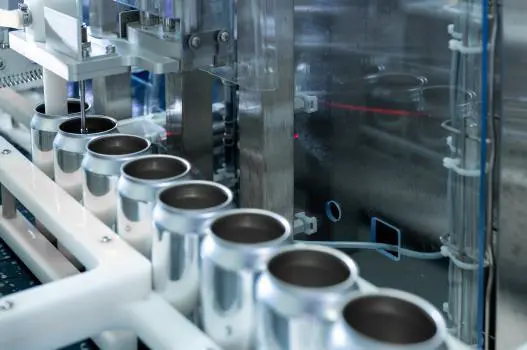
Food grade bundling needs gentle handling and clean in place compatibility; heavy industrial goods need crush resistance and a case packing machine that can build a pallet load that survives a cross-country freight haul without shifting.
That's not a side note it's the actual engineering problem. A packaging machine that's overbuilt for delicate goods wastes money. One that's underbuilt for heavy product fails in the field. Seppa designs the case packing machine and surrounding packaging equipment around what's actually moving through the line, not a generic template.
Whatautomationactuallybuysamanufacturer
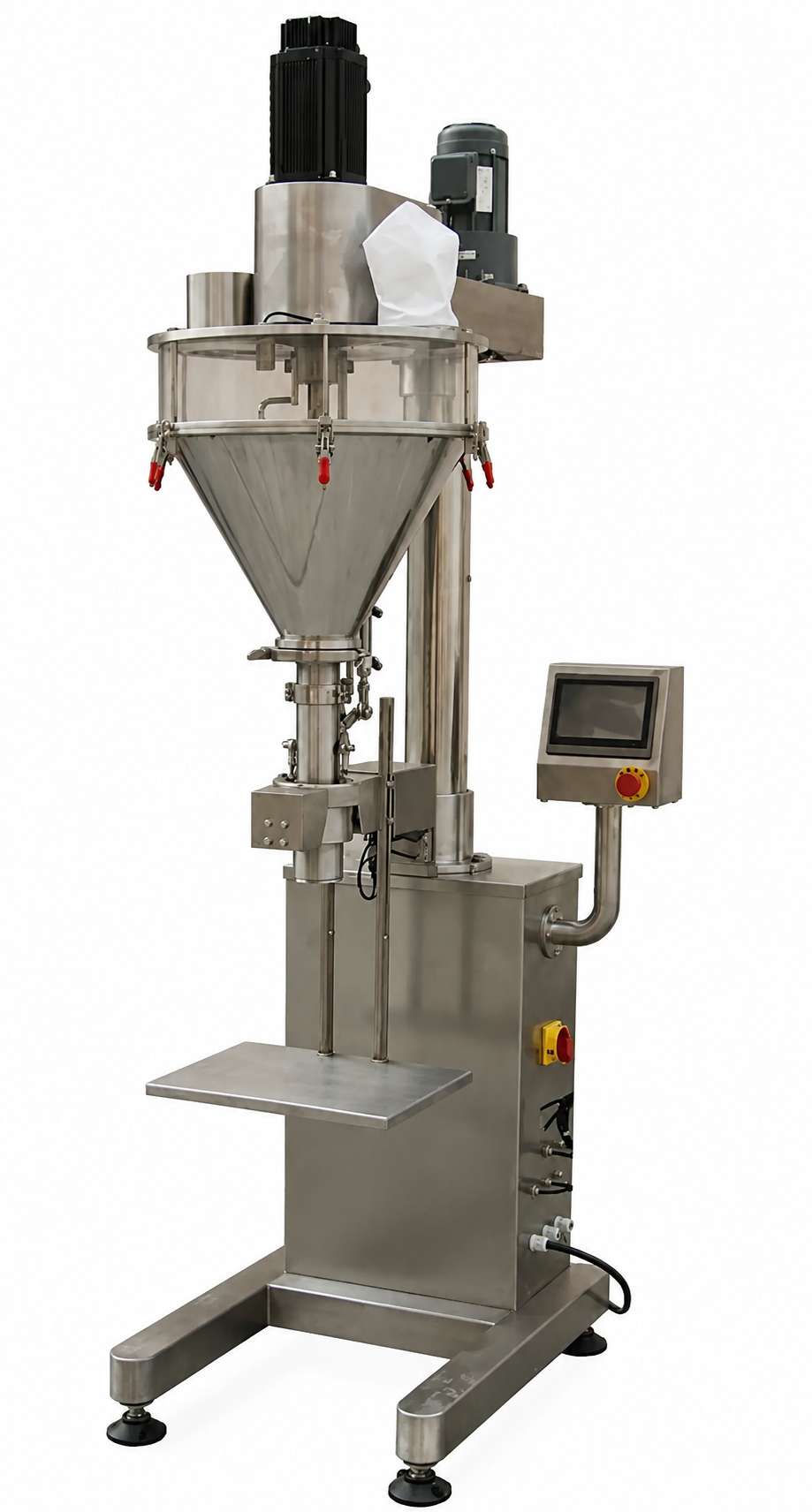
The ROI conversation around automated packaging systems tends to get reduced to "fewer people on the line," but that's a narrow read. Consistent stack quality matters just as much a human packer's accuracy drifts across an 8 hour shift; a properly tuned industrial packaging machines doesn't.
Reduced labour overhead is real, but so is reduced rework, reduced product damage in transit, and fewer customer complaints tied to inconsistent presentation.
Micro-stops are the silent killer of throughput numbers. They're too short to show up as a major outage on a shift report, but they happen often enough to quietly tank OEE over a month. Automated packaging systems, properly synchronized through PLC integration, are designed to minimize exactly that kind of bleed.
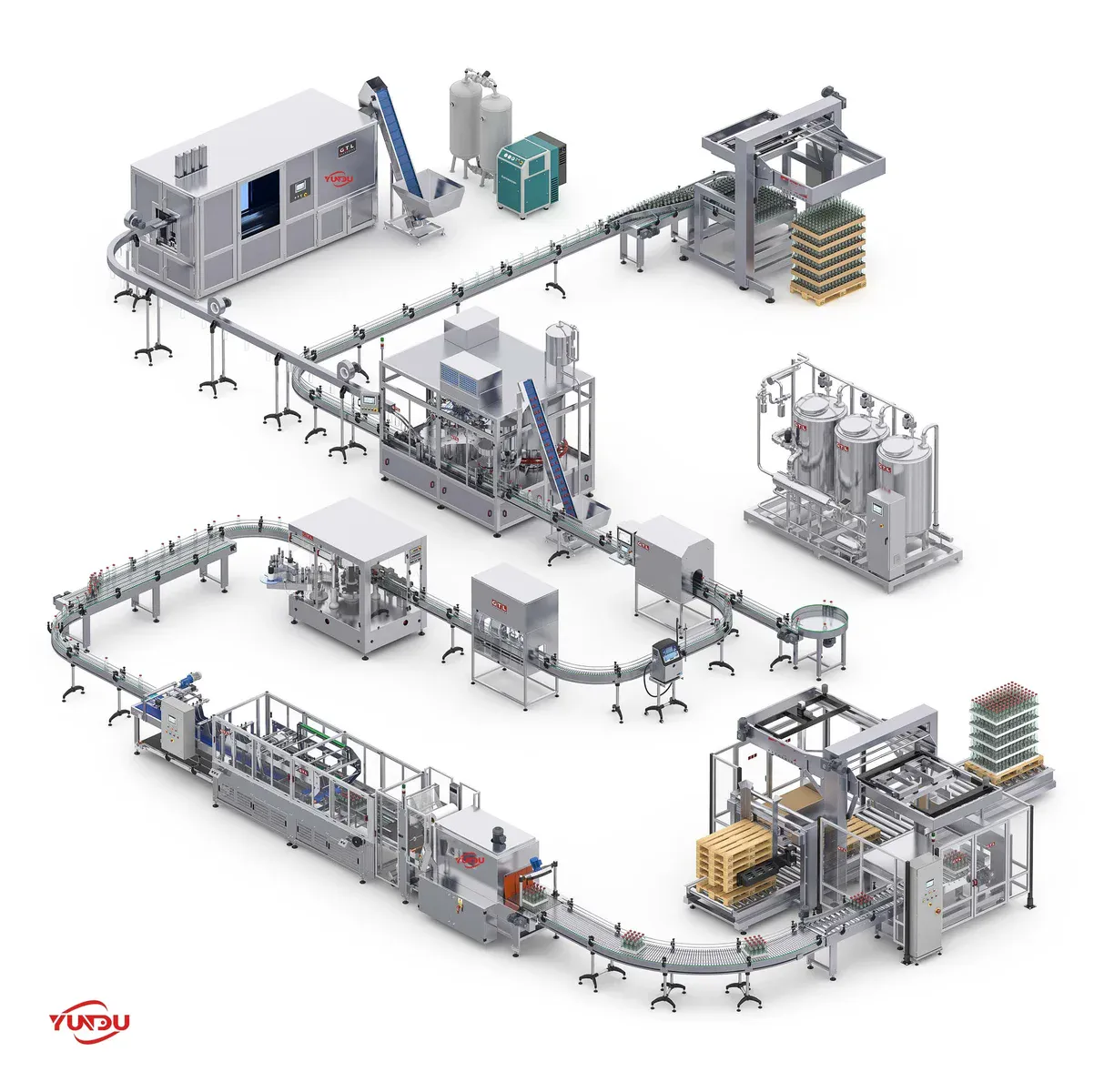
Engineeringunderthehood:whatseparatesagoodpackagingmachinefromagreatone
Precision and integration dictate the success of end-of-line packaging. Our solutions deliver exactly that through the following core engineering features:
Modular Servo-Driven Architecture
Seppa's machines are built around modular, servo driven architecture meaning individual stations can be adjusted, swappe...
PLC and SCADA Integration
Seppa designs for synchronization upstream filling speeds, conveyor timing, and case packing cycles all talking to each...
Intuitive Human-Machine Interface
A well-designed HMI surfaces the handful of things that actually need attention jam location, fault codes, changeover se...
Precision Handling & Material Waste
Every misformed carton, every dropped product, every over applied strip of tape is waste. Tighter tolerances in the indu...
WhymanufacturerskeepcomingbacktoSeppa
We didn't get a reputation among packaging machinery manufacturers by accident. FMCG companies running multi shift, high SKU operations need a partner who understands that an industrial packaging machine has to work at 2 a.m. on the night shift just as reliably as it does during a daytime walkthrough with the plant manager.
Logistics-heavy operations need case packing machine output that survives the supply chain, not just the factory floor. Seppa's engineering history goes back further than packaging machinery manufacturers our roots are in PET blow molding, where precision tolerances aren't optional; they're the difference between a bottle that holds pressure and one that doesn't.
Twenty five years of that kind of exacting work shaped how we think about packaging more broadly. We've carried that same standard into packaging for food and beverage, health and beauty, and pharmaceutical clients, where the package itself often does as much selling as the product inside it.
On a crowded shelf, a package that looks like an afterthought gets passed over; one engineered with intent gets picked up. That's not a marketing slogan it's a measurable effect on a brand's bottom line, and it's part of why we treat packaging design as inseparable from the packaging machine that produces it.
PackagingMethodology&IntegrationProcess
We follow a structured deployment model for end-of-line packaging lines.
Site Specific Throughput Analysis
It starts with an honest look at what the line can actually move and where the current constraints sit. From there, the packaging equipment gets selected or customized to match that reality.
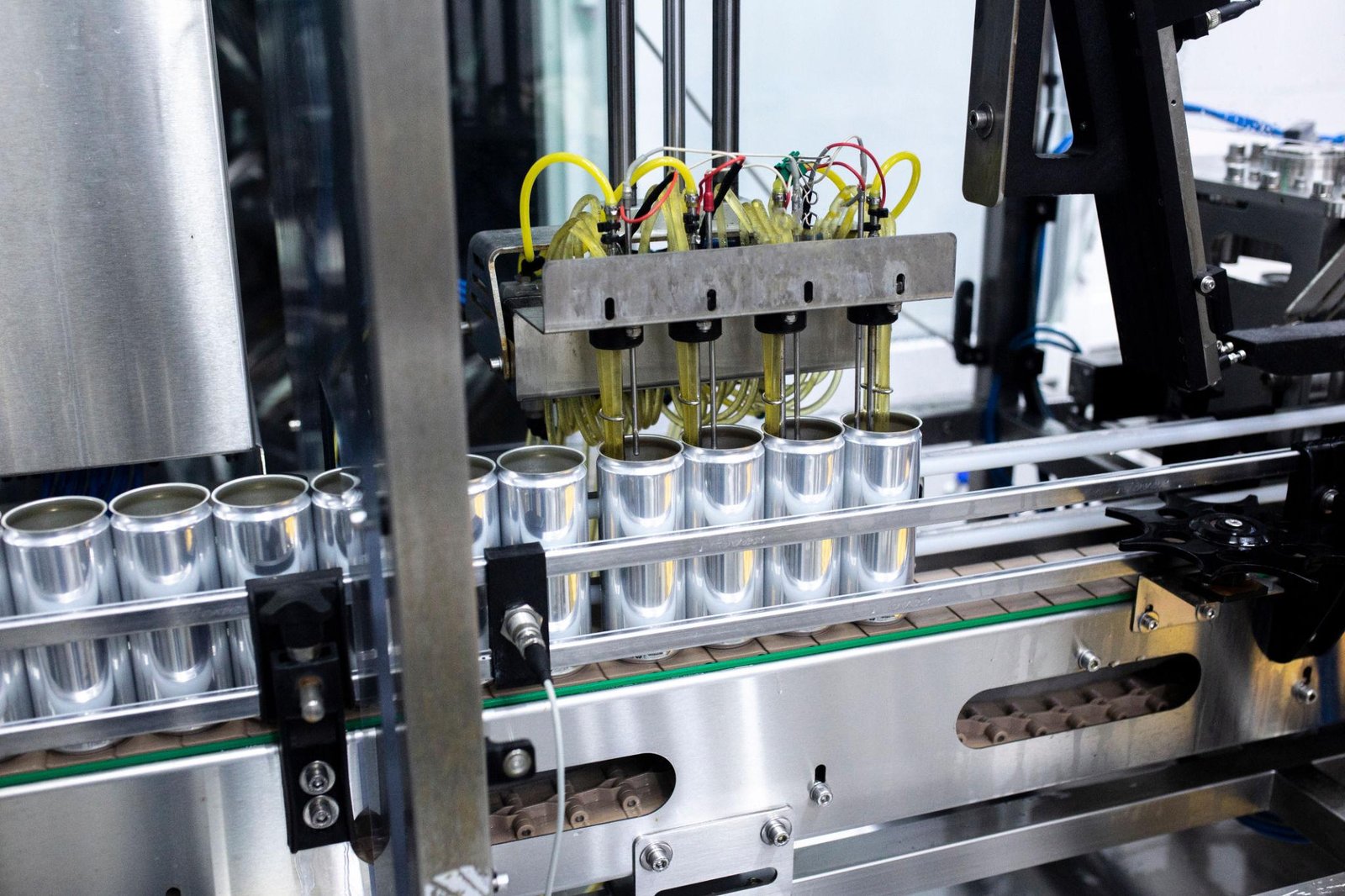
PLC Integration
Syncing the new automated packaging systems into existing line controls. Conveyor timing and case packing cycles all talk to each other in real time.
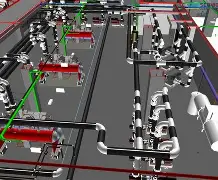
High Speed Testing
High speed testing of the case packing machine interface, run under conditions that mimic actual production load, not idealized lab conditions.
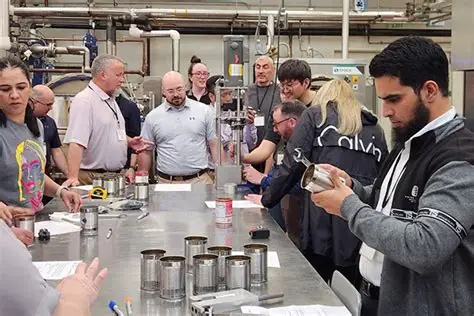
Full Line Validation
Full line validation closes the loop, confirming the whole system not just the new equipment in isolation performs at the throughput it was designed for.
Conclusion: A modern packaging machine is a crucial part of any high-performance production line. It determines not only end-of-line speeds, but also product quality, efficiency, and operational safety. With modular design, intelligent controls, and complete integration, Seppa builds packaging systems that give manufacturers long-term production security and flexible scale options.
FrequentlyAskedQuestions
EmpoweringIndustryLeadersWorldwide















CollaboratingwiththeBestintheIndustry



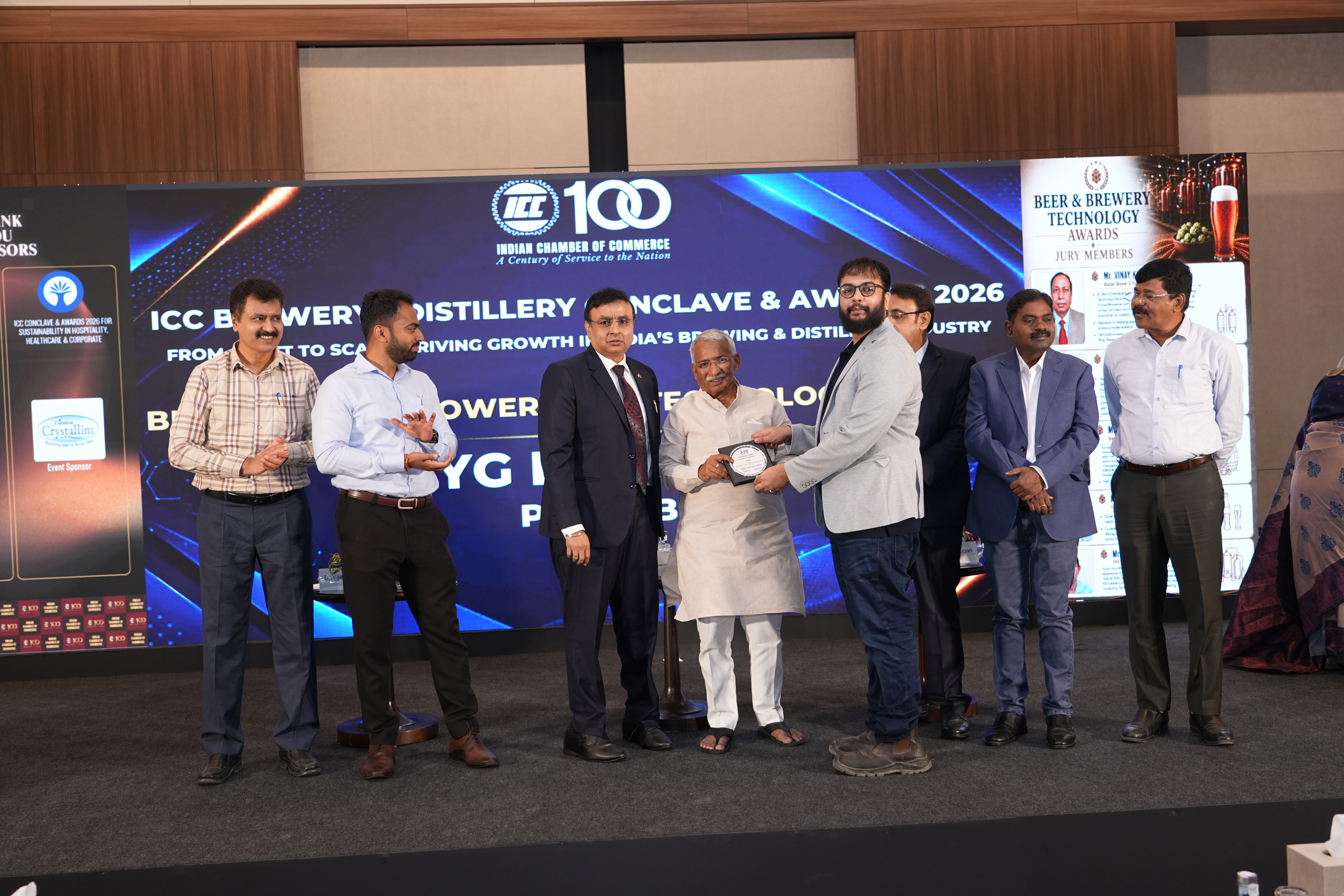
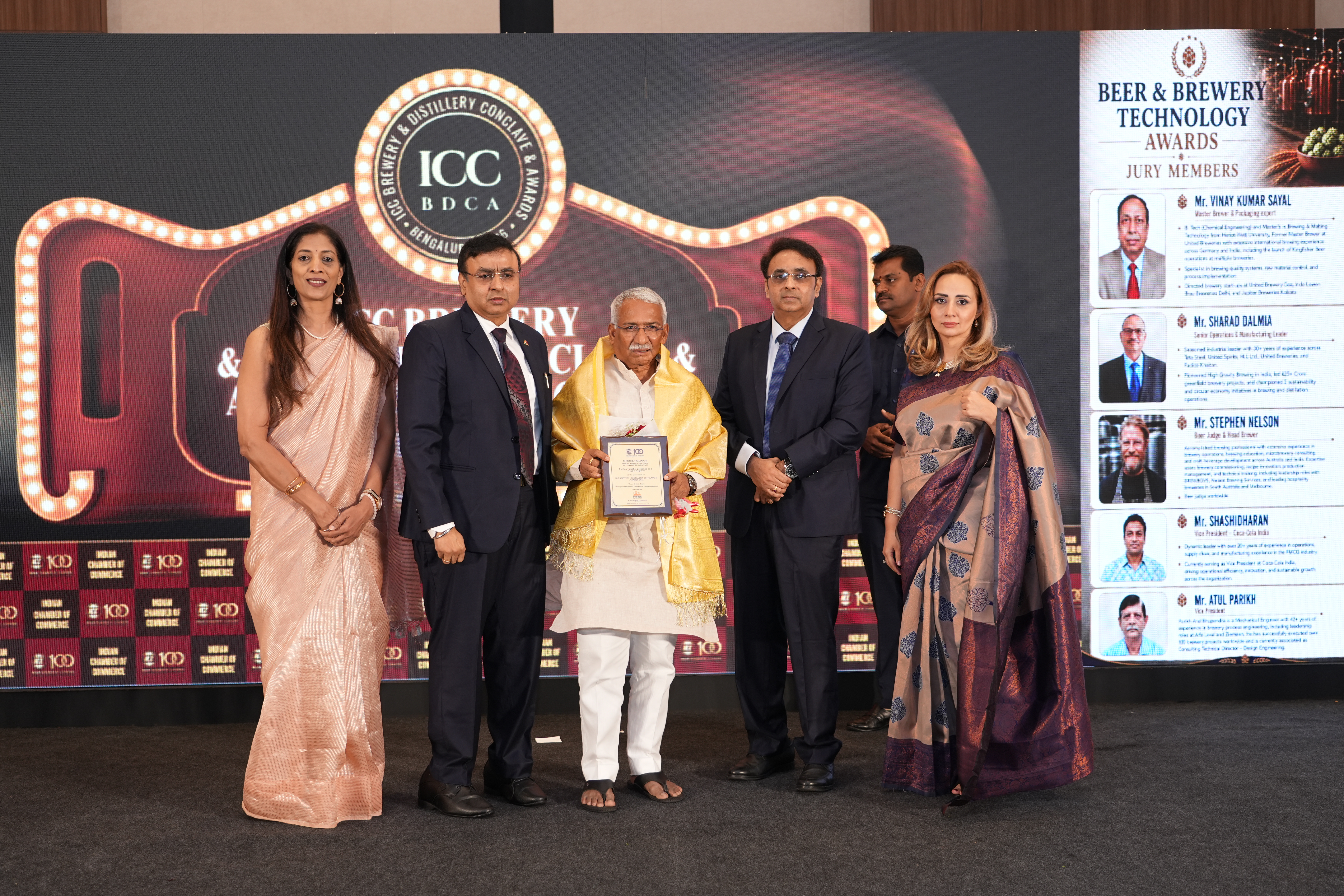
Awards&Achievements
Our relentless pursuit of excellence and innovation has been recognized globally. We take pride in the milestones we've achieved on our journey to transforming the industry.



Let's Discuss Your Packaging Needs
Reach out to our experts to find the perfect packaging solutions tailored for your business. We are here to help you succeed.
Call Us:
+91 93848 06105
Email Us:
info@seppasolutions.com
Location:
No. 7, Parivakkam Road , Chennai - 600 056, Tamilnadu, India.
Request a Quote
Informingyouwithindustryfocusedupdates