Processing Equipment
SEPPA Processing Equipment: Built for Industrial Scale Output
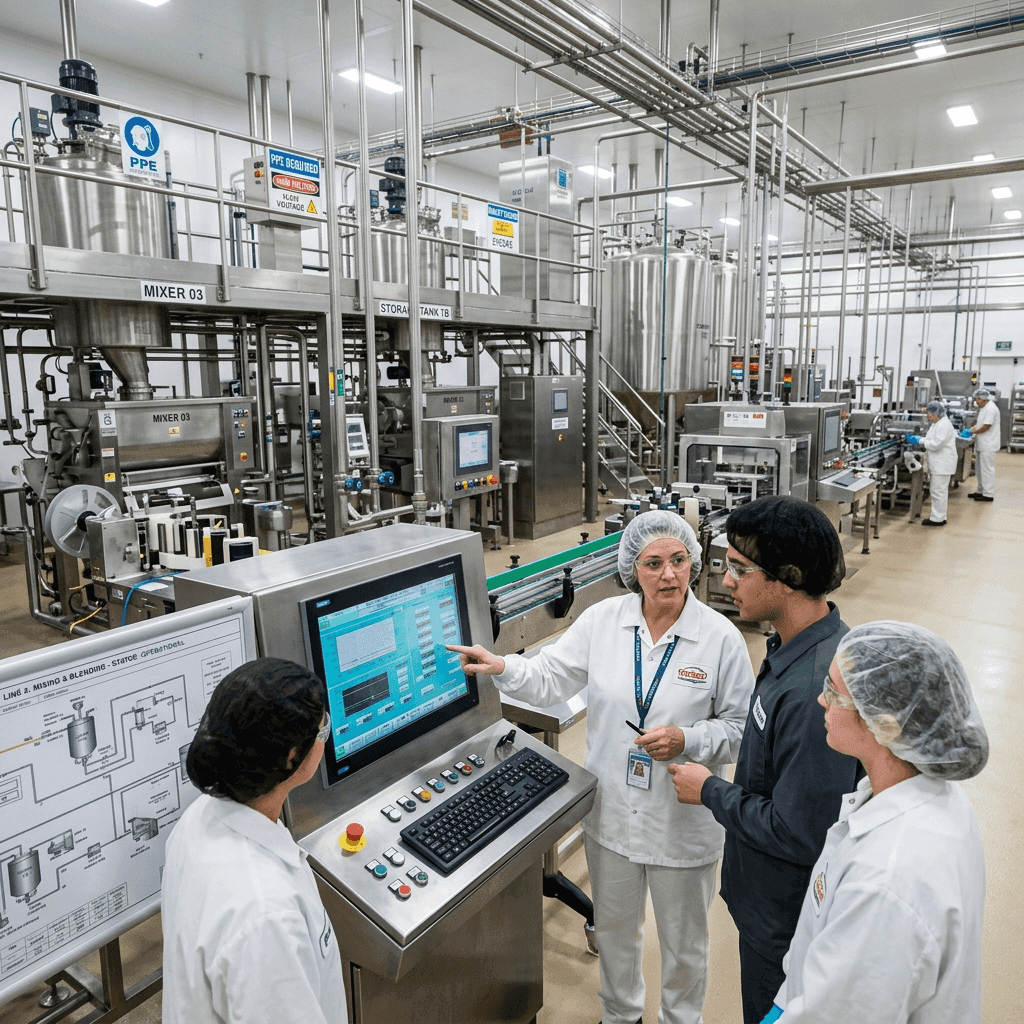
There is a version of beverage and food manufacturing where things go wrong slowly inconsistent extraction yields, unexpected downtime, batches that miss quality specs by just enough to hurt. Most of the time, the processing equipment’s are the reason. Not operator error. Not raw material variance. The processing equipment’s themselves.
SEPPA Solutions was built around one belief: the engineering decisions made at the system design stage determine everything downstream. The thermal tolerances you specify, the hygienic surface finishes you require, the control architecture you integrate from day one these are not details. They are your quality floor. Our processing equipment’s are designed to set that floor high and hold it there, cycle after cycle, across every production shift.
When manufacturers invest in the right processing equipment’s from the start, they are not just buying steel and motors. They are buying consistent product character, auditable process control, and a production system that does not quietly degrade over three years. That distinction matters more than most buyers realise until they have experienced both.
Types of Processing Equipment We Offer
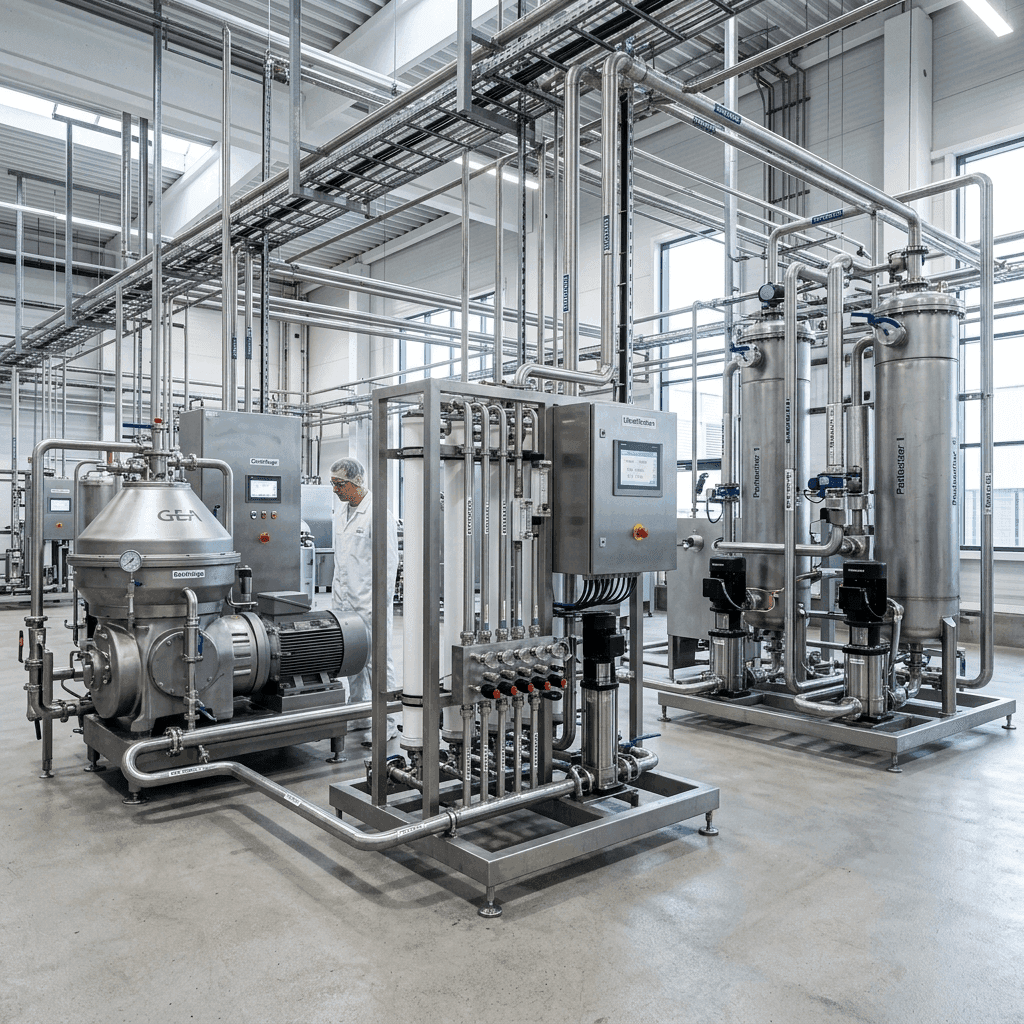
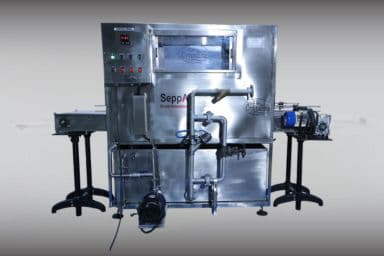
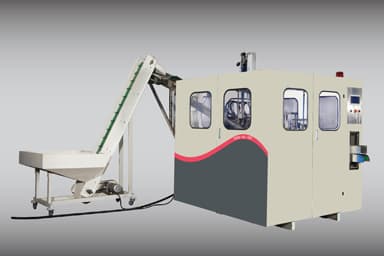
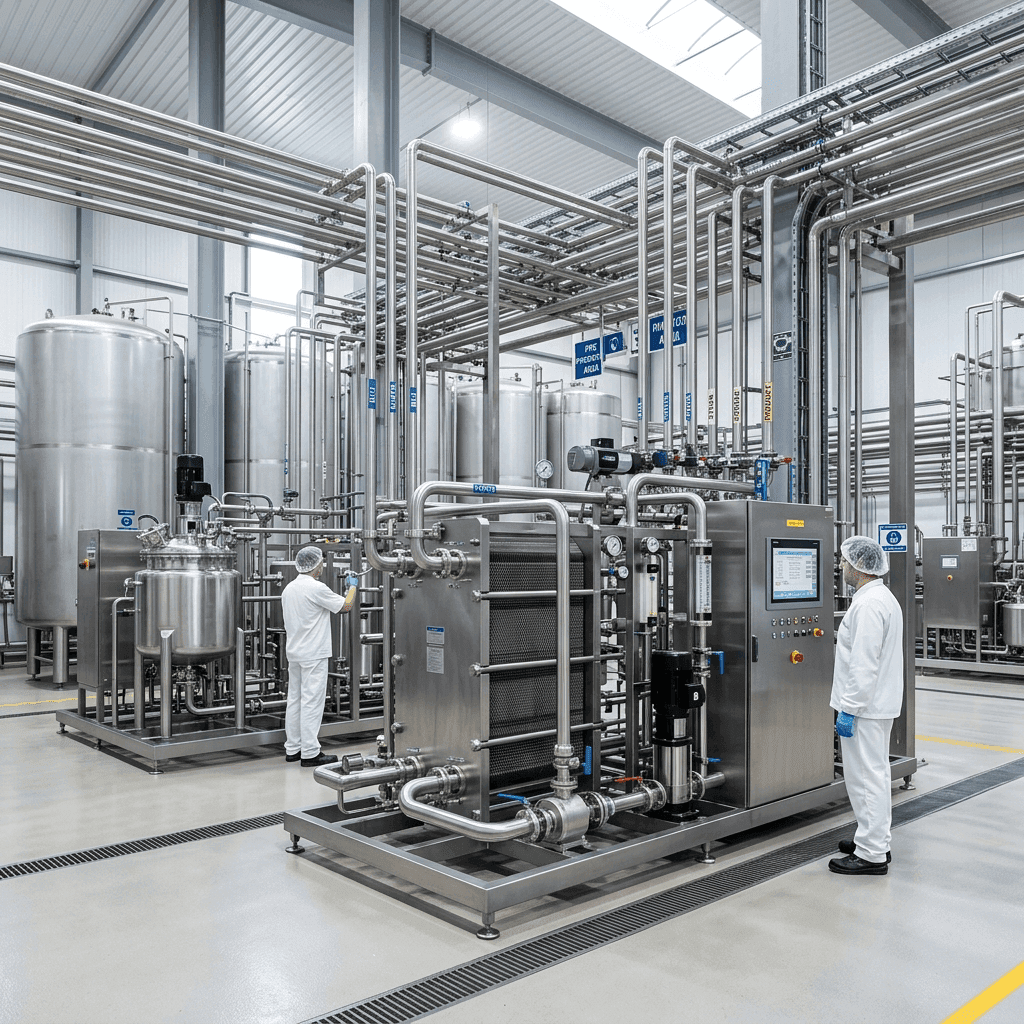
SEPPA's product range covers the full extraction to packaging continuum. For liquid processing equipment, we supply centrifugal and membrane filtration units capable of handling viscosities from light beverages to dense fruit concentrates. Our thermal treatment stations including plate heat exchangers and tubular pasteurizers achieve +0.5°C temperature accuracy across continuous flow volumes up to 50,000 litres per hour.
Our concentration systems use falling film evaporation, which recovers more than 85% of thermal energy through multi effect configurations. Extraction units are available in both counter current and co current configurations, depending on the solute sensitivity of your raw material.
The result is a complete processing capability that spans extraction, thermal treatment, concentration, filtration, and deaeration all engineered as an integrated system rather than a collection of standalone machines. Whether your plant handles fruit juices, dairy, herbal extracts, or fermented beverages, the system fits without forcing you to compromise on throughput.
We also supply food processing equipment for solid liquid separation, homogenisation, and deaeration steps that most manufacturers treat as afterthoughts but which quietly determine shelf life, texture, and microbial load. Every food processing equipment unit we supply is designed to operate as part of a broader process, not in isolation.
Automation and Process Control Integration
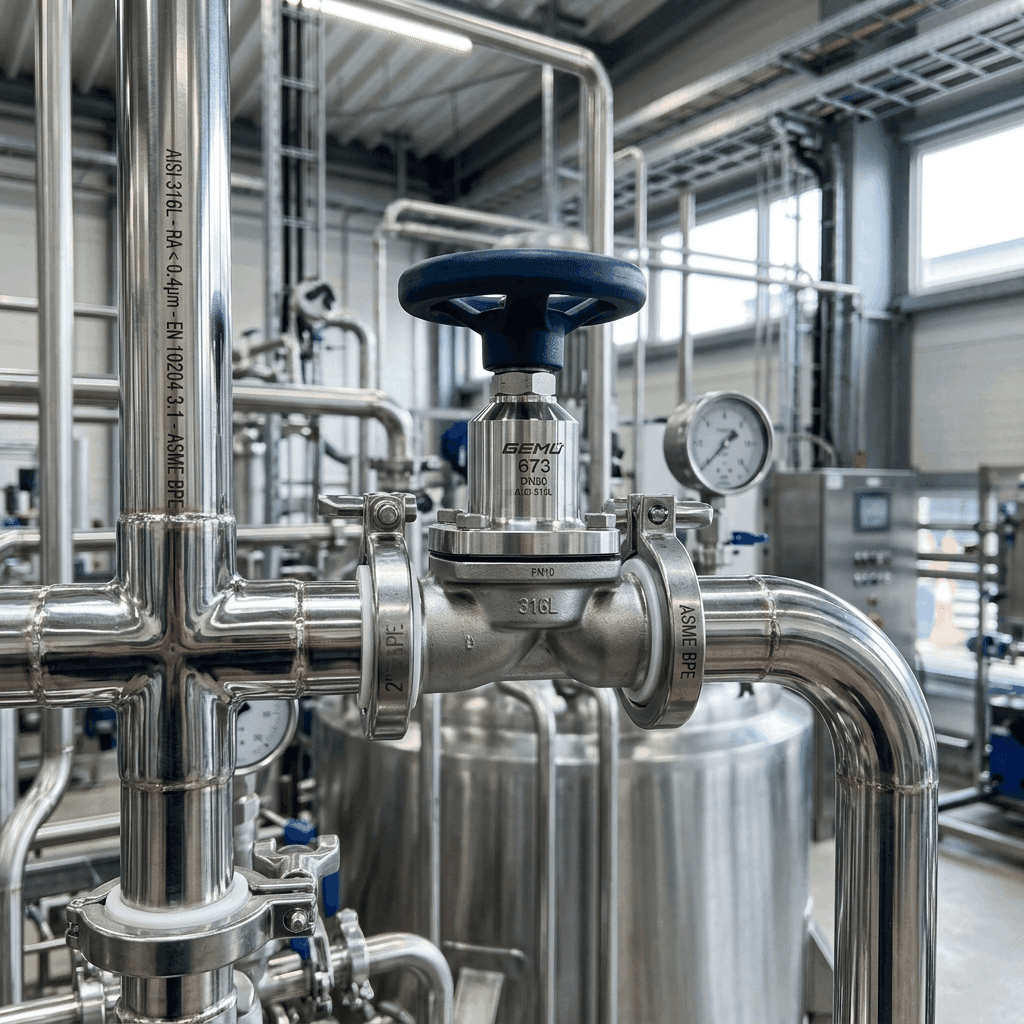
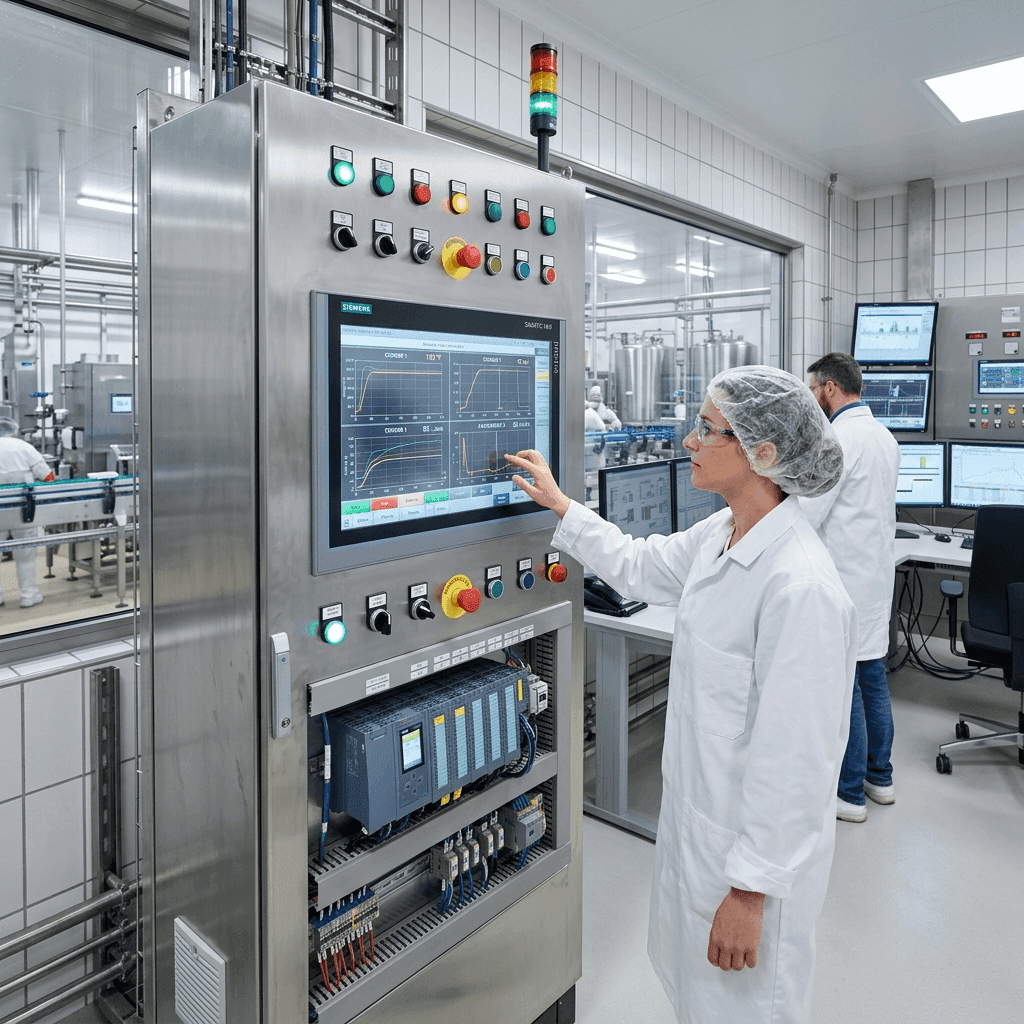
SEPPA integrates Siemens S7 and Allen Bradley PLC platforms as standard, with open OPC-UA protocols for connectivity to any SCADA or MES layer the customer already runs. Our liquid processing equipment ships with pre configured PID loops for temperature, flow, and pressure tested and tuned before installation, not during commissioning.
The HMI shows real time trends for every process variable, with configurable alarm thresholds and automatic batch records stored in a SQL database. Regulatory compliance FDA 21 CFR Part 11, for example is handled through audit trail logging and electronic signature workflows built into the software.
Predictive maintenance is not a marketing phrase in our processing equipment's. Vibration sensors on all pump housings and CIP skids feed into a condition monitoring module that flags bearing wear 3–6 weeks before failure, based on frequency domain analysis. On average, customers using this feature see unplanned downtime drop by 60–70% within the first year. That alone changes the economics of running complex liquid processing equipment at scale.
Quality, Hygiene, and Safety Standards
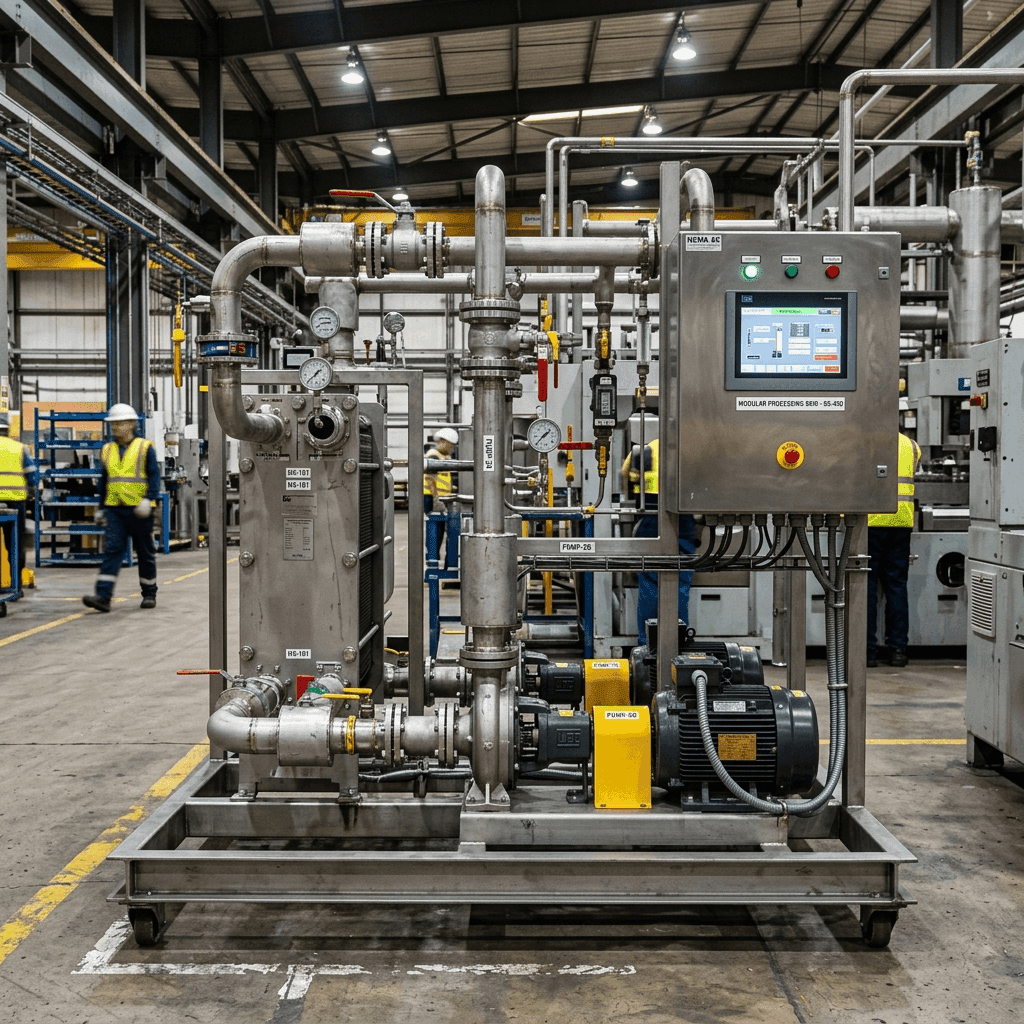
Our food processing equipment is designed to EHEDG Type EL Asept Class I and 3 A Sanitary Standards both of which specify geometry, surface finish, and drainage criteria that prevent contamination under real production conditions, not just in test labs.
CIP circuits are fully automated and validated. Cleaning cycles are documented with conductivity and temperature logging, so every clean is auditable. This matters if you are supplying retailers or food service customers who require FSSC 22000 or BRC certification the evidence comes out of the system automatically.
Pressure relief devices, interlocked access panels, and ATEX rated electrical components in solvent handling zones are standard. The complete processing system is CE marked and comes with full technical documentation for IQ and OQ protocols. Processing equipment's of this specification do not just protect the product they protect the people operating them.
Key Features of Our Processing Systems
Materials and Surface Standards
Every wetted surface in our liquid processing equipment is fabricated from AISI 316L stainless steel with electropolishe...
Modular Design Logic
Our processing machinery uses a skid based modular architecture. A pilot scale 500 L/h unit can be upgraded to 5,000 L/h...
Energy Efficiency
Across our installed base, customers running our processing machinery report 18–25% lower energy consumption compared wi...
Water & Water Sparkling
SEPPA's processing equipment includes carbonators, saturators, and deaerators rated for capacities from 1,000 L/h throug... READ MORE
Why Choose SEPPA Solutions for Processing Equipment?
SEPPA Solutions delivers end-to-end processing systems engineered for absolute reliability, maximum yield, and uncompromised hygiene.
We do not supply off-the-shelf catalog units. Every processing line—from thermal treatment to filtration—is custom-engineered following a rigorous site audit. We account for your specific raw materials, utility constraints, and throughput targets to guarantee performance before metal is even cut.
Our systems are built on a foundation of industrial-grade durability and modularity. By integrating top-tier components and an open-architecture automation framework, we ensure that your initial capital investment scales seamlessly alongside your business growth, eliminating premature obsolescence.
Post-installation support is integrated directly into our supply model. With comprehensive IQ/OQ documentation, on-site sterile commissioning, and advanced remote diagnostic capabilities, we ensure your processing plant operates at peak Overall Equipment Effectiveness (OEE) from day one.
How SEPPA Designs and Builds Processing Equipment
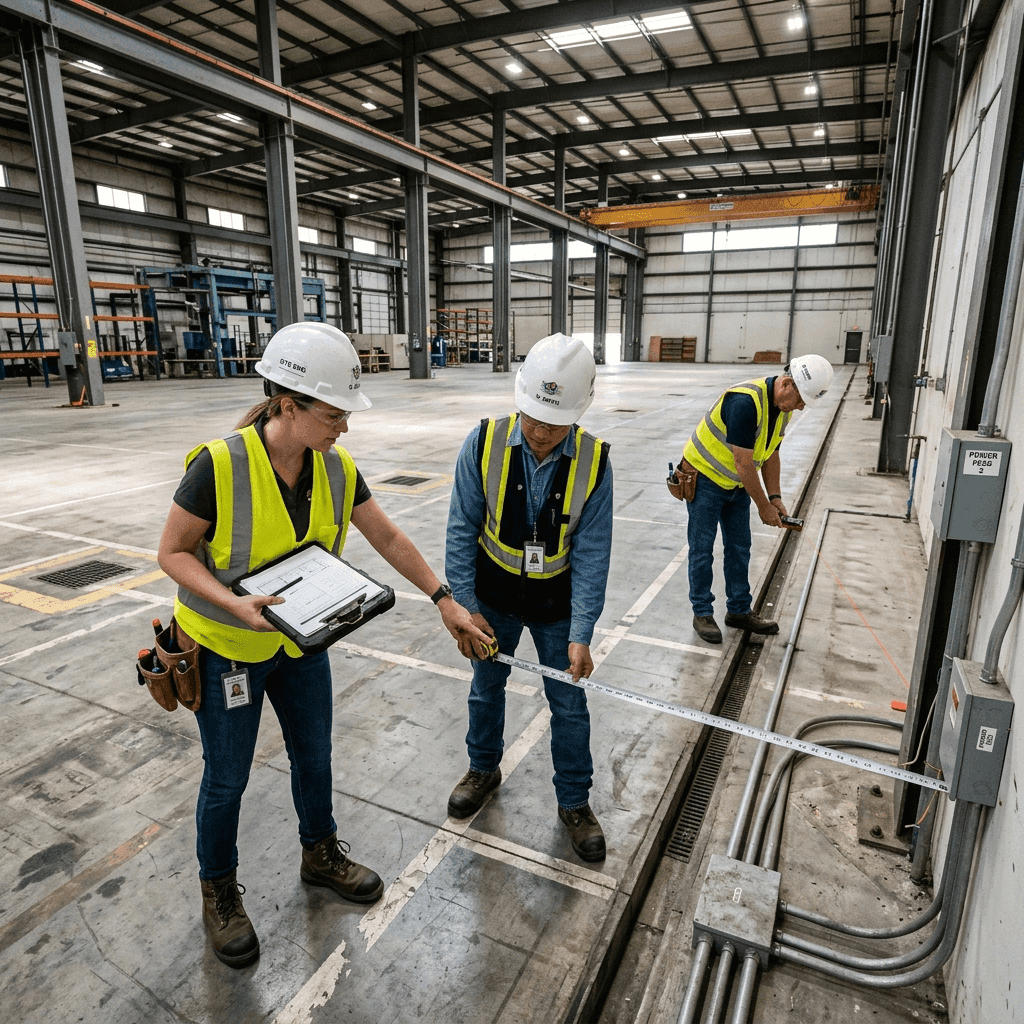
Site Audit
The process starts with a site audit. Engineers walk the facility, measure available utilities steam, chilled water, compressed air, drainage gradients review the raw material specifications, and benchmark existing yield data. From there, the team produces a process flow diagram and a P&ID, reviewed and signed off before any fabrication begins.
Modelling & Design
CAD models of all processing machinery are generated in SolidWorks, and critical weld joints are stress modelled before cutting steel.
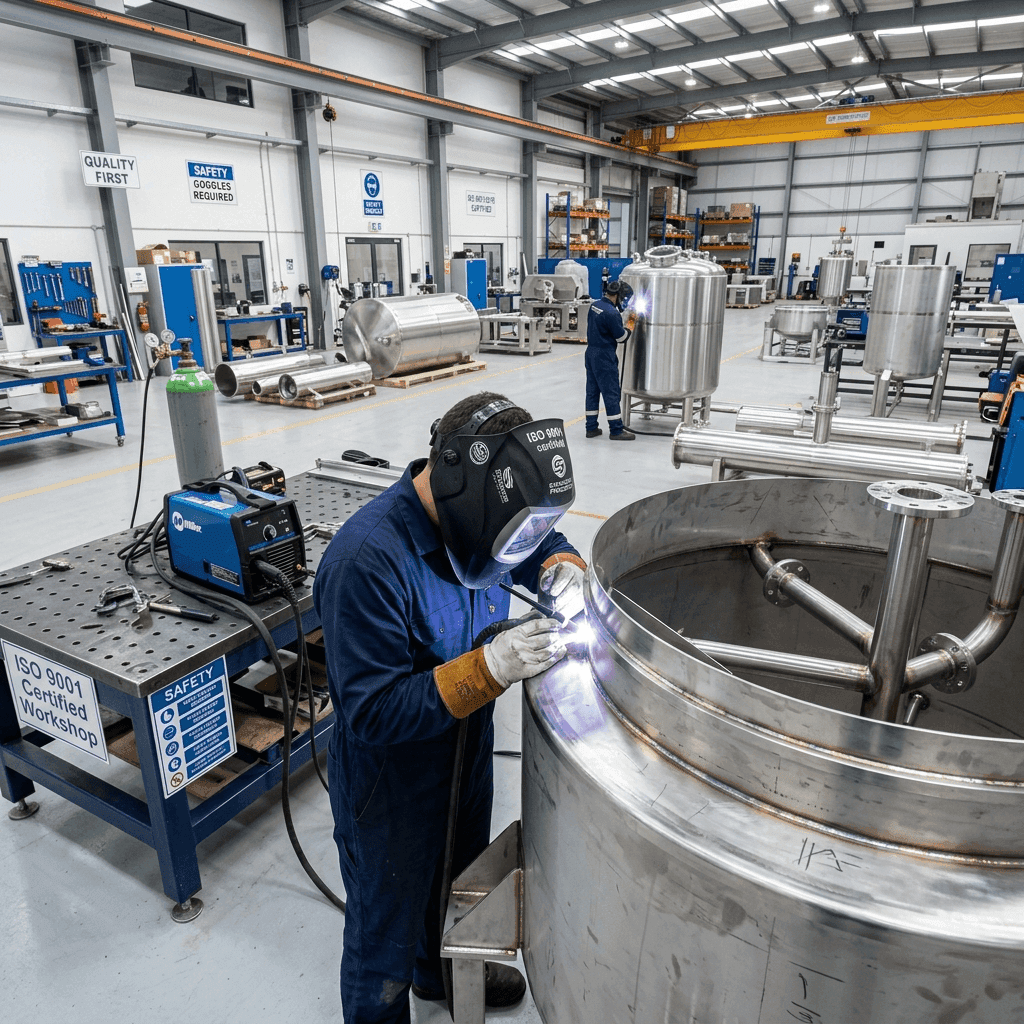
Fabrication & Acceptance
Fabrication happens in our ISO 9001:2015 certified workshop. After pressure testing, each liquid processing equipment skid goes through Factory Acceptance Testing running on water or a product simulant against every performance specification in the purchase order. We will not ship processing equipment’s that have not passed FAT.
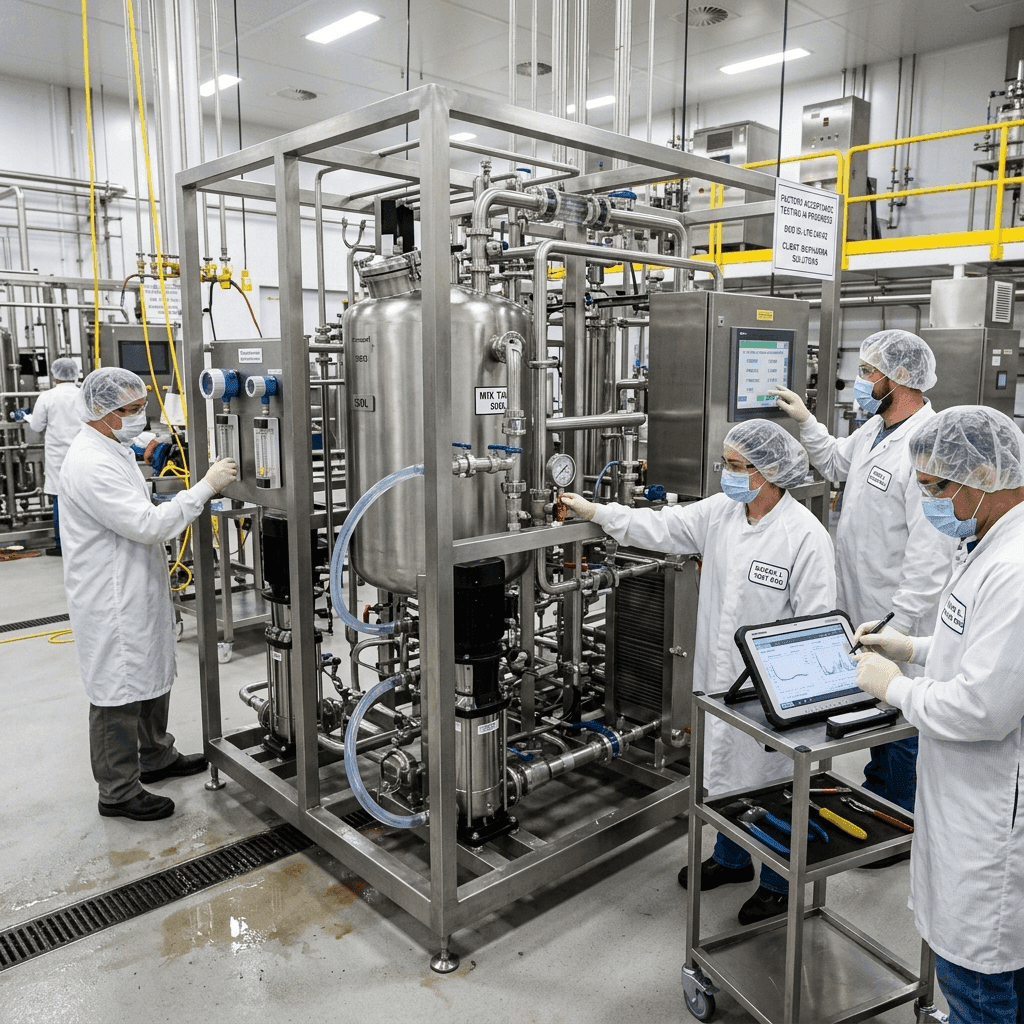
Installation & Commissioning
On site installation is followed by Site Acceptance Testing and, where required, a full sterile commissioning protocol. Operator training happens during commissioning, not weeks later when the context is gone. The complete processing handover includes validated IQ/OQ documentation and a 12 month commissioning warranty.
Frequently Asked Questions
Empowering Industry Leaders Worldwide














Collaborating with the Best in the Industry



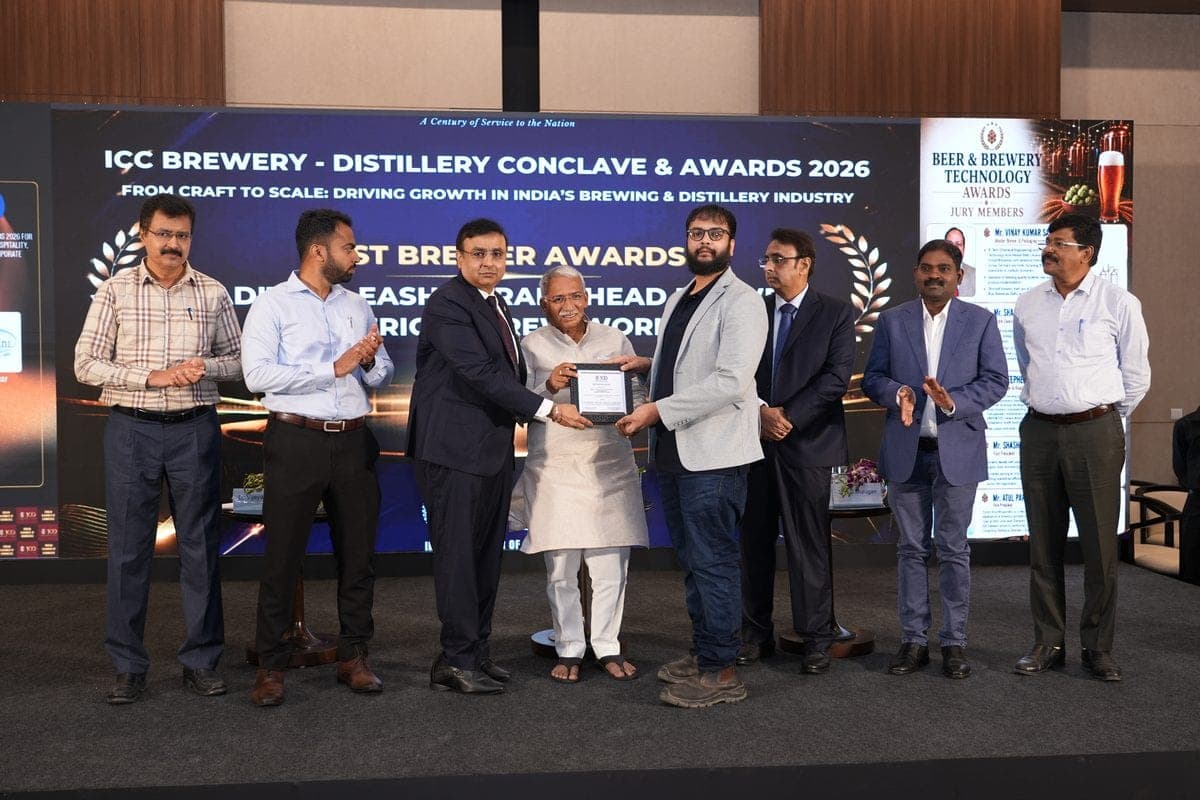
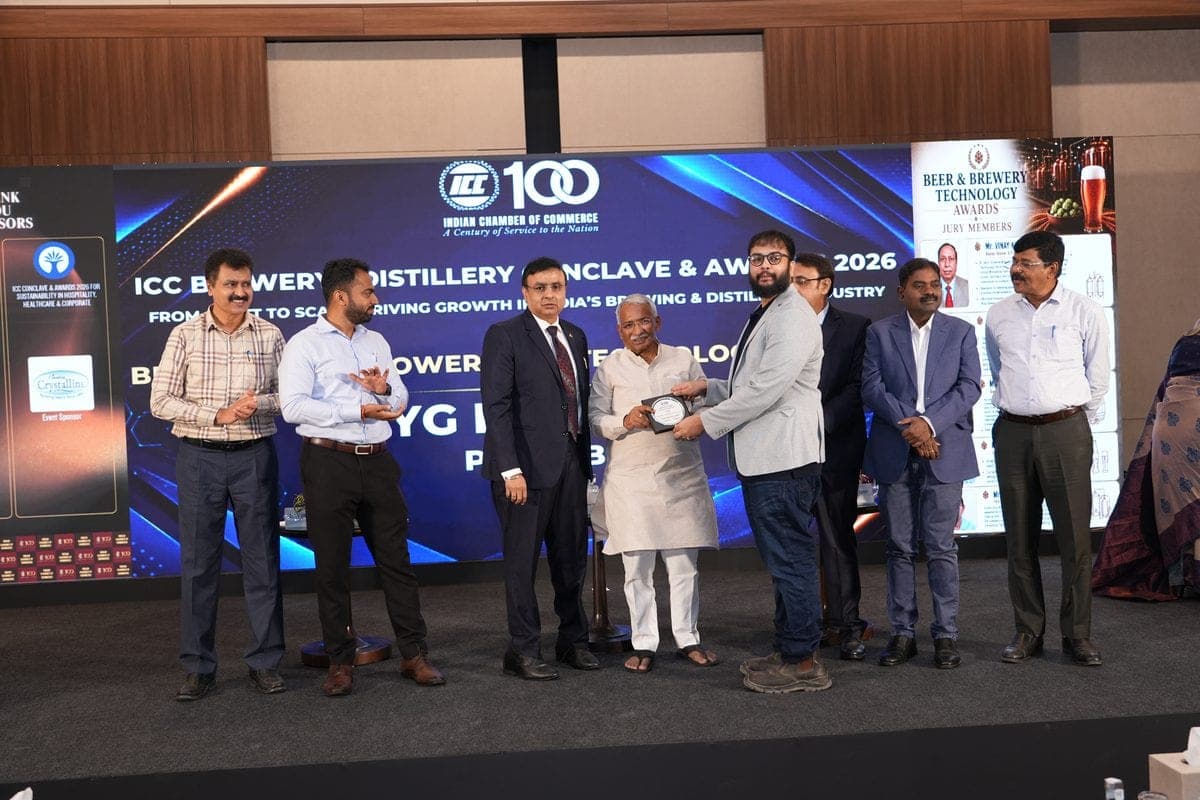
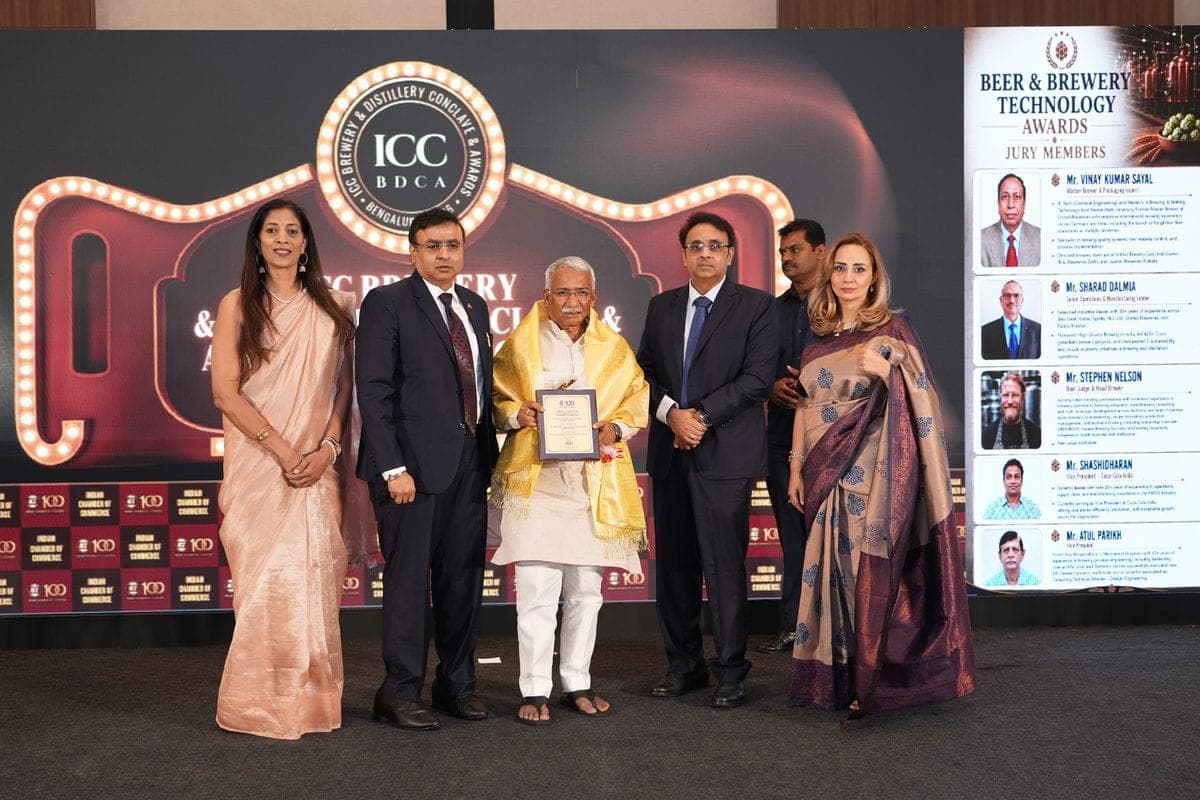
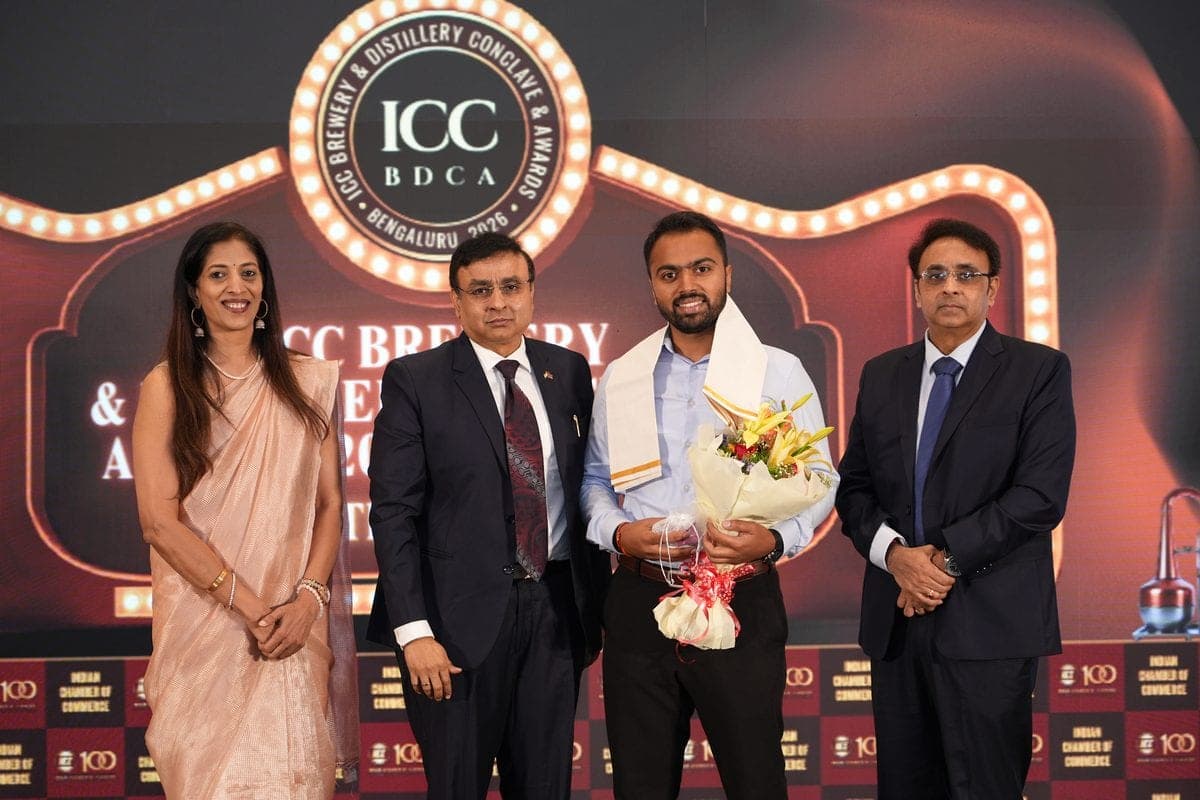
Awards & Achievements
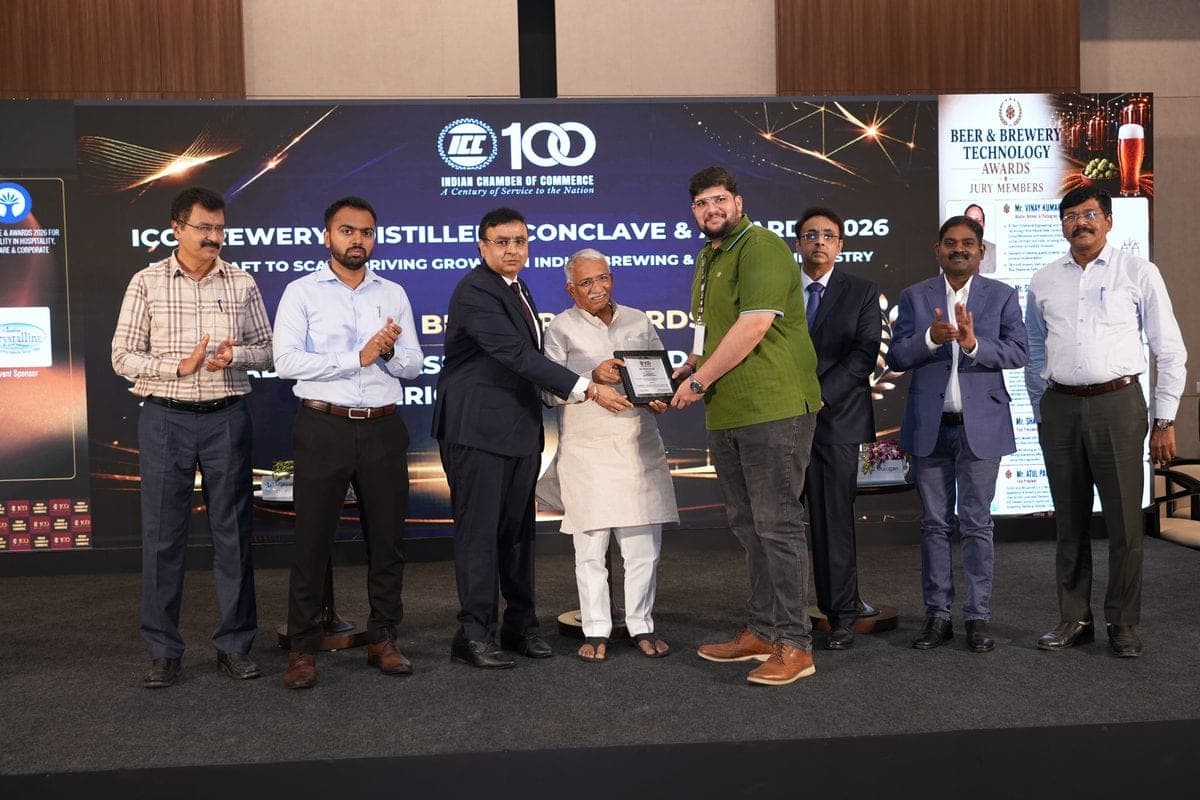
Our relentless pursuit of excellence and innovation has been recognized globally. We take pride in the milestones we've achieved on our journey to transforming the industry.
Let's Discuss Your Packaging Needs
Reach out to our experts to find the perfect packaging solutions tailored for your business. We are here to help you succeed.
Call Us:
+91 93848 06105
Email Us:
info@seppasolutions.com
Location:
No. 7, Parivakkam Road , Chennai - 600 056, Tamilnadu, India.