Complete Water and Sparkling Water Production Line Solutions
CompleteWaterandSparklingWaterProductionLineSolutions
Here is something that does not get said enough in this industry: most water line failures do not start in the equipment. They start in how the system was put together. Mismatched vendors, treatment stages spec'd independently from the filling section, CIP cycles designed without accounting for the blower downstream these are the things that quietly erode output capacity and create compliance headaches years after commissioning.
SEPPA built its complete line approach around that exact problem. A water processing plant should behave as one system. Purification, carbonation, filling, labeling, coding every stage engineered to hand off cleanly to the next one. That is what SEPPA has been doing for over 50 years, across more than 7,000 installations worldwide.
The full scope covers processing, packaging design, blowing, R-F-C (Rinse Fill Cap), Kombopure, labeling, date and batch coding, packing, palletizing, and stretch wrapping. Whether you are building a new water processing plant from scratch or trying to extract more from an existing site, the engineering logic is the same: get the integration right, and everything else follows.
WaterTreatmentandPurificationSystems
The quality coming out of a water processing plant is entirely a function of what goes in and of every treatment decision made in between.
A properly designed water processing plant does not rely on any single barrier. Source water goes through sediment pre filtration first, which handles suspended solids and protects downstream membranes. Then activated carbon adsorption strips chlorine and organic compounds that affect taste and accelerate membrane degradation. Reverse osmosis membranes come next the workhorse stage that removes dissolved solids, heavy metals, and most ionic contaminants
Mineral balance is where a mineral water plant design diverges from a straightforward purification build. Post RO water is essentially stripped of everything, which means controlled re mineralization is required calibrated dosing of calcium, magnesium, and bicarbonate to hit the target mineral profile. This is not optional for mineral water classification; it affects taste, pH stability, and label compliance in most export markets simultaneously.
The water line connecting treatment to filling matters more than most operators appreciate until something goes wrong. Dead legs trap biofilm. Inadequate slope to drain allows standing water. Surface finishes below Ra 0.8 μm become contamination sites within weeks. SEPPA's piping and vessel design builds these standards in from the start rather than trying to correct them during qualification.
WaterandSparklingWaterFillingEquipment
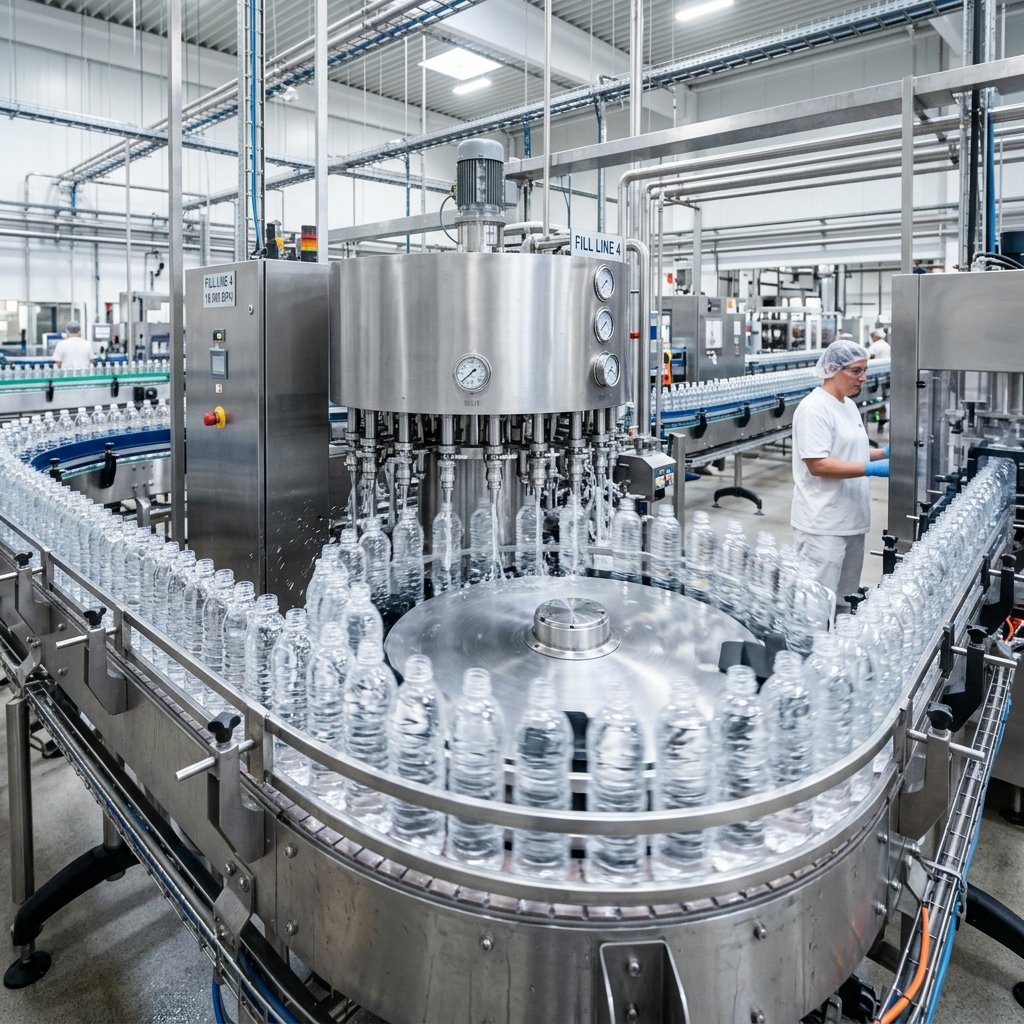
Still water filling is a precision operation. Sparkling water filling is harder in ways that are easy to underestimate.
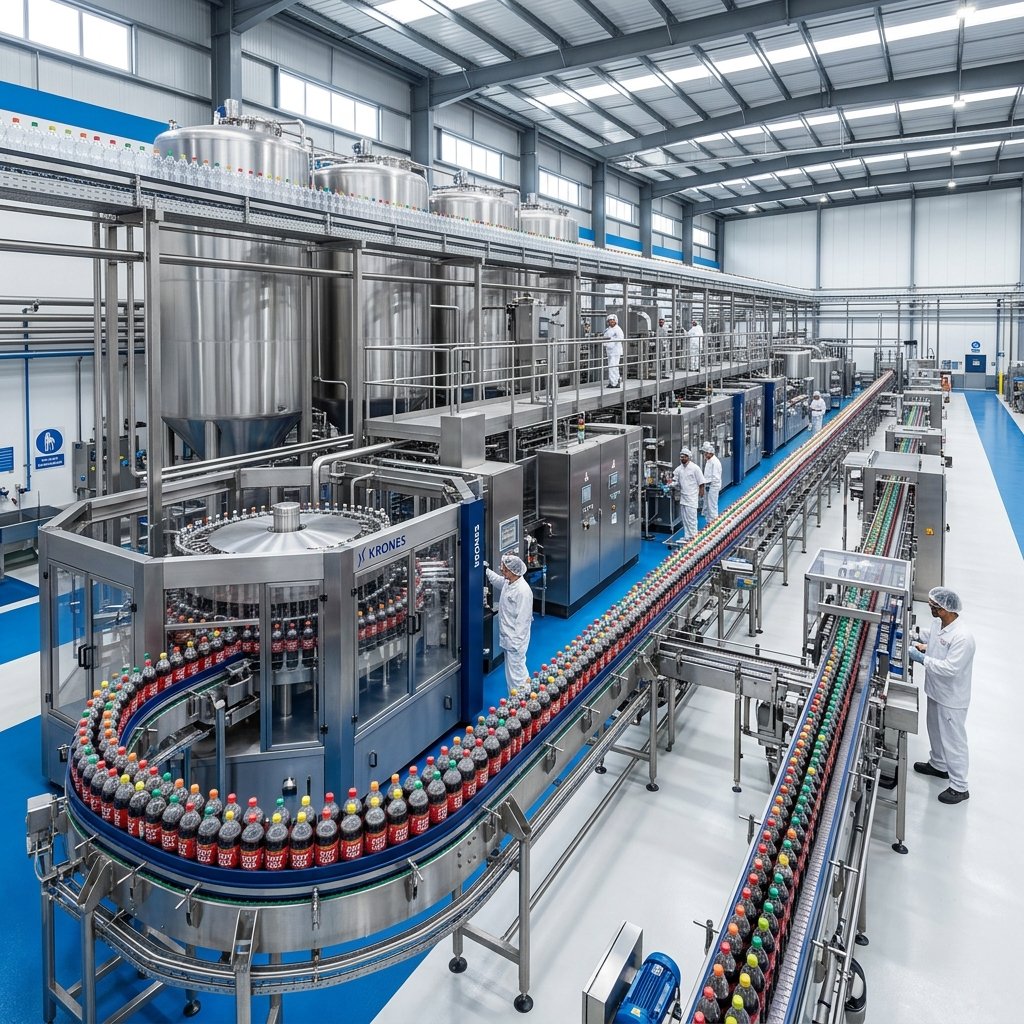
CO₂ wants to leave the water. That is the fundamental problem. It dissolved under pressure and it will flash off the moment that pressure drops at the filling valve, in turbulence, against a warm container wall. In a high output water processing plant, every variable between the carbonation vessel and the sealed bottle has to stay within tight tolerances simultaneously: temperature, line backpressure, fill speed, counter pressure inside the container. Any one of them drifting causes foaming losses, inconsistent fill levels, or carbonation volume well below specification.
SEPPA uses isobaric filling technology for carbonated beverages. Before filling starts, the container is pre pressurised to match the CO₂ pressure in the filler bowl. The pressure differential between product and container stays near zero throughout the fill, which prevents nucleation and flash off entirely. What you get is consistent carbonation volume, accurate fill levels, and no foaming losses results that gravity filling or standard pressure differential filling cannot deliver on carbonated products.
For still water, the water line from treatment through to filling runs under laminar flow or full aseptic conditions depending on shelf life requirements and target market specifications. The Kombopure system closes that circuit completely, integrating blow, fill, and cap in one enclosed unit so atmospheric exposure is essentially eliminated.
ApplicationsofWaterBottlingPlants
The range of operations that genuinely need a properly designed water processing plant is wider than it looks from the outside.
Large scale municipal and regional operations are the most visible segment 30,000 to 60,000 containers per hour, lines running three shifts, reliability measured in years. These large scale builds need full automation from treatment through to pallet dispatch, and they need service infrastructure that can respond in hours rather than days. Downtime at this scale is expensive in a way that is hard to overstate.
Mid scale independent brands and private label producers sit in the middle tier. Same hygienic standards as the big players, but with harder demands on flexibility multiple SKUs on a single line, frequent changeovers, CIP cycles that have to fit into a production schedule that was not designed around them. A mineral water plant at this scale lives or dies on changeover speed and how well the treatment system handles variable mineral targets between SKUs.
Premium and boutique sparkling water is a growing segment that deserves its own mention. These producers are selling carbonation character and mineral origin as product attributes, which means the water processing plant has to preserve those characteristics with precision. Rough handling in the filling section even a few degrees of temperature variance or a momentary pressure drop shows up in the final product.
SEPPA also builds for hotel groups, resorts, and food service operators running in house branded water programs. These are smaller scale installations by volume, but they apply the same engineering standards as larger sites. A water bottling plant at 500 BPH and one at 30,000 BPH have different line speeds, not different hygiene requirements.
WhyChooseSEPPASolutionsforWaterBottlingPlants?
There is a version of this question that deserves a direct answer rather than a list of credentials.
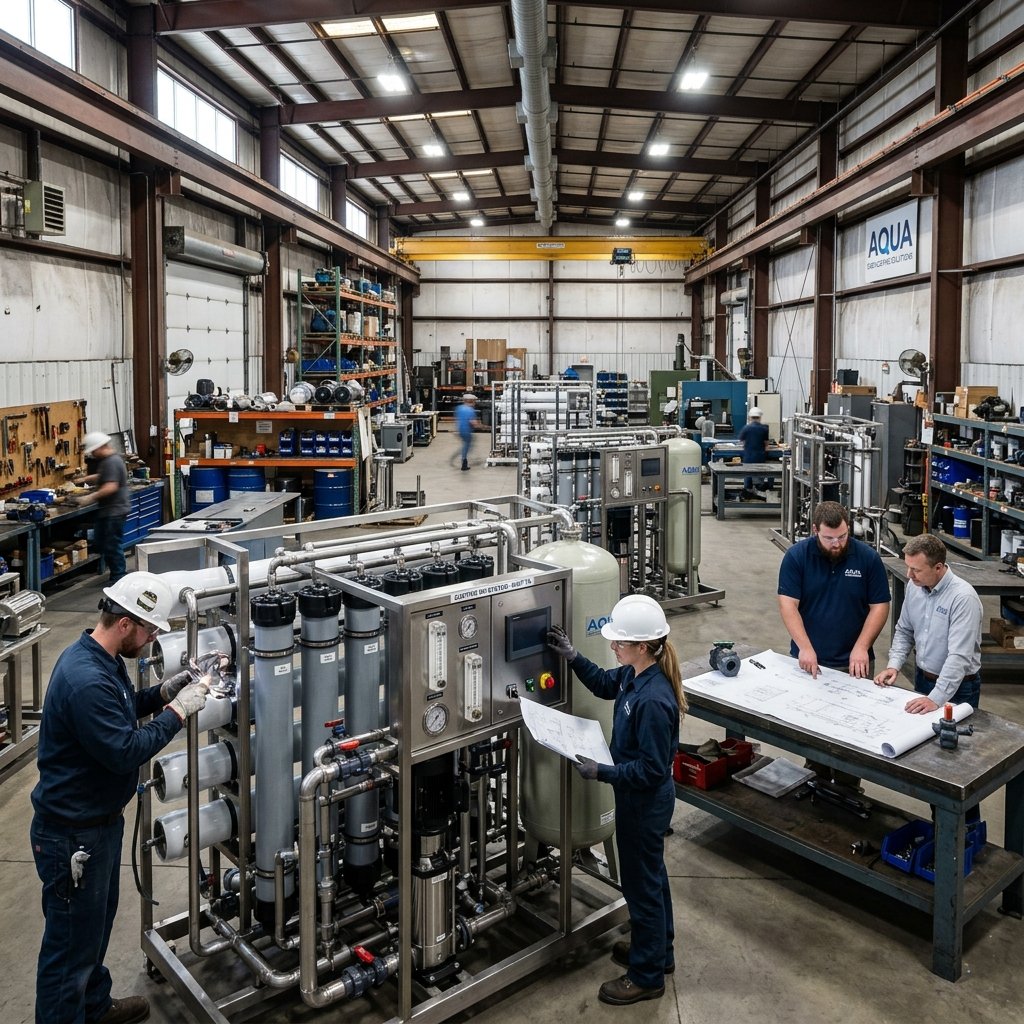
What SEPPA actually offers that most equipment suppliers do not is fifty plus years of post commissioning data from more than 7,000 installations. That is not a sales figure; it is an engineering resource. Failure modes that only appear after three years of operation, mineral water plant configurations that work in theory but create CIP problems in practice, water bottling plant layouts that seem efficient until you try to do a changeover SEPPA has seen these patterns across enough sites to design around them before they happen on your line.
The engineering behind every SEPPA water processing plant line follows hygienic design principles that go beyond compliance: minimal dead legs, 3-A or EHEDG compliant contact surfaces, CIP compatible circuit layouts, and access panels that are actually reachable during maintenance. The gap between "technically compliant" and "easy to keep clean" matters every single day the line is running.
The Kombo and Kombopure platforms give water line customers a genuine range of integration options, from simpler standalone configurations to fully enclosed aseptic blow fill cap systems. For any water processing plant where microbiological integrity is the primary specification concern, Kombopure removes the largest variable in the process: atmospheric exposure at the fill point.
Water line replacement within an existing SEPPA installation is designed to be a straightforward upgrade. New innovations are built for backward compatibility where possible, so a targeted water line replacement swapping a filling section, adding a new labeler does not require rebuilding the line around it. That matters when you are running a water processing plant that cannot afford a six week shutdown every time regulations shift or a new pack format is required.
OurMethodology:HowSEPPAEngineersaCompleteLine
Source Characterisation
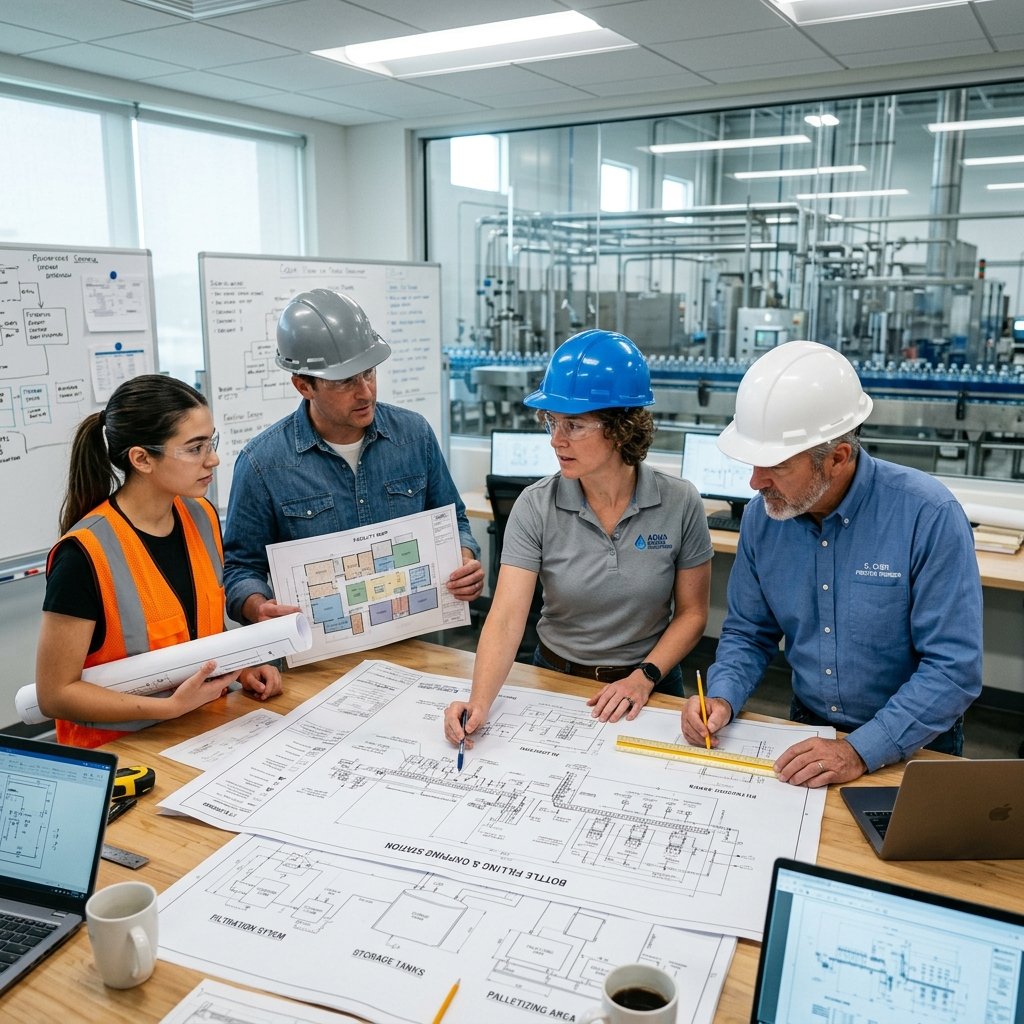
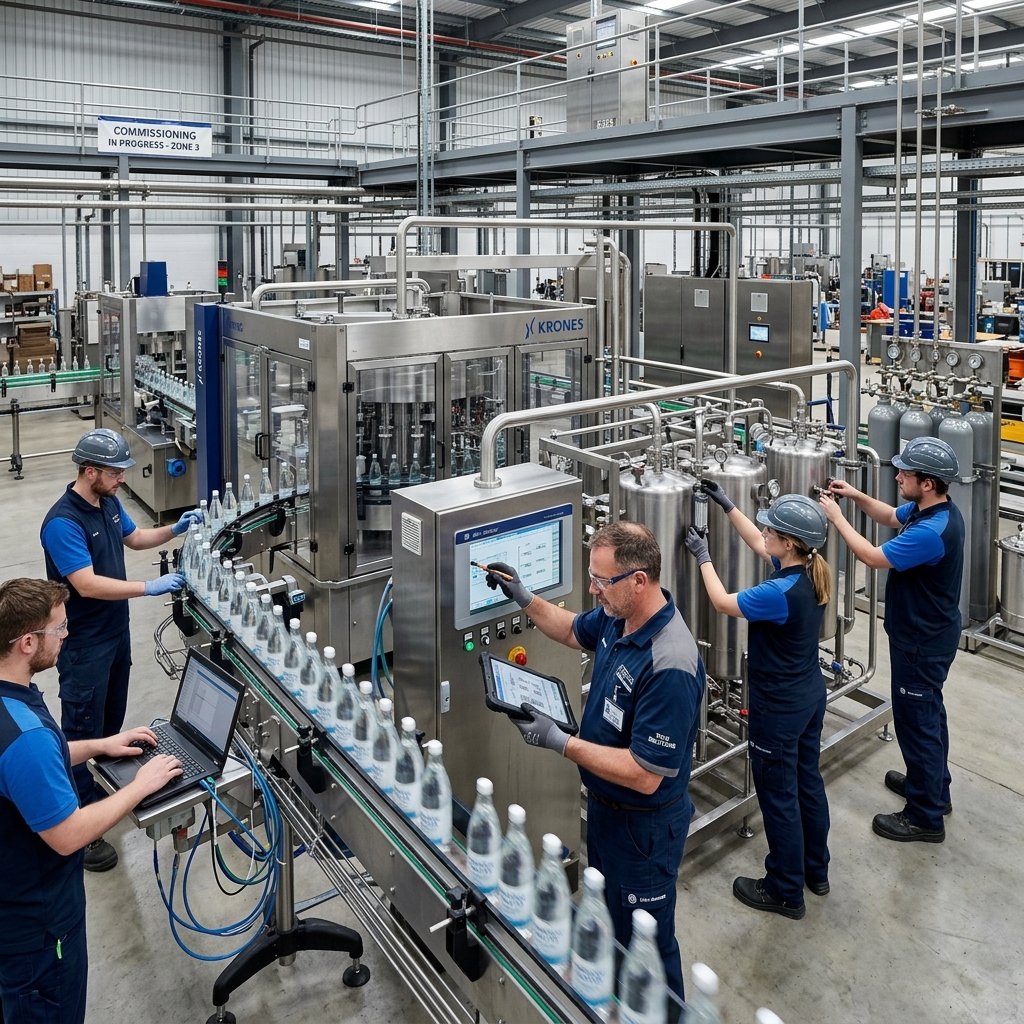
A water processing plant is not a product catalogue selection. It is an engineering project, and the methodology behind it determines whether commissioning takes three weeks or six months. SEPPA's process starts with source water characterisation not assumed feed water quality, but actual analysis of the source. Total dissolved solids, hardness, silica, microbial load, seasonal variation. The treatment train is sized and sequenced from that data, not from a generic template.
System Modelling
From there, the line is modelled as a system. Filling speed drives blower output requirements. Blower cycle time affects how much buffer capacity the circuit needs between treatment and filling. CIP cycle timing is mapped against production scheduling to identify conflicts before they become line stoppages. This kind of upstream downstream modelling is what separates a coherent water processing plant from a line that hits its rated speed in trials and then runs at 70% in practice.
Control Architecture
Once the equipment configuration is defined, SEPPA engineers the control architecture to match. Line speed fluctuations communicate between sections via the control system rather than manifesting as jams, stoppages, or carbonation variation.
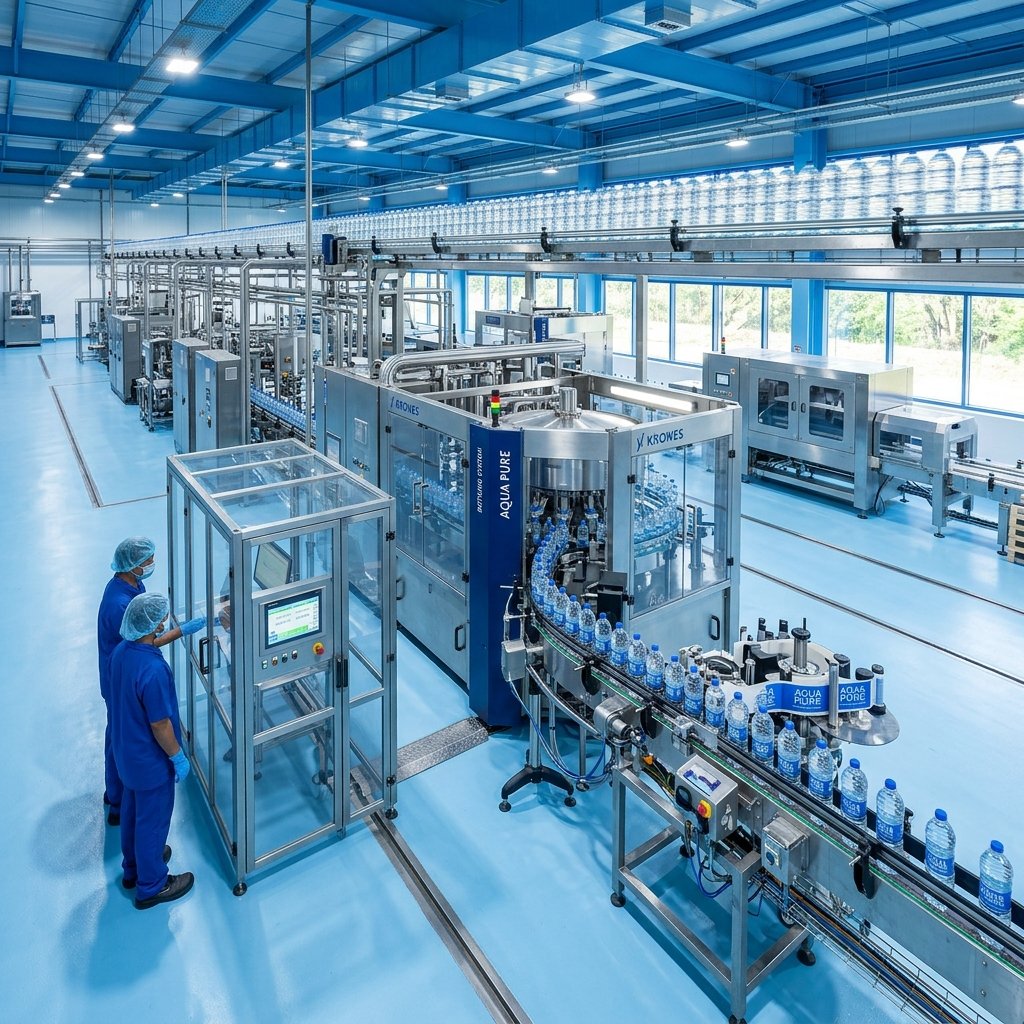
Conclusion: SEPPA engineers complete water and mineral water production lines that integrate water treatment, filling technology, automation, and packaging into a single, cohesive system. Through hygienic design, modern controls, and decades of project experience, we build water bottling plants that deliver high product quality, efficient operation, and long-term production reliability.
FrequentlyAskedQuestions
EmpoweringIndustryLeadersWorldwide













CollaboratingwiththeBestintheIndustry


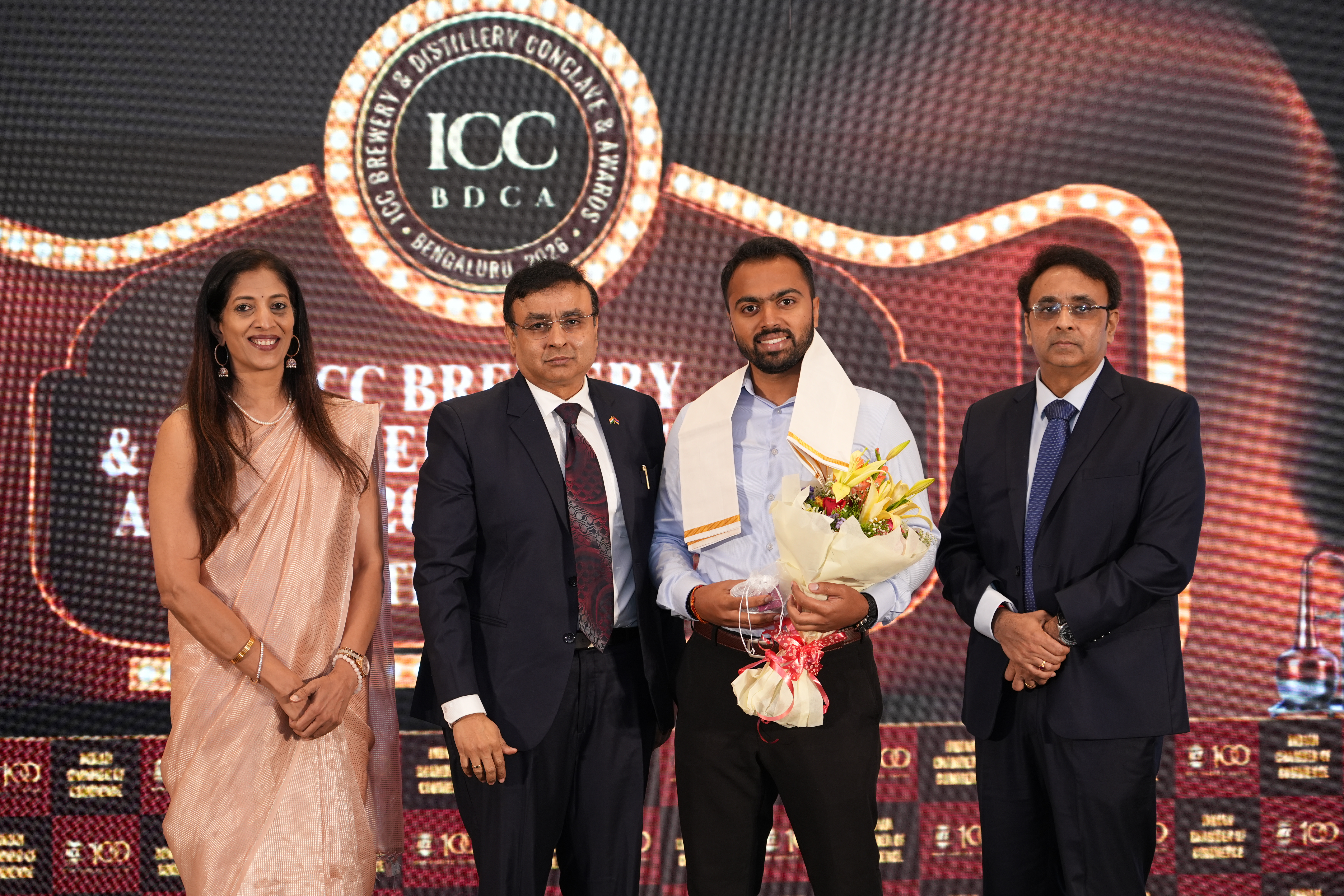
Awards&Achievements
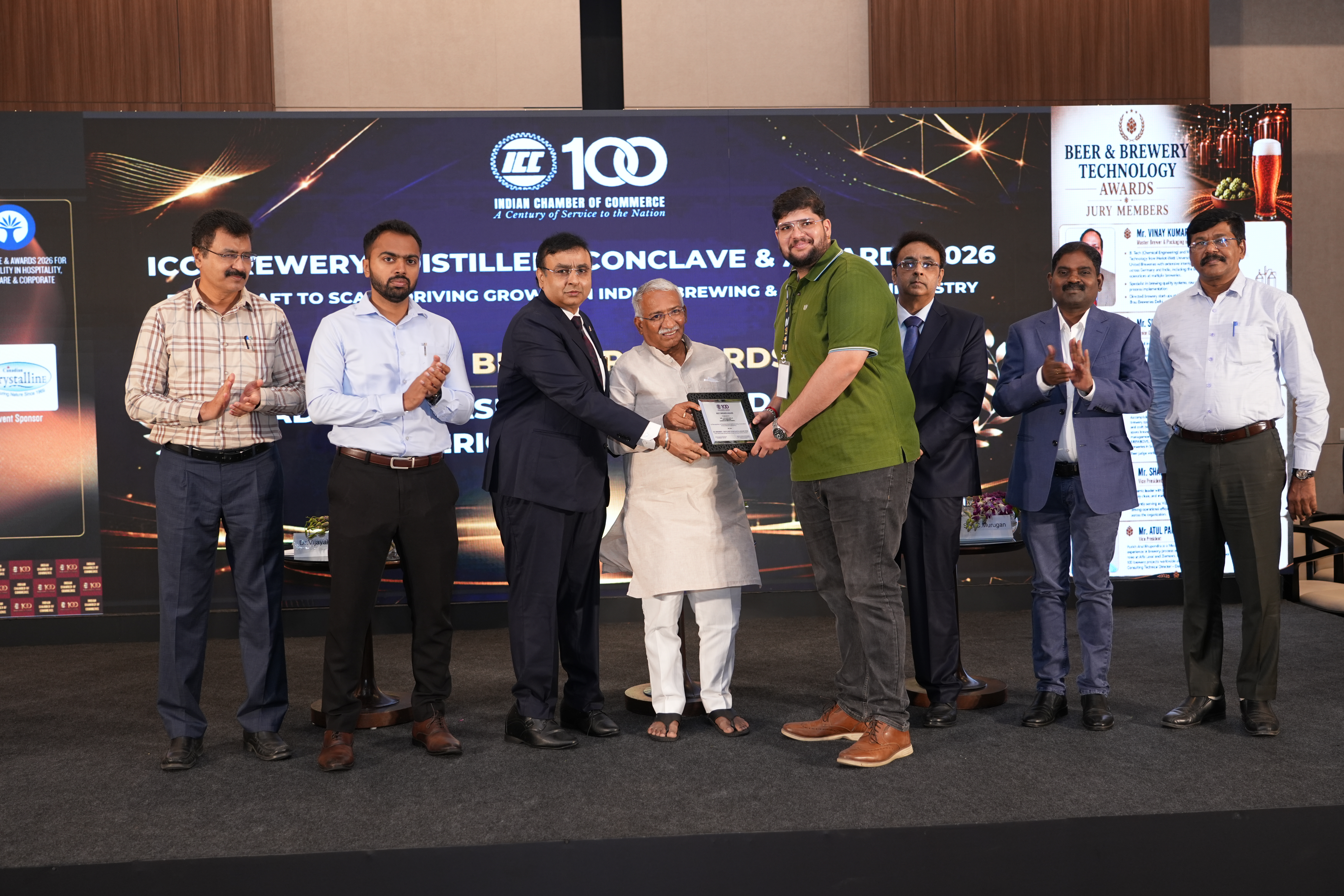
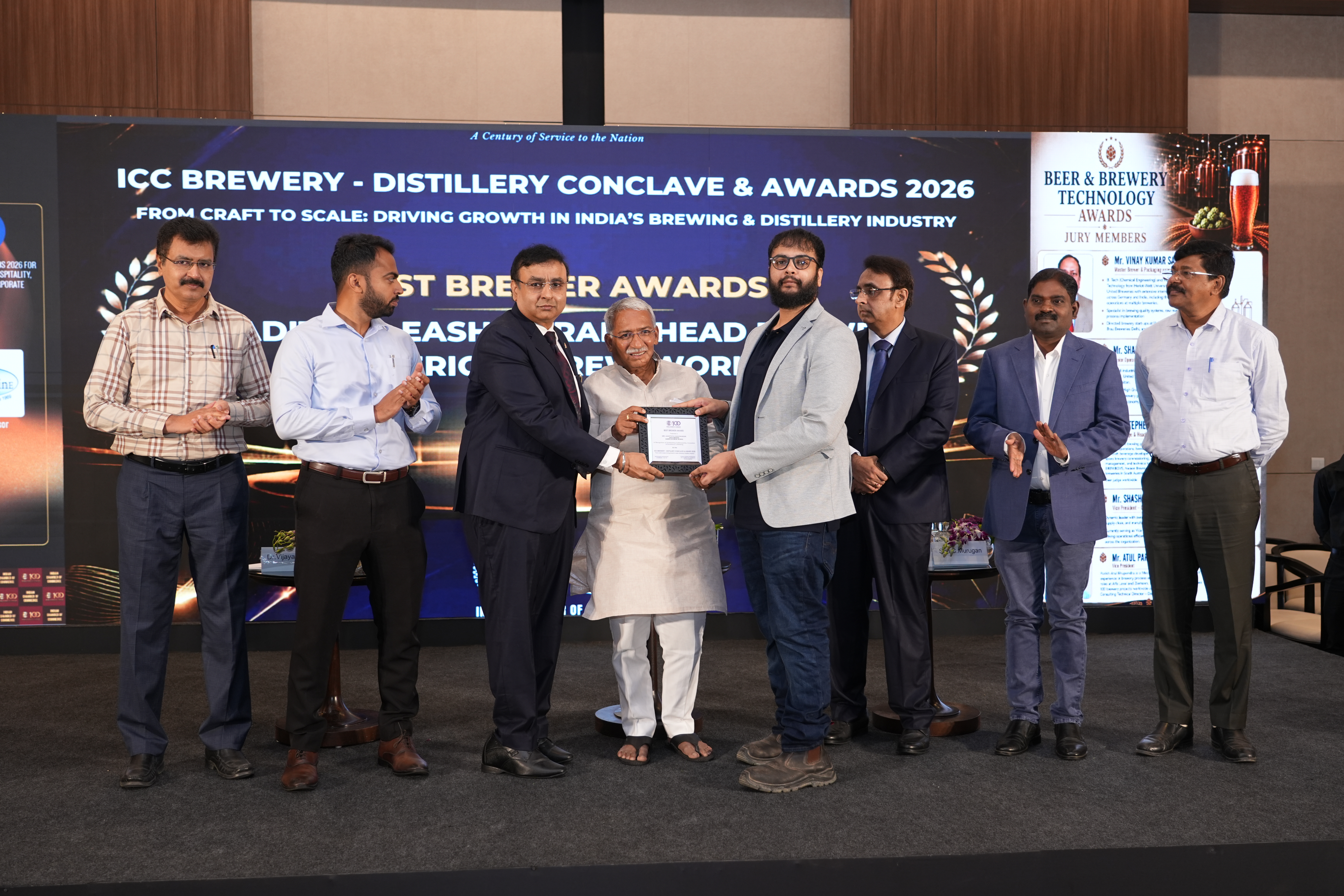
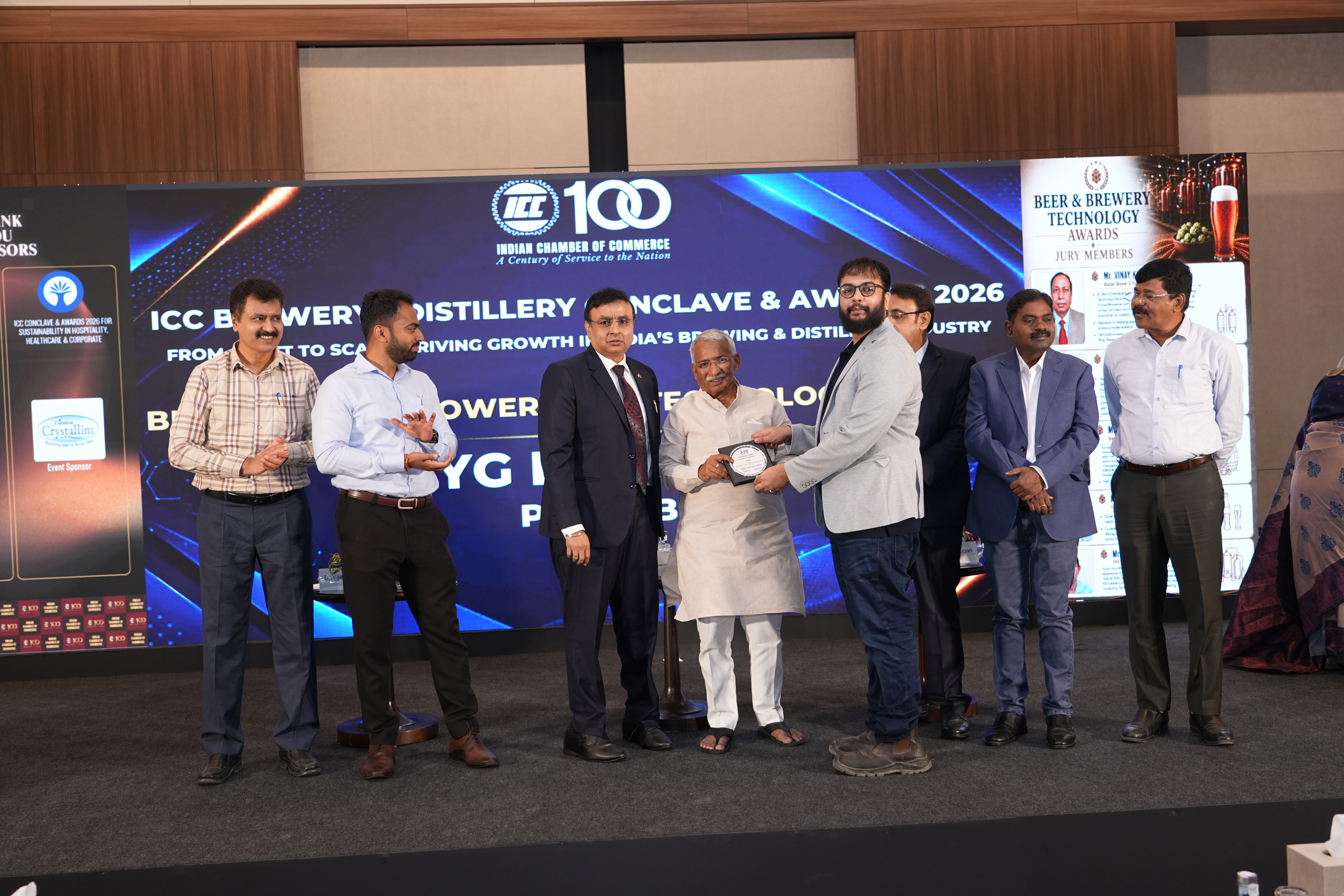
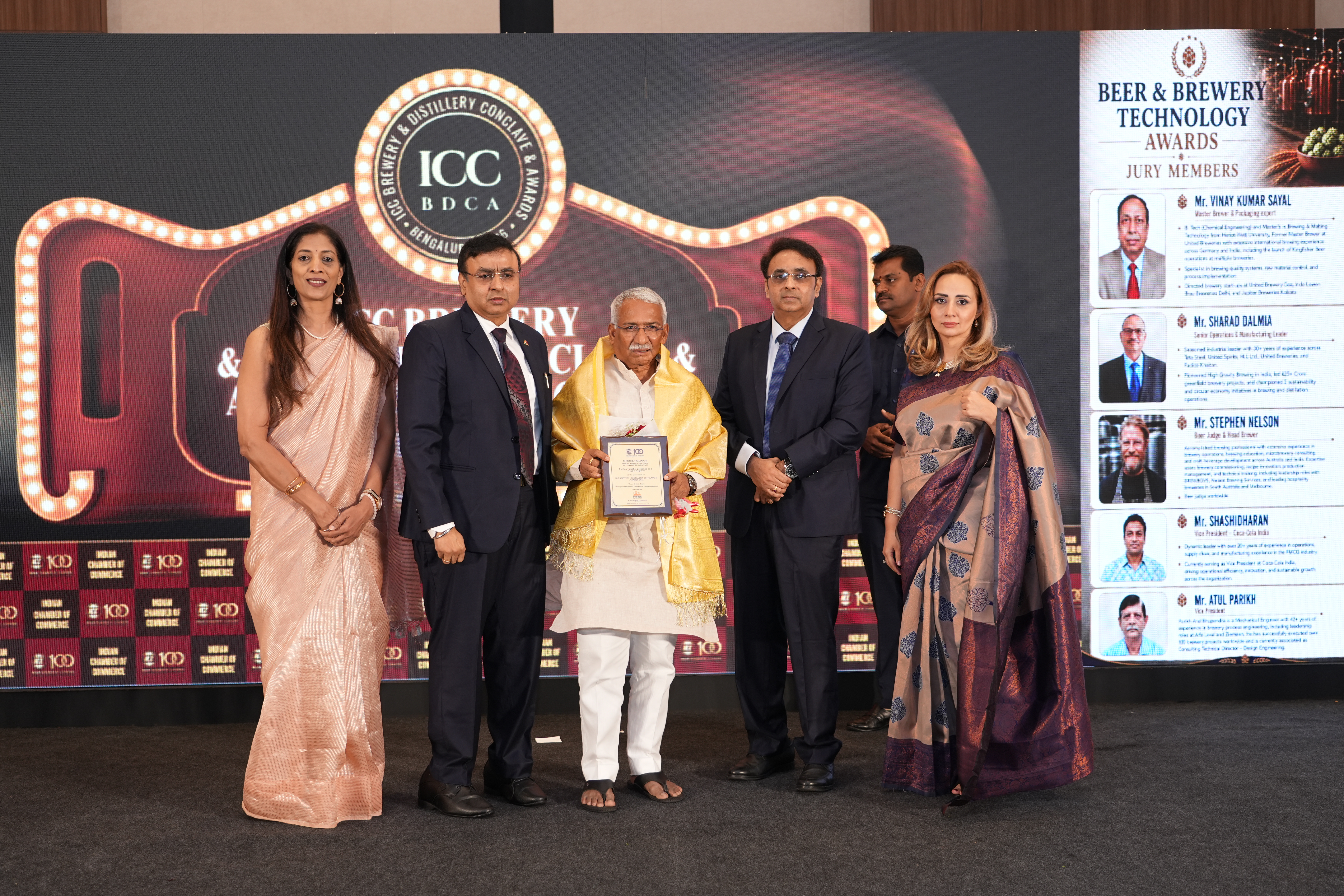
Our relentless pursuit of excellence and innovation has been recognized globally. We take pride in the milestones we've achieved on our journey to transforming the industry.
Let's Discuss Your Packaging Needs
Reach out to our experts to find the perfect packaging solutions tailored for your business. We are here to help you succeed.
Call Us:
+91 93848 06105
Email Us:
info@seppasolutions.com
Location:
No. 7, Parivakkam Road , Chennai - 600 056, Tamilnadu, India.
Request a Quote
Informingyouwithindustryfocusedupdates