Pneumatic Cap Elevators
WhatIsaPneumaticCapElevatorandHowDoesItWork?
Every high output bottling line needs a continuous supply of oriented closures arriving at the capping turret at line speed. Cap elevators are the link between the bulk storage hopper and that turret. The pneumatic variant handles that function on a different operating principle than any belt driven machine can.
Instead of a rubber step conveyor lifting closures by friction, a pneumatic cap elevators uses high velocity air streams channeled through calibrated induction nozzles inside a vertical transport column. Closures load into a buffer hopper at the base. Blower driven airflow lifts them upward through a sealed channel no rollers, no belts, no driven contact surfaces.
The caps ride an air cushion, separated from each other, until they reach the orientation sorter above the capping station. Because there is no mechanical grip, these cap elevators handle lightweight sport caps, fragile tamper evident closures, and synthetic corks without the surface marking or deformation that belt contact causes. The air lifts; the channel geometry orients. That's the whole mechanism.
KeyFeaturesofthePneumaticCapElevatorsSystem
The engineering inside high performance cap elevators starts with a variable speed centrifugal blower whose output responds in real time to pressure feedback from downstream sensors. When closures back up, the blower throttles down. When the buffer at the rotary cap feeder drops below threshold, flow increases. No manual adjustment, no operator attention required.
Nozzle geometry along the conveying column sets both the lift rate and the spacing between closures in transit. At Seppa Solutions, the nozzle array is calibrated to the specific cap diameter and mass for each installation. This produces the air cushioning effect that distinguishes specialized cap handling equipment from generic pneumatic conveying the airflow is tuned to the closure, not estimated for a range of products.
Anti jamming sensors at the column entry point and the orientation zone detect closures that have entered at a bad angle or collided and stacked. When one fires, a short reverse air pulse clears the blockage typically under 300 milliseconds without stopping the line. For bottle capping equipment running continuous motion turrets, that recovery speed is the difference between a hiccup and a stoppage.
BenefitsofAutomatedCapFeeding
The practical advantage of pneumatic cap elevators over mechanical ones is straightforward: no belt means no belt wear. Step conveyor cap elevators use synthetic rubber belts that stretch, crack, and eventually shed particulate into the cap stream. That particulate can trigger cosmetic rejects or, in regulated sectors, quality failures. A pneumatic cap elevators system removes that failure mode entirely.
Speed synchronization between the cap feeding machine and the rotary cap feeder is handled electronically. Turret encoder feedback routes to the elevator's blower controller, matching feed rate to actual demand without overfilling the chute or starving it. Consistent head pressure at the feeder bowl is what keeps cap handling equipment running jam free through a full production shift.
Lines that switch from belt driven elevators to pneumatic systems typically see a noticeable drop in unplanned stops attributable to cap feed faults. Service intervals extend significantly because there is no contact surface degrading with each cycle.
ApplicationsAcrossIndustries
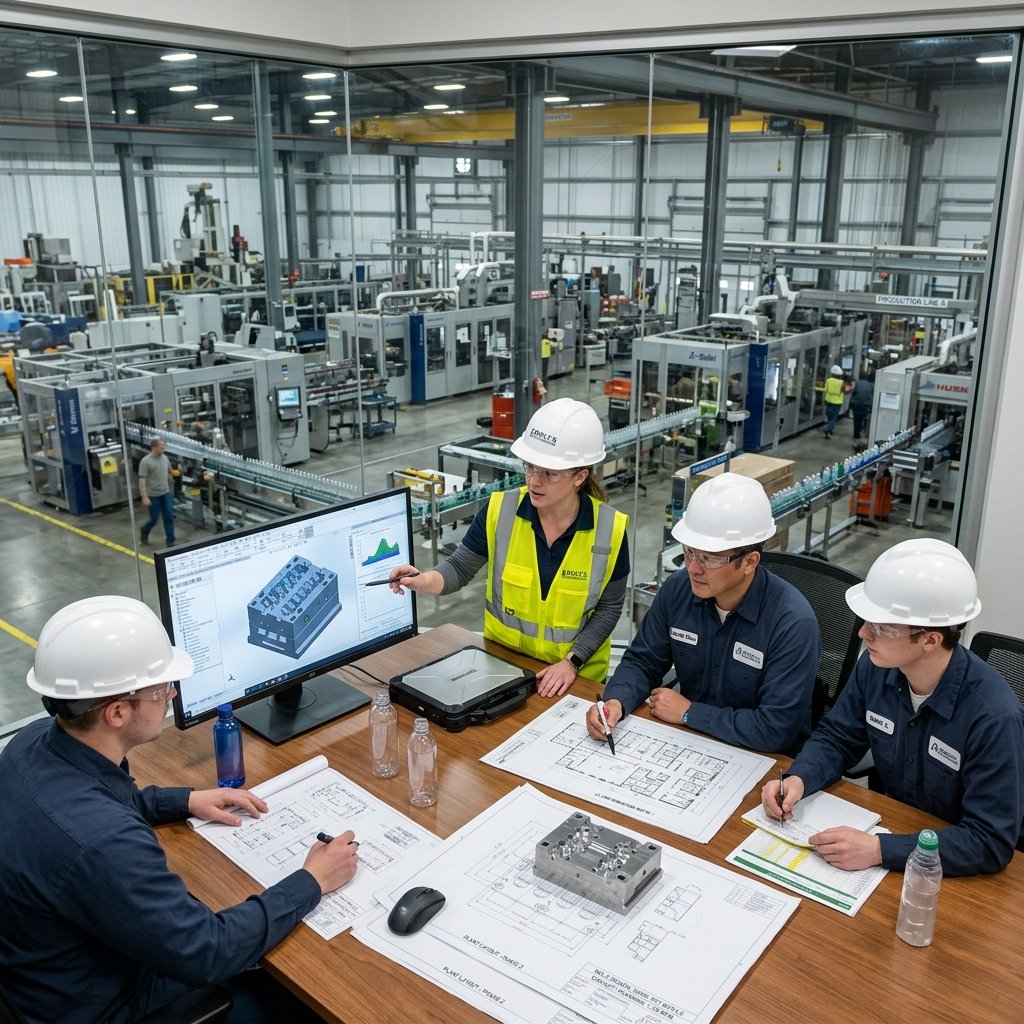
Beverage filling lines carbonated soft drinks, water, juice primarily need speed and cap integrity. Sport caps, flat plastic screw caps, and synthetic corks transit through pneumatic cap elevators without surface marking. At six hundred units per minute, even a modest reduction in cosmetic damage is worth chasing.
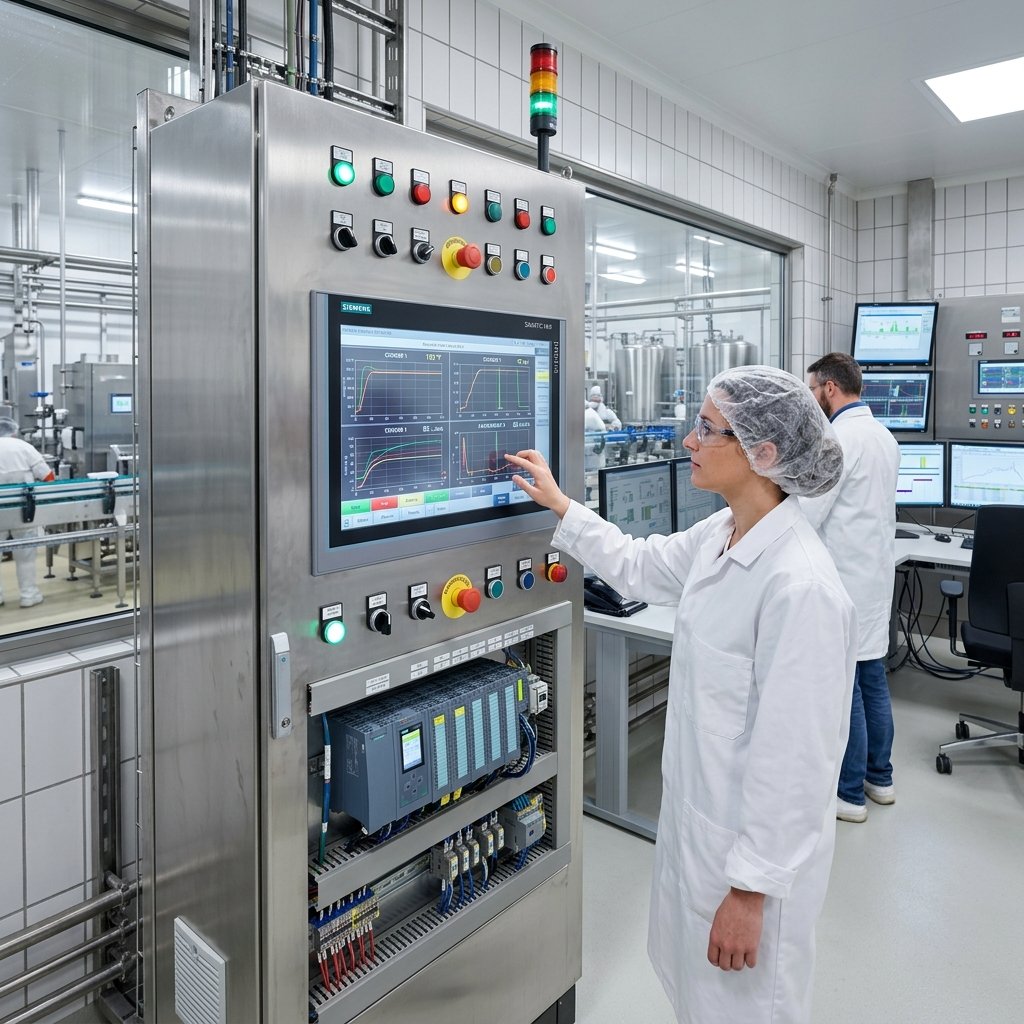
•Pharmaceutical and nutraceutical operations need something different: contamination control. The sealed transport column of a pneumatic cap elevators has no open belt surfaces, no metal on cap contact, and no lubrication points near the cap stream. Bottle capping equipment on a pharmaceutical line is only as clean as the cap supply that feeds it air driven transport addresses that directly.
FMCG packaging lines handling personal care or household products often run multiple closure types across the same machine. A line running tamper evident closures one shift and ROPP metal twist off caps the next via Seppa's magnetic cap elevator needs cap handling equipment that adapts without a line rebuild.
WhyChooseSeppaSolutionsforPneumaticCapElevatorsSystems?
Seppa builds cap elevators for lines where feed reliability is not a secondary concern.
The engineering variable speed blowers, sensor linked flow control, precision nozzle calibration was developed against the specific cost of cap feeding machine downtime on high speed bottle capping equipment. That context shapes design decisions that don't always show up in a specification sheet.
The product range covers pneumatic cap elevators for plastic closures, mechanical step conveyor elevators for metal caps and aluminium screw caps, and magnetic cap elevators for crown caps and ROPP closures. Hopper capacities run from 150 litres to 2,000 litres. Mounting options include fixed feet for permanent installation and self blocking castor wheels for lines that reposition between product runs.
Every rotary cap feeder interface is commissioned to the specific turret, cap geometry, and line speed of the operation not set to a generic parameter. That commissioning step is where the performance gap between a Seppa system and an off the shelf installation tends to show up in the first weeks of production.
MethodologyofPneumaticCapElevationandFeedingProcess
Bulk Loading
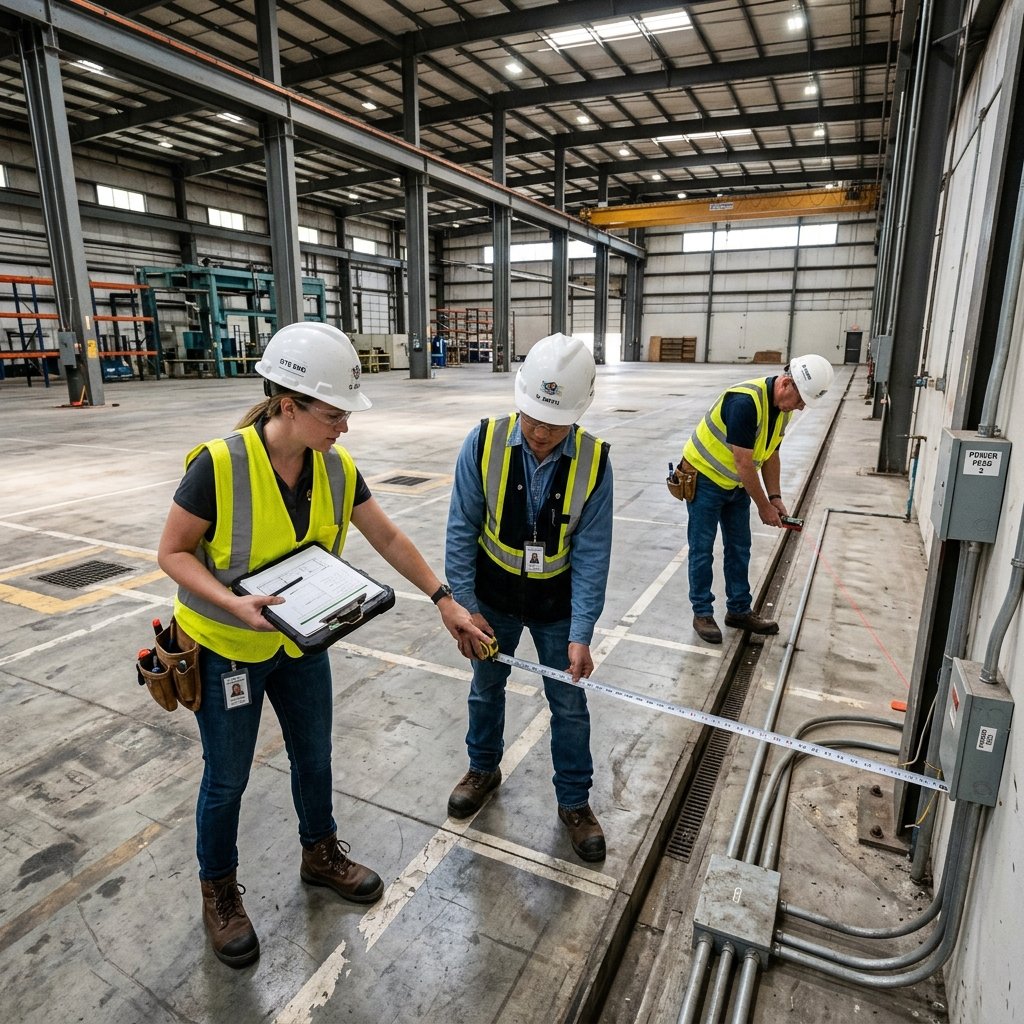
Bulk closures enter the buffer hopper at the base available in capacities from 150 to 2,000 litres, sized to the resupply interval the line operates on. From the hopper, an induction nozzle array draws closures into the vertical transport column.
Pneumatic Lifting
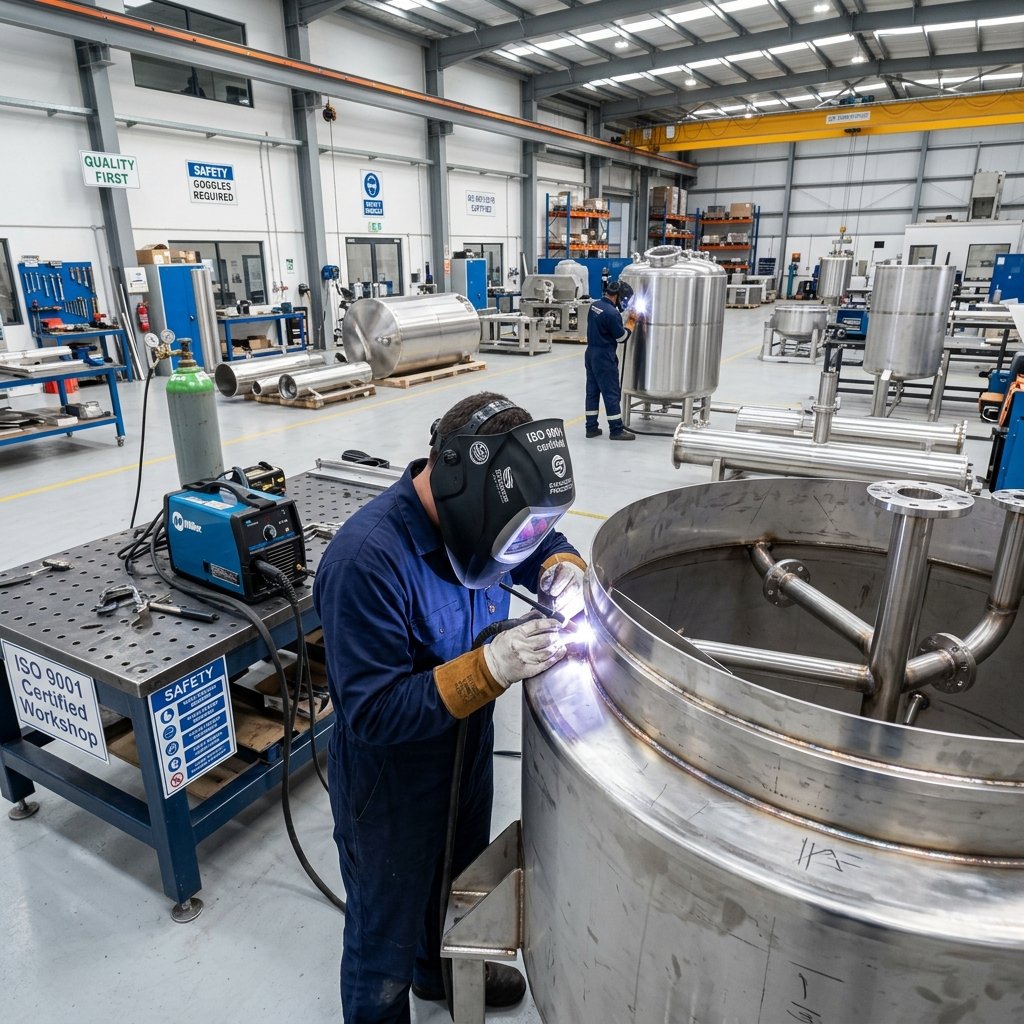
Airflow velocity at this stage is set to the cap's mass and projected area: enough to achieve consistent vertical lift, not so high that caps collide on their way up.
Orientation & Sorting
At the top of the column, closures enter the orientation sorting zone. A combination of mechanical guides and air assist jets presents every pneumatic cap to the downstream rotary cap feeding machine in the correct orientation. Misoriented closures are redirected back to the hopper.
Delivery to Feeder
From the sorter, a regulated chute delivers caps at line speed to the feed bowl or direct feed chute of the bottle capping equipment. Feed rate at this stage is governed by the turret encoder feedback loop.
FrequentlyAskedQuestions
EmpoweringIndustryLeadersWorldwide















CollaboratingwiththeBestintheIndustry




Awards&Achievements
Our relentless pursuit of excellence and innovation has been recognized globally. We take pride in the milestones we've achieved on our journey to transforming the industry.





Let's Discuss Your Packaging Needs
Reach out to our experts to find the perfect packaging solutions tailored for your business. We are here to help you succeed.
Call Us:
+91 93848 06105
Email Us:
info@seppasolutions.com
Location:
No. 7, Parivakkam Road , Chennai - 600 056, Tamilnadu, India.
Request a Quote
Informingyouwithindustryfocusedupdates