Liquid Dairy Products Processing | Seppa Solutions
LiquidDairyProductsWeProcess
Running a dairy processing plant today means handling a far wider product range than it did twenty years ago. White pasteurized milk is still the backbone, but the product list has grown. Flavoured milk, drinking yoghurt, sweetened condensed milk, lactic acid beverages, infant formula, and ESL cream all share the same production floor and each one brings different thermal, sterile, and homogenization requirements with it.
Seppa Solutions designs and commissions equipment for this full product range. Standard HTST pasteurized milk for regional distribution, UHT milk for export or hot climate markets, fortified milk drinks, probiotic dairy blends a plant handling this variety cannot run on single purpose machinery. It needs modular, reconfigurable lines built to food grade standards from the ground up.
Global consumption of white milk and liquid dairy products is forecast to reach 350 billion litres annually, up from 270 billion litres in 2010. Asia Pacific alone accounts for more than the rest of the world combined. India the world's largest milk consumer is shifting steadily from loose milk to packaged formats. About 55% of white milk sold in developing markets was packaged by 2014, trending toward 70%. Those numbers are not just market statistics. They define the engineering requirements every dairy plant manufacturer has to meet.
HowSeppaSolutionsDeliversAdvancedDairyProcessingPlants
Seppa works as a turnkey supplier, which means we take responsibility from process design through to production ready commissioning not just equipment delivery.
A typical milk processing plant project with Seppa follows this flow:
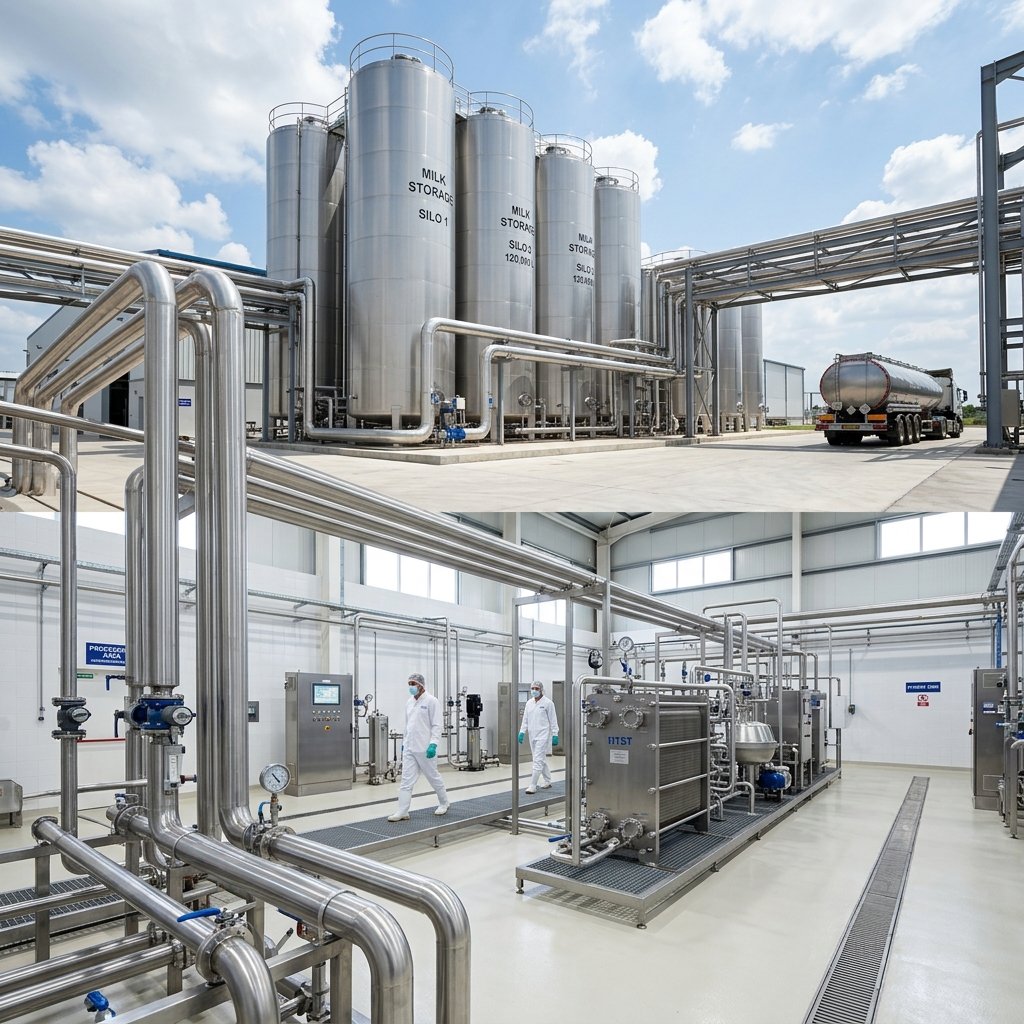
The process starts with raw milk receiving. Silos, agitators, and temperature management before the first process step determine the quality of everything downstream. Our receiving systems cover this stage with insulated storage tanks and automated temperature logging.
Milk enters the separator at the clarification stage. Bactofugation removes 99.9% of spore-forming bacteria from raw milk before pasteurization a step often skipped by lower spec suppliers that has a measurable effect on final product shelf life.
HTST or UHT processing follows, with regenerative heating and cooling sections sized specifically to the product and the target throughput of the milk product factory. Automated holding tube timing and temperature verification are built into the control logic, not added as an afterthought.
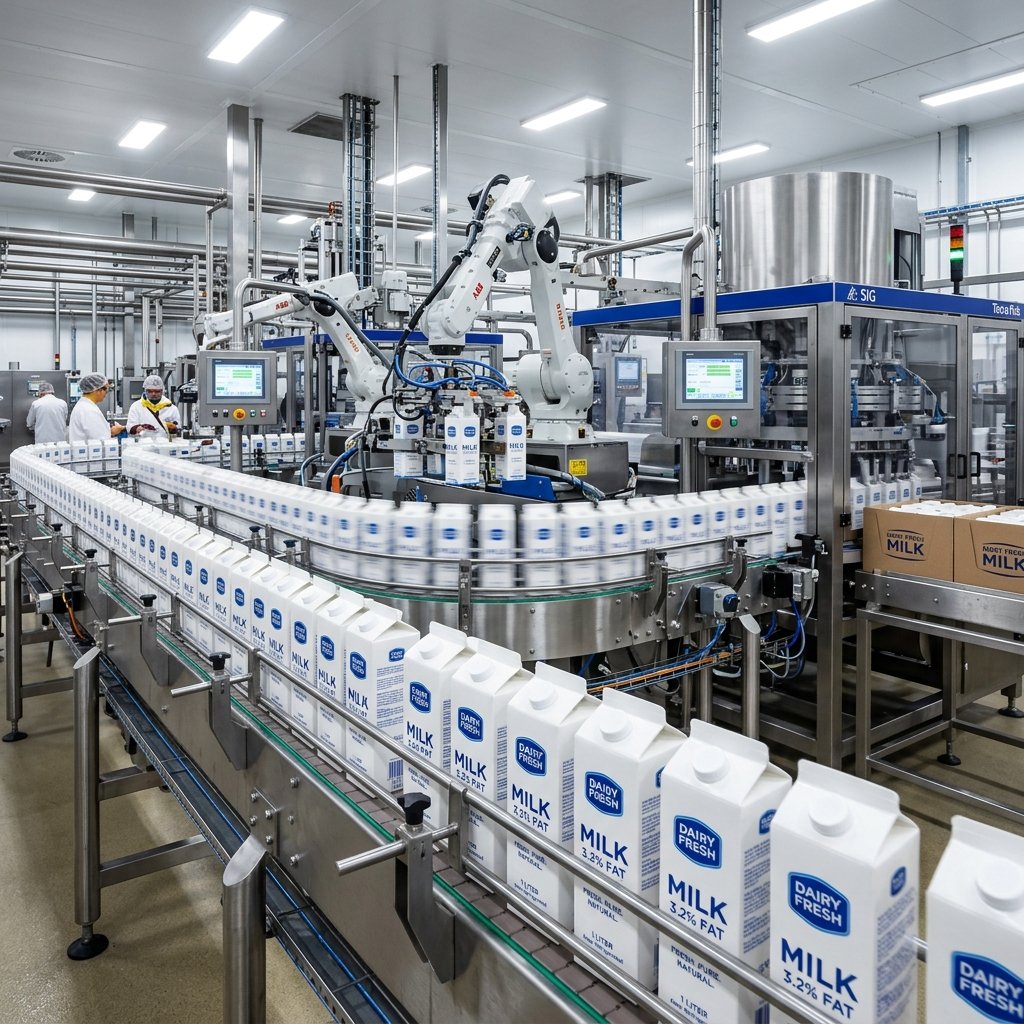
Aseptic filling lines connect directly to the UHT system via sterile jacketed transfer lines. Seppa integrates filling equipment from established OEMs including rotary cup fillers, linear sachet lines, and aseptic carton fillers into a unified line with a single SCADA interface.
CIP circuits are designed with dedicated chemical preparation and dosing units. Every CIP sequence is validated, logged, and retrievable for audit purposes. In a modern dairy processing plant, clean in place is not a maintenance procedure it is a production step with its own parameters and documentation.
KeyBenefitsofaModernDairyProcessingPlant
The business case for investing in properly designed dairy processing equipment goes beyond capacity. Here is what a well engineered production facility actually delivers:
Operational Efficiency
Automated flow control, real time PLC monitoring, and properly sized buffer tanks keep line utilization above 90% during...
Waste Reduction
Inline standardization at the separator means less product loss at the start and end of each run. For a mid scale milk p...
Food Safety Compliance
Every dairy processing plant we commission is validated against the relevant FSSAI (India), FDA (US), or EU dairy hygien...
Packaging Flexibility
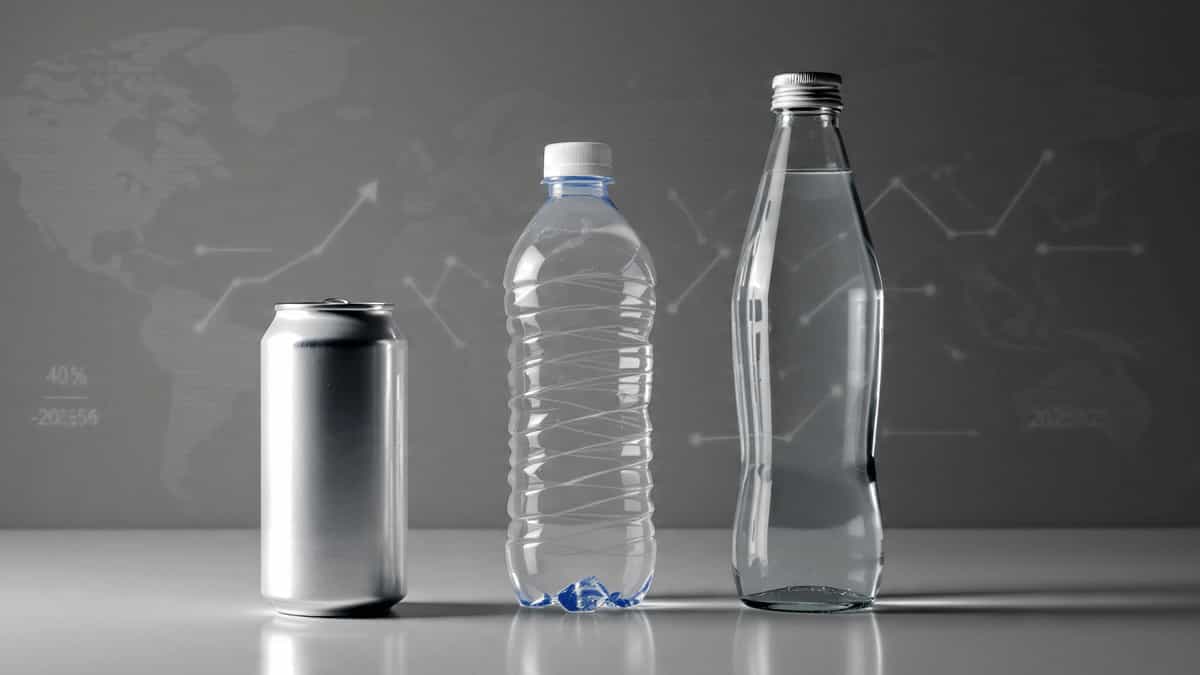
Glass bottles, PET, multi layer pouches, plastic cups the final packaging format affects line design significantly. A da...
AdvancedDairyProcessingEquipmentandTechnology
Producing safe, nutritionally consistent liquid dairy milk at scale depends on three things: precise thermal processing, effective separation, and contamination free filling. Seppa Solutions provides dairy processing equipment that covers all three.
Homogenization
Homogenization breaks fat globules in raw milk down to a uniform size, preventing cream separation and improving mouthfe...
UHT Sterilization
UHT (Ultra-High Temperature) sterilization holds product at 135–145°C for two to four seconds, eliminating all pathogeni...
Separation Systems
Separation systems remove bacteria, somatic cells, and spores at the clarification stage before pasteurization, which di...
Comprehensive Solutions
Our dairy processing range includes everything needed to support efficient, high quality production, from cream standard...
WhyDairyManufacturersChooseSeppaSolutions
Most dairy plant manufacturers will give you equipment. Fewer understand how that equipment has to work inside a functioning milk product factory under real production pressure.
Hygienic Design & Engineering
Seppa Solutions applies hygienic engineering principles at every stage, preventing dead legs, incorrect slope angles on ...Read More
Advanced Heat Recovery
Our UHT systems use multi-stage plate heat exchangers and heat recovery circuits that cut thermal load by 70–85%.
Nutritional Integrity
Maintain narrow temperature tolerances of +0.5°C across the holding tube to protect heat-sensitive vitamins and formulat...Read More
Methodology:TheSeppaEngineeringLifecycle
Every facility Seppa delivers is engineered to meet precise capacity and hygiene targets. Here is our project approach:
Phase 1: Engineering Feasibility Study
We do not sell equipment out of a catalogue. Every facility Seppa delivers starts with an engineering feasibility study that defines the product range, capacity, utility requirements, and site constraints.
Phase 2: Layout Optimization
A milk processing plant layout that forces product to travel 150 meters between processing steps is minimized using process flow simulation to reduce transfer distances.
Phase 3: Sourcing & Fabrication
Seppa manufactures core processing equipment tanks, heat exchangers, homogenizers, and separators in-house and sources specialist components from certified OEM partners.
Phase 4: Installation & Validation
Installation and validation are managed by Seppa site engineers. FAT and SAT are standard for every plant we build.
Phase 5: Training & Handoff
Comprehensive training is the final step, ensuring operators can run and troubleshoot the milk product factory independently.
Conclusion: Efficient dairy processing with future-proof technology. Seppa Solutions develops complete dairy processing plants and milk processing plants for manufacturers who want to combine quality, hygiene, and economic efficiency. With modular process design, energy-efficient technologies, and comprehensive engineering expertise, plants are created that meet current production requirements while enabling future growth.
FrequentlyAskedQuestions
EmpoweringIndustryLeadersWorldwide














CollaboratingwiththeBestintheIndustry




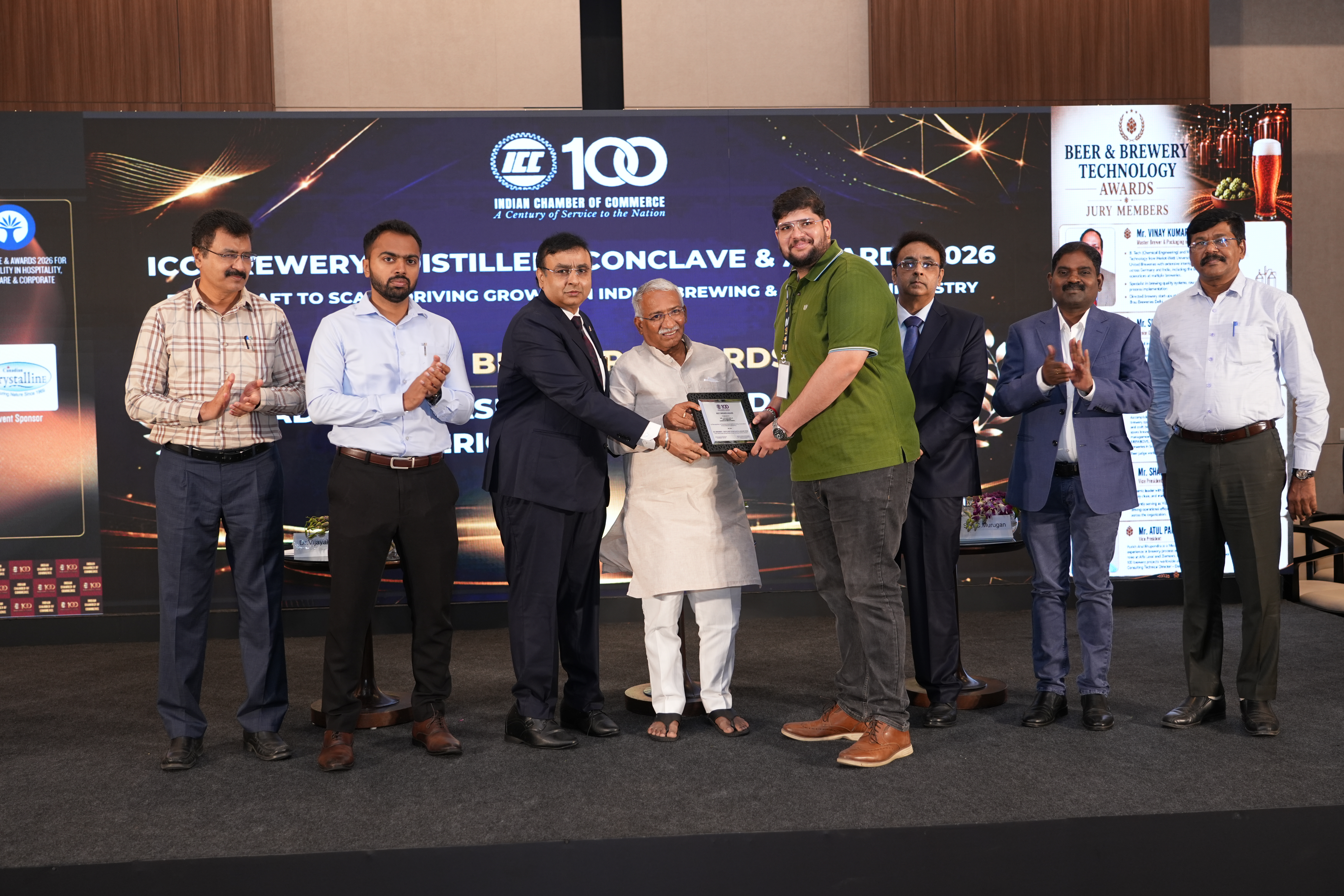
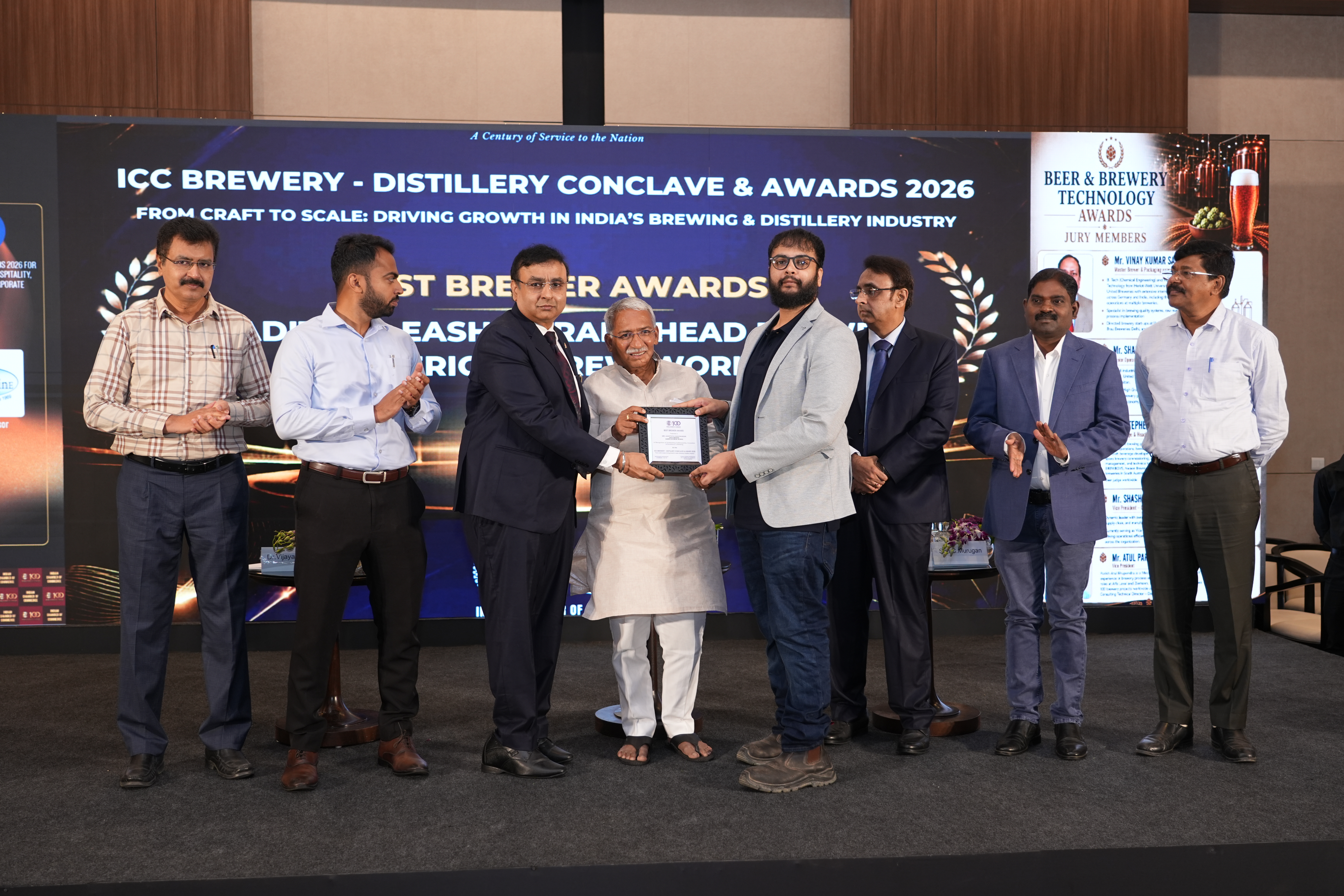
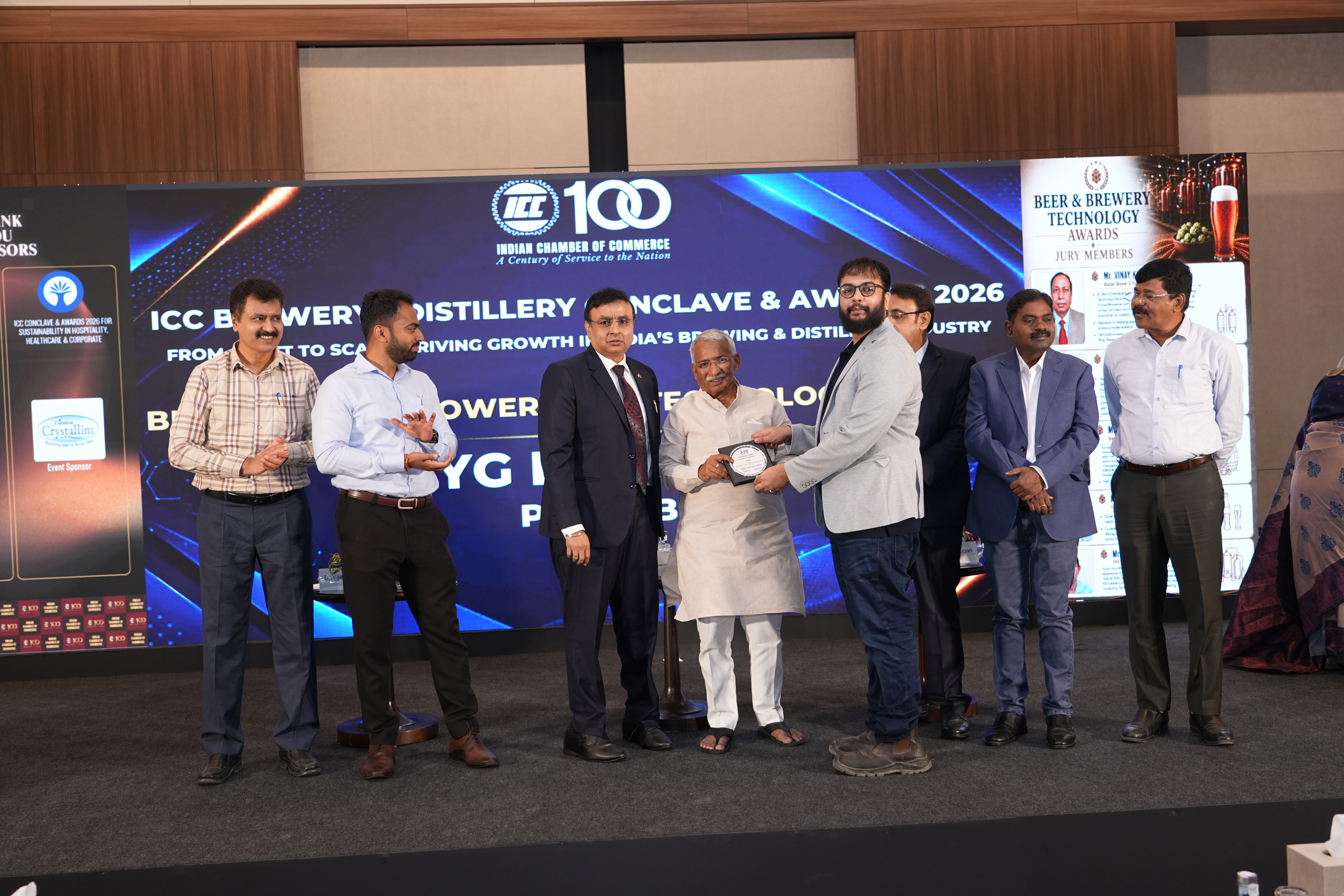
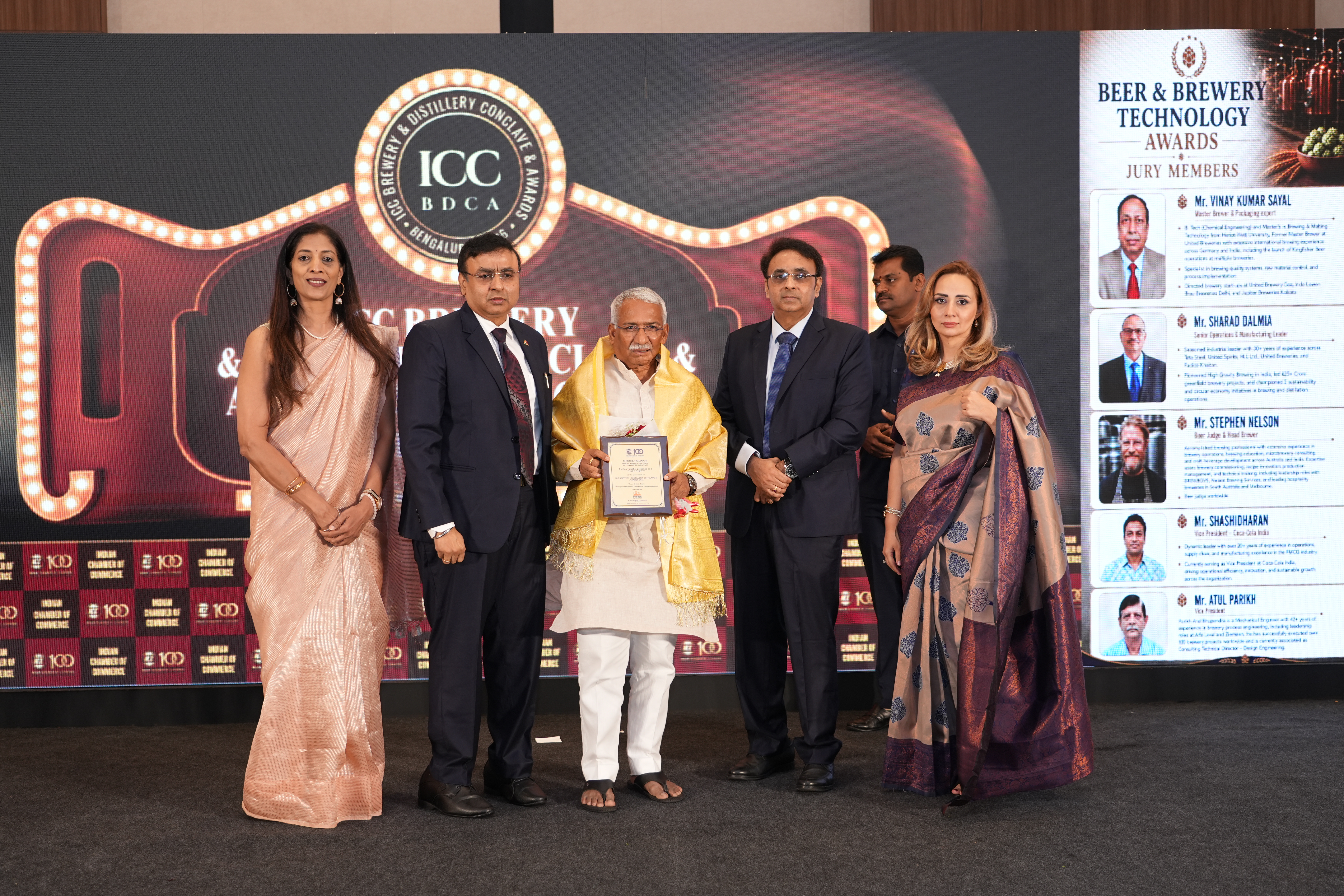
Awards&Achievements
Our relentless pursuit of excellence and innovation has been recognized globally. We take pride in the milestones we've achieved on our journey to transforming the industry.

Let's Discuss Your Packaging Needs
Reach out to our experts to find the perfect packaging solutions tailored for your business. We are here to help you succeed.
Call Us:
+91 93848 06105
Email Us:
info@seppasolutions.com
Location:
No. 7, Parivakkam Road , Chennai - 600 056, Tamilnadu, India.
Request a Quote
Informingyouwithindustryfocusedupdates