Complete Line Solutions for Modern Industrial Production
CompleteLineSolutionsforModernIndustrialProduction
50 years ago, SEPPA started with a single question: why do manufacturers keep buying equipment from five different vendors and then spend months trying to make it all work together? The answer, still relevant today, was that nobody was taking ownership of the whole operation. SEPPA did. That decision shaped everything since more than 1,000 rinsing, filling, and capping lines installed worldwide, across beverage, food, and liquid product categories.
A complete line is not simply a collection of machines. It is an engineered sequence where each stage intake, processing, filling, packaging, palletizing is matched for throughput, calibrated for hygiene, and wired into unified processing systems for control. When that sequence breaks at any point, the whole operation stalls. SEPPA's work over five decades has been about removing those break points.
KeyComponentsofaCompleteProductionLine
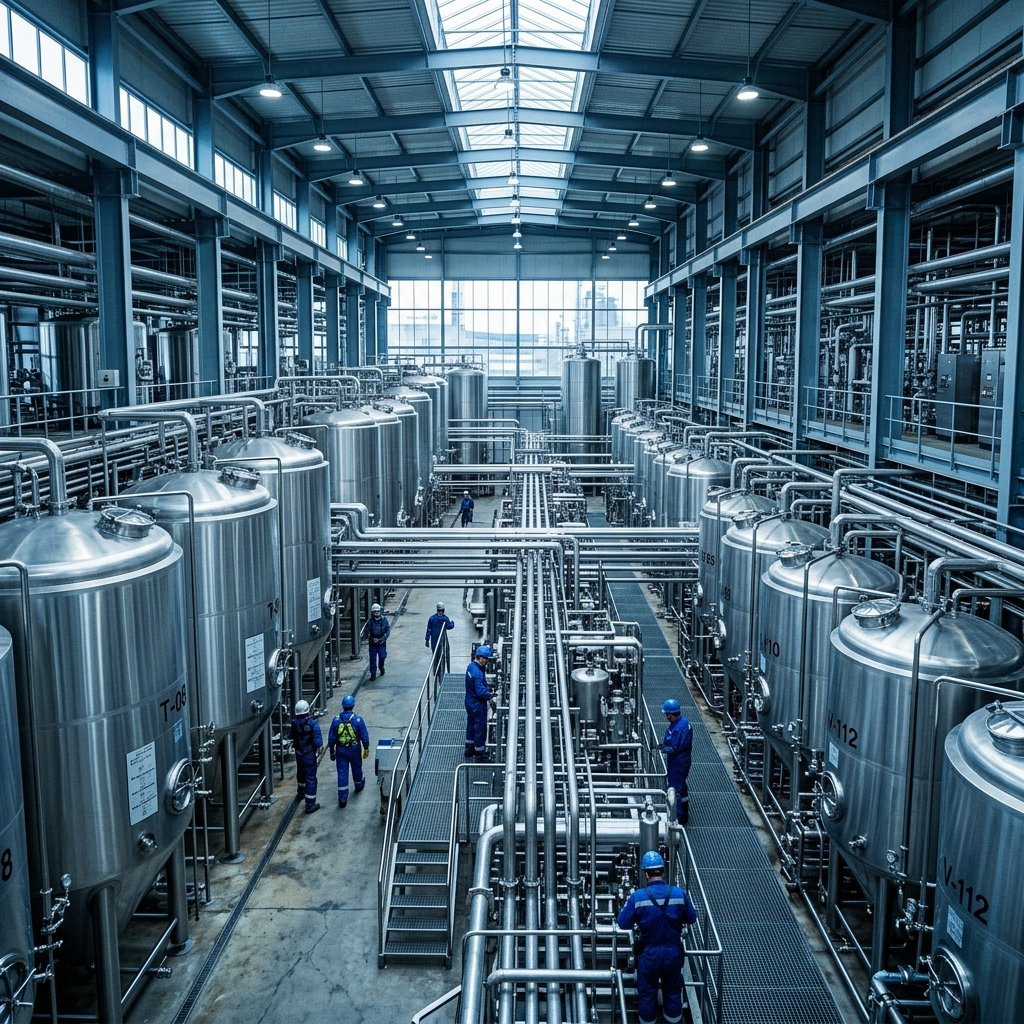
The performance of any production line depends on how tightly its components talk to each other. A fast filler paired with a slow capper creates a bottleneck. A capper paired with a labeler running at different speeds creates another. Line balancing matching the rated output of every machine in the sequence is one of the harder engineering problems in beverage and food manufacturing, and it is where a lot of "complete line" claims fall apart on the factory floor.
SEPPA designs from intake to output as a single flow problem. Raw material handling and buffer zones are sized for the target line speed. Conveyors are not an afterthought they are part of the processing systems architecture, specified to maintain product integrity between stations. The filling and capping block is built around SEPPA's neck-handling RFC system, which lets the same line run bottles of different shapes and lower grammage without a full changeover. For manufacturers who need to launch new packaging types without building a new line, that flexibility matters. Choosing the right processing equipment manufacturer at the design stage one who owns the full line scope is what makes that flexibility available.
The RFC handles both hot fill (up to 80°C) and cold fill (down to 0°C), which means a single complete line can run carbonated soft drinks, juices, water, beer, and temperature sensitive products on the same platform. Shrink wrapping, carton handling, and stretch wrapping are integrated at the packaging end, with pasteurizer equipment available for product lines that require it.
AutomatedProcessingandControlSystems
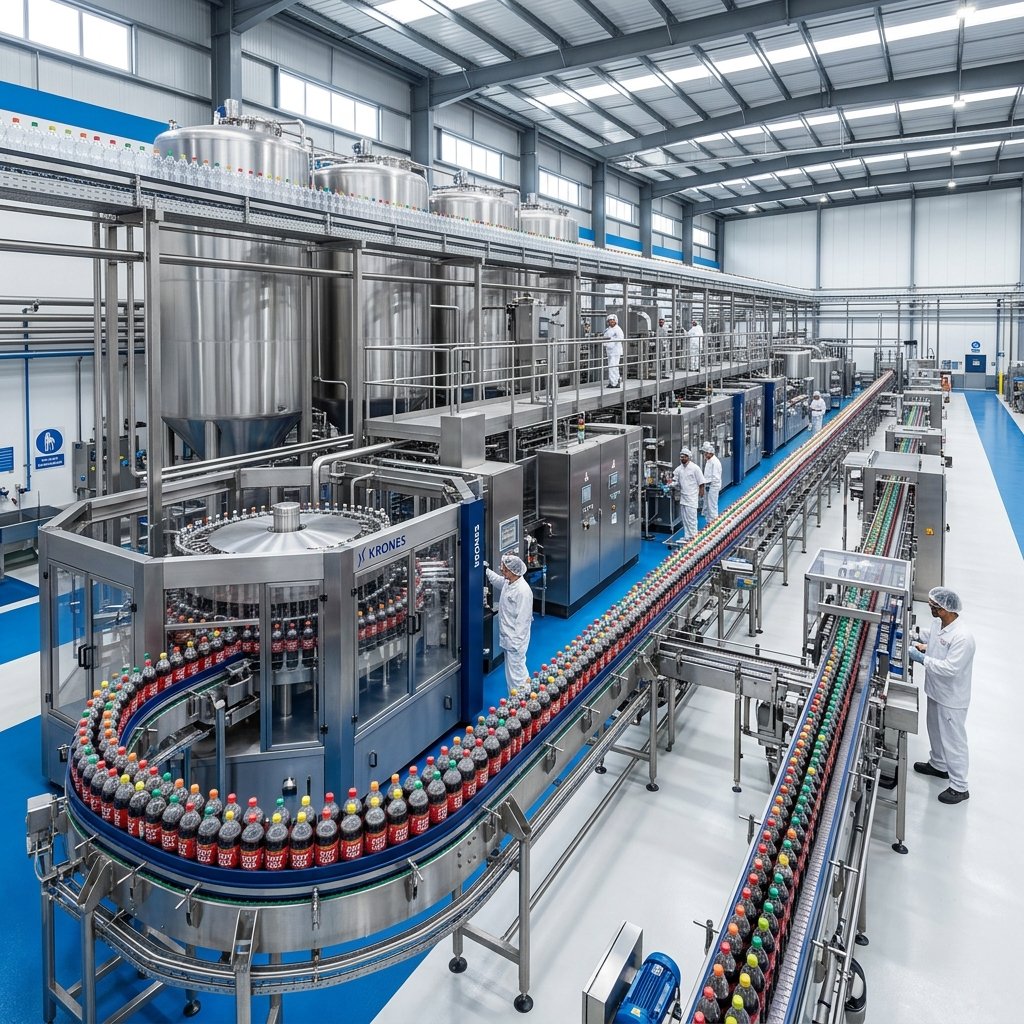
A processing plant running at industrial scale generates data continuously temperatures, pressures, fill volumes, reject rates, OEE percentages. The value of that data depends entirely on whether there is a control system capable of acting on it in time to matter. SEPPA's processing systems use centralized SCADA integration with machine-level PLCs, so operators see the whole complete line in one interface rather than checking individual HMIs at each station.
Sanitation is where a lot of food and beverage lines lose time. A line shut down for manual cleaning is a line not producing. SEPPA's CIP system Clean in Place eliminates the need to disassemble product-contact components for routine cleaning. It runs on a trolley mounted unit with integrated electrical heating, cycling hot caustic and acid solutions through all product contact paths in a closed loop. Special detergent and sterilization agents supplement the acid alkali chemistry to ensure the hygiene standard required in a food processing plant. The cyclic loop design cuts chemical consumption by around 85% compared to single pass cleaning, which is a meaningful operational saving on a high frequency cleaning schedule.
That unit integrates directly with the complete line control architecture, so cleaning cycles can be scheduled, logged, and verified without relying on manual records. For food safety audits, that traceability is worth more than the chemical savings.
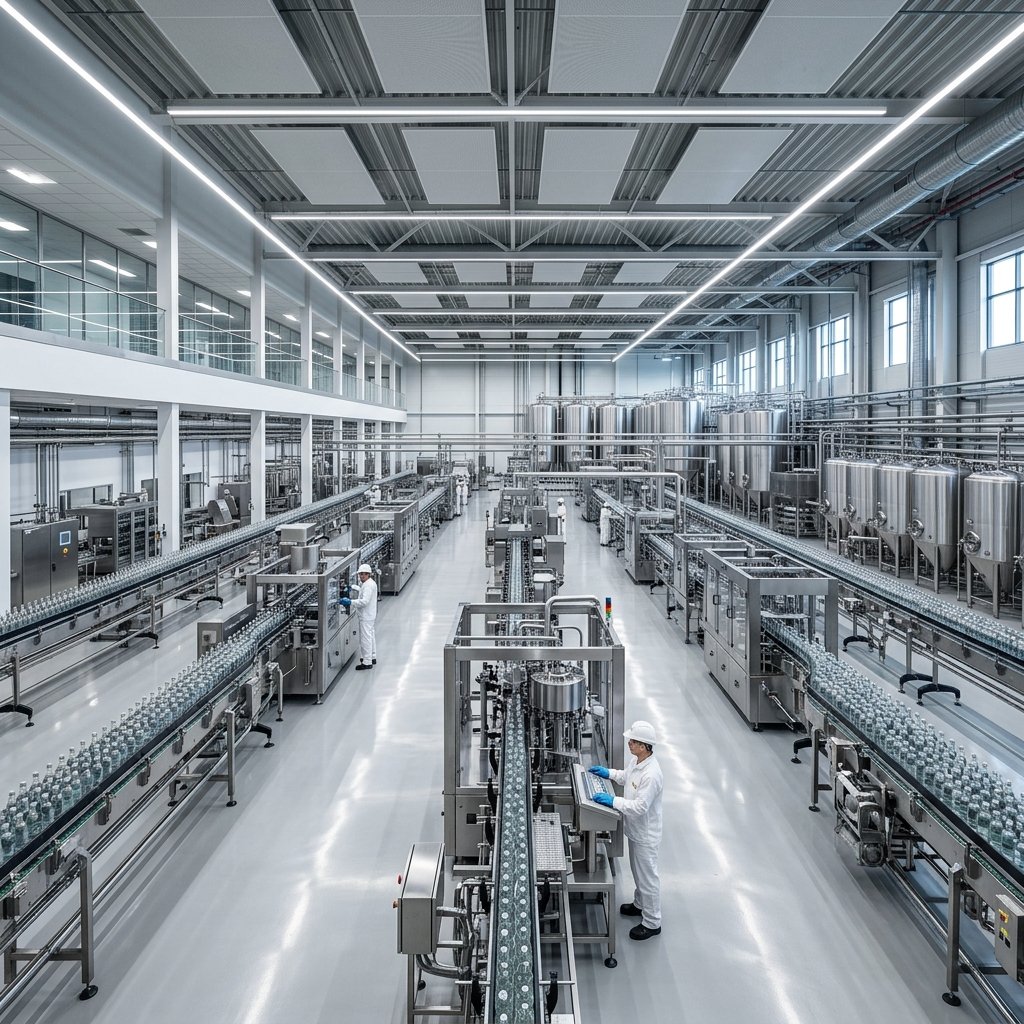
IntegratedFillingandPackagingSolutions
The interface between liquid processing and packaging is where product integrity is most at risk. Pressure variations, temperature drift, and timing mismatches at the filler can produce fill weight deviations, carbonation loss, or contamination events all of which are expensive. In a properly integrated complete line, the filler receives product within a defined temperature and pressure band maintained by the upstream processing equipment, and the downstream capper and labeler operate at exactly the line speed the filler sets.
SEPPA builds that integration from a single engineering scope. There is no interface document between a filler supplier and a capper supplier, because both come from the same processing equipment manufacturer. This is not a small thing. Multi vendor lines spend real engineering time negotiating machine interfaces, and those interfaces are often where problems live years after installation.
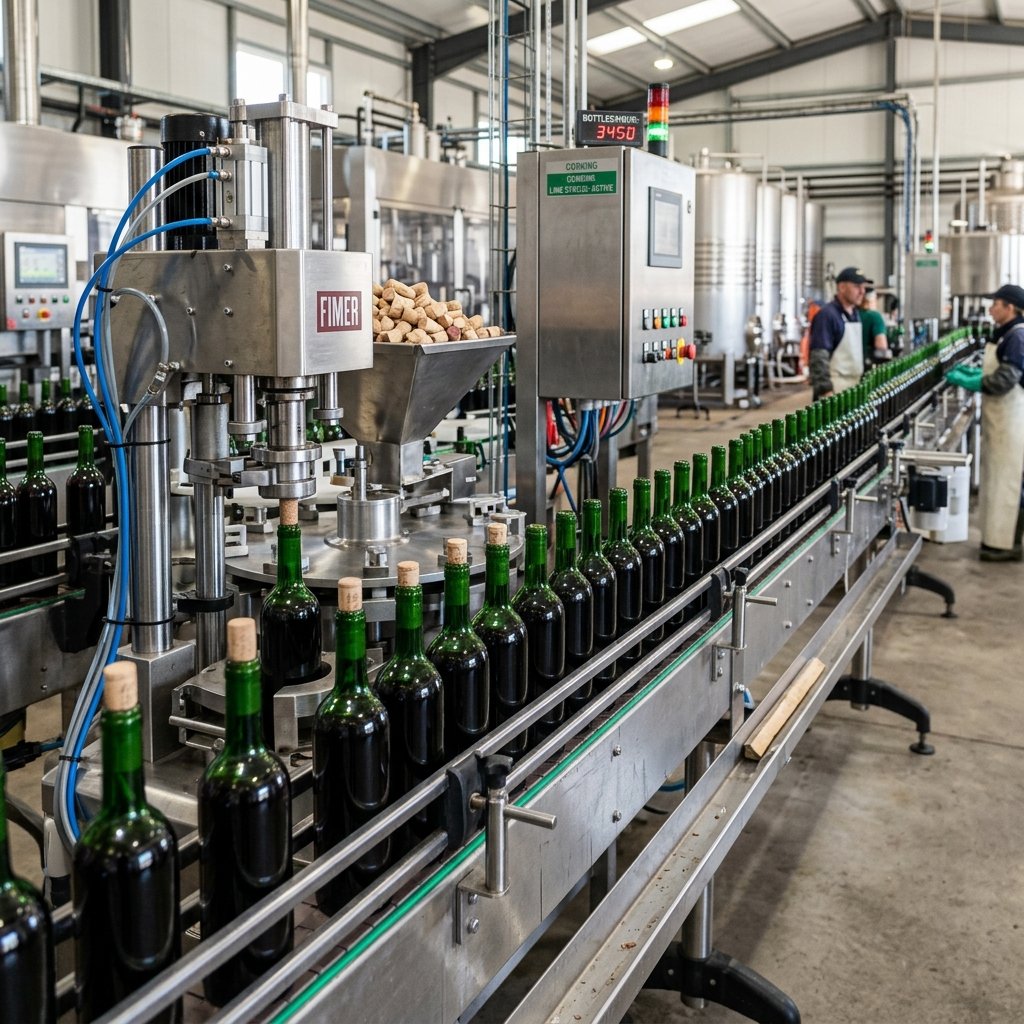
Packaging options within a complete line include shrink wrapped multipacks, carton trays, and stretch wrapped pallet loads, depending on the distribution format. Each format is integrated at the line design stage, not retrofitted later.
WhyManufacturersChooseSeppaSolutions
SEPPA operates as a processing equipment manufacturer that takes responsibility for the full scope not just the equipment, but the line performance.
That responsibility runs from the initial site evaluation through commissioning and into post installation support. Manufacturers who have worked with multi vendor lines know what it costs when nobody will own a cross machine problem. With SEPPA as the single processing equipment manufacturer across the complete line, that situation does not arise.
The hardware is built for the conditions inside an industrial processing plant: continuous duty cycles, aggressive cleaning chemistry, and the operational demands of a food processing plant environment. The processing systems are specified for the product range and line speed, not for a generic benchmark. And the CIP system is not a separate purchase it is part of the line design.
Fifty years of line installations across beverage, dairy, pharmaceutical, and food categories has produced a body of engineering knowledge that is difficult to replicate. SEPPA's engineers have seen failure modes that only appear after thousands of operating hours, and they design around them. That experience shows up in mean time between failures, not in a brochure.
Methodology:EndtoEndEngineeringLifecycle
Site Evaluation & Design
SEPPA's process for a new complete line starts with a site evaluation actual production floor dimensions, utility supply, throughput targets, product range, and any constraints on changeover time. The conceptual design phase produces a line layout with throughput modelling, not a generic proposal adapted from a template.
Fabrication & Acceptance
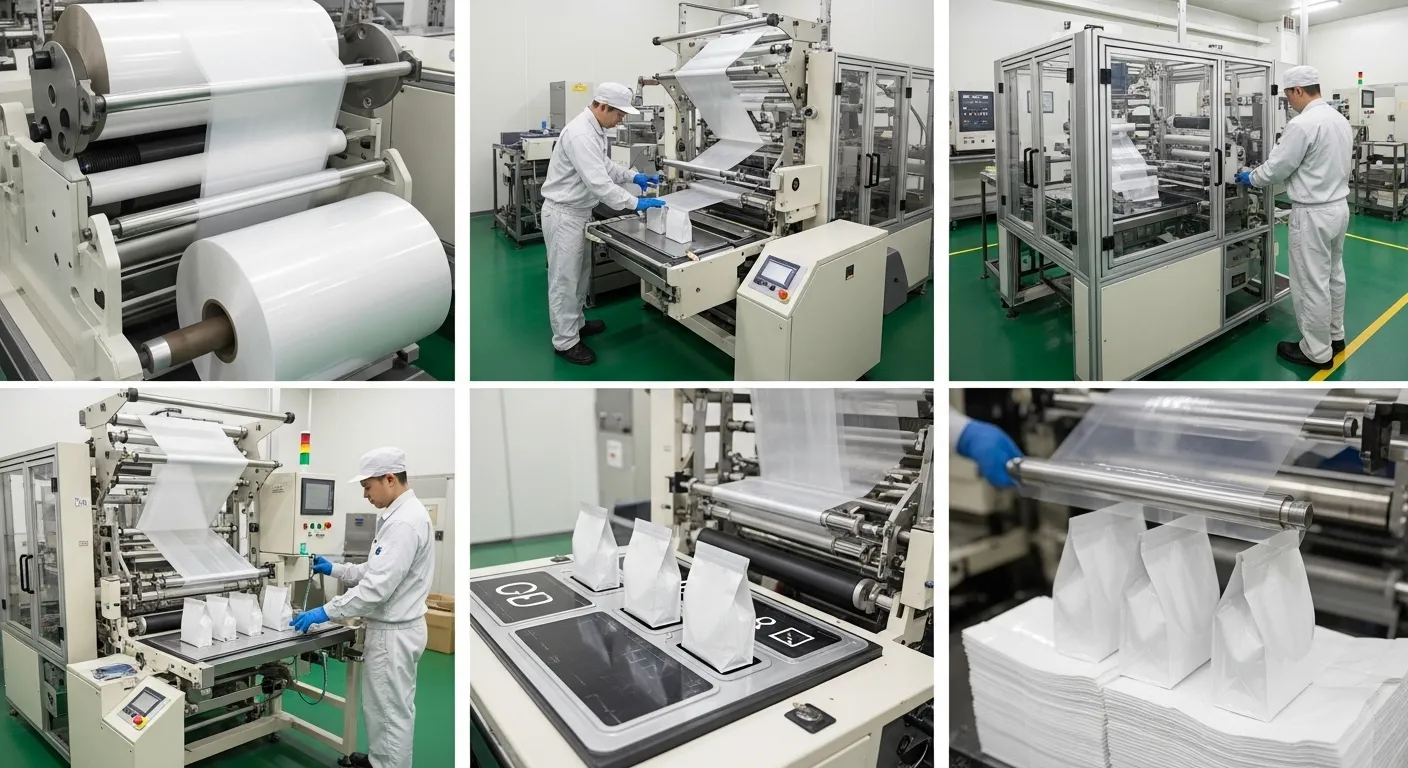
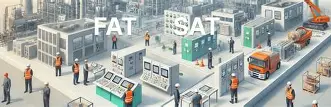
Fabrication happens at SEPPA's own facility, with Factory Acceptance Testing completed before shipment. Installation is followed by Site Acceptance Testing against the agreed throughput and quality parameters.
Commissioning & Training
Commissioning for a food processing plant follows sterile startup procedures and documentation for regulatory compliance. Staff training covers both normal operation and troubleshooting, with attention to the CIP system and changeover procedures that most affect production efficiency.
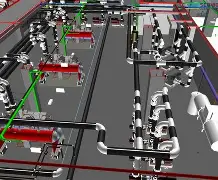
Ongoing Support
Once a processing plant is live, SEPPA provides ongoing support for the processing systems, including spare parts availability and remote diagnostics where the control architecture supports it. The line is not finished at handover it is a long term operational relationship.
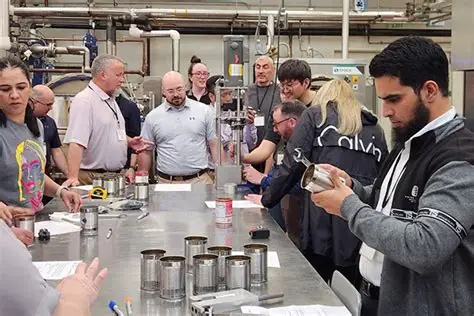
Conclusion: Complete line solutions for modern industrial production. With integrated production lines, automated process systems, and comprehensive engineering expertise, SEPPA supports manufacturers in building more efficient, hygienic, and future-proof production facilities. From planning through fabrication and commissioning to long-term service, SEPPA offers complete solutions for modern industrial production.
FrequentlyAskedQuestions
EmpoweringIndustryLeadersWorldwide














CollaboratingwiththeBestintheIndustry



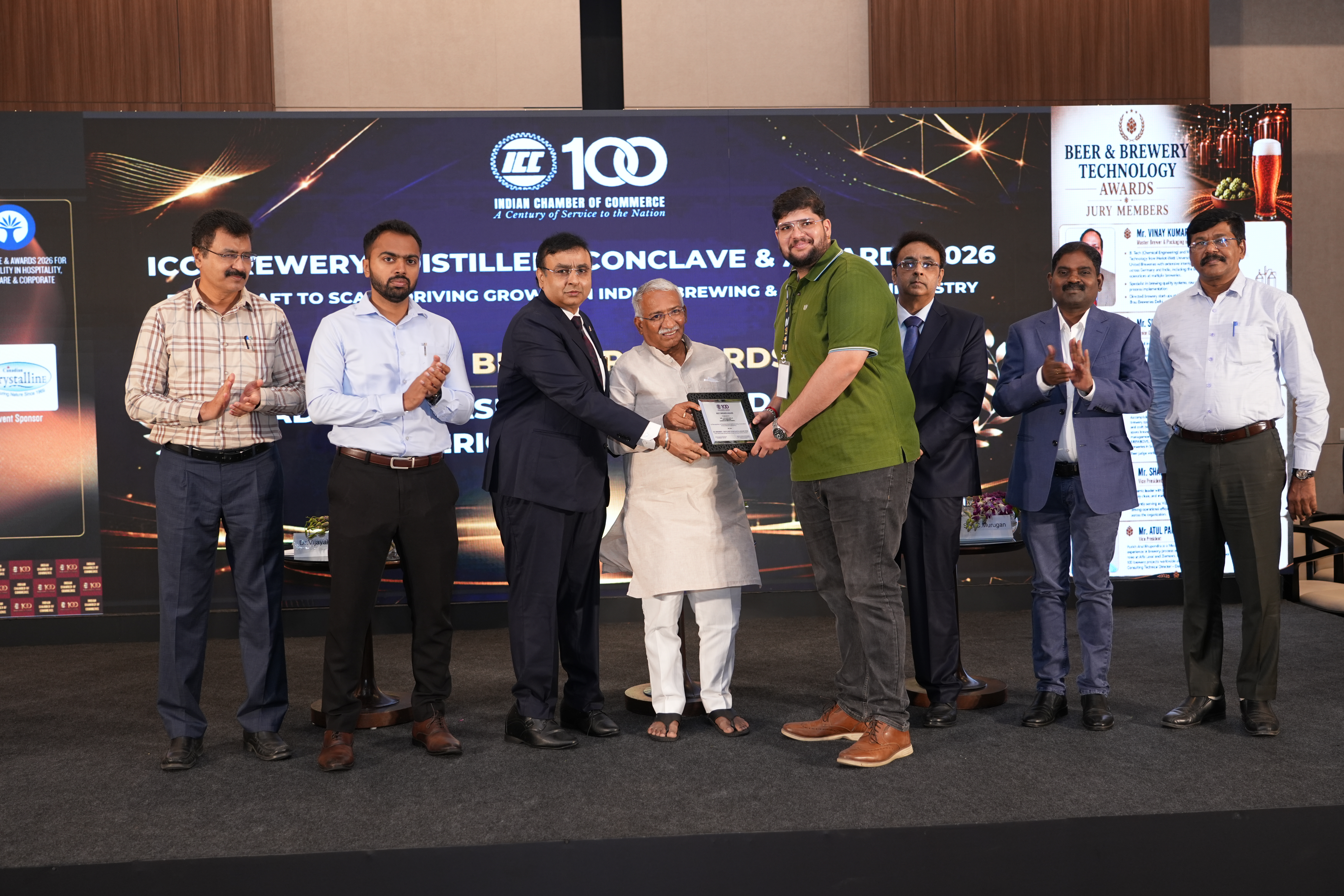
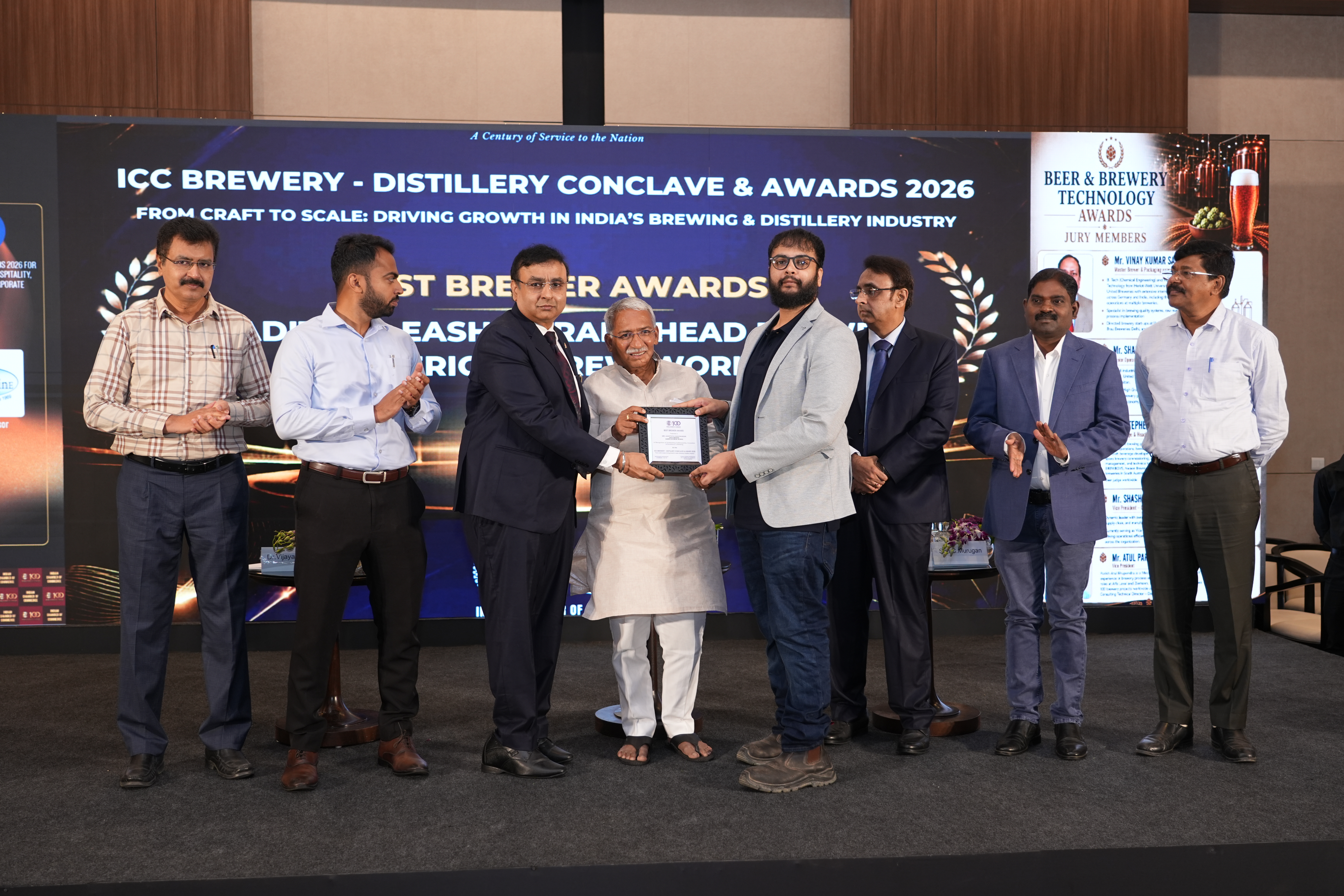
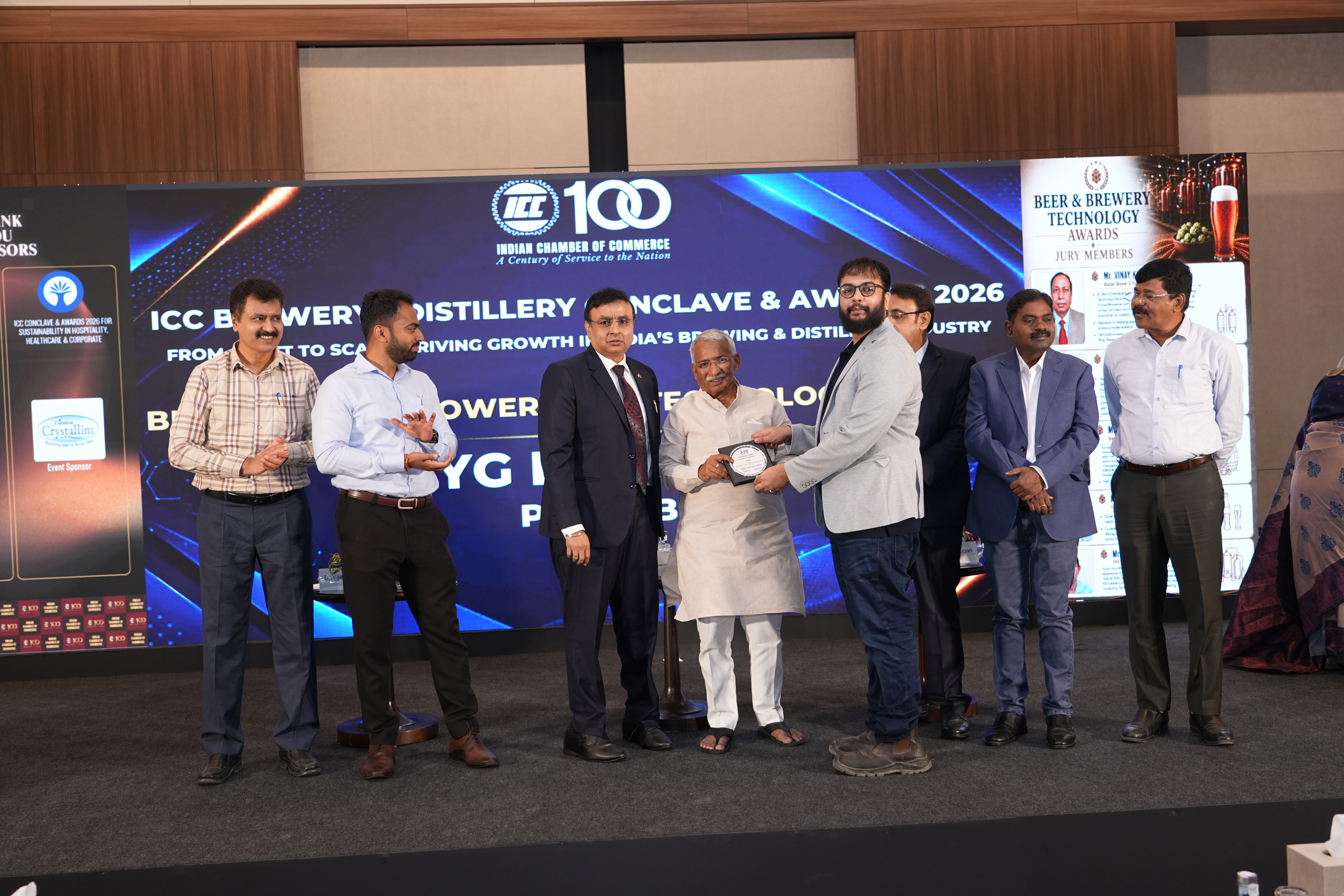
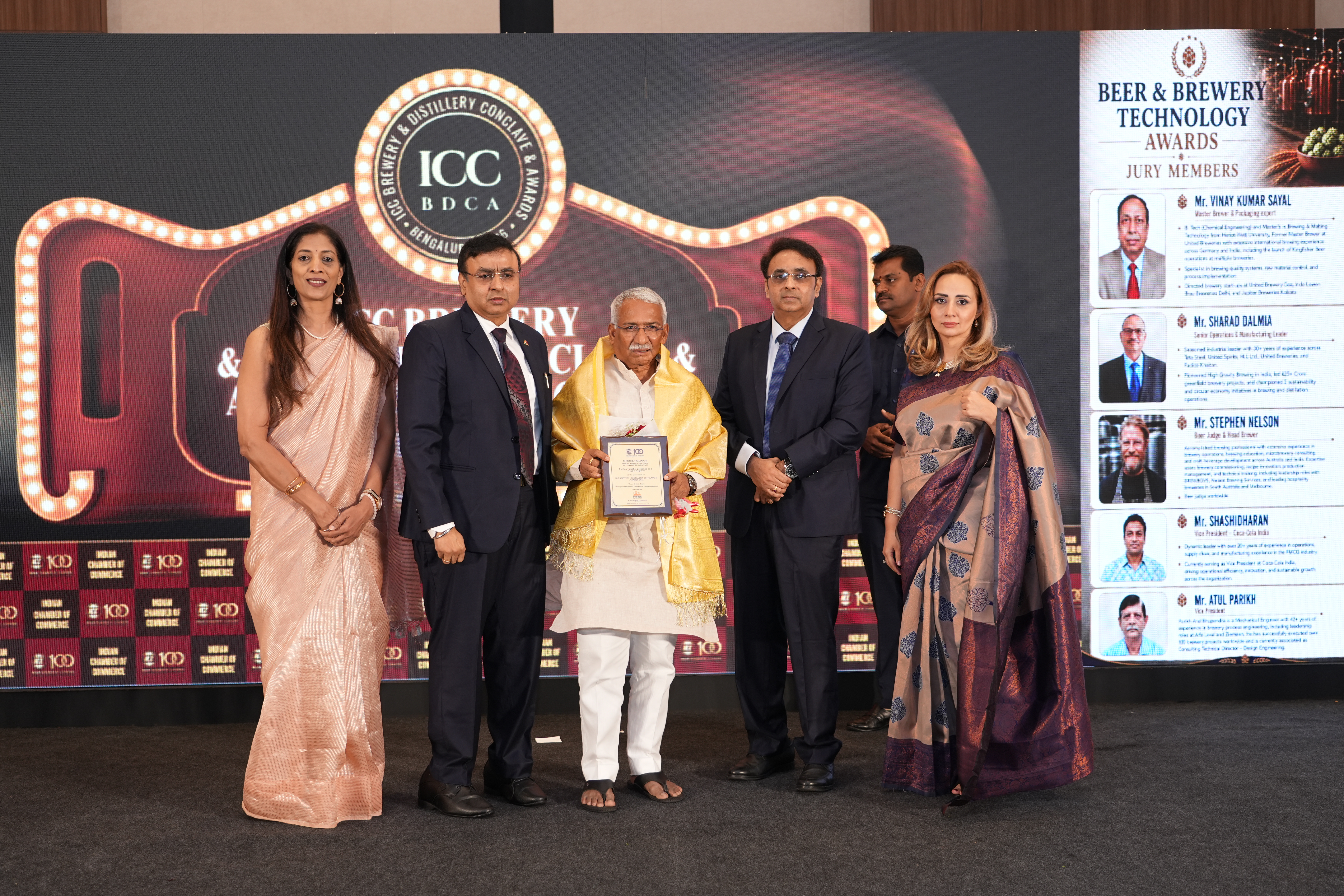
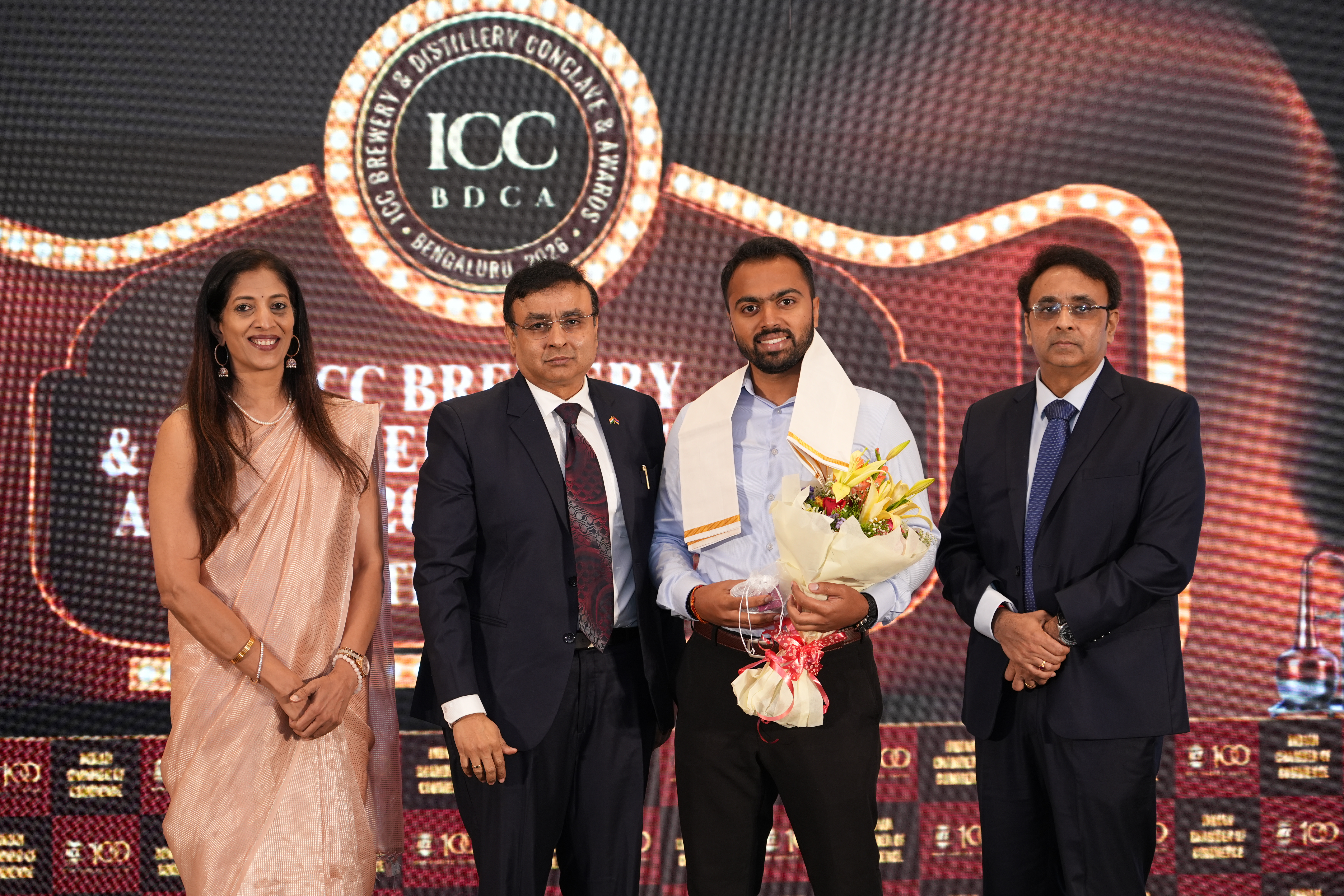
Awards&Achievements
Our relentless pursuit of excellence and innovation has been recognized globally. We take pride in the milestones we've achieved on our journey to transforming the industry.
Let's Discuss Your Packaging Needs
Reach out to our experts to find the perfect packaging solutions tailored for your business. We are here to help you succeed.
Call Us:
+91 93848 06105
Email Us:
info@seppasolutions.com
Location:
No. 7, Parivakkam Road , Chennai - 600 056, Tamilnadu, India.
Request a Quote
Informingyouwithindustryfocusedupdates