Complete Wine Line Solutions | SEPPA Solutions
TheStateofModernWineProduction
Wine is one of the few agricultural products where the method of production is considered as important as the product itself. Winemakers spend years perfecting fermentation profiles, barrel programs, and blending ratios then risk undoing all of it during the final bottling run if the equipment is not up to the task.
That tension sits at the center of what SEPPA has been solving for over 50 years. A properly integrated wine on line does not just automate tasks. The protection goes to the decisions that the winemaker made months or even years back before the product was bottled. Each step in the process, from the fermentation of the Wine on line in the fermenter, to filtration, bottling, labeling, and palletization, influences the organoleptic profile, the shelf life of the product, and the brand image.
The range of configurations available today single variety runs, multi label flexibility, export grade line speeds reflects the actual diversity of how wine is made and sold globally.
AutomatedWineBottlingLines
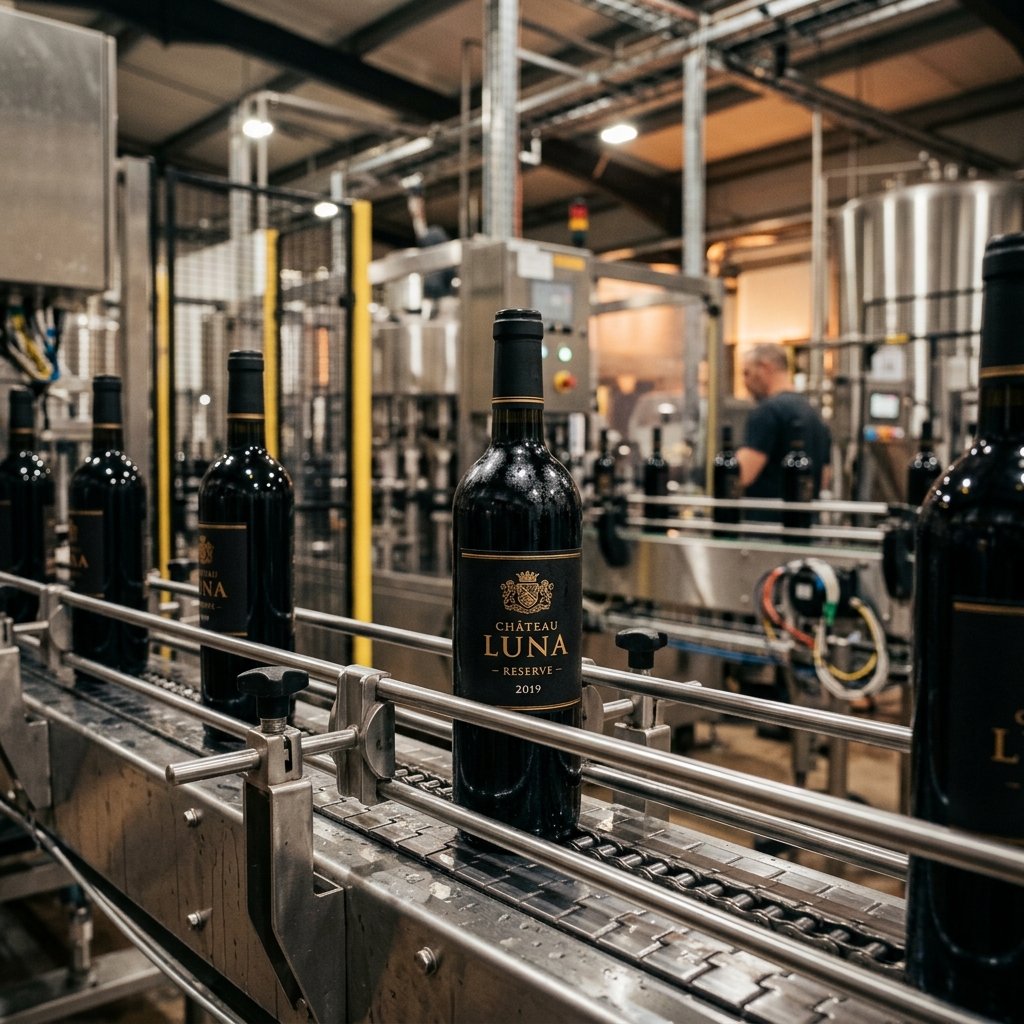
Most of the oxygen absorption takes place at the filling step. Any slight dissolved oxygen increase while bottling may result in early oxidation, reduction in aromas, and destruction of the tannins' profile. This is highly significant for high quality whites, sparkling wines, and natural low sulfur wines that have a low resistance to oxidation.
SEPPA's wine filling machine uses vacuum based filling technology specifically to address this. Since the evacuation process takes place before any liquid enters the bottle, it is possible to maintain dissolved oxygen levels less than 0.1ppm a level which would not have been possible to achieve without dedicated machinery just a few years back. In addition, the Wine on line filling machine uses servo controlled nozzles, meaning the accuracy remains consistent with bottle filling irrespective of speed.
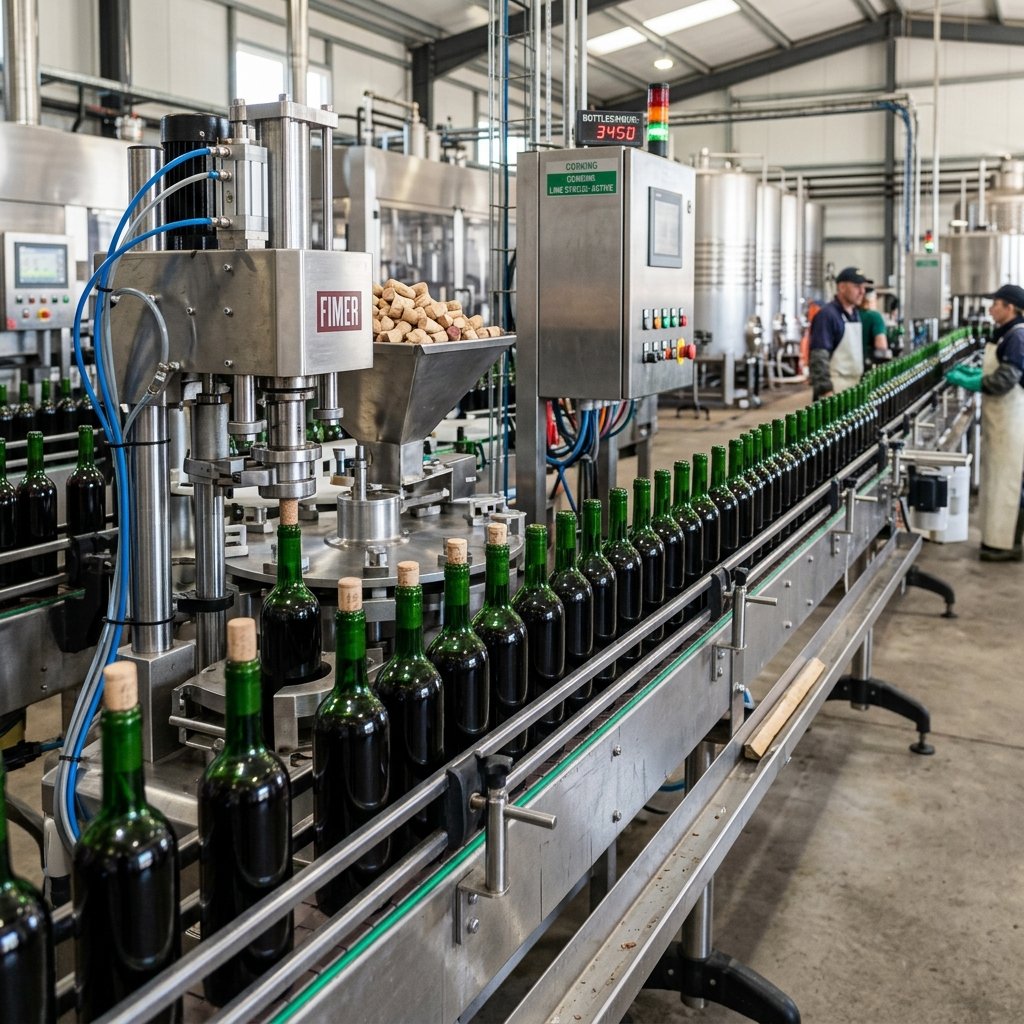
The bottling sequence filling, corking, capsule application, and sealing runs in coordinated synchronization across the Wine on line lines. Downtime between stations is minimized. Pressure transitions between the filler and the corker are buffered to prevent turbulence that could affect fill levels or disturb sediment in unfiltered wines.
The SEPPA's wine filling systems come in various production capacities, ranging from 1,500 bottles an hour for specialty production to above 30,000 an hour for higher production. These systems come with both the CIP and SIP capabilities.
WinePackagingandLabellingSystems
Labelling is not merely an embellishment. When you are dealing with a premium Wine on line brand, labelling may well be the first point of engagement between the product and its user. Incorrect alignment, poor application of glue, or uneven positioning renders the investment in design meaningless.
SEPPA integrates high speed labelling modules directly into the wine on line architecture. Label application is synchronized with bottle rotation sensors, which eliminates the slippage common in older friction drive systems. Whether the bottle profile is Bordeaux, Burgundy, Champagne, or a proprietary shape, the system adjusts without manual reconfiguration.
Date and batch coding modules are embedded in the same line sequence, so traceability data is applied at the same station without adding a separate handling step. This matters for export compliance and increasingly for direct to consumer markets where lot transparency is expected.
The wine bottling equipment at the labelling stage is built to handle paper, synthetic, and film labels with equal accuracy. Shrink sleeve application, neck foil, and back label modules are available as integrated add ons, all controlled from a single HMI interface.
CustomWinerySolutionsforDifferentWineTypes
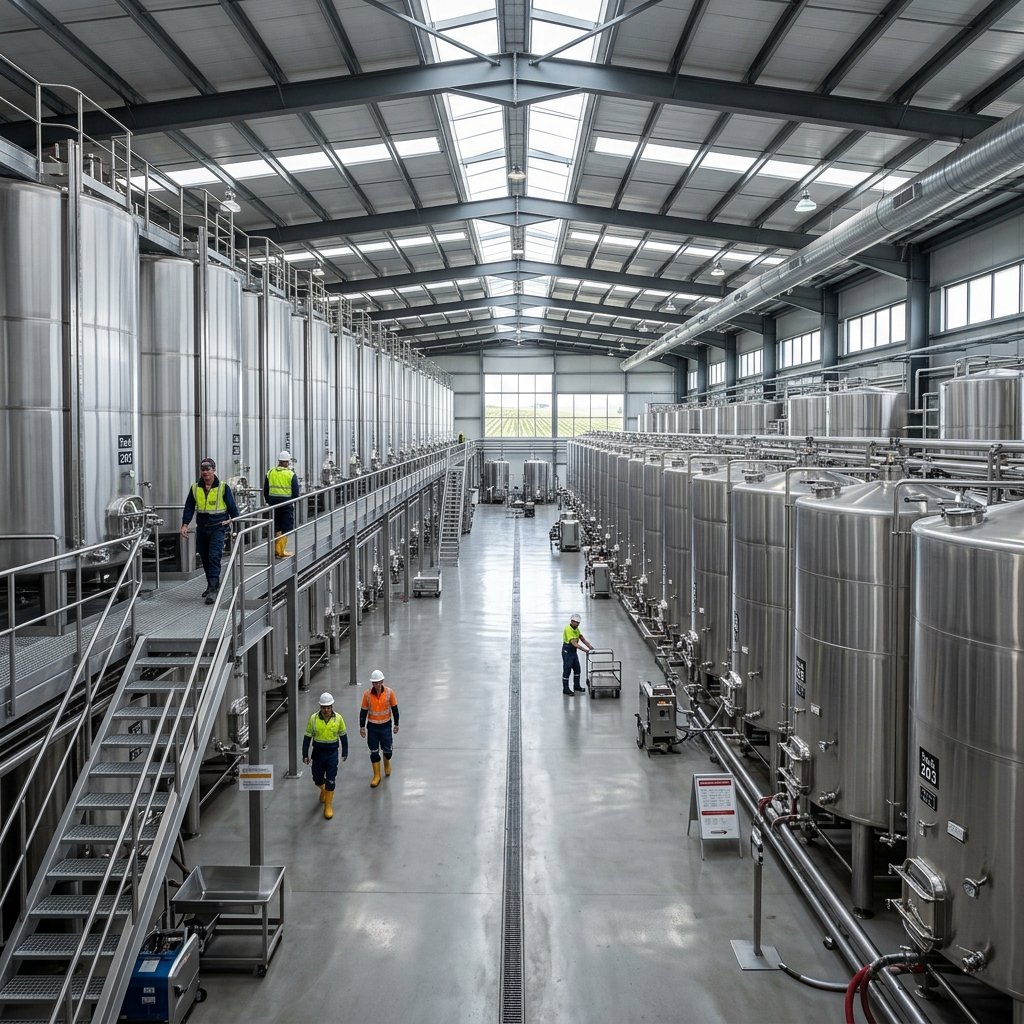
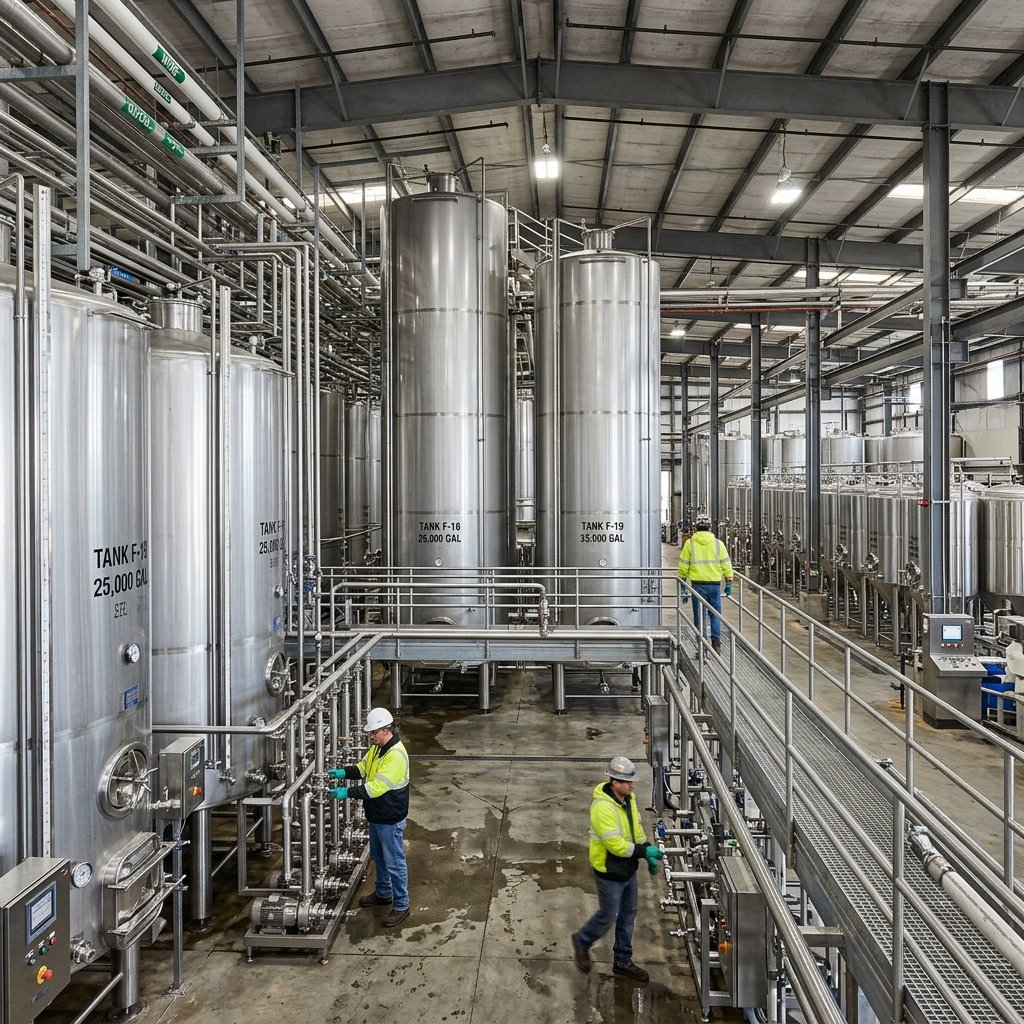
Not every wine is made the same way. A high volume commercial rosé operates under completely different production logic than a single barrel Barolo or a method traditionnelle sparkling Wine on line. The equipment choices and especially the wine fermenter configuration reflect those differences directly.
In small batch, artisan production environments, SEPPA engineers compact wine on line processing facilities using temperature controlled fermenters with glycol cooling jackets, and the ability to manage the exact temperatures required for fermentation is the key distinction between a “good” ferment and a problematic one that results in either getting “stuck” or being otherwise compromised by thermal stress.
For larger operations, the wine fermenter selection shifts toward high capacity vessels with integrated lees management systems and automated pump over scheduling. These scale with the wine on line to support continuous production across multiple varietals simultaneously, each tracked independently through the line control system.
SEPPA's team works through the varietal requirements, production volume targets, and facility constraints before specifying the equipment. The wine lines are built around those differences, not retrofitted to ignore them.
WineFiltrationSystemandTurnkeyEngineeringSupport
Filtration is the quality stabilization step that most consumers never think about and that winemakers think about constantly. A poorly specified wine filtration system removes too much and strips the wine of texture, colour, or aromatic complexity. One that is under specified allows microbial instability or protein haze that shortens shelf life and generates returns.
SEPPA designs the filtration system around the specific wine type, target market, and stability requirements. Cross flow filtration is the preferred method for wines that need to be clear but not have their taste compromised due to the loss of flavour experienced when using diatomaceous earth or plate and frame filtration methods.
The turnkey engineering model covers facility audit, equipment specification, civil work coordination, installation, commissioning, and sterile validation. For the wine filtration system specifically, commissioning includes integrity testing of membrane elements, validation of clean in place protocols, and documentation suitable for regulatory or export certification purposes.
SEPPA's engineering team stays involved through the production ramp-up phase, not just the installation. This is where most line efficiency problems surface and where early intervention avoids the kind of process variability that shows up in finished product quality.
BenefitsofaCompleteWineProductionLine
The case for an integrated line versus assembled point solutions comes down to three things: consistency, traceability, and total cost of ownership.
Consistency improves when all equipment runs under coordinated control. A wine filling machine that communicates with upstream filtration and downstream labelling eliminates the buffer losses and manual handling steps that introduce variability. Fill accuracy, label registration, and closure torque are all monitored from a single system.
Traceability is complete when the wine on line generates unified production records. Batch coding, CIP logs, fill weight data, and filtration pressure trends are captured in one platform rather than across multiple disconnected systems.
Total cost of ownership is lower when wine bottling equipment is designed for maintainability. SEPPA builds equipment with standardized components, accessible service points, and predictive maintenance alerts built into the HMI.
WhyChooseSEPPAforWineProductionLines
SEPPA's track record across 7,000+ installations in more than 50 countries is a starting point but what matters more to a winery evaluating equipment is whether the system will work for their specific product, volume, and facility constraints.
SEPPA constructs the Wine on line using modular designs to be incorporated with existing infrastructure wherever feasible, and replacement will only be advised if the engineering justifies doing so. This has firsthand knowledge of the engineering aspects involved in making wine: oxygen free filling, material compatibility with sulfites, controlled temperatures during conveyance for sparkling wine, among others.
A complete wine on line from SEPPA is not a catalogue sale. It is a specified, installed, and validated system, backed by service infrastructure that outlasts the installation team's visit.
WineProductionLineMethodology
Facility Audit
The first step in this process involves conducting a site review to ascertain the nature of the existing utility systems, floor space, ceiling height, temperature control system, and equipment present at the location.
Equipment Selection
The fermenter specification, wine filtration system sizing, filling speed, and packaging configuration are determined based on production targets and product mix. This is where the wine on line design takes shape.
Installation & Commissioning
SEPPA's installation teams work in coordination with local civil contractors. Equipment is installed, utilities are connected, and the full wine on line is tested under production conditions before handover.
Validation
The filling equipment and filtration system undergo protocol based validation, including fill accuracy tests, dissolved oxygen measurement, and CIP verification. Documentation is provided as part of the commissioning package.
Ongoing Support
Spare parts, remote diagnostics, and field service are available post commissioning. The wine lines are supported through their full operational life.
FrequentlyAskedQuestions
EmpoweringIndustryLeadersWorldwide














CollaboratingwiththeBestintheIndustry


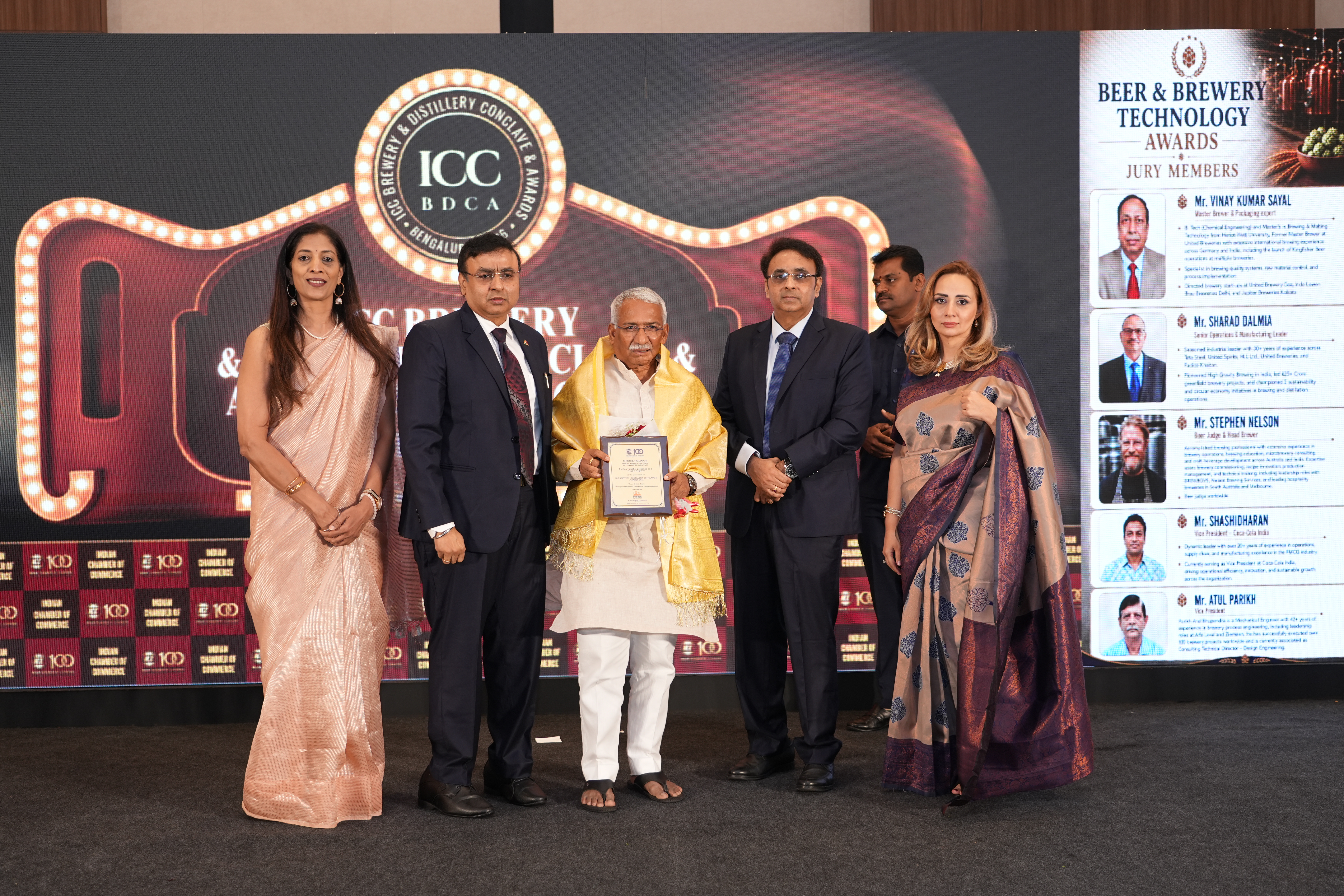
Awards&Achievements
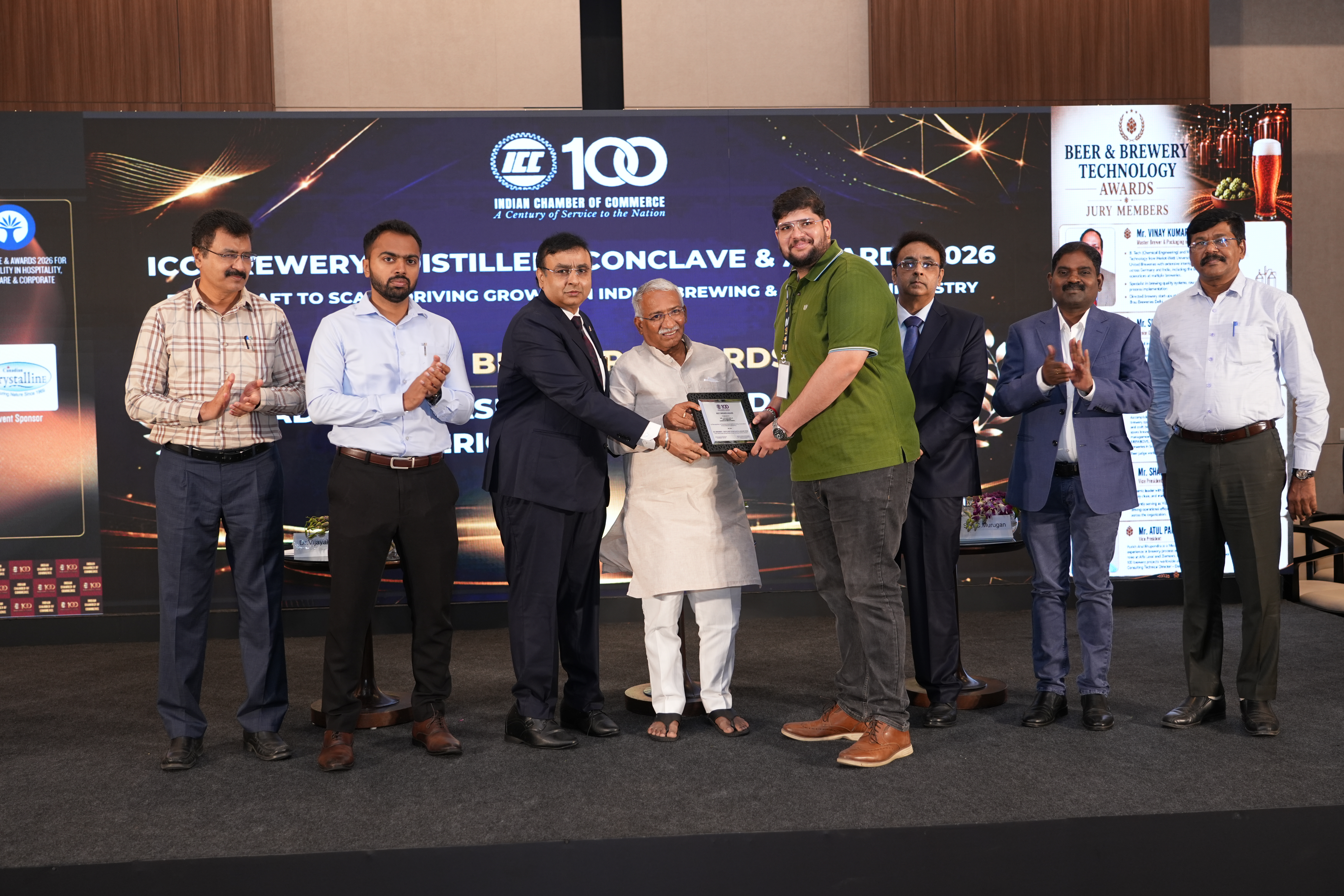
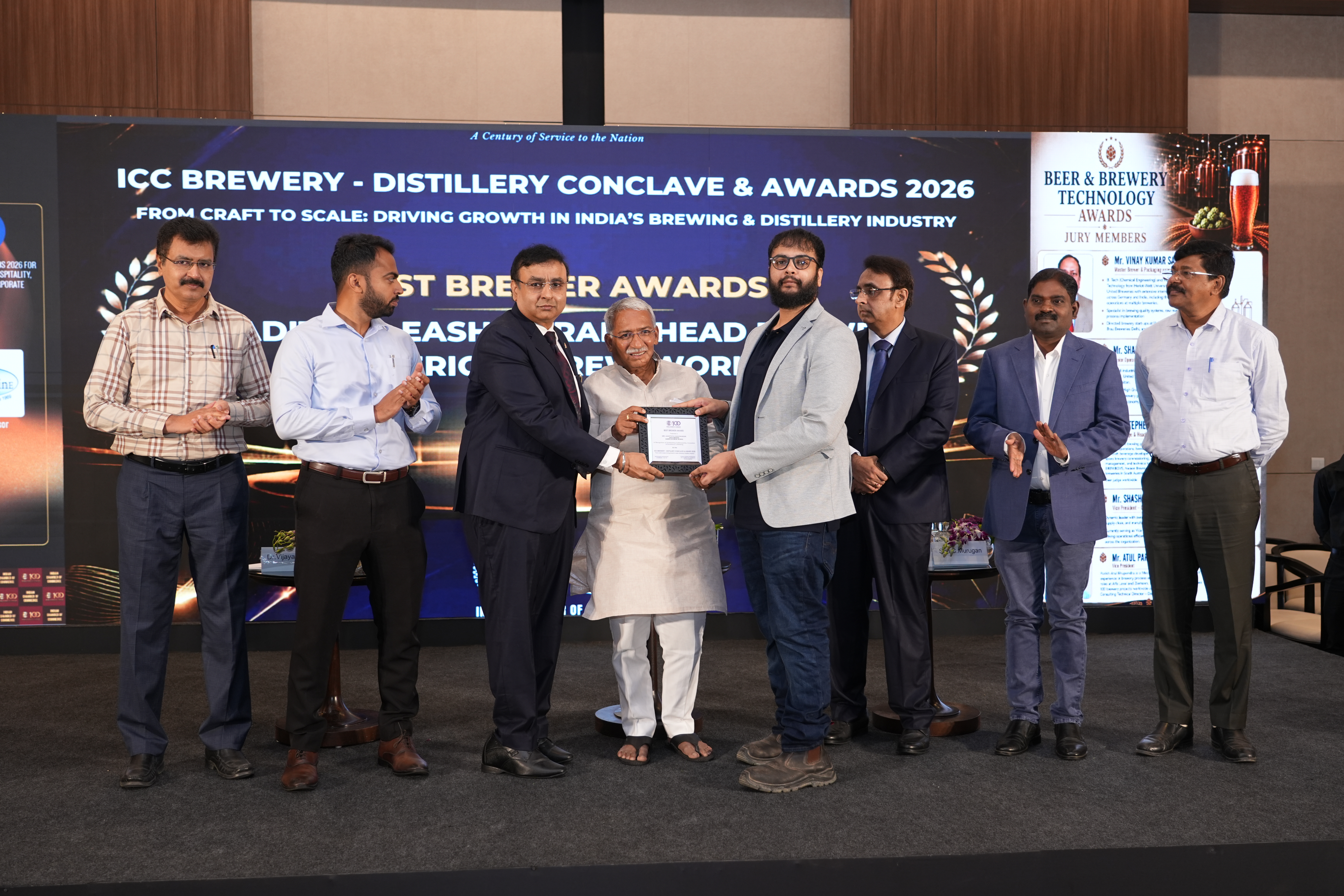
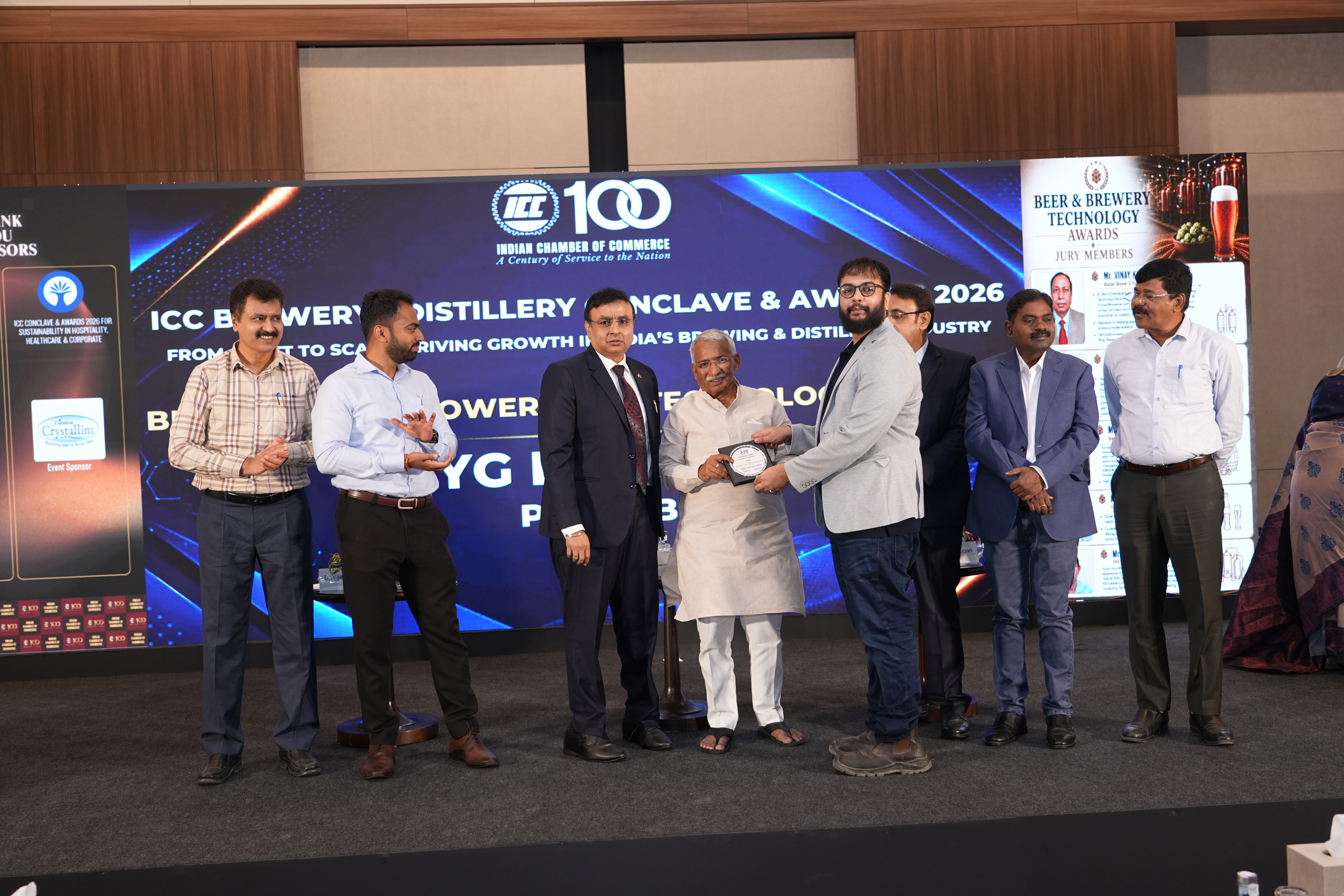
Our relentless pursuit of excellence and innovation has been recognized globally. We take pride in the milestones we've achieved on our journey to transforming the industry.

Let's Discuss Your Packaging Needs
Reach out to our experts to find the perfect packaging solutions tailored for your business. We are here to help you succeed.
Call Us:
+91 93848 06105
Email Us:
info@seppasolutions.com
Location:
No. 7, Parivakkam Road , Chennai - 600 056, Tamilnadu, India.
Request a Quote
Informingyouwithindustryfocusedupdates