Bottle Handling Systems
WhatIsaBottleHandlingSystemandWhyIsItEssentialforModernPackagingLines?
Every bottling plant runs on movement. Bottles travel from the blow molder or depalletizer through filling, capping, labelling, and inspection before reaching the end of line packer and every meter of that journey depends on bottle handling. If flow breaks down at any stage, the entire line stops.
The difficulty is not moving containers from one point to another. It is doing so consistently at speeds that can exceed 600 bottles per minute, across multiple container formats, without tip overs, jams, or surface damage. At those throughputs, a two second micro stop cascades backward into accumulation zones and forward into starvation at the filler.
A chain and a motor are not enough you need a coordinated system where every conveyor segment, guide rail, and drive unit responds to the same real time production signal. SEPPA designs bottle conveyor system around this reality. The architecture is always site-specific; the component selection always follows the bottle, not the catalog.
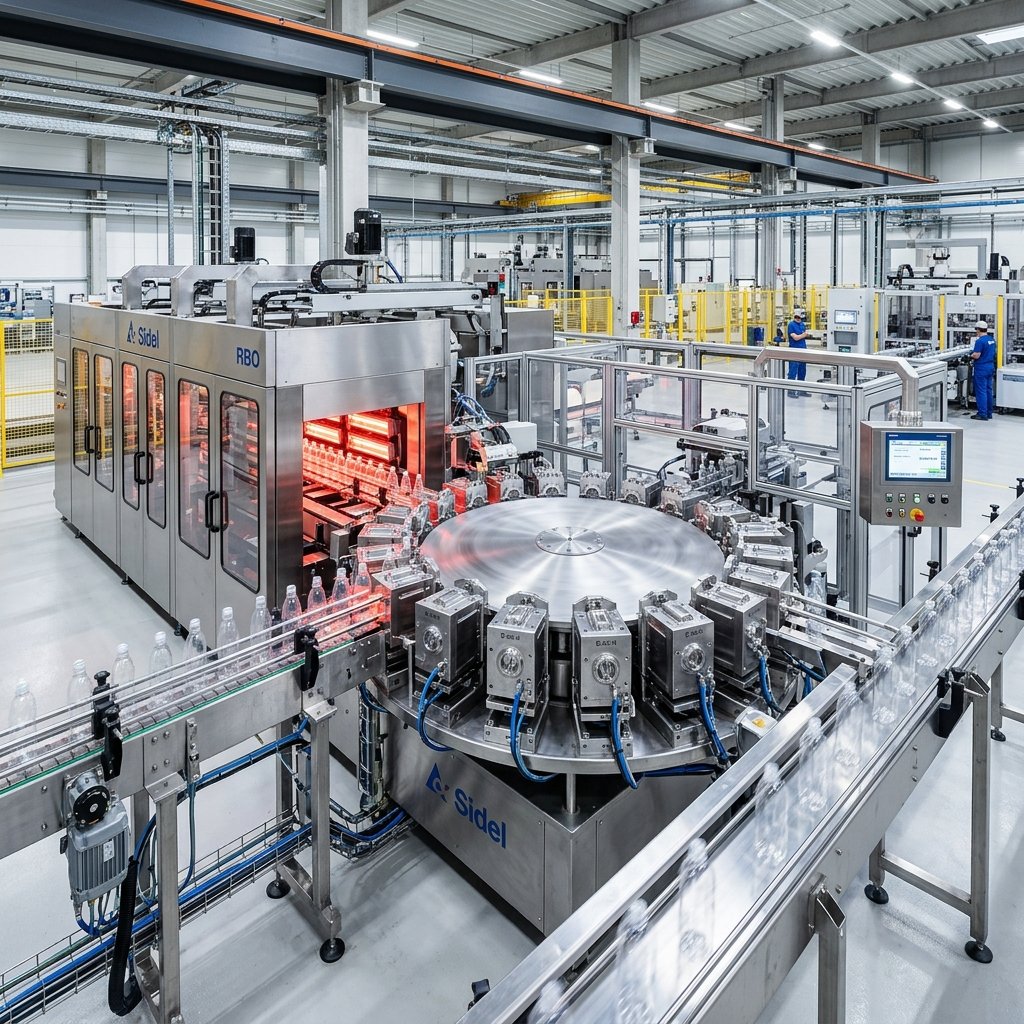
CompleteRangeofBottleHandlingEquipmentforEfficientProductionOperations
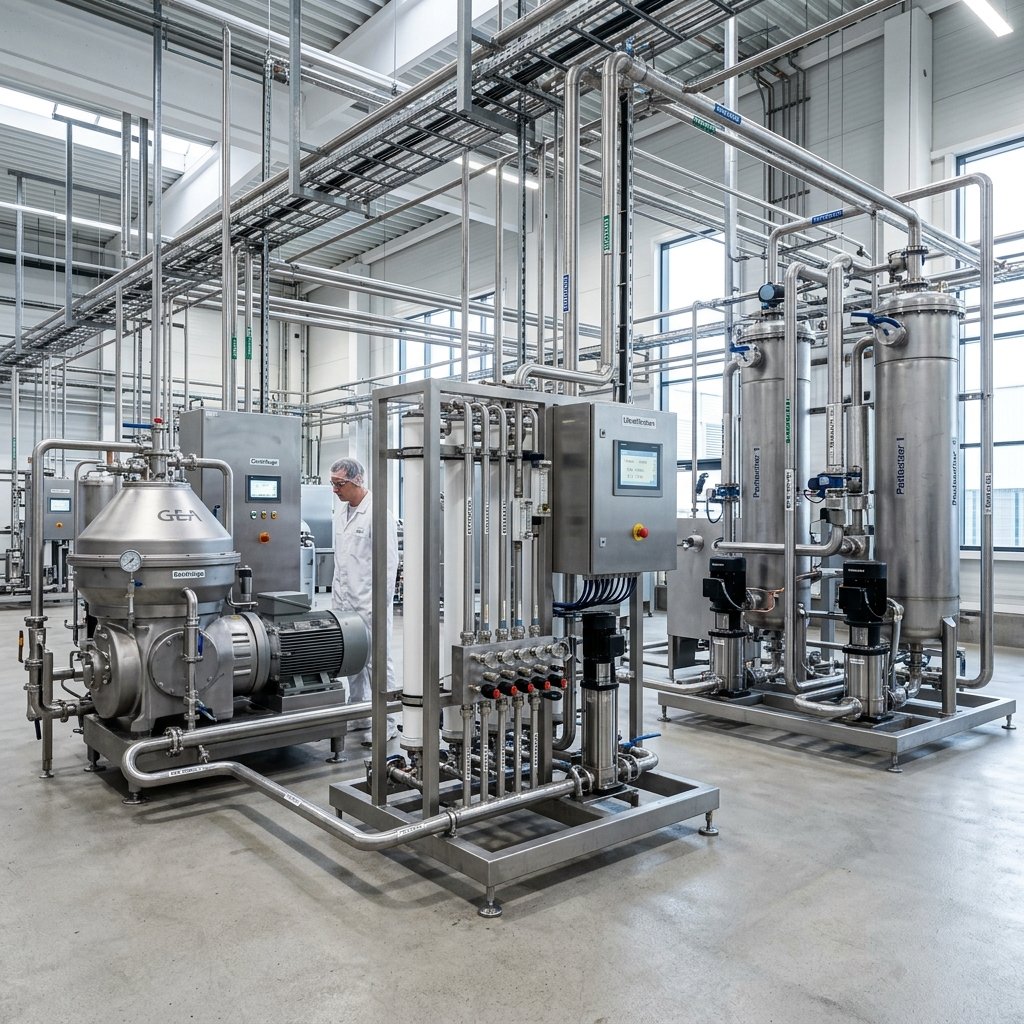
SEPPA's bottling line equipment covers the full material flow path, from the moment an empty preform becomes a bottle to the moment a finished case exits the packing station.
•Air Conveyance for Empty PET: For empty PET bottles, pneumatic conveyance is the starting point. An air conveyor system suspends bottles by their neck ring and moves them through an overhead track using directed airflow from centrifugal blowers. Friction is essentially zero. Tip overs are mechanically impossible. Speeds routinely reach 800–1,200 bottles per minute without any surface contact between containers. This is the correct technology for lightweight, top heavy bottles coming off a blow molder mechanical chain at those speeds would bounce, tip, and jam.
•Mechanical Chain Conveyance for Filled Bottles: Once bottles are filled and their center of gravity shifts below the container midpoint, mechanical conveyance takes over. SEPPA's industrial conveyor systems for this stage include slat chain conveyors, belt conveyors, accumulation conveyors, and crate chain conveyors each selected based on container geometry, load weight, and required line tension. For glass specifically, chain pitch and lubrication rate are critical. Too much lubrication and bottles hydroplane into the guide rails; too little and the friction coefficient climbs until drive motors overheat under back pressure.
•Bottle Inverters: SEPPA manufactures bottle inverters as part of the standard bottling line equipment range. When hot filled product requires neck sterilization or when a preservative agent needs to contact the bottle cap the inverter rotates containers through a controlled arc and holds them inverted for a defined dwell time. Vertical inverters handle floor space constrained layouts; side twisters work where headroom is the limit.
HowBottleHandlingSolutionsImproveProductivity,Safety,andLineEfficiency
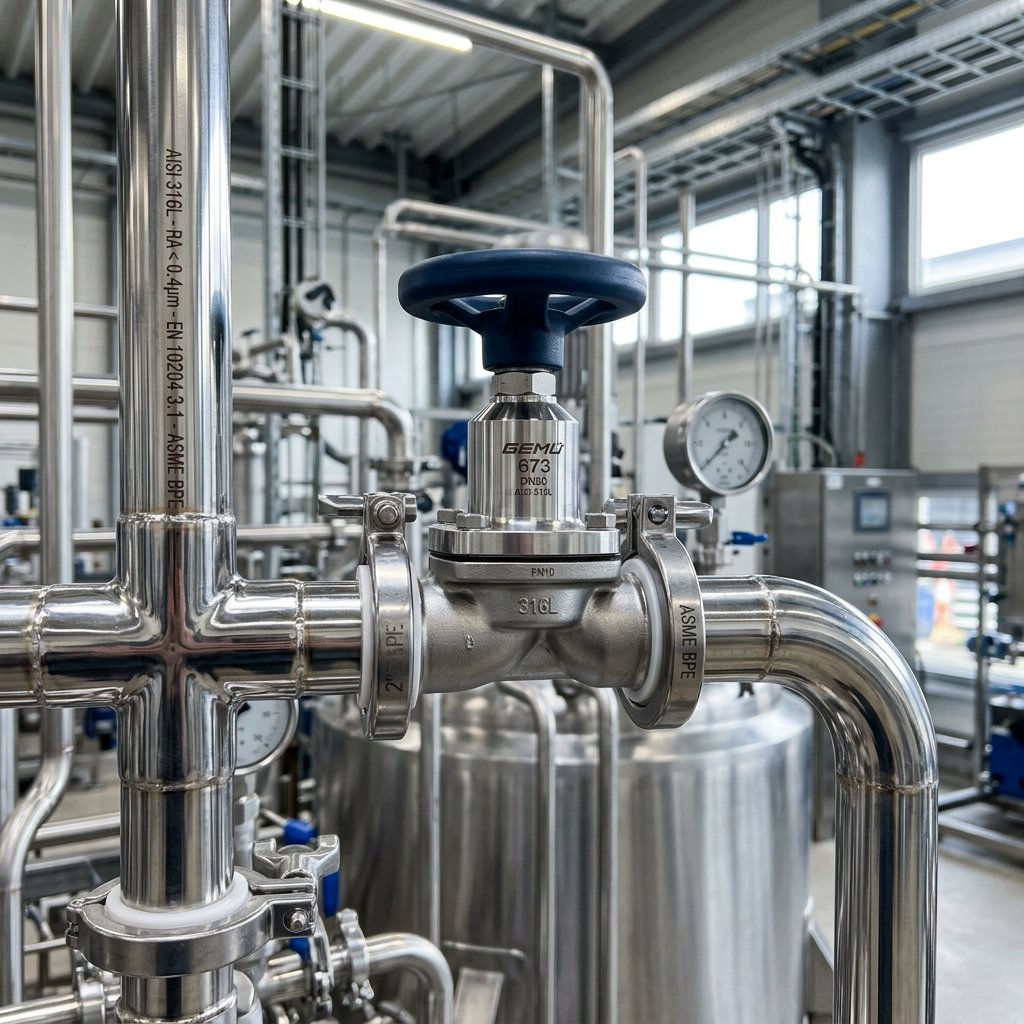
The OEE impact of poor bottle handling is easy to measure once someone is willing to log it.
On a line running 300 bottles per minute, a jam that takes ninety seconds to clear and occurs three times per shift loses around 1,350 bottles of output daily before counting damaged containers, operator time, and the residual line imbalance that persists for minutes after a restart. Across a five day week, that is nearly 6,750 bottles of unproduced product from a problem that properly tensioned, properly guided bottling line equipment would have prevented.
Safety has a similar logic. Guide systems that keep bottles upright reduce the manual intervention required to clear tip overs and that intervention is where operators get closest to moving chain and rotating machinery. SEPPA integrates safety guards into the conveyor frame structure from the design stage; they are not bolted on after the fact.
Noise is rarely in the commercial conversation but matters on the plant floor. SEPPA's low noise chain conveyors use composite wear strips and isolation mounted drive units to keep operational dB levels within regulatory limits. On lines where operators work adjacent to the industrial conveyor systems equipment for a full shift, that is not optional.
ApplicationsAcrossBeverage,Food,Pharma,andFMCG
The demands on bottle handling differ significantly by sector, and the engineering has to reflect that.
Beverage
water, CSD, beer, juice prioritizes throughput above everything else. Lines run continuously for extended shifts. Slat c...
Pharmaceutical and nutraceutical
lines add constraints that do not exist in food and beverage. Bottle handling here must support clean in place protocols...
FMCG and personal care
present a different problem: high SKU count, frequent format changes, and shorter production runs. Here, flexibility mat...
KeyFeaturesandBenefitsofAutomatedBottleHandlingSystems
The practical advantages of a well configured bottle conveyor system show up at the OEE level, not in the spec sheet.
Low friction UHMW wear strips
Low friction UHMW wear strips on guide rails reduce the lateral force bottles exert against guides. This cuts abrasion o...
VFDs on every conveyor motor
VFDs on every conveyor motor are standard on all SEPPA industrial conveyor systems. They allow each segment to ramp spee...
Accumulation table sizing
Accumulation table sizing matters more than most people budget for. A mass flow accumulation table positioned between th...
WhyChooseSEPPASolutionsforBottleHandlingandConveyorSystems
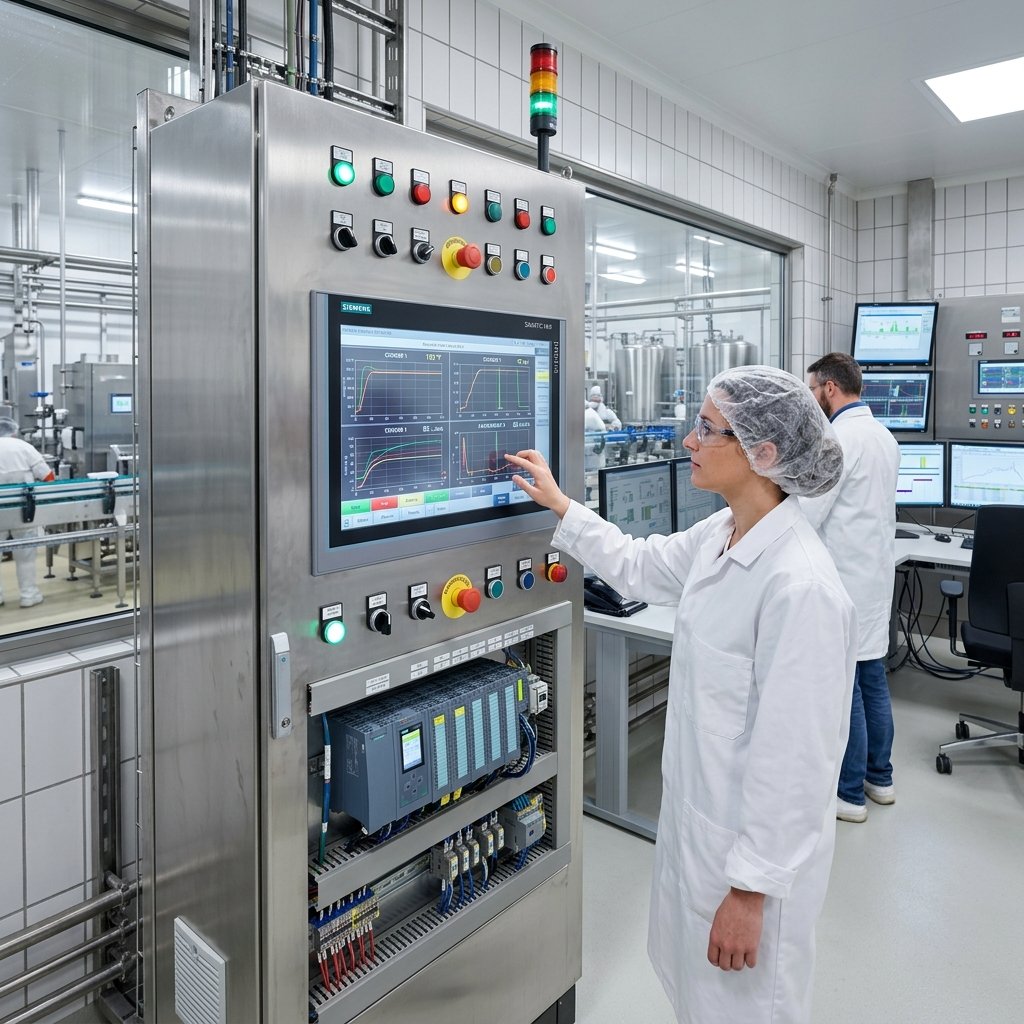
SEPPA builds conveyor frames from large section tubulars with stainless steel side panels. Frame rigidity affects bottle stability directly, especially on curves and at transitions between segments flex in the structure introduces vibration that compounds into tip overs at speed.
The bottle conveyor system each customer receives is engineered for that site. Standard catalog conveyors require compromise in length, curve radius, and drive placement. SEPPA's process starts with the layout constraints and designs the industrial conveyor systems around them.
What major bottlers consistently cite is predictable maintenance. Chain stretch rates, wear strip replacement cycles, and motor service schedules are documented with each system not left for the maintenance team to determine through trial and error. That documentation is part of what SEPPA delivers.
The full scope air conveyor systems, slat chain conveyors, accumulation tables, bottle inverters, and packing conveyor stations is supplied and commissioned under a single engineering responsibility. This eliminates the interface disputes that occur when multiple vendors each own part of a line and each directs blame at the adjacent supplier.
OurMethodologyforDesigningandIntegratingBottleHandlingSystems
The integration process runs in three phases.
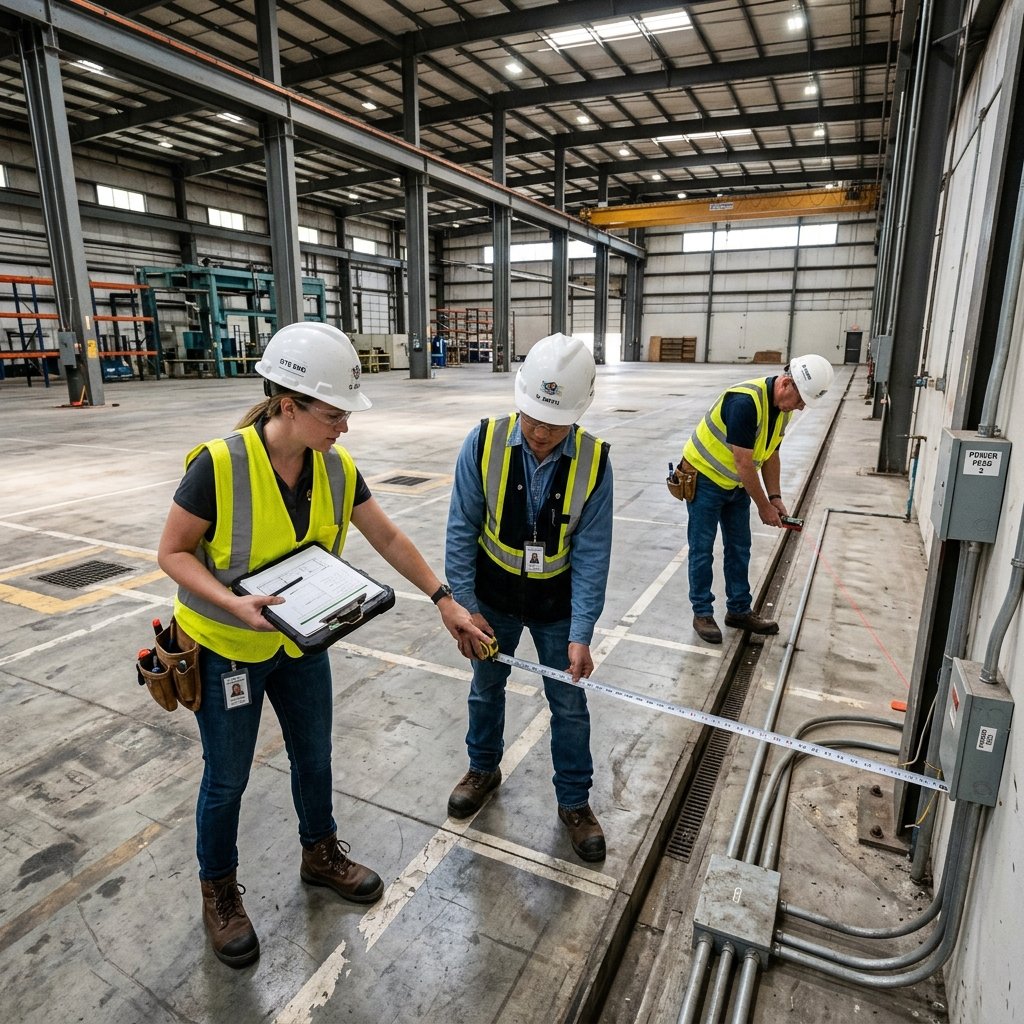
Phase One: Layout Analysis
SEPPA maps available floor space, ceiling height, and utility connections against the required throughput and bottle format range. This determines whether an air conveyor system or mechanical chain is appropriate at each stage, and where accumulation must sit to buffer speed mismatches between machines.
Phase Two: Drive Architecture
PLC linked VFD control is configured across all motor driven segments so speed changes propagate through the bottle handling system in sequence, not as shock loads. Synchronization parameters are set during commissioning on the actual line they cannot be reliably estimated from a desk.
Phase Three: Interface Validation
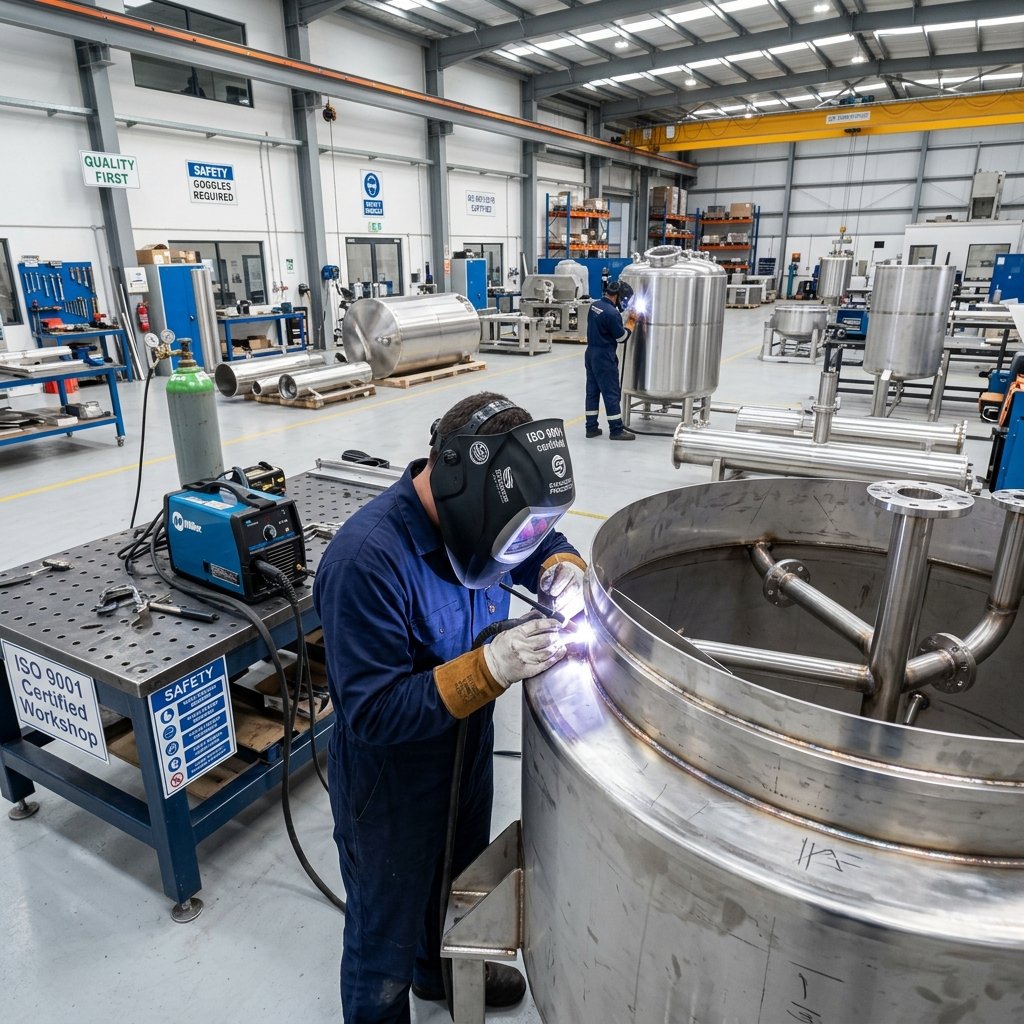
The packing infeed is where bottle handling precision has the most direct effect on throughput. Irregular bottle spacing, pitch deviation, or inconsistent orientation at this point causes packer faults. SEPPA runs timed trials at each machine interface before sign off to confirm that the infeed condition is within the packer manufacturer's specification.
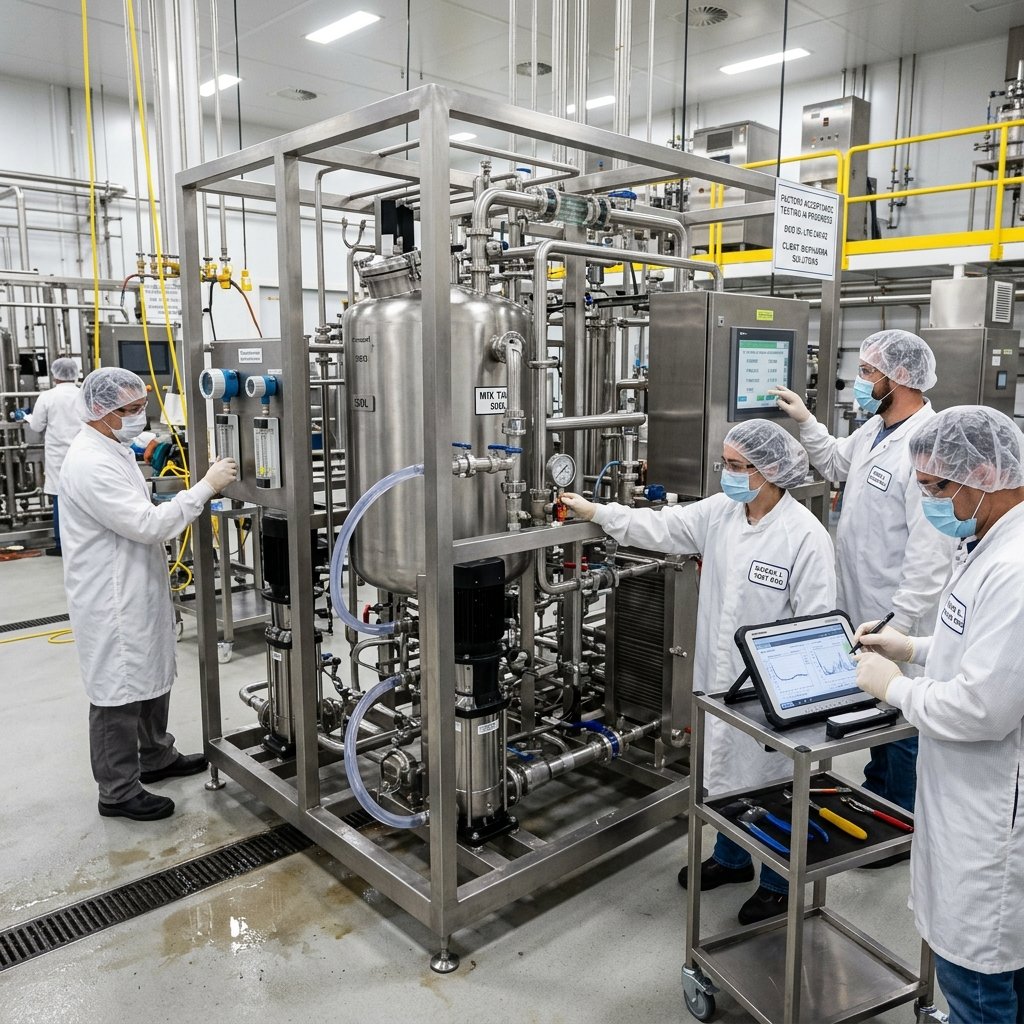
The result is bottling line equipment where every module blow molder to casing station runs within its rated window.
FrequentlyAskedQuestions
EmpoweringIndustryLeadersWorldwide














CollaboratingwiththeBestintheIndustry



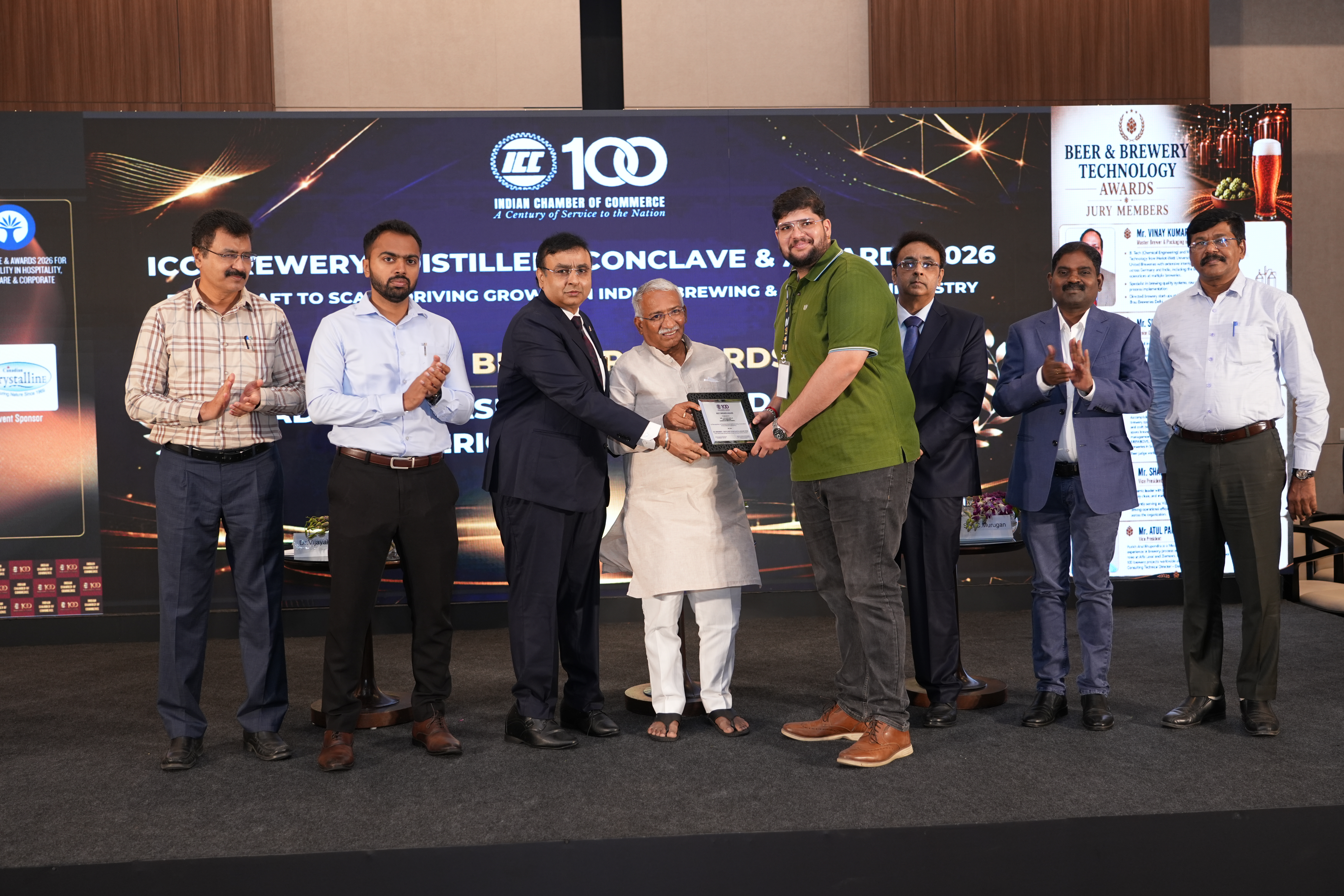
Awards&Achievements
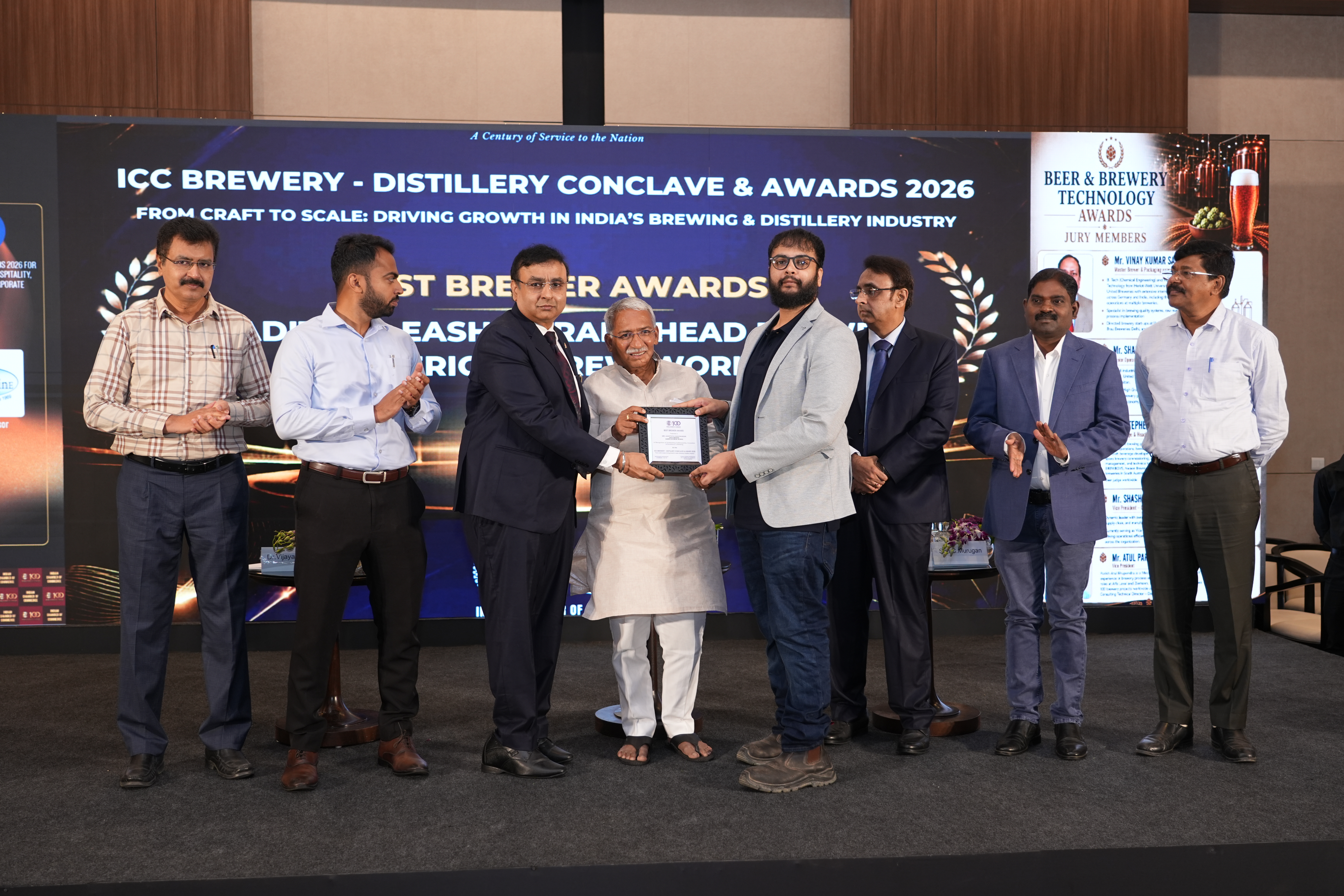
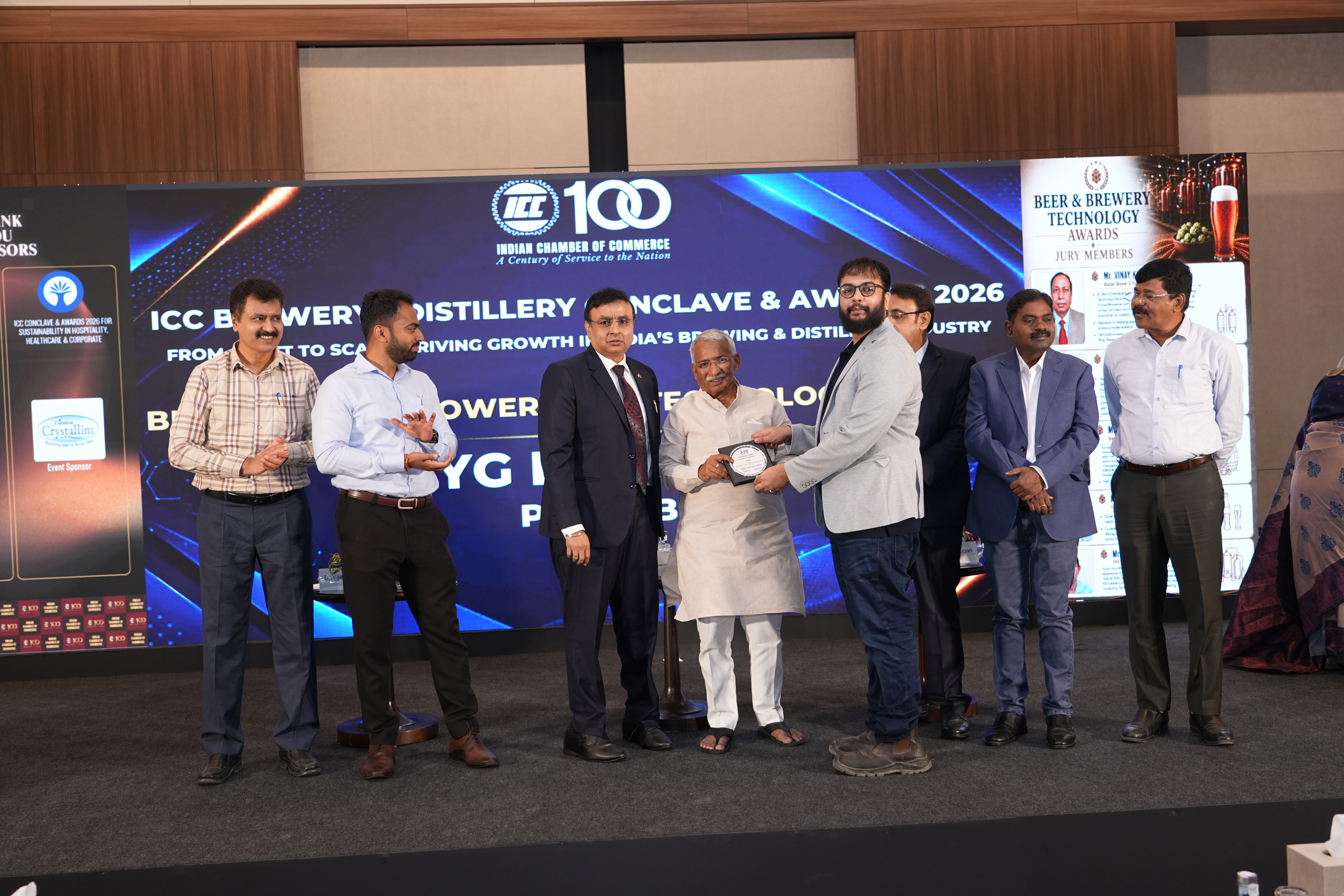
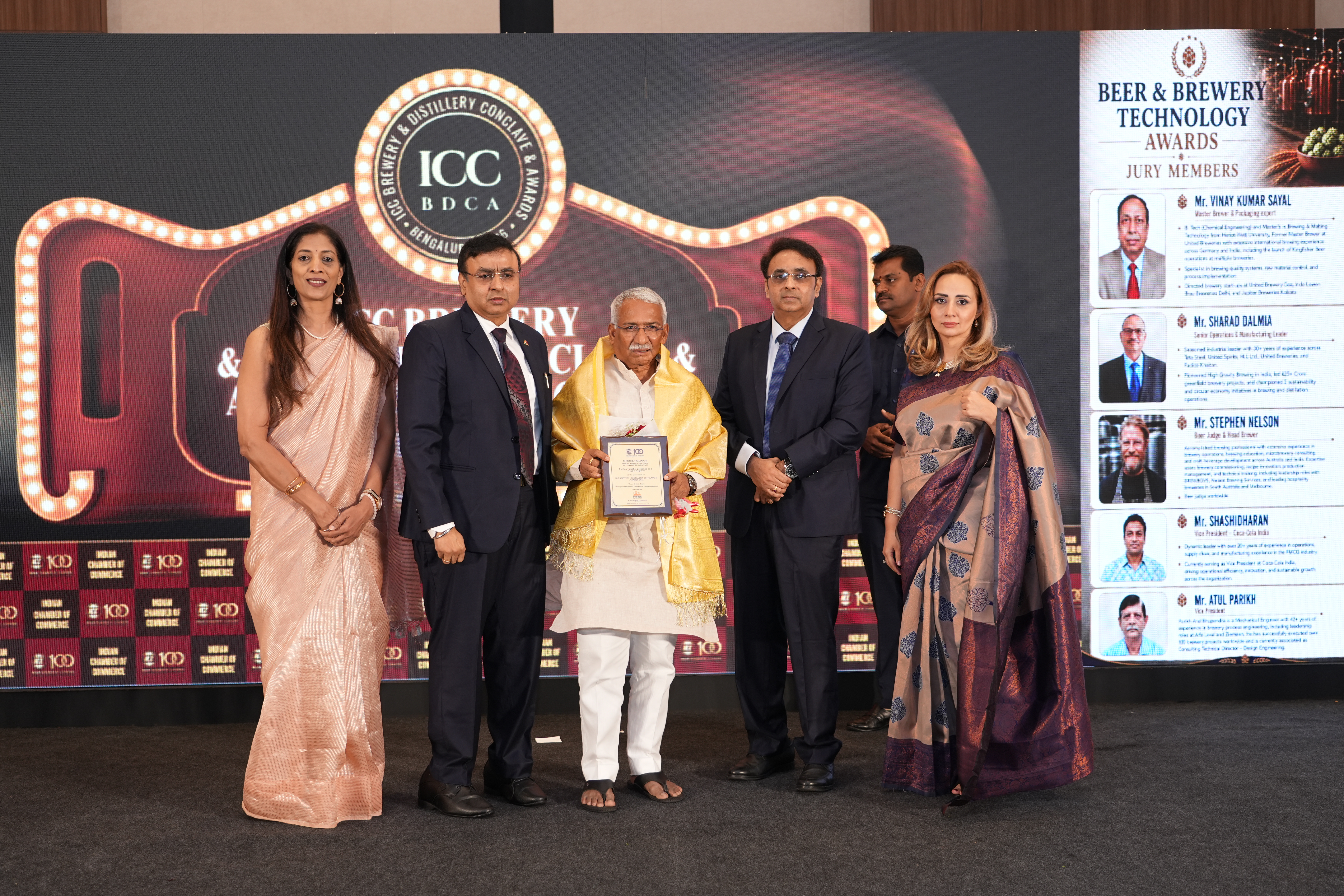
Our relentless pursuit of excellence and innovation has been recognized globally. We take pride in the milestones we've achieved on our journey to transforming the industry.

Let's Discuss Your Packaging Needs
Reach out to our experts to find the perfect packaging solutions tailored for your business. We are here to help you succeed.
Call Us:
+91 93848 06105
Email Us:
info@seppasolutions.com
Location:
No. 7, Parivakkam Road , Chennai - 600 056, Tamilnadu, India.
Request a Quote
Informingyouwithindustryfocusedupdates