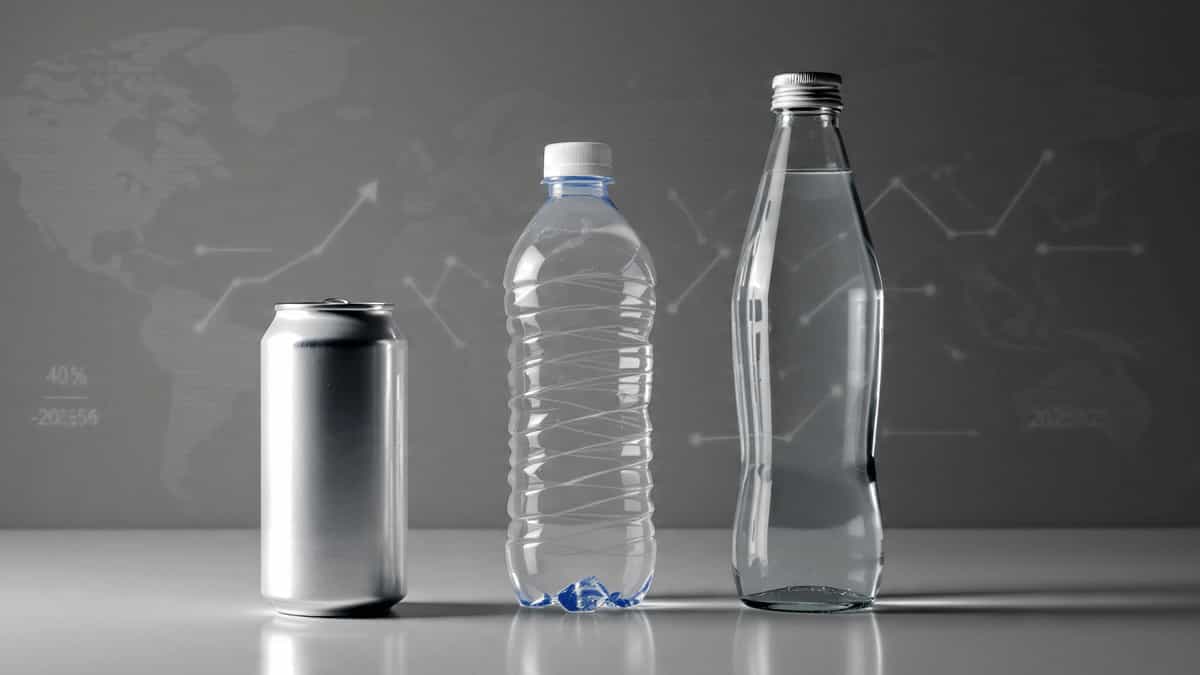
Line Conversions & Moulds
LineConversions&MouldSolutionsforModernManufacturing
If you're still running the same mould tooling you commissioned five years ago, you're almost certainly leaving yield on the table. Markets shift. Bottle weights drop. Retail buyers demand new formats. The cost of standing still eventually becomes harder to justify than the cost of upgrading. That’s where line conversions come in not as a last resort, but as a deliberate engineering strategy for manufacturers who want to adapt existing infrastructure without walking away from their capital investment.
Line conversions are the process of reconfiguring or upgrading existing blow moulding, filling, or labelling equipment to handle new bottle geometries, lighter PET weights, or different production volumes. The alternative a full line replacement is often unnecessary and almost always expensive.
A well executed upgrade preserves the mechanical core of your equipment while replacing the tooling that determines output quality: the pet bottle moulds, mould carriers, neck ring assemblies, and synchronisation interfaces. Done right, you get most of the performance of a new line at a fraction of the capital cost.
This kind of project is not a shortcut. It requires precise baseline data, tooling designed to micron level tolerances, and a process that accounts for the full dynamics of your existing machine preform geometry, blow pressure profiles, conveyor synchronisation, everything. Seppa Solutions approaches every engagement as an engineering problem first, and a procurement transaction second.
BenefitsofProductionLineConversionandMouldUpgrades
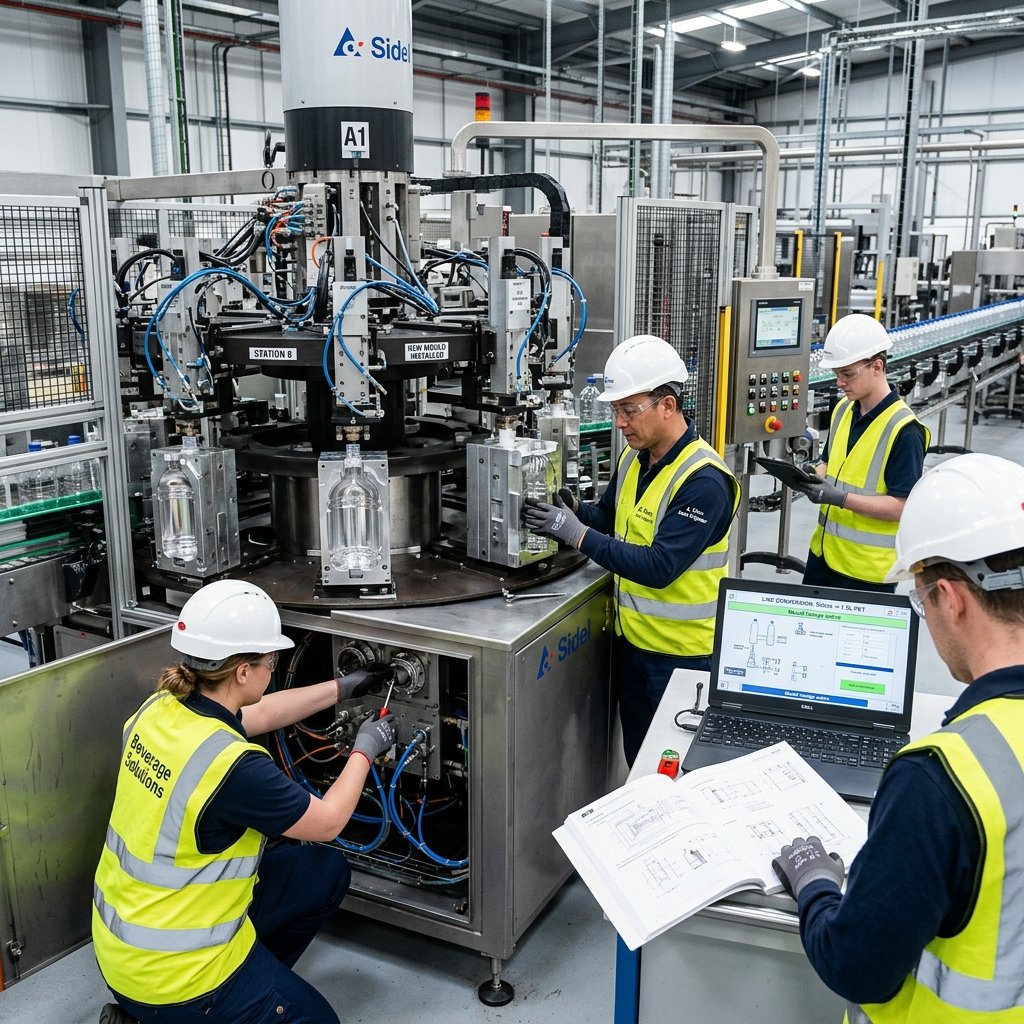
Full line replacement projects regularly run into multi year payback periods. Line conversions particularly those involving targeted tooling upgrades to pet bottle moulds and conversion kits typically return investment inside 12 to 18 months. That’s a function of what the upgrade delivers: reduced scrap, faster cycle times, and extended mould life.
PET lightweighting demands tooling engineered to tighter dimensional tolerances than legacy equipment can hold. Seppa’s programmes include full tooling re engineering for lightweight bottle specifications, with updated preform ratios and recalibrated blow pressure curves. And when a new SKU hits the line conversions, rapid change geometry standardised carrier interfaces, modular neck-ring systems, pre validated mould assemblies means the format switch takes hours, not shifts.
ApplicationsAcrossIndustries
The industries that benefit most from line conversions run diverse product portfolios on shared infrastructure.
Beverage
Beverage lines producing still water, CSD, juice, or isotonic drinks frequently need to alternate between bottle sizes a...
Dairy Packaging
Dairy packaging introduces aseptic or hot fill requirements. Our dairy specific tooling features hot fill rated mould ba...
Food & Chemical Packaging
Sauces, oils, condiments require injection moulds engineered for asymmetric stretch paths. Industrial moulds for chemica...
KeyFeaturesofOurLineConversion&MouldSolutions
Precision engineering tailored for maximum output and quality.
CNC Precision Pet Bottle Moulds
Every set of pet bottle moulds manufactured at Seppa Solutions starts with a full 3D simulation of the stretch blow dyna...
Thermal Optimised Cooling Channels
Cooling accounts for roughly 60–70% of total blow mould cycle time. Our blow moulds use high thermal conductivity alumin...
Interchangeable Neck Ring and Base Assemblies
For manufacturers running multiple bottle formats on the same line, the ability to change neck-ring assemblies in under...
WhyChooseSeppaSolutionsforLineConversions&Moulds
There are plenty of tooling manufacturers who can produce pet bottle moulds to a drawing. What’s harder to find is a partner who understands how the tooling interacts with the machine, the preform, and the downstream process and who takes accountability for the full outcome.
Seppa Solutions has been building and converting mould tooling for high output FMCG lines for over two decades. Our industrial moulds run in beverage, food, dairy, and chemical plants across Southeast Asia, the Middle East, and Africa. We’ve executed line conversions on platforms from Sidel, Krones, Nissei, and SMF.
Our blow moulds are built to hold dimensional tolerances across their rated production life 3 to 5 million cycles for aluminium, 8 to 10 million for beryllium copper with cavity measurement reports at production intervals so you can plan maintenance proactively.
MouldConversionMethodology:FromAssessmenttoImplementation
Baseline Audit
Cycle time distribution, reject rates by cavity position, blow pressure variability, preform temperature profiles. We work from actual performance data, not assumptions.
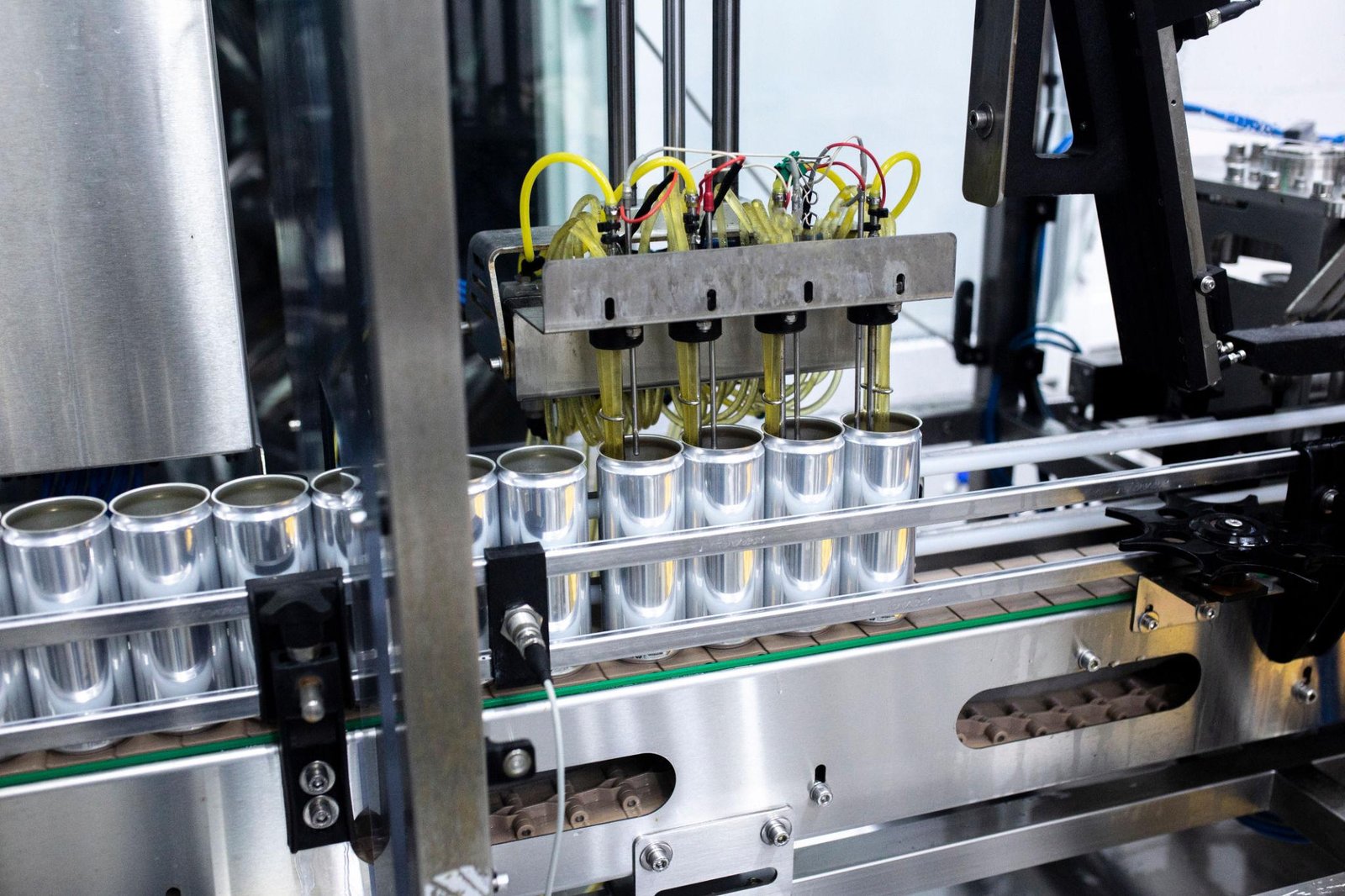
Tooling Design
Our engineers design updated pet bottle moulds and conversion hardware based on audit findings. Every design goes through FEA analysis and thermal simulation.
Simulation
Full blow moulding process simulations using the new tooling parameters validate the design before cutting metal catching problems early.
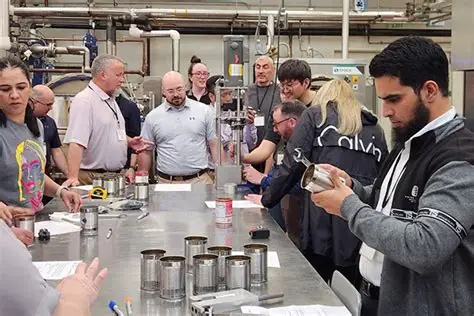
Installation and Synchronisation
Onsite commissioning covers conveyor timing, blow station calibration, and preform handling alignment. We prove the line runs at target output.
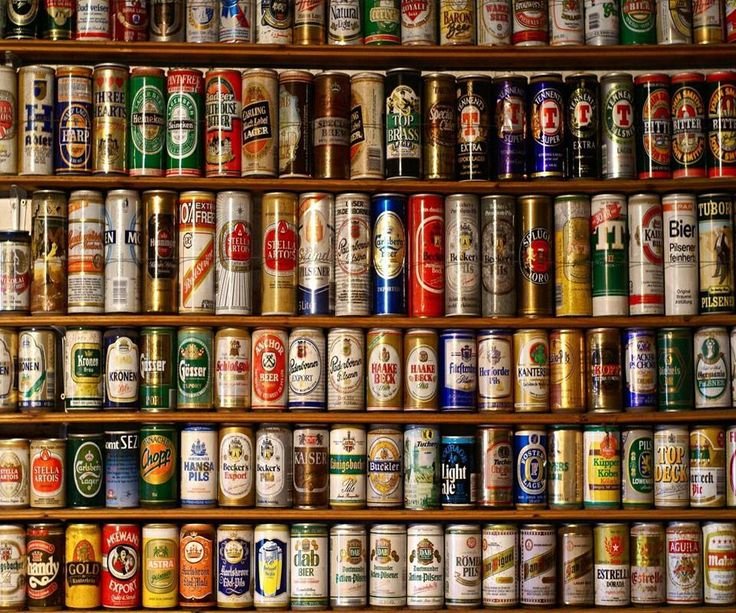
Performance Validation
Structured validation protocols typically 24 to 48 hours of monitored production confirm that the line conversions have delivered the specified output quality.
FrequentlyAskedQuestions
EmpoweringIndustryLeadersWorldwide














CollaboratingwiththeBestintheIndustry



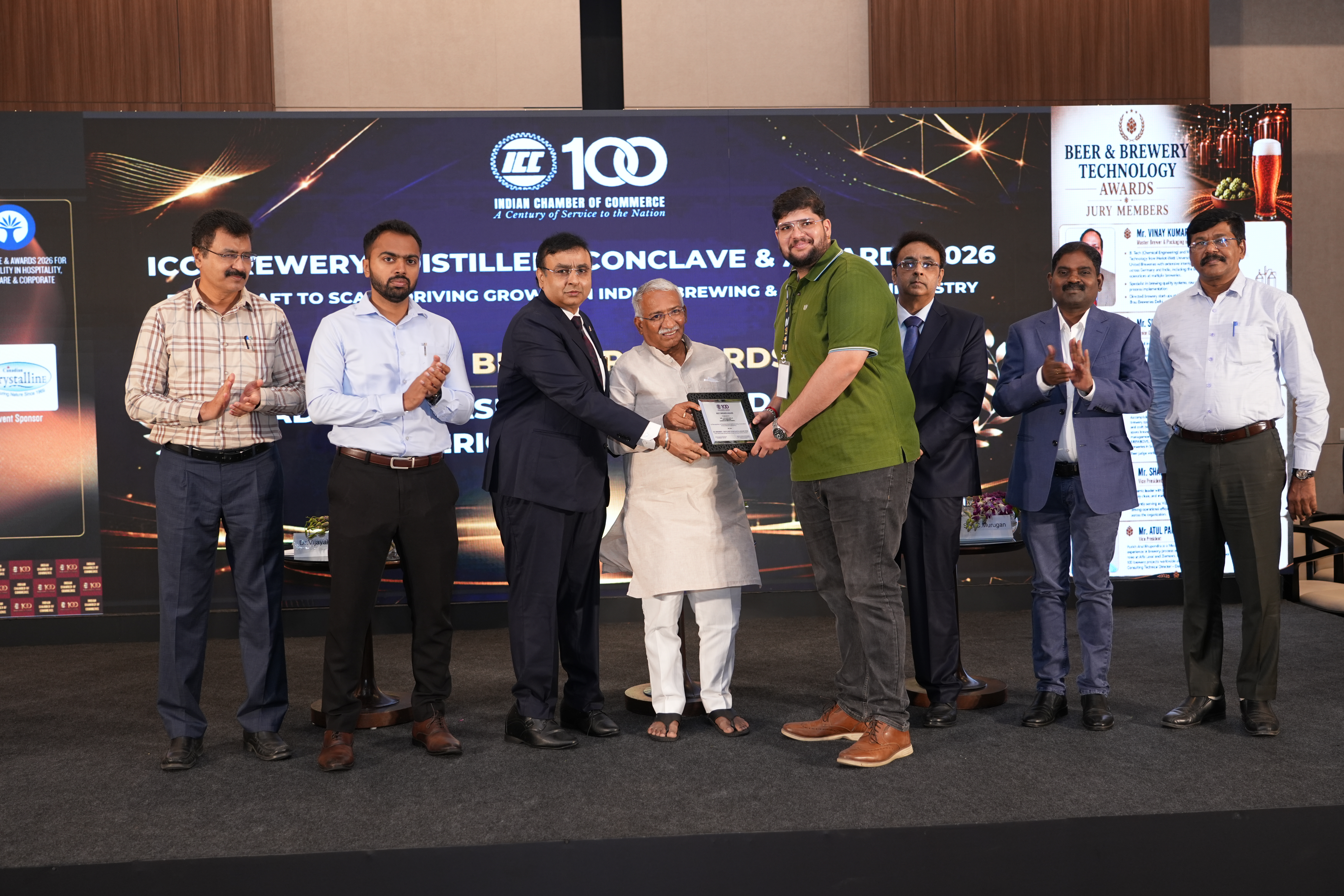
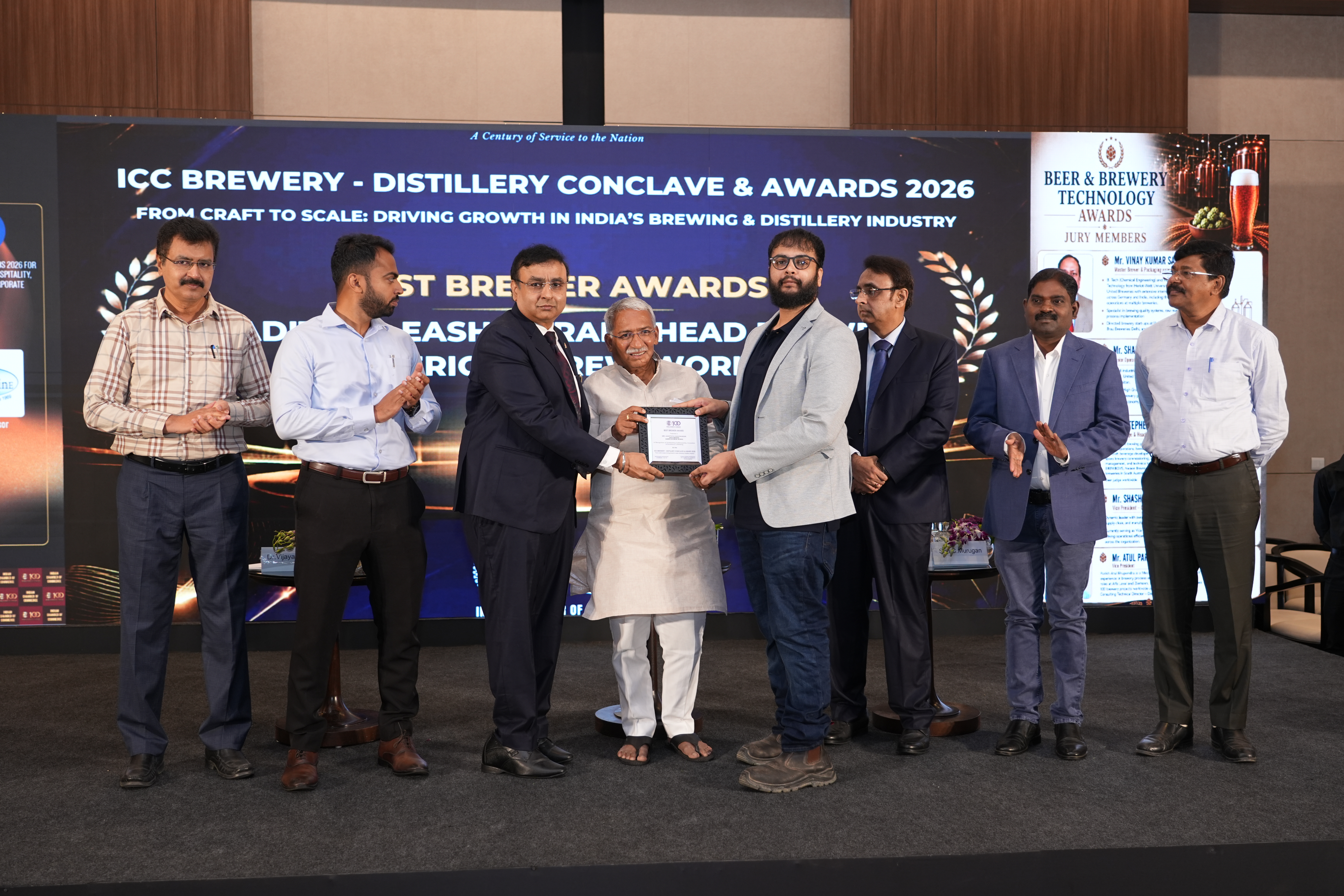
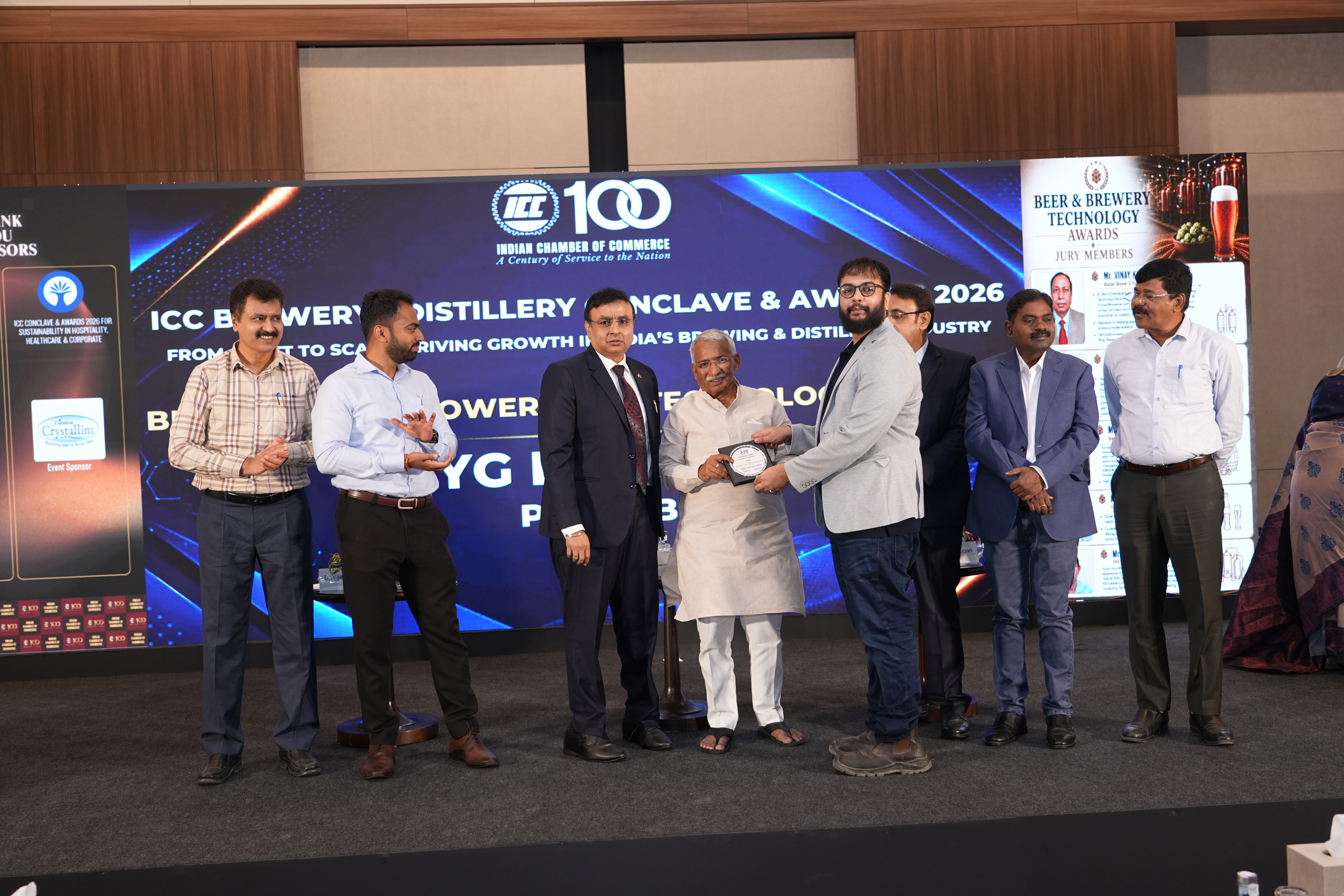
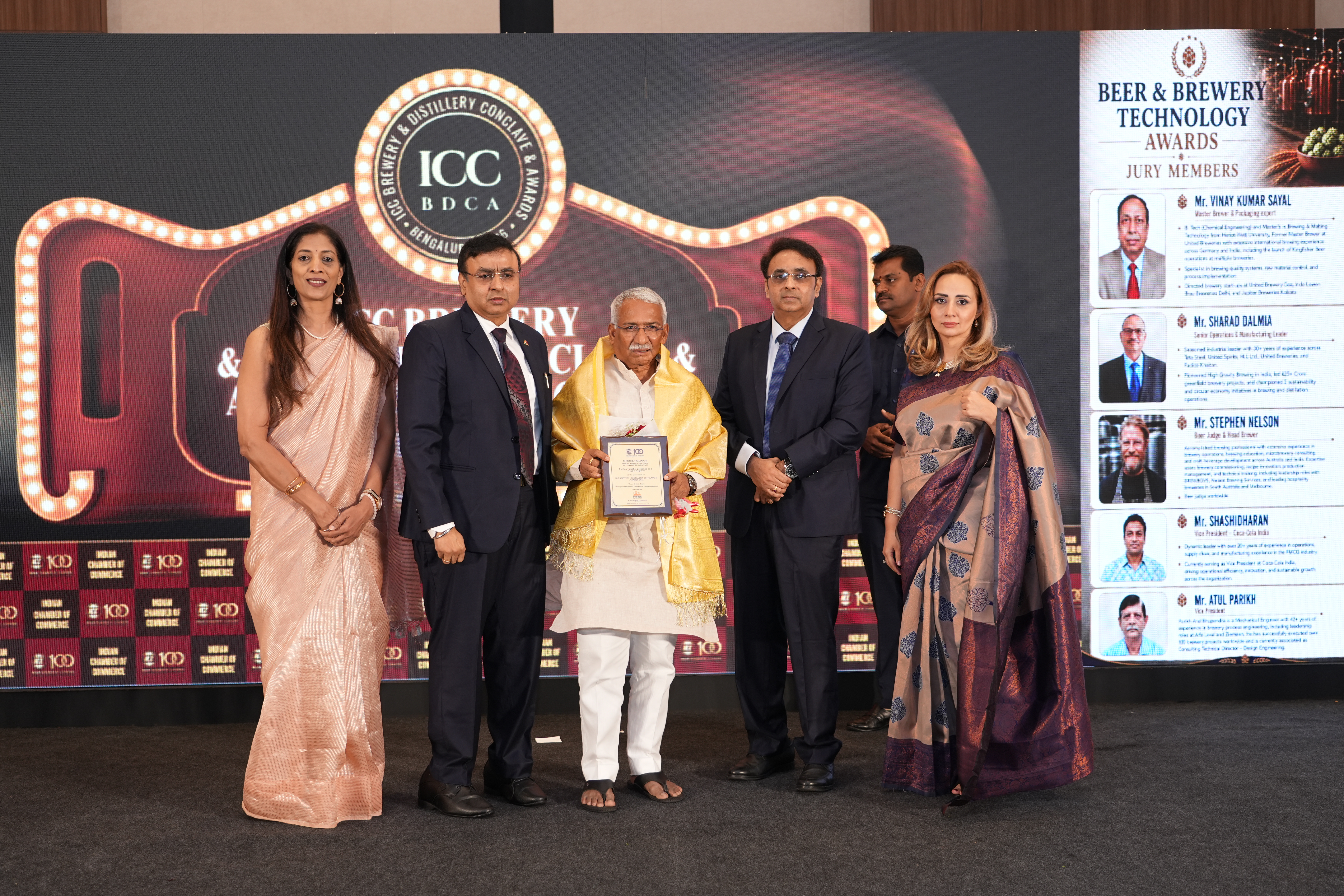
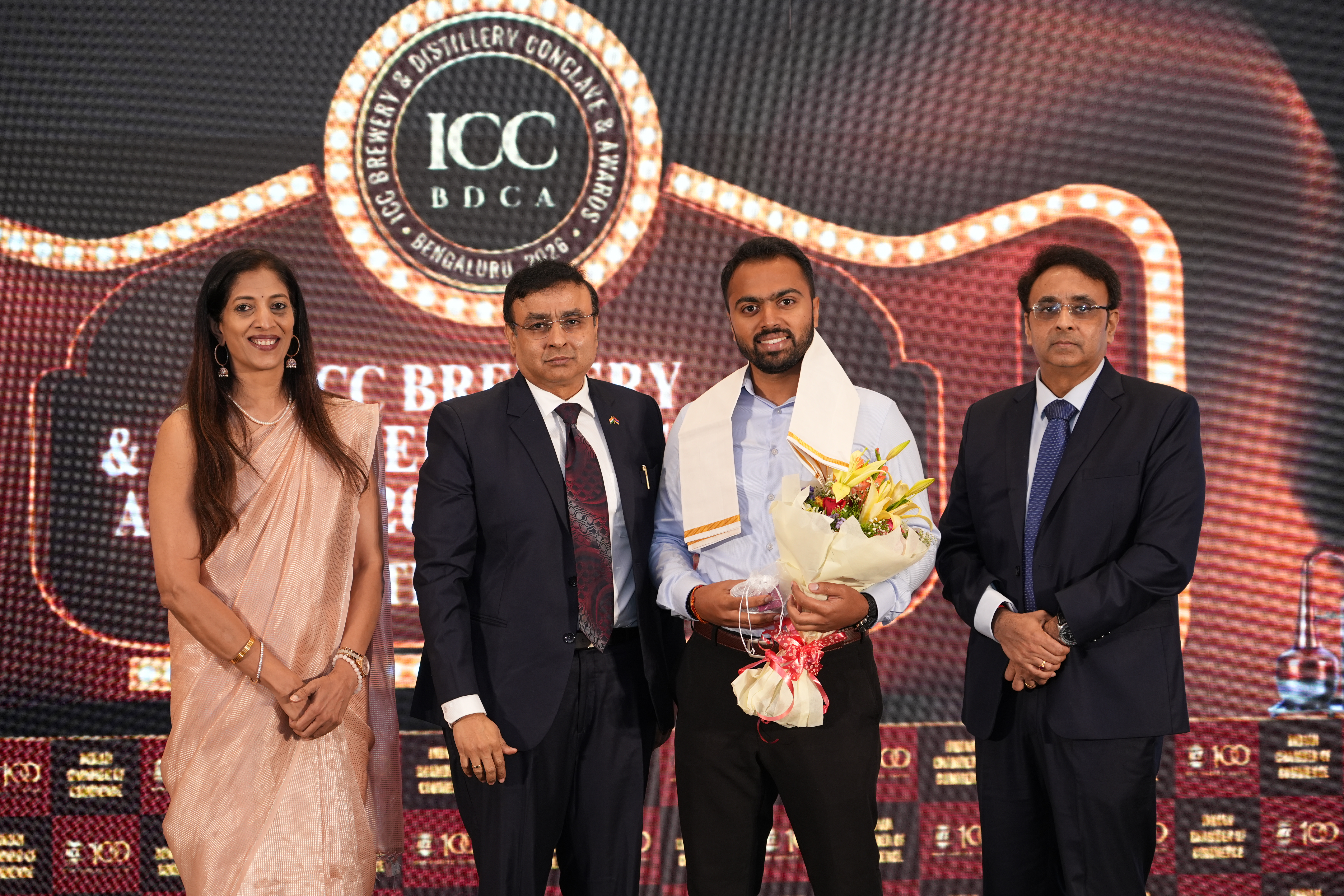
Awards&Achievements
Our relentless pursuit of excellence and innovation has been recognized globally. We take pride in the milestones we've achieved on our journey to transforming the industry.
Let's Discuss Your Packaging Needs
Reach out to our experts to find the perfect packaging solutions tailored for your business. We are here to help you succeed.
Call Us:
+91 93848 06105
Email Us:
info@seppasolutions.com
Location:
No. 7, Parivakkam Road , Chennai - 600 056, Tamilnadu, India.
Request a Quote
Informingyouwithindustryfocusedupdates