Complete Tomato Processing Plant Solutions
CompleteTomatoProcessingPlantSolutions
Industrial tomato processing is not forgiving. You either capture the colour, viscosity, and microbial stability at the right moment or you lose them permanently. A tomato line that runs at 20 tons per hour cannot afford inconsistent enzyme inactivation, pressure drops across the evaporator, or contamination in the sterile filler. Every stage is interdependent.
At SEPPA, we approach every tomato processing plant the way we engineer dairy lines where hygiene protocol, thermal precision, and product consistency are non negotiable manufacturing requirements. With over 7,000 installations worldwide and 50 years of complete line experience, we build integrated systems that run from fresh tomato reception to aseptic pouch or bottle filling without breaking the chain of control.
What SEPPA delivers is not a collection of standalone machines. It is a complete, engineered tomato line feasibility study, process layout, fabrication, installation, and commissioning built to the same sanitary standard you would expect from a top tier dairy processing plant.
ApplicationsofTomatoProcessingLines
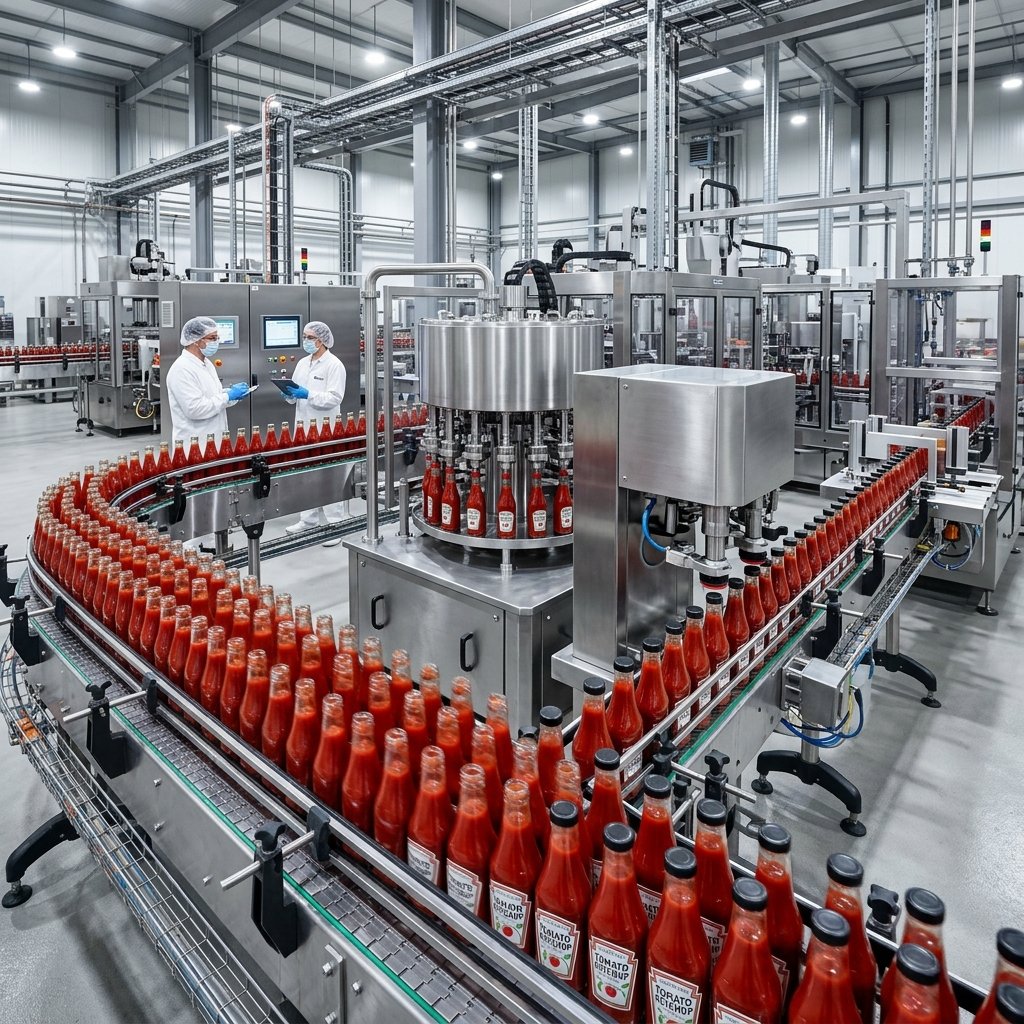
The versatility of the tomato processing line is what makes it commercially valuable and technically demanding. Tomato paste at 28–30° Brix is a completely different product from a tomato ketchup production line running at 1.5% salt, 25% sugar, and 0.5% acetic acid. A tomato sauce production line targeting 8–12° Brix for ambient retail shelf requires different thermal holding times, different viscosity management, and a different packaging format compared to a bulk aseptic drum filling operation.
•SEPPA's complete tomato line handles all of these: Cold break paste (68–75°C) for higher lycopene retention and brighter colour, Hot break paste (85–95°C) for higher viscosity and pectin activation, Diced and whole peeled tomato lines with blanching and brine injection, Tomato sauce production line for retail glass or PET bottling, Tomato ketchup production line with inline Brix, pH, and viscosity control, Bulk aseptic filling for food industry intermediate supply.
Matching this range to a single integrated facility with shared CIP systems, shared utilities, and a common SCADA layer is exactly what SEPPA's engineering team designs and delivers.
TomatoProcessingWorkflow:FromFreshTomatoestoFinishedProducts
•Step 1: Fruit Reception and Sorting - Tomatoes arrive by truck and enter the tomato line through hydraulic flume conveying. Optical sorters and roller graders eliminate diseased, green, or bruised fruit before the first thermal stage. Yield at reception directly affects Brix input to the evaporator.
•Step 2: Washing and Scalding - A three-stage rotary drum washer removes field soil, pesticide residue, and surface microbes. Immediately after washing, tomatoes enter the break unit. The break temperature hot or cold defines the enzyme profile of everything downstream in the process.
•Step 3: Break and Pulping - SEPPA's break and finisher system uses a cascade of screens (0.8mm, 0.5mm, 0.4mm) to separate juice and pulp from seeds and skin. The finisher yield directly impacts your output solids. SEPPA's screen geometry consistently outperforms industry averages for pulp extraction efficiency.
•Step 4: Evaporation and Concentration - The clarified juice enters the vacuum evaporator. For a facility producing 28–30° Brix paste, a multi effect evaporator at correct vacuum levels handles 8–10 kg of evaporation per kg of steam consumed. SEPPA's falling film design protects the colour sensitive compounds that turn paste brown when overheated.
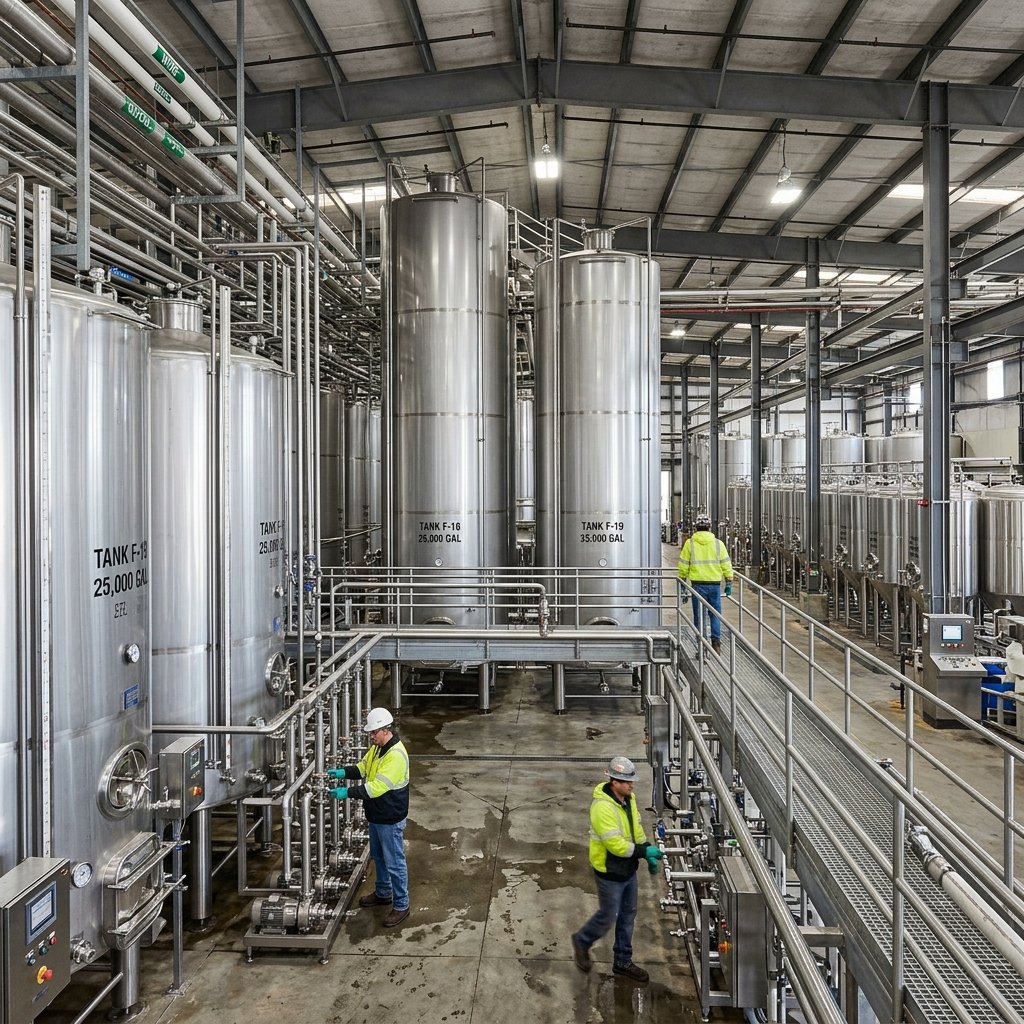
•Step 5: Formulation (for Ketchup and Sauce Lines) - In the process of making tomato ketchup, the concentrate paste is mixed with sugar, vinegar, salt, starch, and spice oleoresins in stainless steel blending tanks with high shear mixers. The Brix meter, pH meter, and viscosity meter work inline and send readings to the SCADA, which makes automatic corrections in real time.
•Step 6: Pasteurization and Sterile Filling - The finished product passes through a tubular or scraped surface heat exchanger for final pasteurization, then enters the sterile zone. SEPPA integrates aseptic fillers for bag in box (up to 1,000L aseptic drums), pouches, and PET bottles. Every seal, every gasket, and every valve is specified to 3-A sanitary standards.
KeyEquipmentinaTomatoProcessingPlant
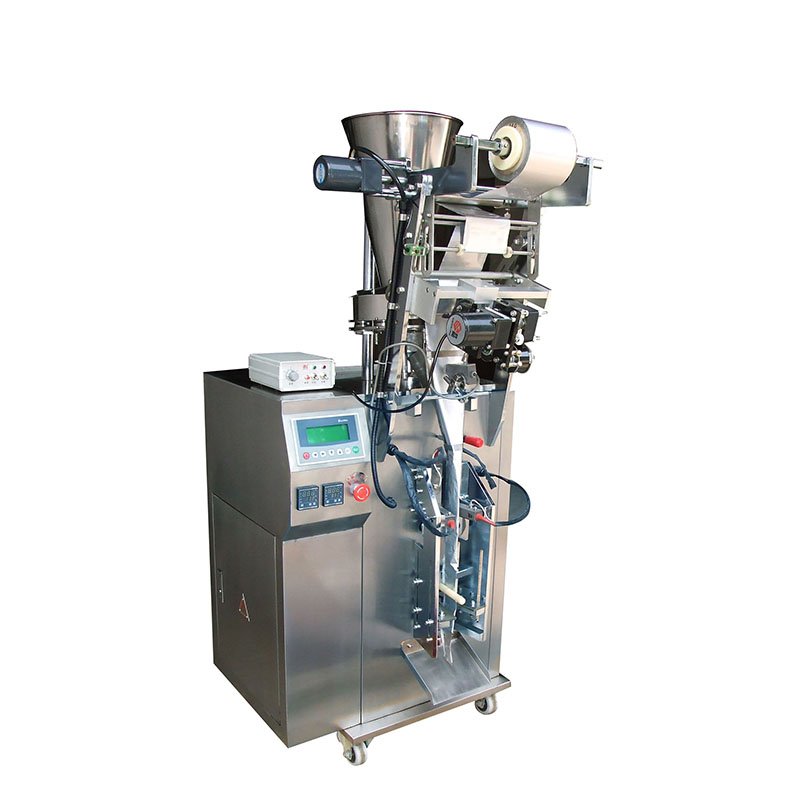
The performance of any tomato line depends entirely on the precision of its thermal and mechanical units. The equipment SEPPA fabricates in 304 and 316L stainless steel mirrors the sanitary standards found in dairy processing plants where surface finish, weld quality, and dead-leg elimination are mandatory, not optional.
Hot/Cold Break Units
The break point determines your product. SEPPA's tubular and plate heat exchangers deliver rapid, consistent enzyme inac...
Multi Effect Vacuum Evaporators
Concentration without degradation. SEPPA's falling film evaporators operate at 45–55°C under vacuum, protecting colour,...
Aseptic Filling and Packaging Lines
For the tomato ketchup production line and tomato sauce production line, SEPPA integrates aseptic fillers bags in box, p...
CIP Systems and Hygienic Transfer Pumps
No facility runs clean without a well engineered CIP circuit. SEPPA installs centralized or satellite CIP systems with c...
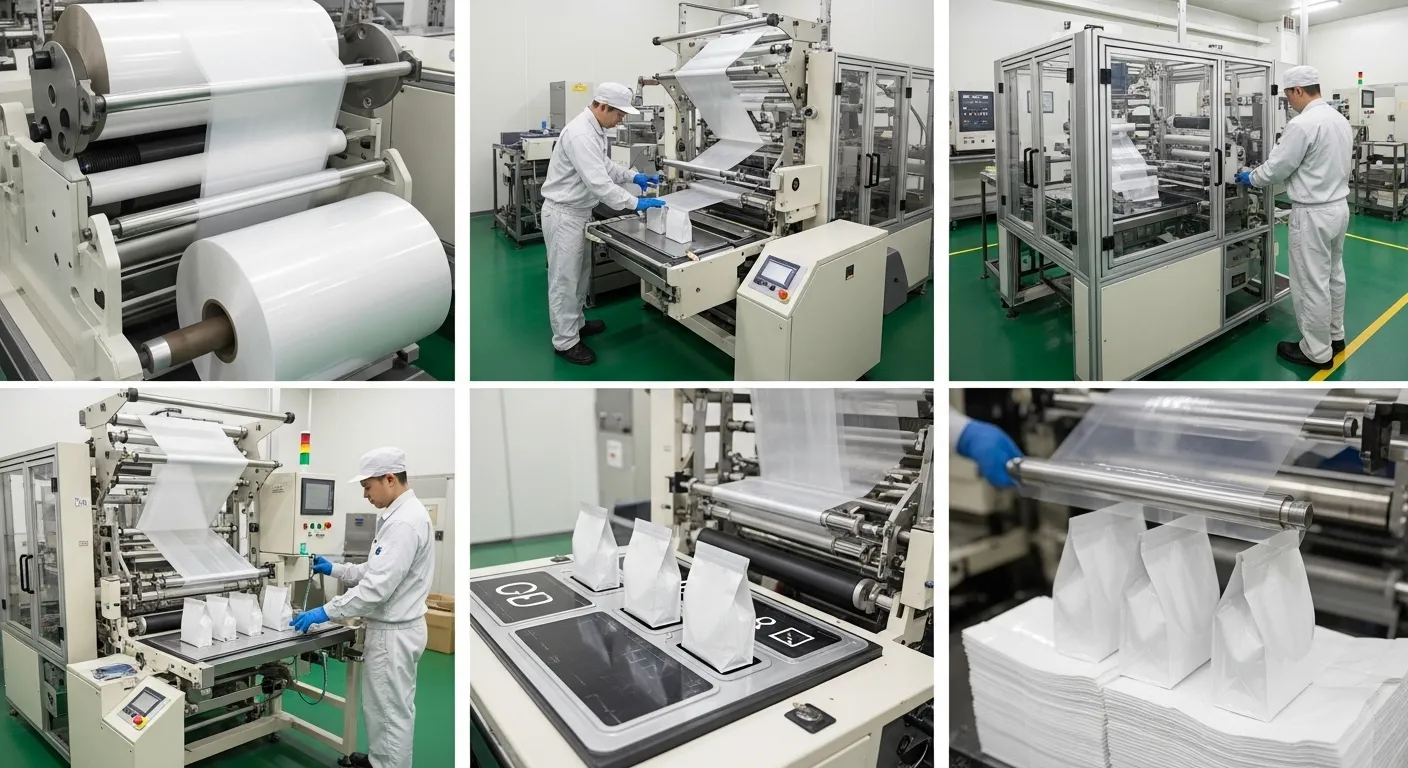
WhyChooseSEPPAforTomatoProcessingLines?
Companies that have previously operated dairy production lines find SEPPA's tomato line systems immediately familiar in terms of sanitary discipline and noticeably more automated in terms of process control.
SEPPA has been designing and manufacturing complete lines for over 50 years. More than 7,000 installations globally. The systems we build today incorporate SCADA based automation, servo controlled filling, and integrated vision inspection that most conventional tomato operations have not yet adopted.
For the tomato sauce production line, that means continuous pasteurizer temperature logging with automatic diversion on deviation. For bulk paste operations, it means aseptic drum filling with a validated sterility assurance level.
Companies transitioning from dairy plant environments appreciate that the engineering logic is the same: control the thermal profile, eliminate contamination risk, and measure everything continuously. Whether the output is a tomato sauce production line for retail jars or bulk aseptic paste, SEPPA applies that same discipline at scale.
HowSEPPADesignsandBuildsYourTomatoProcessingPlant
Phase 1: Feasibility and Process Design
Every project engagement begins with a process feasibility study: raw material Brix input, targeted output specification, daily tonnage, available utilities, and packaging format. SEPPA engineers use this data to define the mass and energy balance before a single piece of equipment is specified.
Phase 2: CAD Layout and Engineering
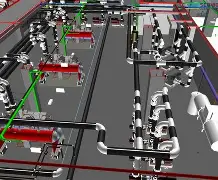
Full 3D CAD modeling of the facility layout. Pipe routing, vessel placement, CIP circuit design, and electrical panel positioning are all finalized before fabrication begins.

Phase 3: Fabrication
All vessels, evaporator bodies, and piping are fabricated in house in 304/316L stainless steel. Internal surface finish Ra ≤ 0.8 µm. Full passivation and pressure testing on every unit before it leaves the factory.
Phase 4: Installation and Commissioning
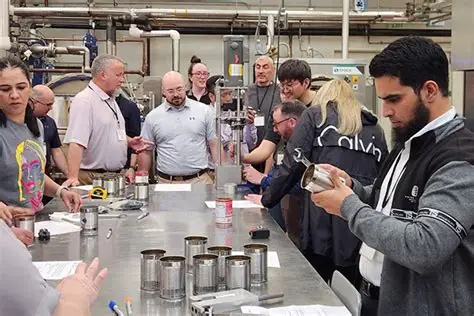
SEPPA's field engineers handle mechanical installation, process piping, and electrical integration. Commissioning runs a full qualification protocol IQ, OQ, PQ before handing over the tomato line to the client's production team.
Phase 5: After Sales Service and Spare Support
Stocking of spare parts, diagnostic systems from a distance by SCADA, and local servicing personnel are available worldwide. The post sale service provision system of SEPPA is designed to satisfy the same uptime requirements.
Your Solution for Industrial Tomato Processing
SEPPA designs complete tomato processing lines for manufacturers who demand the highest levels of quality, hygiene, and efficiency.
From raw material intake to aseptic filling, customers receive a fully integrated production solution with modern automation and long-term technical support.
FrequentlyAskedQuestions(FAQ)
EmpoweringIndustryLeadersWorldwide















CollaboratingwiththeBestintheIndustry




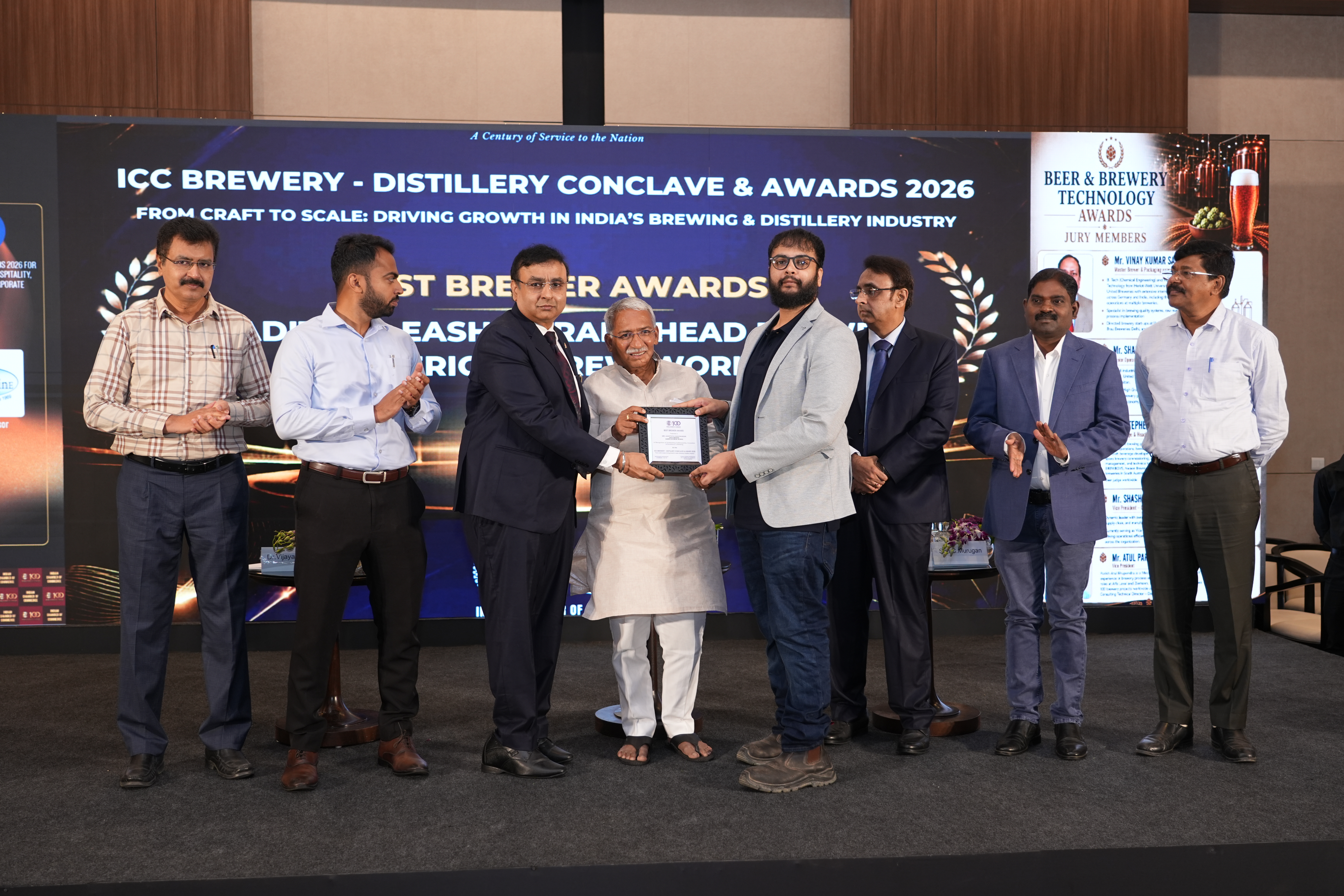
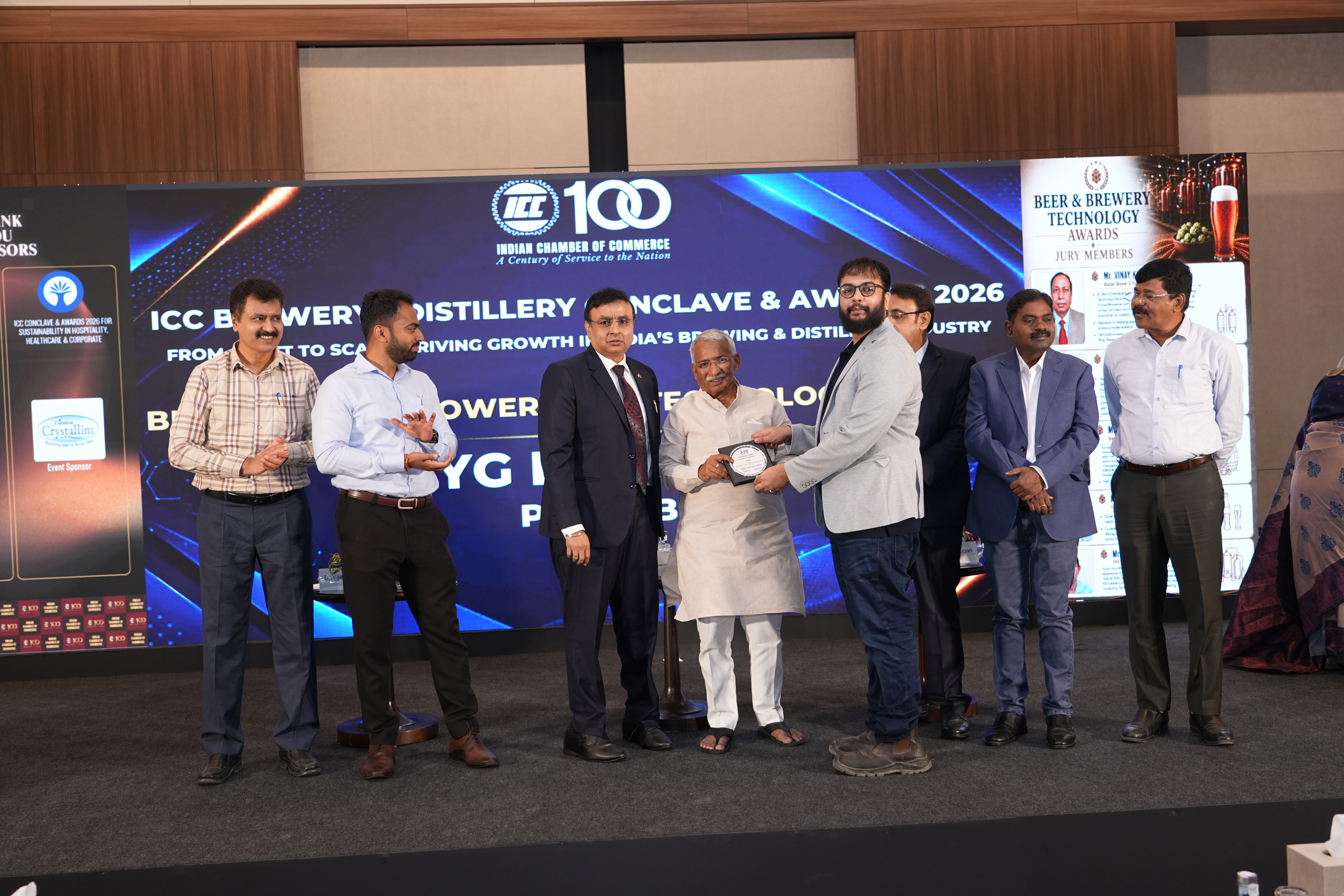
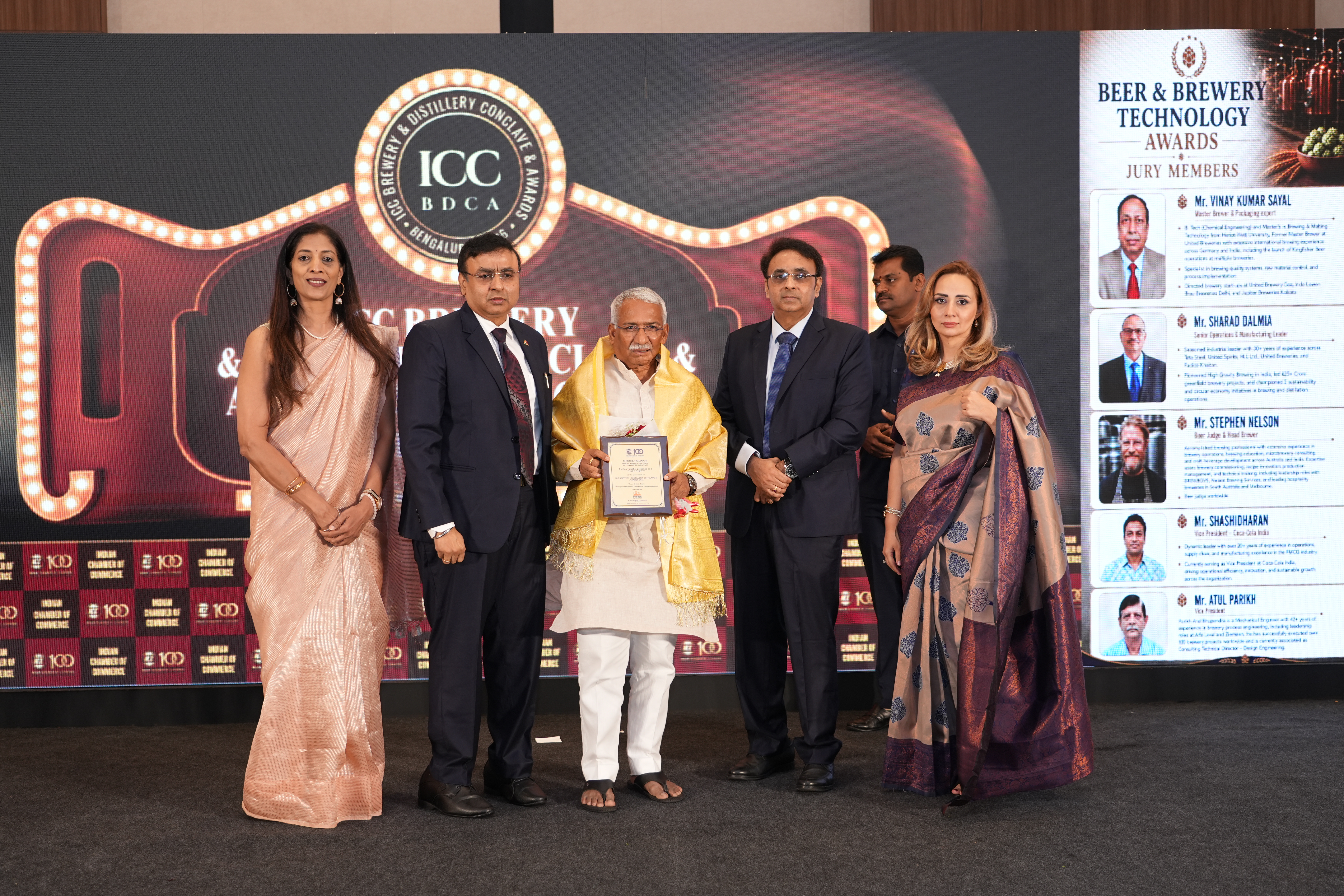
Awards&Achievements
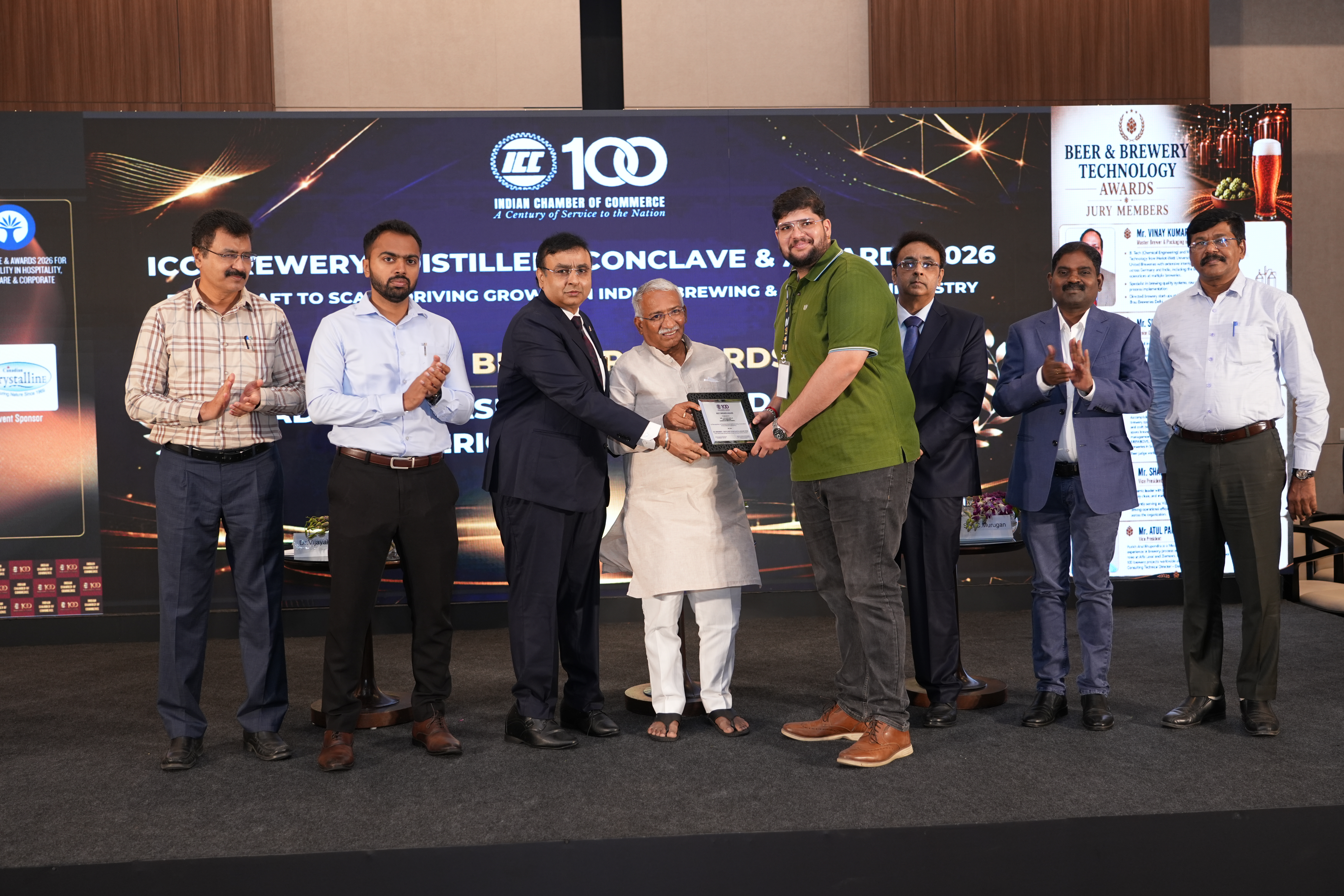
Our relentless pursuit of excellence and innovation has been recognized globally. We take pride in the milestones we've achieved on our journey to transforming the industry.

Let's Discuss Your Packaging Needs
Reach out to our experts to find the perfect packaging solutions tailored for your business. We are here to help you succeed.
Call Us:
+91 93848 06105
Email Us:
info@seppasolutions.com
Location:
No. 7, Parivakkam Road , Chennai - 600 056, Tamilnadu, India.
Request a Quote
Informingyouwithindustryfocusedupdates