Complete Vegetable Extract Processing Plant Solutions
CompleteVegetableExtractProcessingPlantSolutions
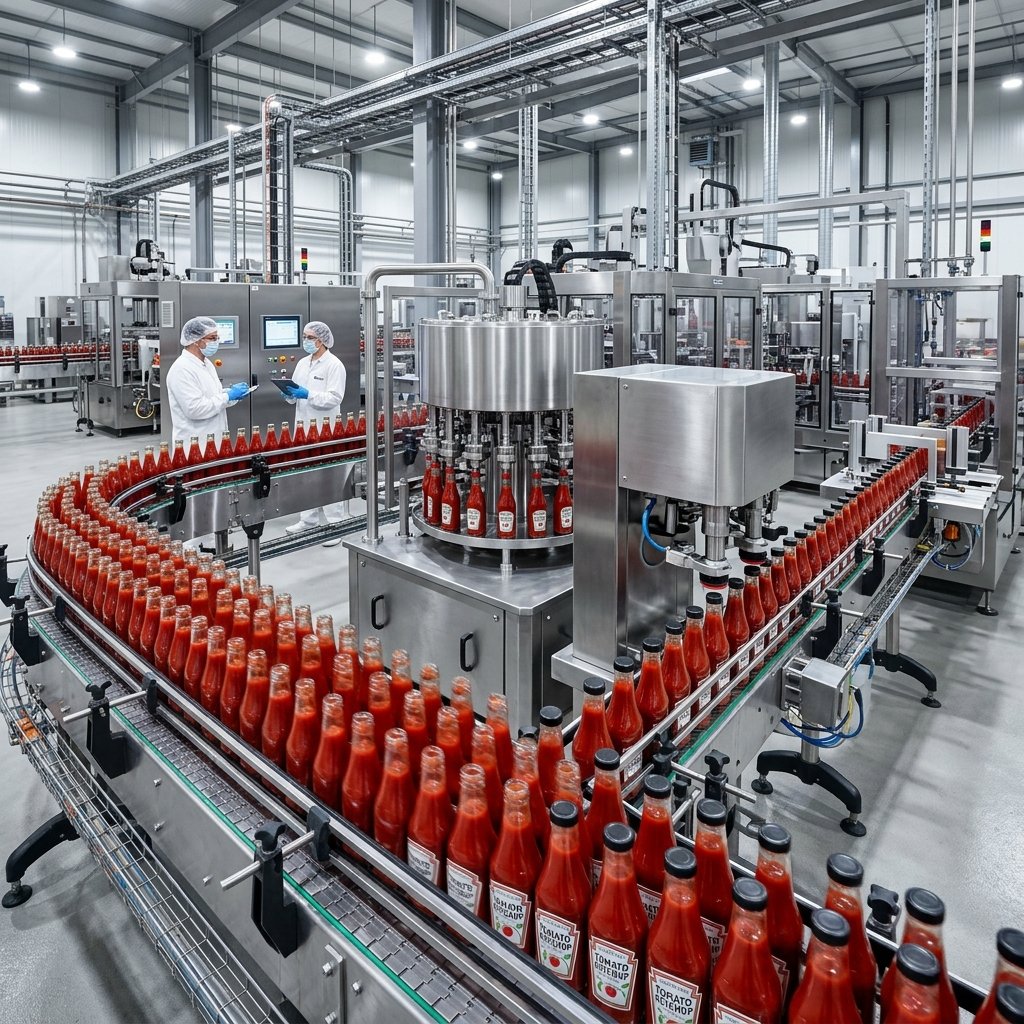
First cultivated in Mexico, tomatoes are today grown in over 150 countries. Around 80% of the tomatoes extract in vegetable processing machine produced worldwide are consumed fresh, the remaining 20% go to the tomato processing industry. That 20% drives a market now measured in tens of millions of metric tons annually. The global tomato processing market reached roughly 34 million tons in 2016, crossed 41.5 million tons in 2017 per IMARC Group research, and is projected to reach 48 million tons by 2023, growing at a 2.5% CAGR. Sauces alone account for nearly a third of total processed tomato consumption, followed by pastes, canned products, ketchups, and juices. Behind those numbers is a demanding operational reality. Every tomato ketchup factory, every sauce bottling line, every concentrate producer is competing on consistency, yield, and cost per unit. Achieving that requires the right vegetable processing machine at every stage of the line.
Seppa Solutions designs and builds that line. From raw material intake to sterile filling and packaging, every vegetable processing machine in the Seppa lineup is engineered around one objective: maximum extract yield at the lowest per unit cost, without compromising the bioactive compounds that give vegetable extracts their commercial and nutritional value.
The global market for natural food colorants, functional concentrates, and plant based ingredients continues to expand, driven by shifting consumer preferences, urbanization, and the growth of fast food. Success in this market requires highest consistency, quality, and maximized production efficiency at minimum cost, ensuring enhanced product hygiene throughout. Seppa supports you in achieving this with its advanced processing and packaging equipment and strong design engineering, manufacturing, spare, and service support.
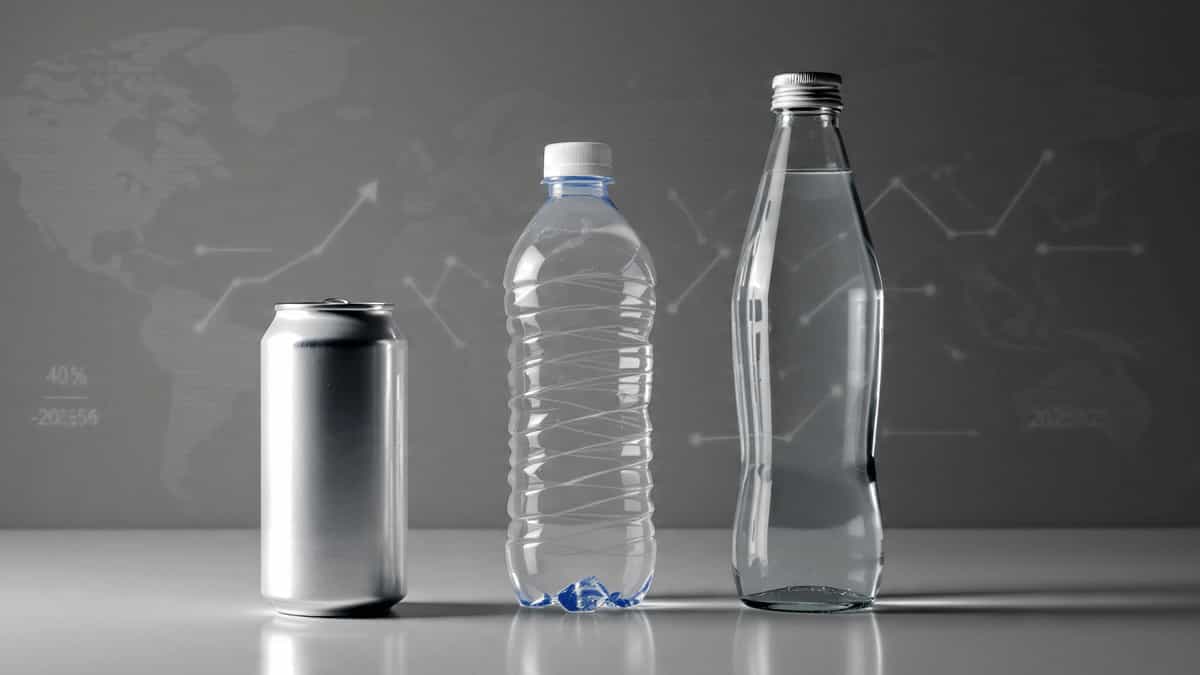
Glass, PET, and cans remain the packaging formats of the present and near future. Seppa helps you design, build, and deliver an optimized production line from start to end, including aesthetically designed bottle and packaging formats, ensuring a compact plant footprint and enhanced throughput efficiency. With deep market experience, Seppa guides clients through emerging consumer trends, new demand patterns, and the technical requirements those shifts create.
TypesofVegetableExtractsWeProcess
The term "liquid vegetable" covers a wide spectrum of commercial products, and Seppa's processing systems are built to handle that full range.
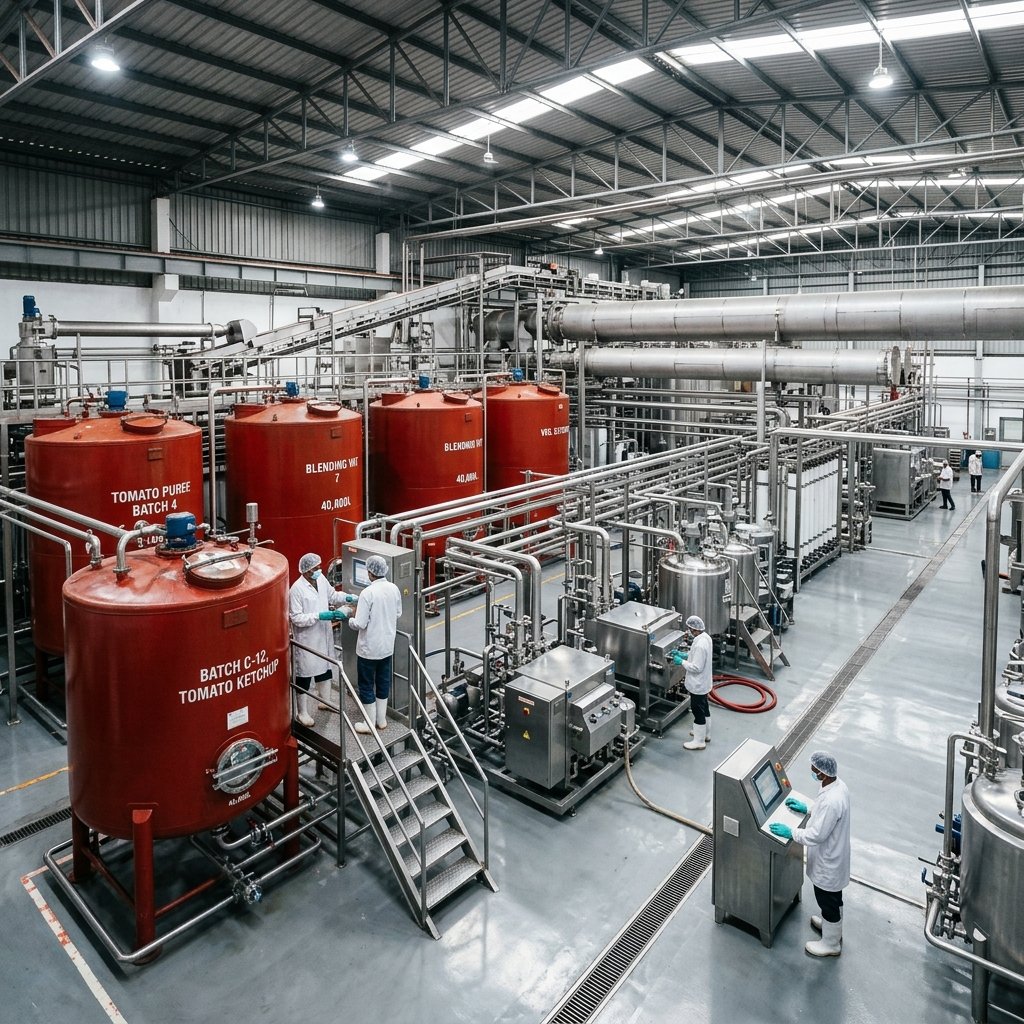
At the high viscosity end, tomato paste and concentrate require tight control of thermal load during evaporation. Overprocessing at this stage degrades lycopene content and introduces off flavours that no downstream correction can fix. Seppa's falling film evaporators and multi stage concentration units hold product temperatures within narrow tolerances, preserving colour and functional compound integrity across every batch.
At the low viscosity end, clear juice extracts and thin body liquid vegetable essences need high throughput filtration and pasteurization systems that do not introduce browning or oxidation. Seppa deploys plate heat exchangers and centrifugal separation units sized specifically for these applications.
•Between these poles sits a range of intermediate products: purees, sauces, brines, and specialty extract concentrates used in flavour blending and food fortification. Each requires a different configuration of the vegetable processing machine installed at the extraction or concentration stage. Seppa's modular system architecture allows the same base platform to be configured for different product viscosities without a full line change. A well engineered tomato processing plant must also handle significant seasonal raw material variation, since fruit Brix and solids content shift considerably across harvest windows. Seppa's process control systems compensate in real time, maintaining output specification even when incoming raw material quality fluctuates.
WhyChooseSeppaSolutionsforVegetableExtractProcessingPlants?
Seppa builds complete lines, not component assemblies. That distinction matters when a buyer is evaluating total installed cost, commissioning timeline, and post installation service exposure.
Integrated System Design
Every tomato ketchup factory installation Seppa delivers is designed as an integrated system in vegetable processing mac...
Calibrated Tomato Sorting Machine
Seppa's tomato sorting machine uses optical and density based grading to remove defective or unripe fruit before it ente...
Energy Efficiency
Energy efficiency is built into Seppa's thermal processing architecture. Heat recovery across pasteurization and evapora...
Hygienic Standards
Every vegetable processing machine in the Seppa range is fabricated in 304 or 316L stainless steel with hygienic design...
BenefitsofanAutomatedVegetableExtractProcessingPlant
Manual extraction and concentration processes cannot hold the tolerances that modern food safety standards and buyer specifications require. Automation addresses this directly.
Throughput Gains
A Seppa vegetable processing machine installation delivers measurable throughput gains, typically in the range of 30–40%...
Yield Increases
Yield increases follow from tighter process control at each extraction and separation stage, the kind of marginal gains...
Precision Extraction
For manufacturers producing specialty outputs like liquid plant food for vegetables or micronutrient-dense botanical ext...
Automated CIP
Automated CIP (clean in place) systems reduce sanitation cycle time and chemical consumption while meeting current FDA a...
WhyChooseSeppaSolutionsforVegetableExtractProcessingPlants?
Seppa builds complete lines, not component assemblies. That distinction matters when a buyer is evaluating total installed cost, commissioning timeline, and post installation service exposure.
Integrated System Design
Every tomato ketchup factory installation Seppa delivers is designed as an integrated system. The tomato sorting machine...Read More
Energy Efficiency
Heat recovery across pasteurization and evaporation stages reduces steam demand per ton of output. For a tomato ketchup ...Read More
Hygienic Design
Product contact surfaces meet 3 A and EHEDG standards, fabricated in 304 or 316L stainless steel with hygienic design we...Read More
Methodology
methodology.subtitle
Raw Material & Production Audit
What are the incoming Brix and solids ranges? What are the target output specifications for the liquid vegetable product lines in scope? What are the site utilities, infrastructure constraints, and regulatory requirements? These inputs drive the process design.
Layout & Process Flow Design
Seppa's engineers use process simulation to validate the equipment selection and sizing before committing to fabrication. This is where capacity mismatches get caught, not on site during commissioning.
Fabrication & Factory Acceptance Testing
Every vegetable processing machine is tested against the contracted process performance specification before it ships. Buyers attend FAT sessions and sign off on results.
Site Installation & Commissioning
Seppa's engineers manage the full installation sequence, from structural support and utility connection through to sterile commissioning and process validation runs. The line is handed over producing on specification output, not theoretical output.
Post-installation support includes spare parts supply, remote diagnostics, and on site service. For a tomato processing plant running seasonal campaigns, response time matters. Seppa's service network is structured around that reality.
FrequentlyAskedQuestions
EmpoweringIndustryLeadersWorldwide















CollaboratingwiththeBestintheIndustry




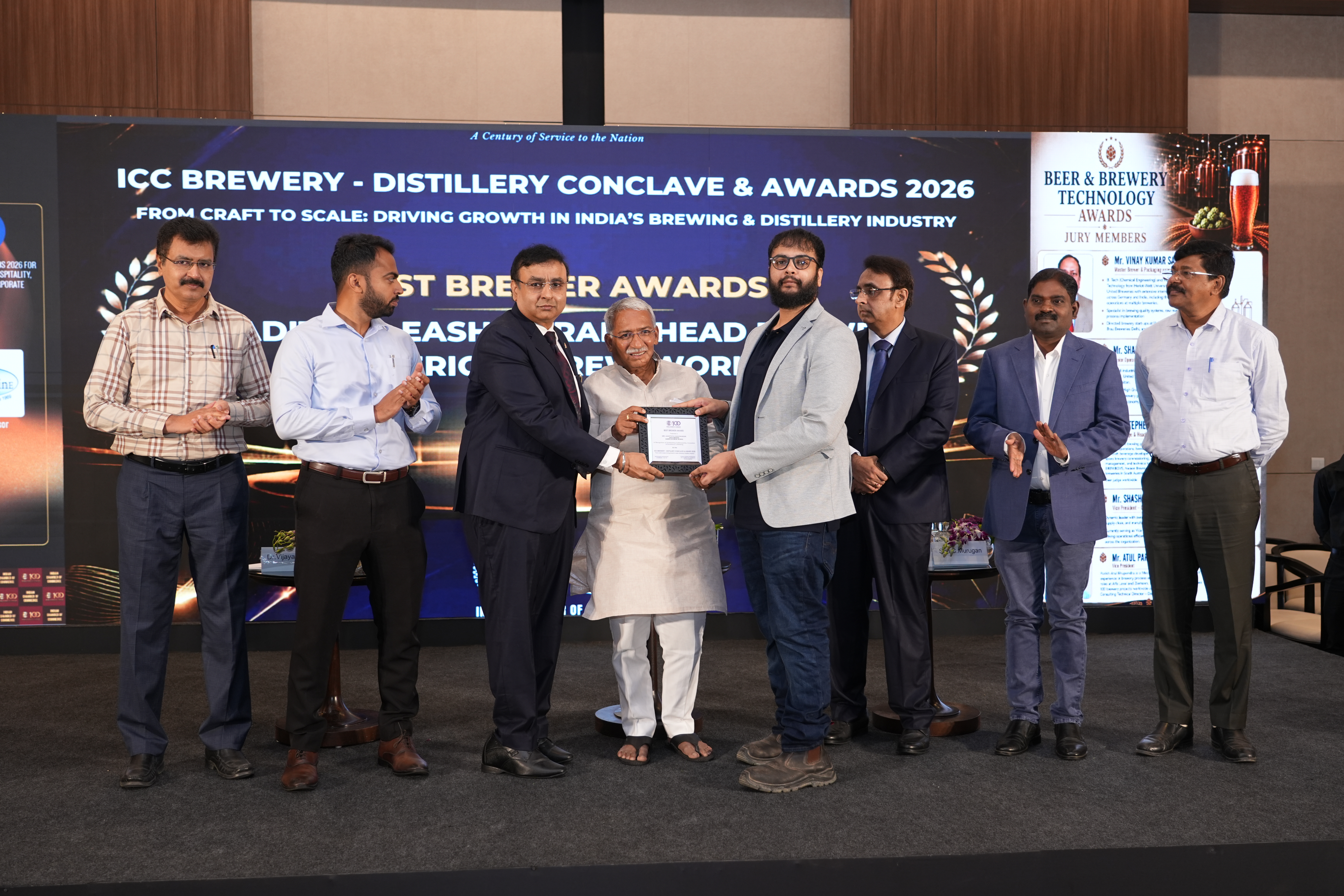
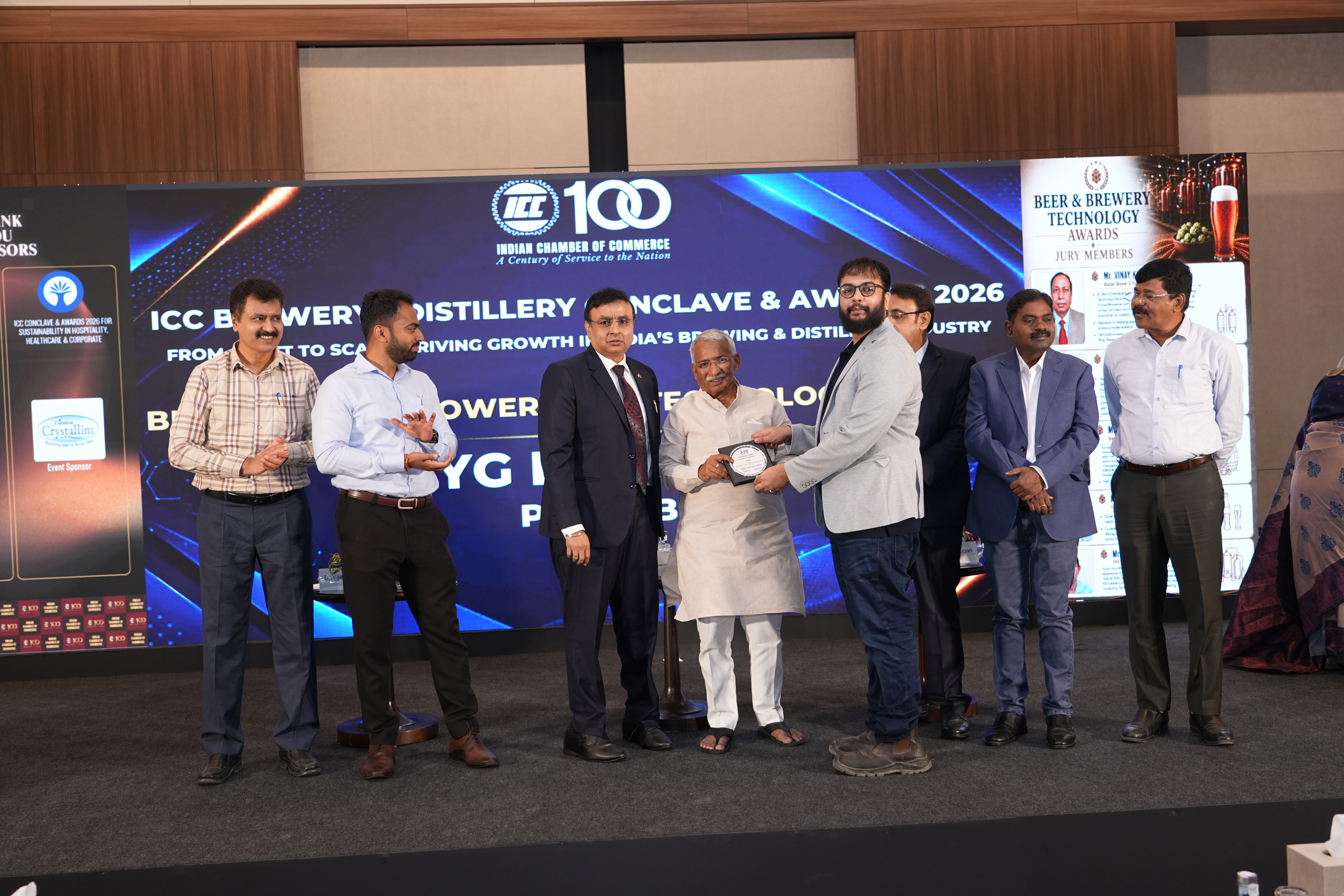
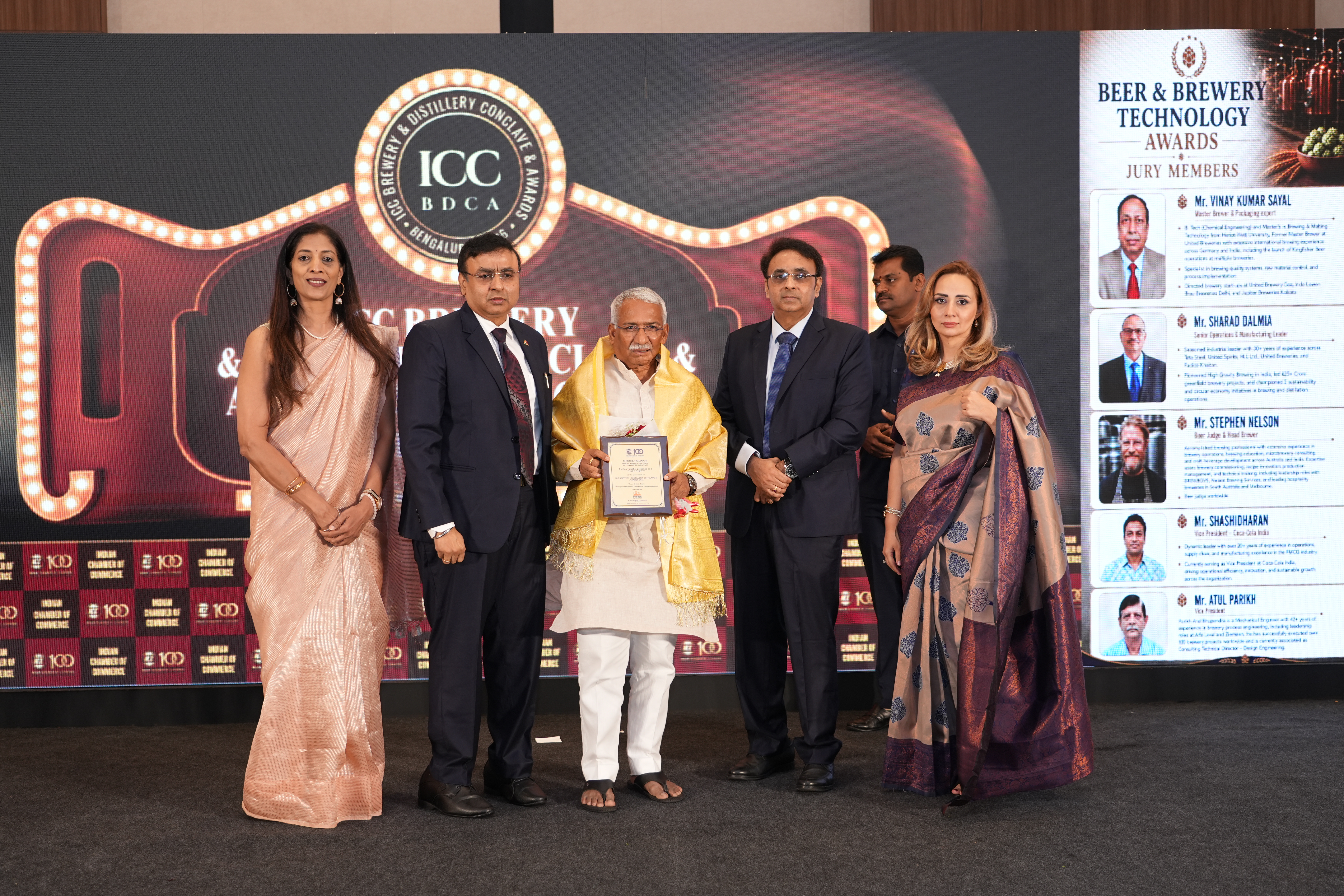
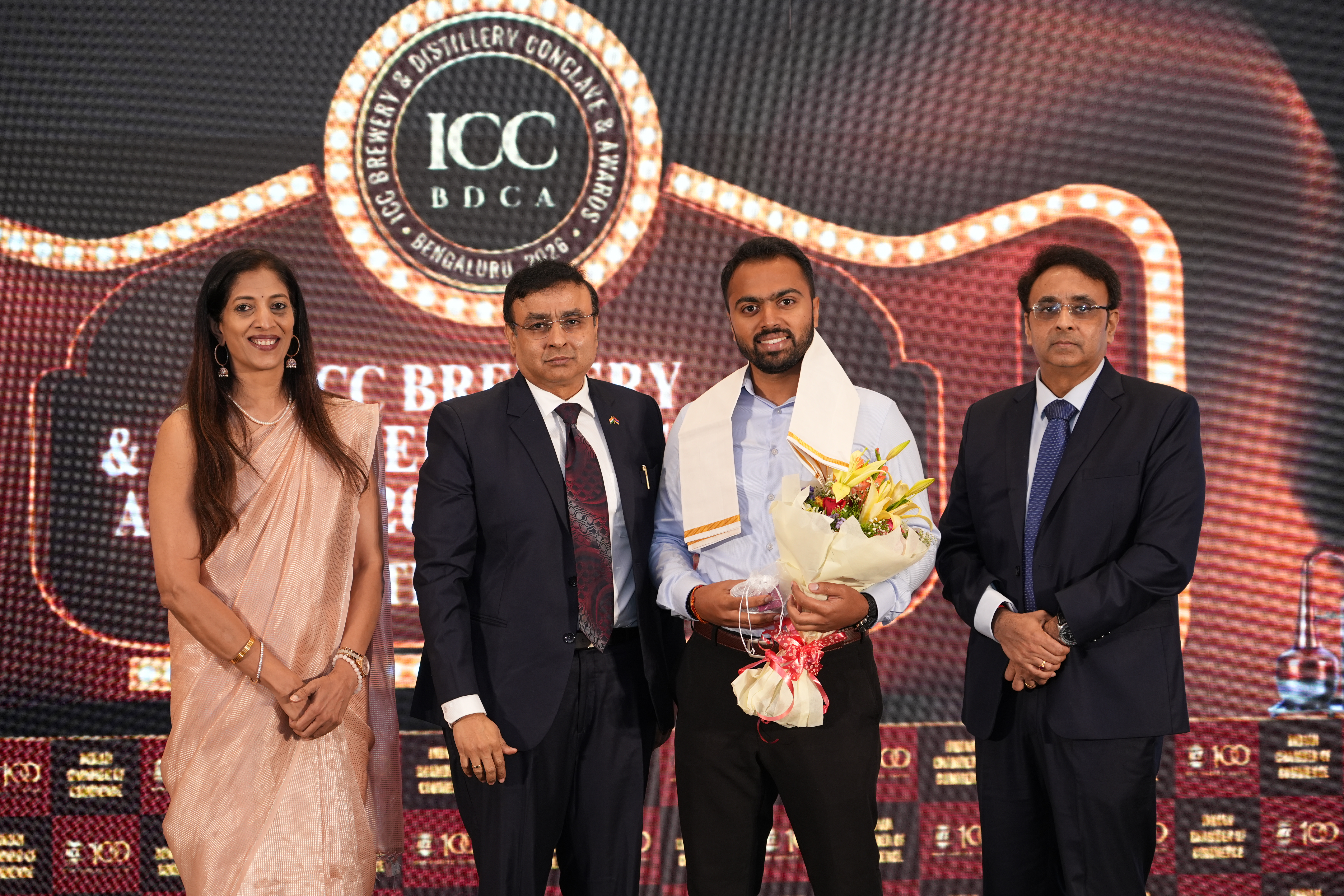
Awards&Achievements
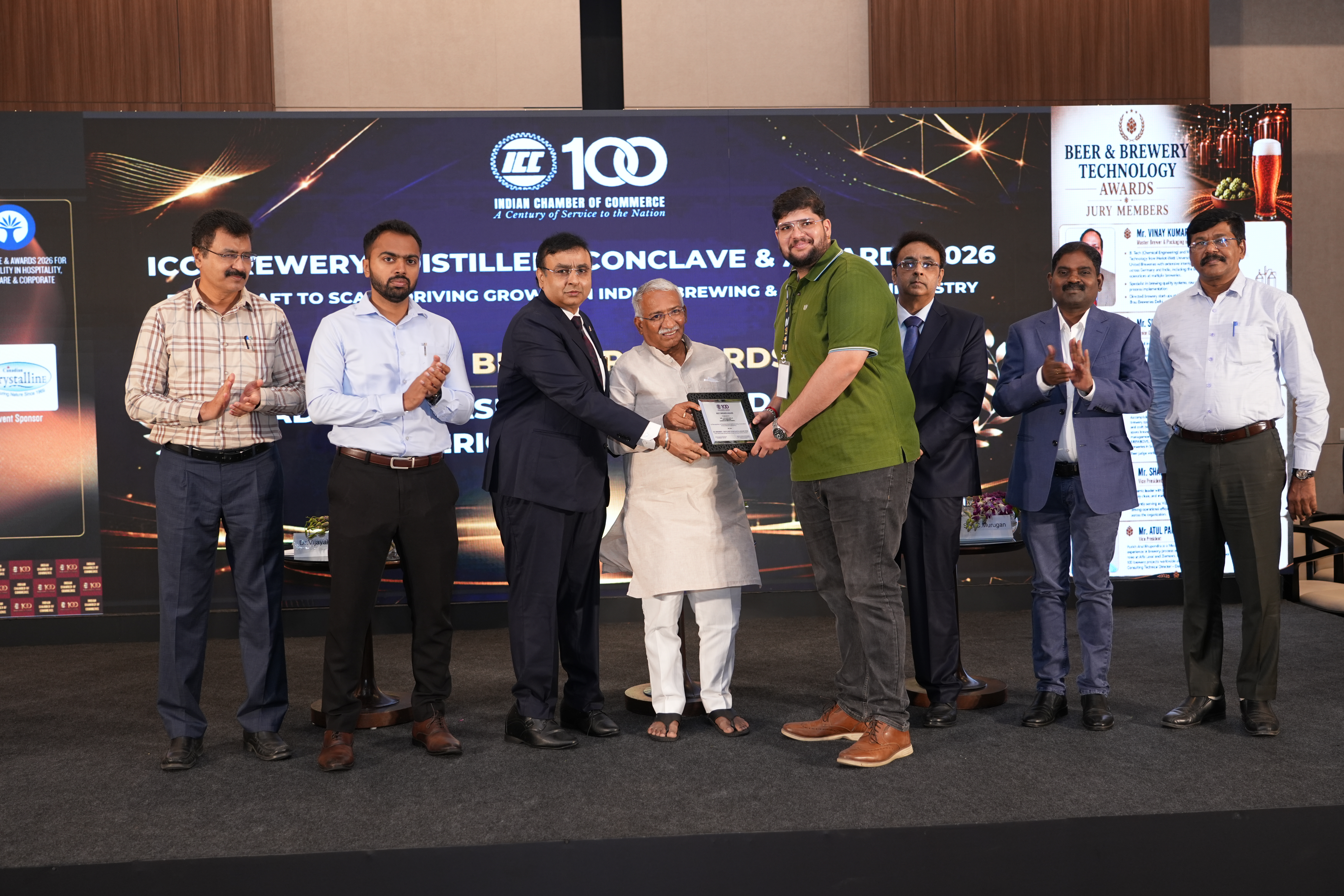
Our relentless pursuit of excellence and innovation has been recognized globally. We take pride in the milestones we've achieved on our journey to transforming the industry.
Let's Discuss Your Packaging Needs
Reach out to our experts to find the perfect packaging solutions tailored for your business. We are here to help you succeed.
Call Us:
+91 93848 06105
Email Us:
info@seppasolutions.com
Location:
No. 7, Parivakkam Road , Chennai - 600 056, Tamilnadu, India.
Request a Quote
Informingyouwithindustryfocusedupdates