Complete Wine & Spirits Processing Solutions | Seppa Solutions
CompleteWine&SpiritsProcessingSolutions
Bad equipment costs more than the price tag. Anyone who's watched a batch of Chardonnay go flat from oxygen pickup during transfer, or seen a single malt overfilled because the dosing system drifted at temperature, knows exactly what's at stake. The aroma, mouthfeel, and finish of a premium wine or spirit don't survive sloppy handling and once a customer notices, that trust is gone.
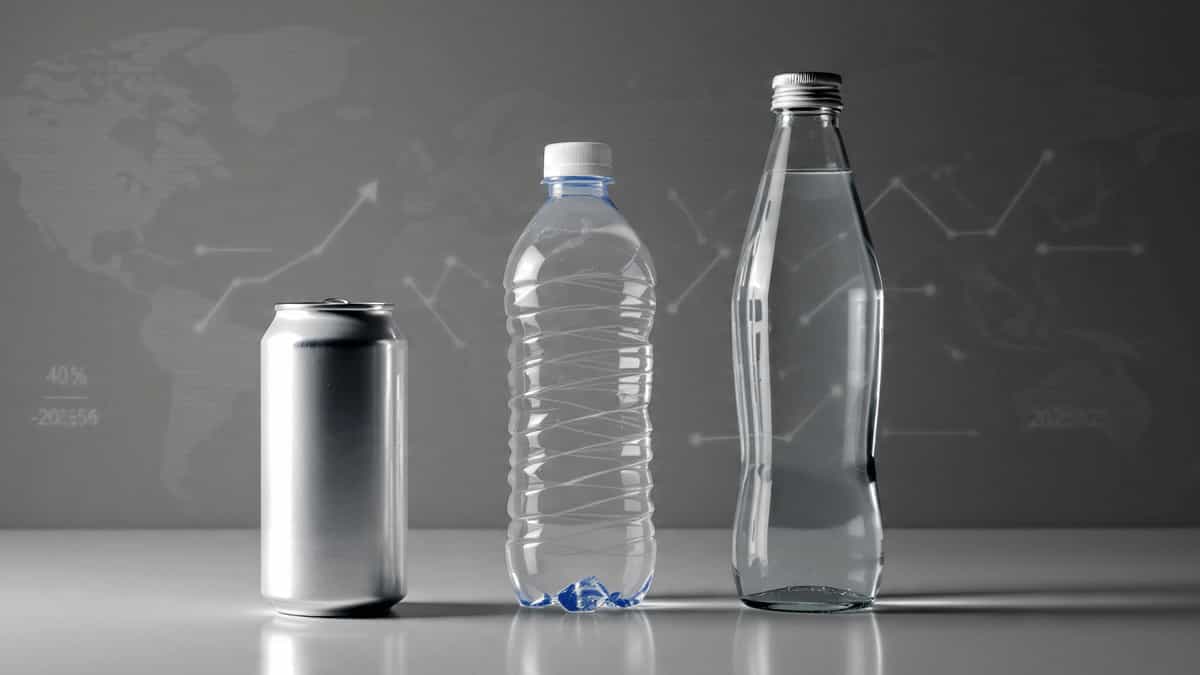
The wines and spirits category has been on a consistent upward trajectory. A major industry forecast put the global luxury wines and spirits market at over $812 billion in 2015, with projections to $1.1 trillion by 2022 at a 4.8% CAGR. India's wine market alone grew at double digits between 2015 and 2018. Cocktail culture, rising incomes, and a real shift in how consumers approach what they drink from rum and vodka toward cognac, tequila, and premium whites have all pushed the category higher.
That growth creates opportunity, but it also raises the bar. Consumers paying premium prices notice things. They notice consistency. They notice bottle presentation. They notice whether the last bottle tasted the same as the first.
Seppa Solutions builds the processing infrastructure that makes consistency achievable wine plants, filling lines, and complete bottling systems for producers who are serious about quality at scale.
AutomatedWineFillingandBottlingLines
Precision at Every Stage
Precision Filling
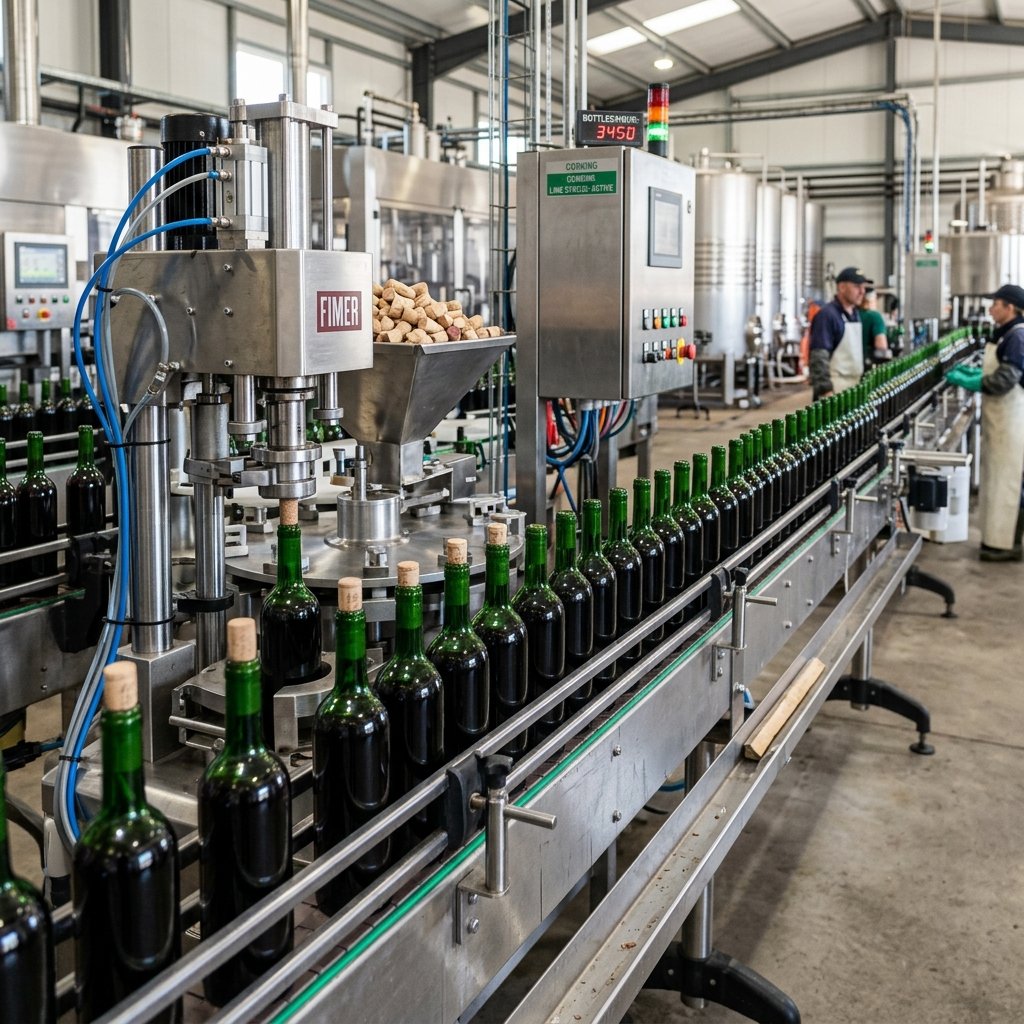
A bottling line is where the product either lands or doesn't. All the careful work upstream the fermentation management,...
Handling Custom Bottle Formats
Bottle shapes have gotten more varied. Producers use embossed glass, proprietary formats, and custom wine glasses as par...
Oxygen Protection
Oxygen pickup remains the technical enemy, regardless of bottle shape. For still wines and spirits, keeping dissolved ox...
WineProductionProcessandPlantDesign
Engineering for Delicate Products
Precision Engineering
Wine production has changed dramatically over the last twenty years. Today's consumers are more knowledgeable, global co...
Sparkling White Wine Challenges
Sparkling white wine is the hardest case. Maintaining CO₂ saturation from tank to sealed bottle requires isobaric counte...
Gas Management
Our sparkling white wine lines use closed-loop gas management to hold target CO₂ within +0.1 vol, which means the produc...
Hygiene
Hygiene is the other non negotiable. CIP and SIP cycles are built into every Seppa wine plant as standard. Documentation...
HowSeppaSolutionsDeliversAdvancedWine&SpiritsProcessingPlants
What Actually Differentiates the Equipment. There's no shortage of equipment suppliers in the wines and spirits sector. The difference, in practice, comes down to engineering decisions that don't show up in spec sheets how the internals are finished, how the dosing system handles temperature variation, whether the sanitary design was built in or bolted on later.
316L Stainless Steel
Every product contact surface in a Seppa plant tanks, valves, pipework, filling heads is 316L stainless steel with elect...Read More
Inert Gas Management
Inert gas management is built in for wines and spirits that need it, which is most of them. Premium reds, many white var...Read More
Temperature Dependent Dosing
The spirits dosing system handles something that simpler equipment misses: temperature dependent density variation. At 4...Read More
Counter Pressure Filling
For sparkling white wine and carbonated spirits, counter pressure filling maintains consistent fill levels even when car...Read More
Methodology:FromConcepttoCommissioning
How a Seppa Project Actually Works
Phase 1: Feasibility Study
We start with a feasibility study. Not a quote. Before we specify any equipment, we need to understand the product range, the physical constraints of the site, the current bottlenecks, and where the operation is headed in three to five years. For wines and spirits producers trying to expand capacity, this stage regularly surfaces process inefficiencies that a new bottling line won't fix on its own.
Phase 2: Process Integration
Process integration for wine production is the next step mapping everything from grape reception or raw spirit intake through to palletized finished goods. The question at every point is whether automation reduces cost and error, or just adds complexity. Not every wine plant needs robotics across the board. The right answer depends on SKU count, shift structure, and how much technical maintenance capability exists on site.
Phase 3: Installation and Commissioning
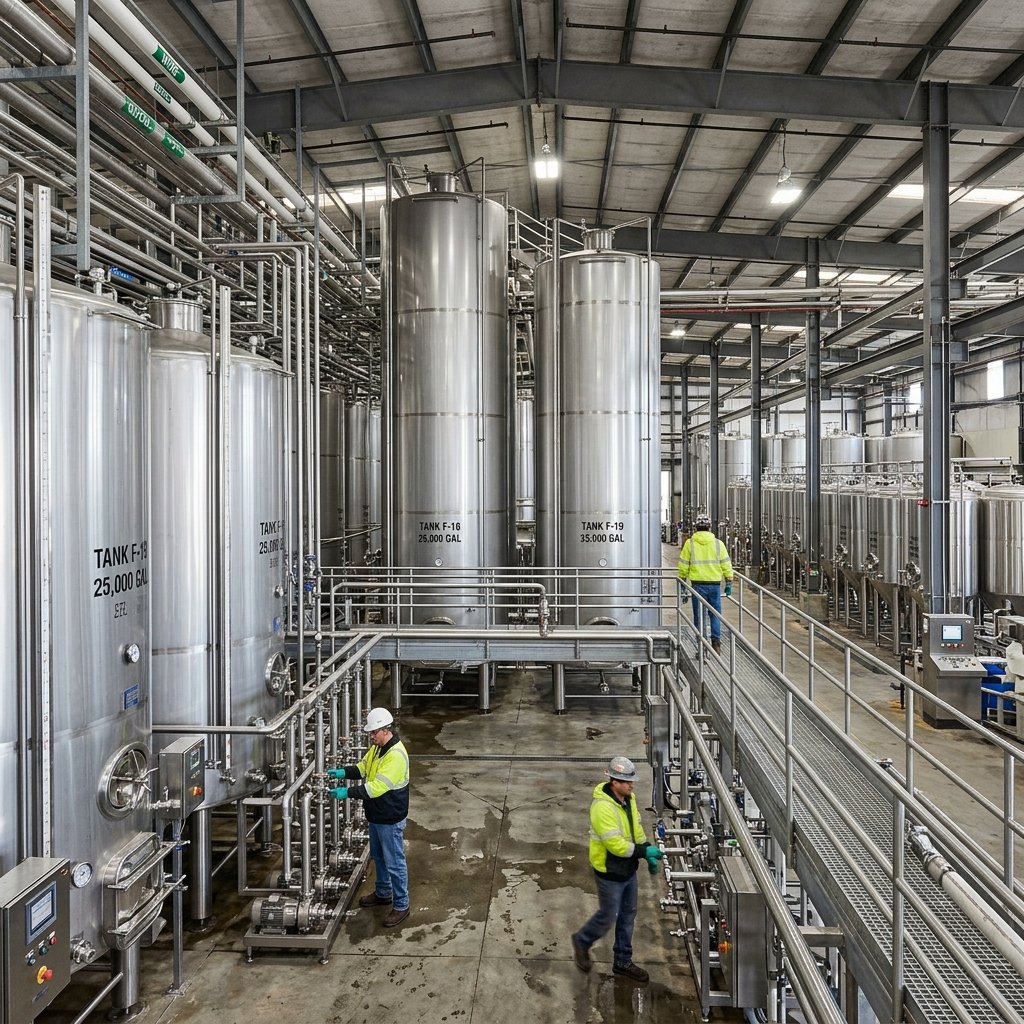
Installation and commissioning are handled by Seppa's own engineers. Factory Acceptance Testing happens at our facility before anything ships. Site Acceptance Testing confirms that throughput, fill accuracy, and CIP validation all perform to specification under actual production conditions not controlled lab conditions. We don't sign off until they do.
Phase 4: Operator Training
Operator training is last, and it gets underestimated more often than anything else. The difference between catching a dosing drift early and losing a batch is usually a trained operator noticing something feels off. We run hands-on training with the shift team, not a binder drop.
Conclusion: Precise Wine & Spirits Processing for Highest Quality Demands. Seppa Solutions develops complete wine processing plants, bottling lines, and spirits solutions for manufacturers who want to combine premium quality with economic production. From hygienic process design to precise dosing technology and automated filling systems, plants are created that reliably protect sensitive products while enabling scalable production.
FrequentlyAskedQuestions
EmpoweringIndustryLeadersWorldwide














CollaboratingwiththeBestintheIndustry



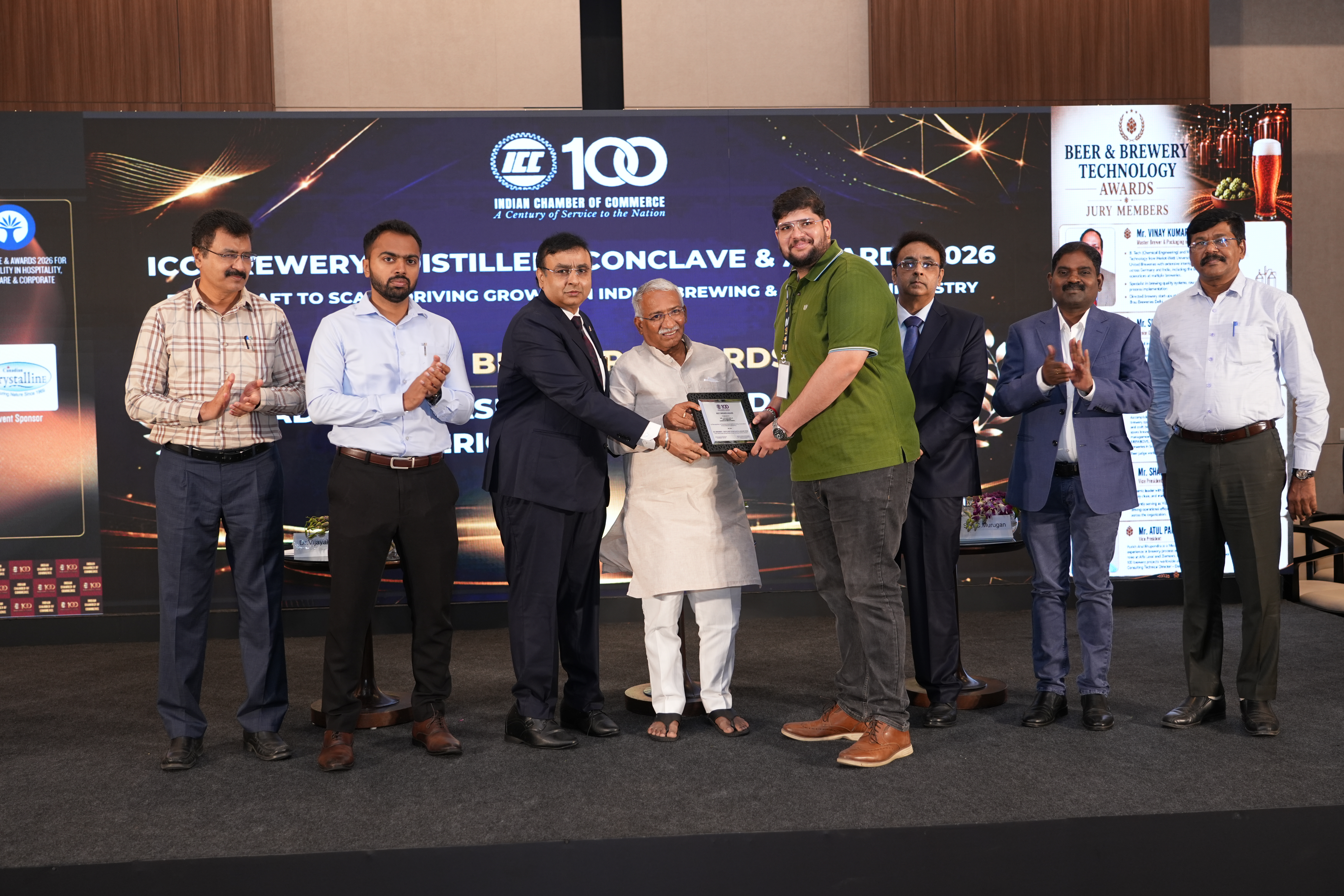
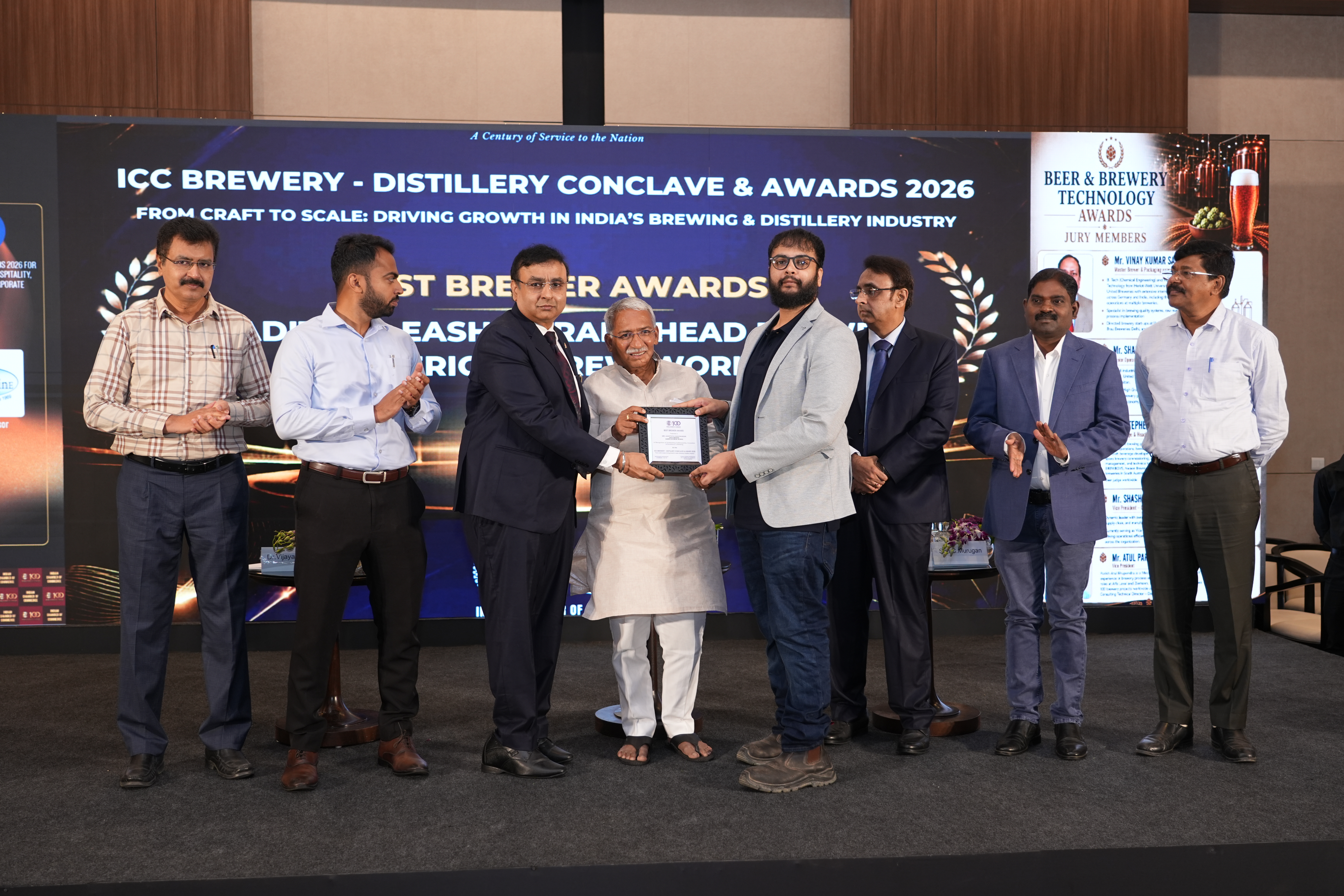
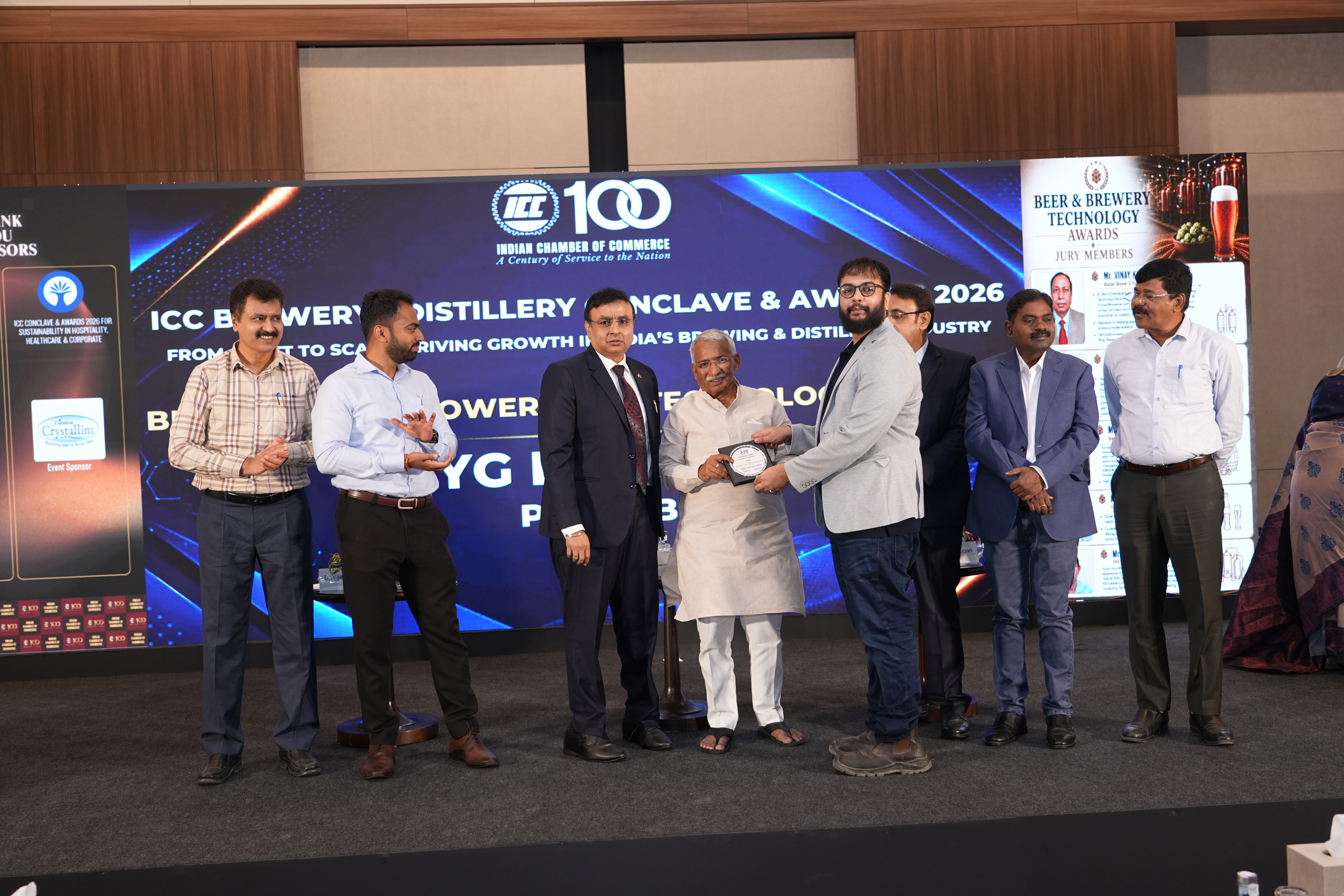
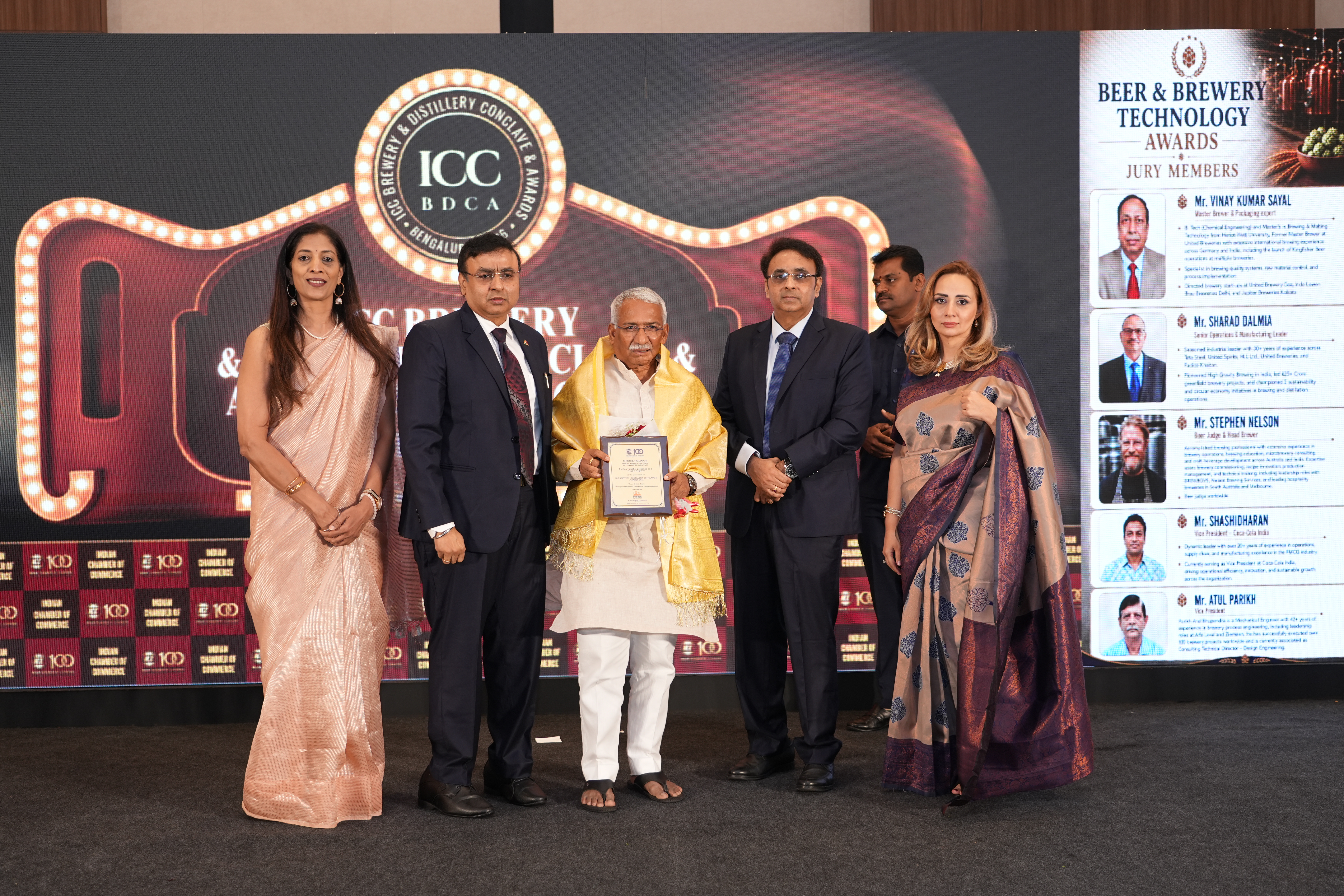
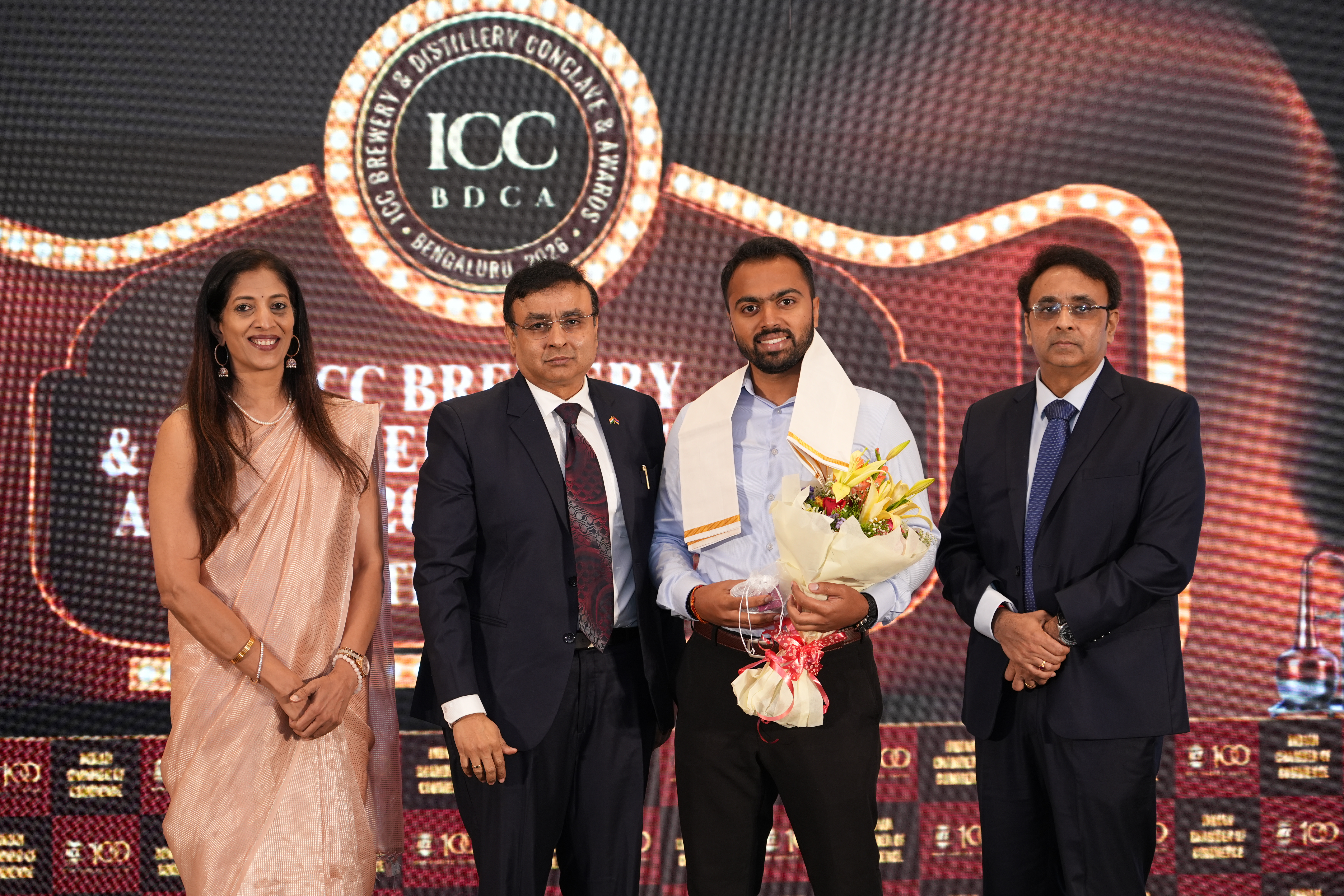
Awards&Achievements
Our relentless pursuit of excellence and innovation has been recognized globally. We take pride in the milestones we've achieved on our journey to transforming the industry.
Let's Discuss Your Packaging Needs
Reach out to our experts to find the perfect packaging solutions tailored for your business. We are here to help you succeed.
Call Us:
+91 93848 06105
Email Us:
info@seppasolutions.com
Location:
No. 7, Parivakkam Road , Chennai - 600 056, Tamilnadu, India.
Request a Quote
Informingyouwithindustryfocusedupdates