PET Bottle Blowing Machine
WhataModernPETBottleBlowingMachineActuallyDoes
Seppa Solutions has been building blow molding equipment for over 25 years. In that time the fundamental physics of stretch blow molding has not changed much, but everything surrounding it preform conditioning, blowing pressure control, line integration has changed substantially. A modern pet bottle blowing machine from Seppa is the throughput ceiling of a beverage line. If it runs well, the rest of the line runs well. If it doesn't, nothing downstream saves you.
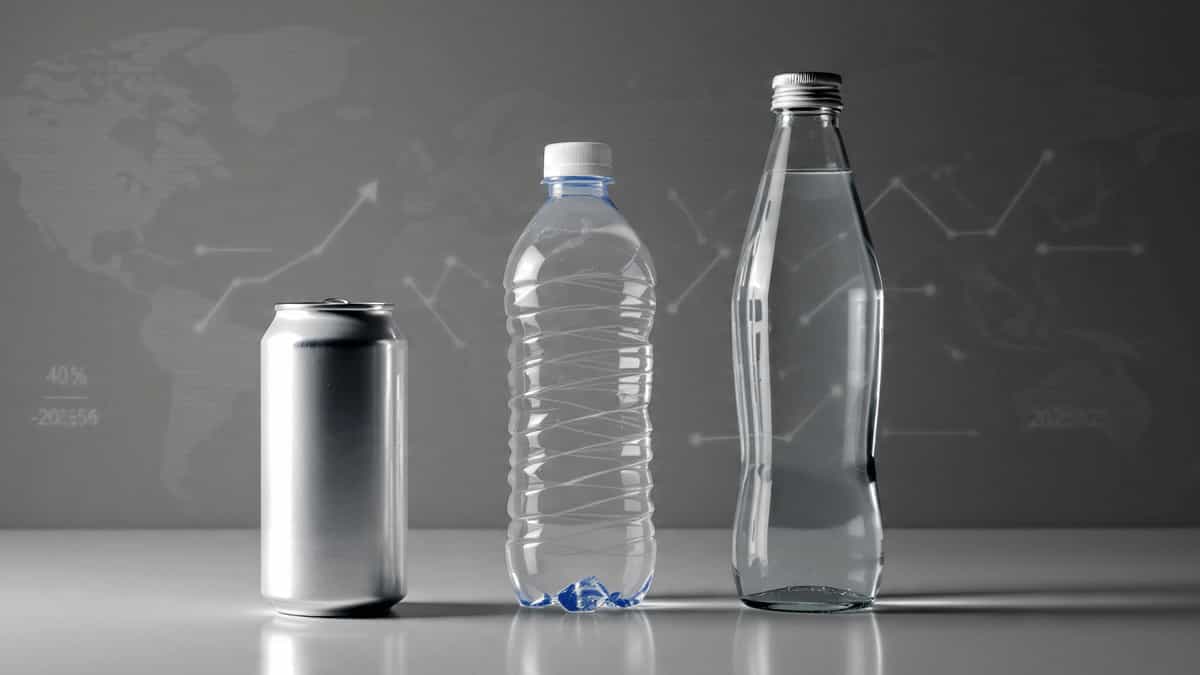
Seppa's range covers complete PET line solutions for water, sparkling water, CSD, juice, milk, beer, liquor, and wine. That breadth matters because each category has different container requirements a carbonated soft drink bottle needs high base stability and thick sidewall geometry; a still water bottle needs the opposite. The pet bottle blowing machine has to handle both, often on the same platform when a manufacturer produces multiple SKUs. Technological advancement in Seppa's equipment is the result of years of addressing exactly these production realities, not just chasing headline cavity counts.
The packaging industry has tightened on three fronts at the same time: material consumption is under pressure from lightweighting mandates, energy cost is a real line item in production economics, and output speeds keep rising because retail customers expect shorter lead times. A well specified plastic bottle blowing machine addresses all three. The question is how.
TypesofPETBlowingMachines
•Semi Automatic Units: Semi automatic machines suit pilot lines, specialty formats, and operations where output volumes sit below 2,000 bottles per hour. Manual preform loading is the trade off; the upside is lower capital cost and flexibility on neck finish. A semi automatic plastic bottle maker is a reasonable starting point when SKU range is wide and runs are short.
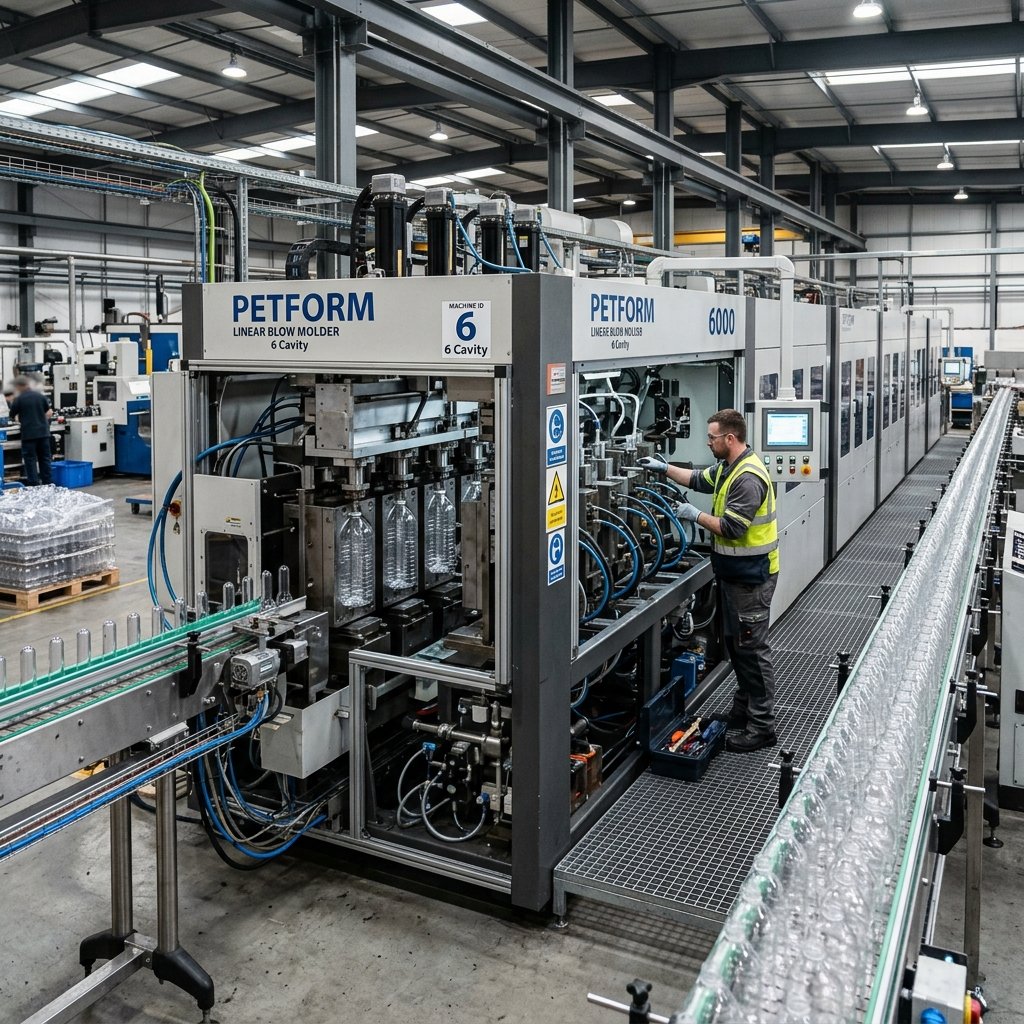
•Linear Automatic Machines: Linear platforms carry two to twelve cavities in a fixed-pitch arrangement. They cover the mid volume range from roughly 2,000 to 12,000 bottles per hour and suit operations with infrequent format changes. As a plastic pet bottle making machine, linear designs have straightforward maintenance access and lower initial tooling cost than rotary equivalents factors that matter when a project is working against a tight pet bottle manufacturing plant cost budget.
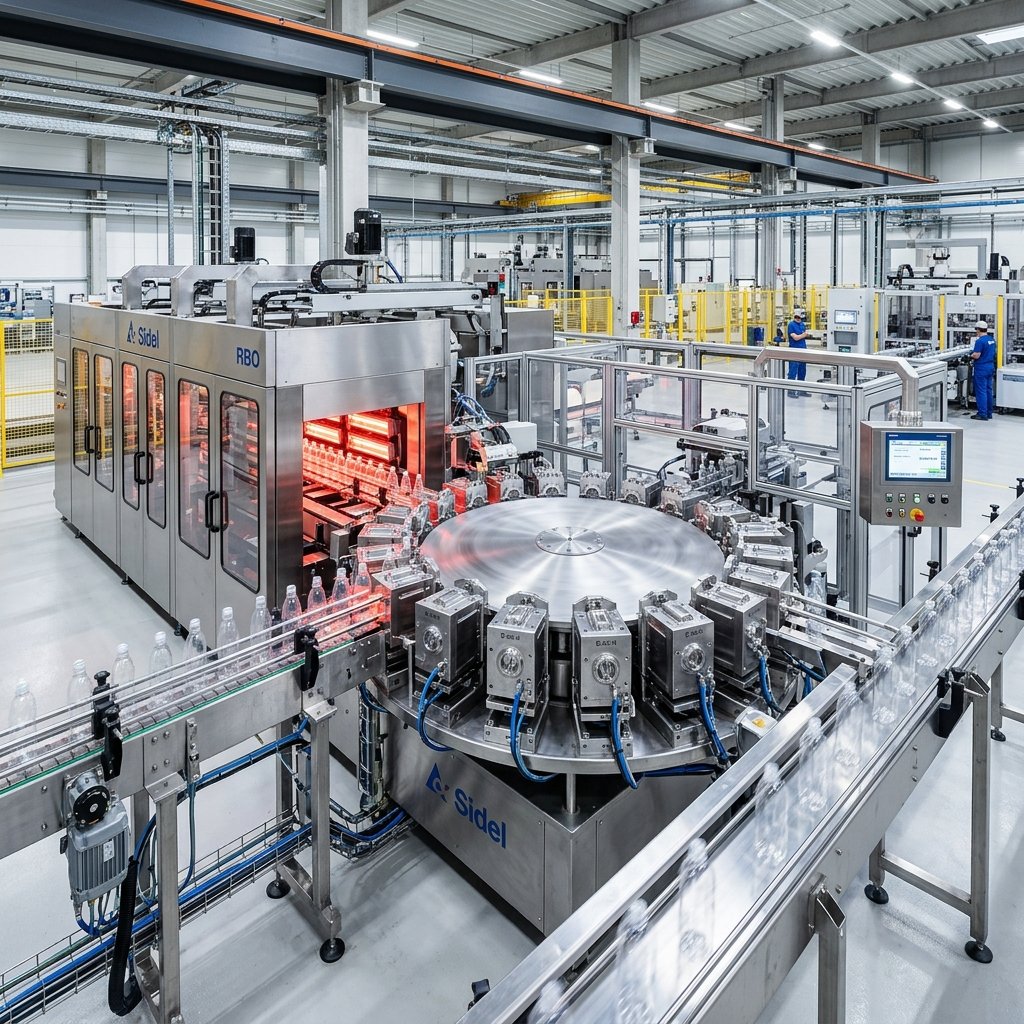
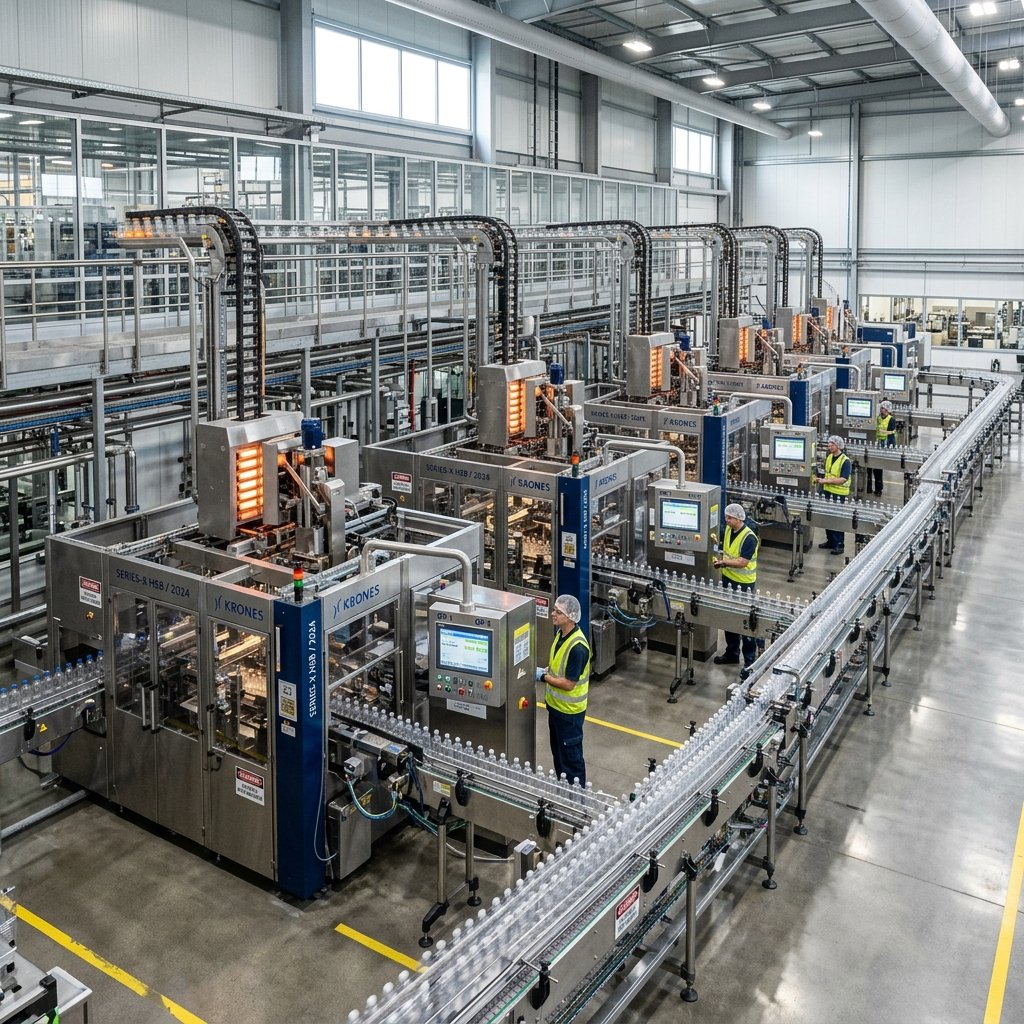
•Rotary High speed Systems: Rotary blow molders are where output rates and container quality both peak. Seppa's rotary platforms carry up to 24 cavities on a continuously rotating wheel, achieving outputs above 24,000 bottles per hour on standard 0.5 litre water formats. Preforms move through dedicated infrared oven segments in continuous flow, arrive at blowing stations at precise temperature, and exit as finished containers without interruption.
SelectionMethodology
•Capacity Planning: Start from annual production volume. Apply an uptime factor of 85 to 90 percent and back calculate required bottles per hour. That number drives the cavity count decision and determines whether a linear or rotary pet bottle blowing machine platform is appropriate. Getting this calculation wrong in either direction is costly.
•Mold Design Considerations: Mold cost scales with cavity count and container complexity. Heat-set molds for hot-fill applications cost roughly 40% more than standard molds due to internal cooling circuit complexity. Budget mold tooling correctly upfront. Replacing undersized molds at line startup delays commissioning and inflates project cost.
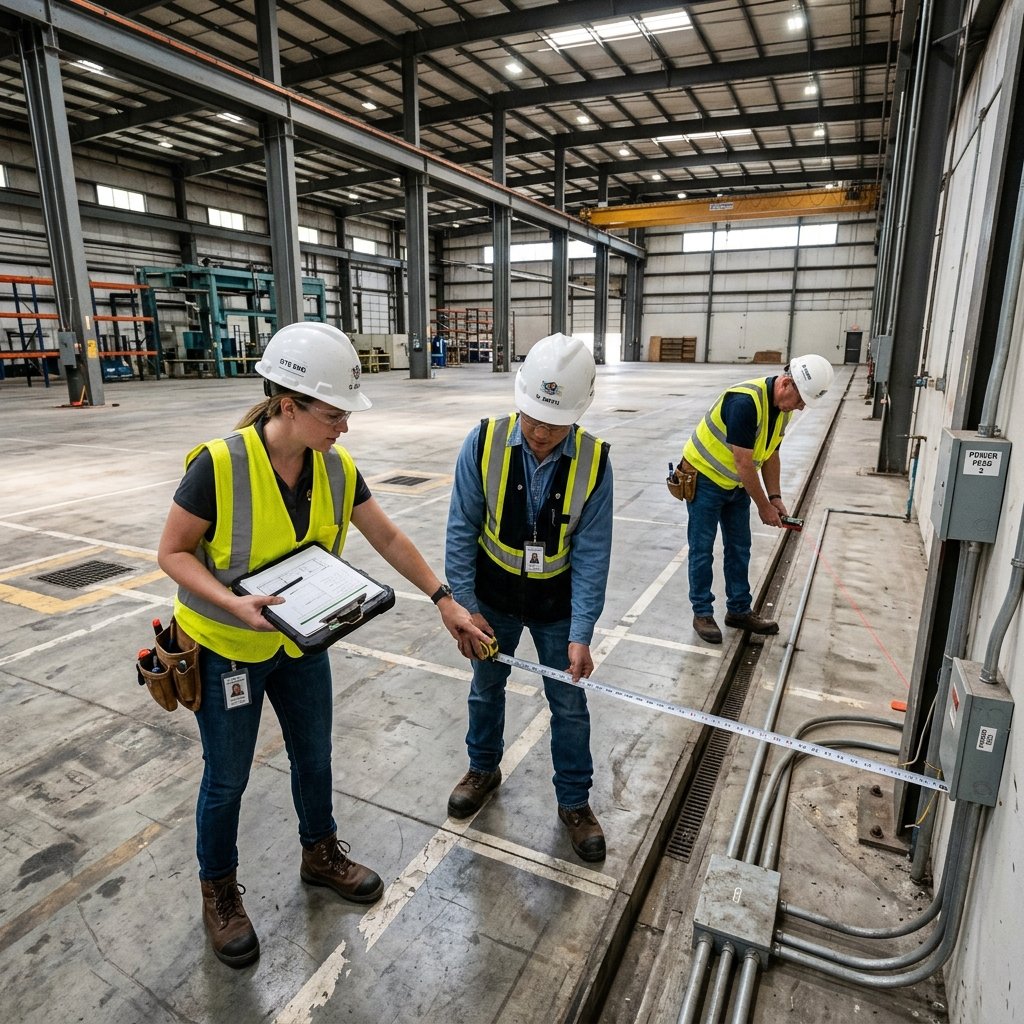
•Site Layout & Installation: A rotary pet bottle blowing machine in a 24 cavity configuration requires approximately 18 metres of linear floor space. Seppa provides full on site commissioning, operator training, and factory acceptance testing. The validation protocol includes a 72 hour production run at rated speed, with bottle samples submitted for testing before handover.
KeyTechnicalFeatures
Infrared Heating Architecture
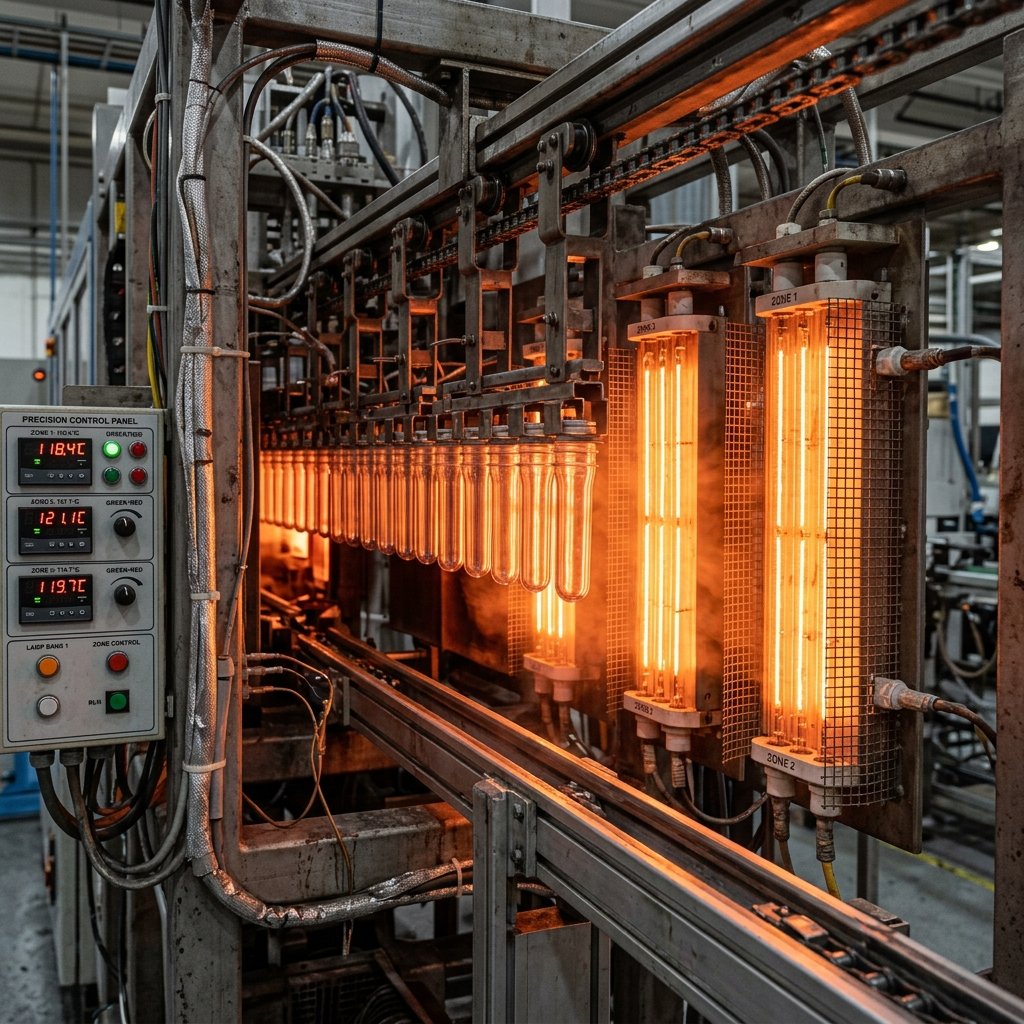
Most cycle losses originate in the oven, not the blow station. Seppa's oven modules use independently controlled infrare...
Clamping Systems
Seppa builds both hydraulic and full electric servo clamping configurations. Hydraulic units deliver high clamping tonna...
Control Interface and Recipe Management
Seppa's control platform stores full recipe sets per SKU. Operators call up preform dimensions, oven heating profiles, b...
WhyChooseSeppaPETBlowingMachines?
Choosing the right pet bottle blowing machine supplier is not just a capital equipment decision it is a production commitment that runs for a decade or more.
Seppa has been designing and manufacturing blow molding equipment for over 25 years, building a track record that generic pet blowing machine manufacturers simply cannot match on experience alone.
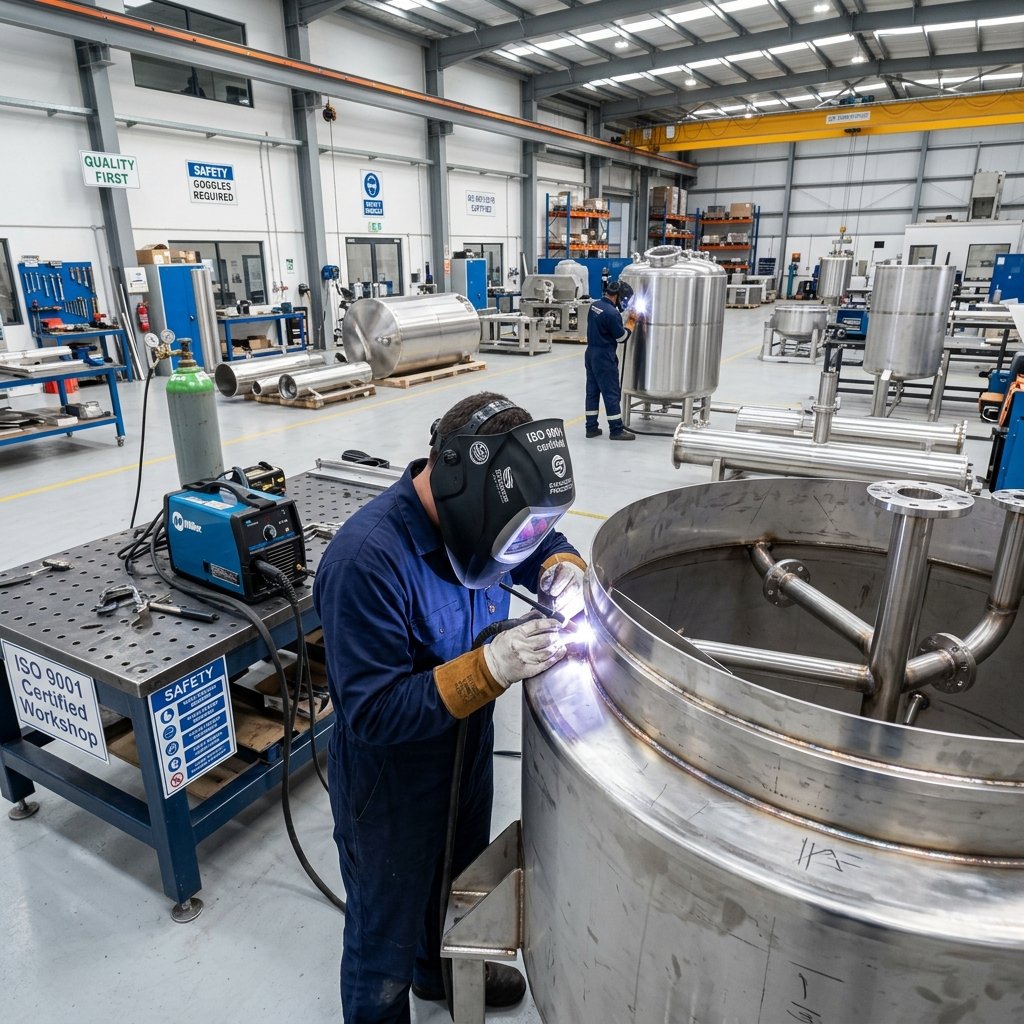
Every plastic pet bottle making machine in Seppa's range is engineered for real production conditions: consistent cycle times under multi shift load, oven heating zones that hold temperature through ambient variation, and clamping systems that do not produce flash after the first 10 million cycles. As a plastic bottle maker built for beverage grade output, Seppa equipment is validated against the same quality benchmarks as the filling lines it feeds.
Seppa also offers complete line integration a factor that directly reduces your pet bottle manufacturing plant cost by eliminating conveyor infrastructure and unnecessary handling steps. Every plastic bottle manufacturing machine is matched to upstream and downstream modules during the engineering phase, not retrofitted afterward.
PETBottleProductionProcess
Preform Loading & Heating
Injection moulded PET preforms arrive bulk loaded into the hopper. An unscrambler orients them neck up before the oven conveyor takes over. Preforms pass through the infrared oven at calculated speed. Lamp intensity and conveyor dwell time are set from preform wall thickness and PET intrinsic viscosity.
Transfer to Blow Station
Conditioned preforms move to the mold without delay. Any pause causes temperature decay at the shoulder, which is the most common source of thin wall failures in small neck water bottle formats.
Stretch Blow Cycle
The stretch rod descends at a defined velocity, orienting PET molecular chains axially. High pressure air at 38 bar then inflates the preform radially against the mold wall. This biaxial orientation increases barrier properties and drop impact resistance.
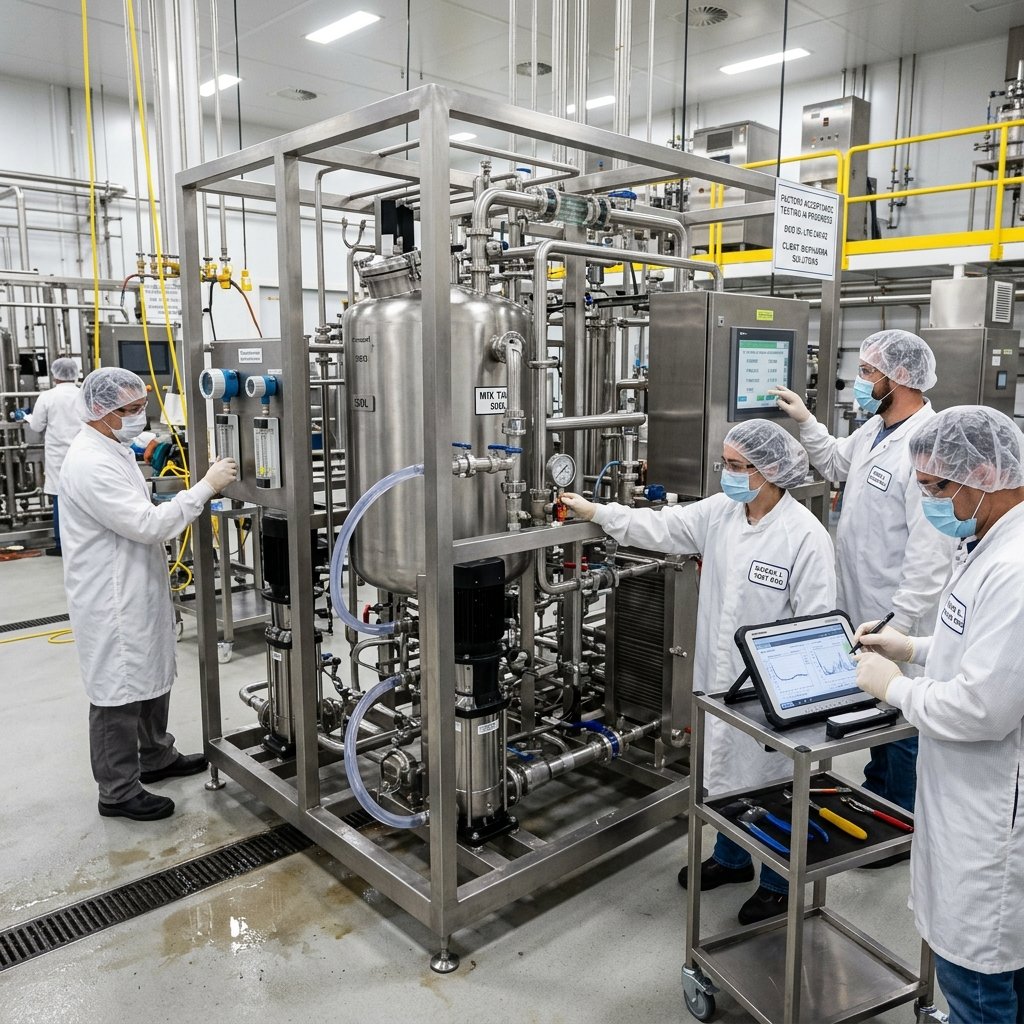
Ejection & Inspection
Pressure exhausts through calibrated vent channels. The finished bottle ejects onto an air conveyor. Inline inspection vision systems check base geometry, neck finish, and wall-thickness distribution. Rejects divert automatically before the filler sees them.
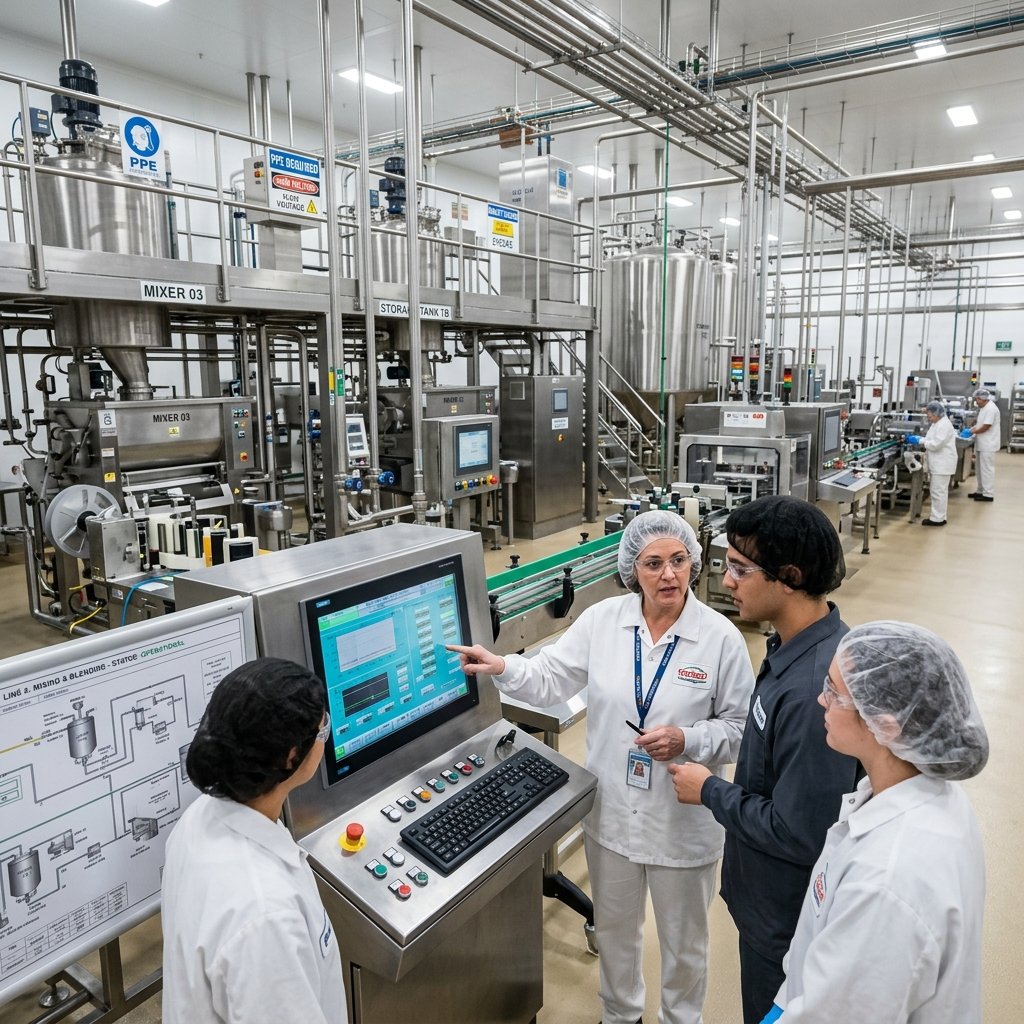
Conclusion: Seppa – Your partner for efficient PET bottle production. With modern stretch blow molding technology, energy-efficient systems, and comprehensive line integration, Seppa offers PET bottle blowing machines for beverage manufacturers who value quality, flexibility, and long-term production reliability.
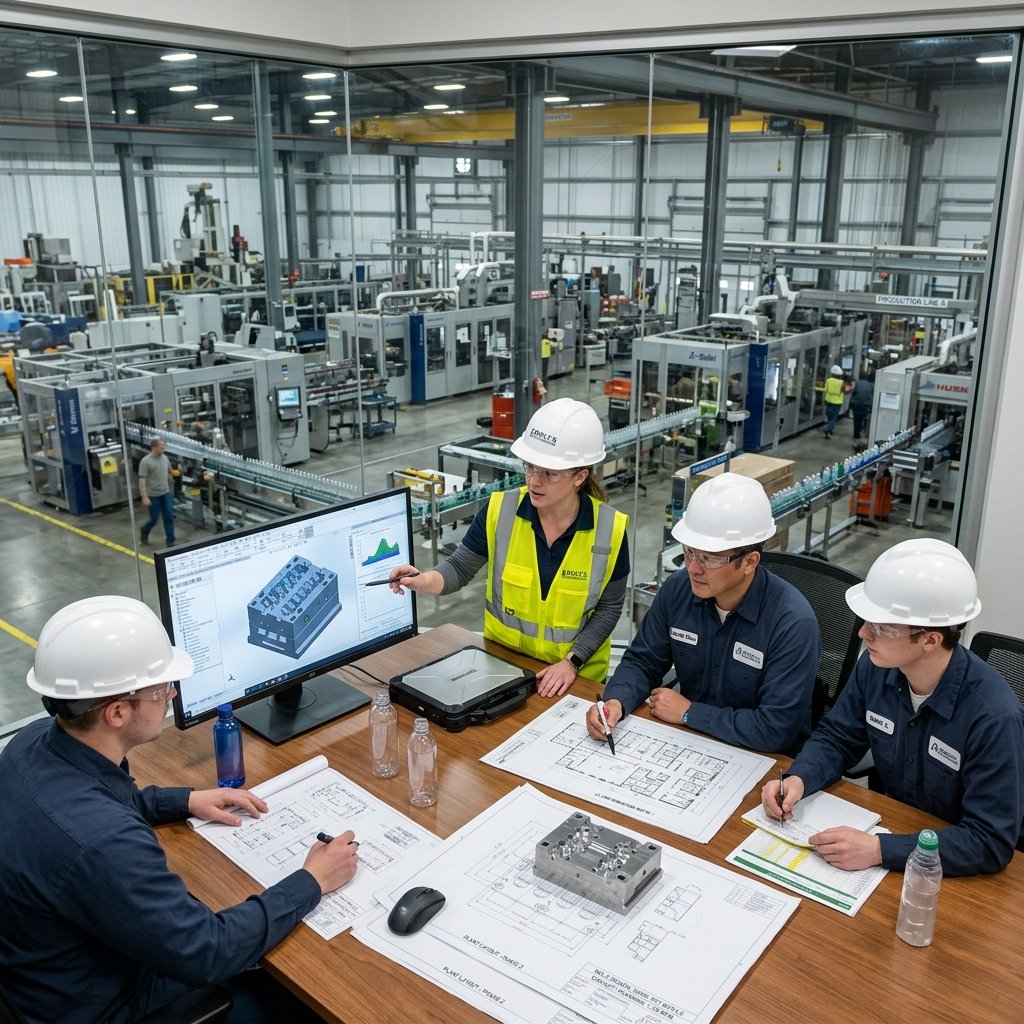
Comprehensive Beverage & Dairy Processing Lines
FrequentlyAskedQuestions
EmpoweringIndustryLeadersWorldwide














CollaboratingwiththeBestintheIndustry



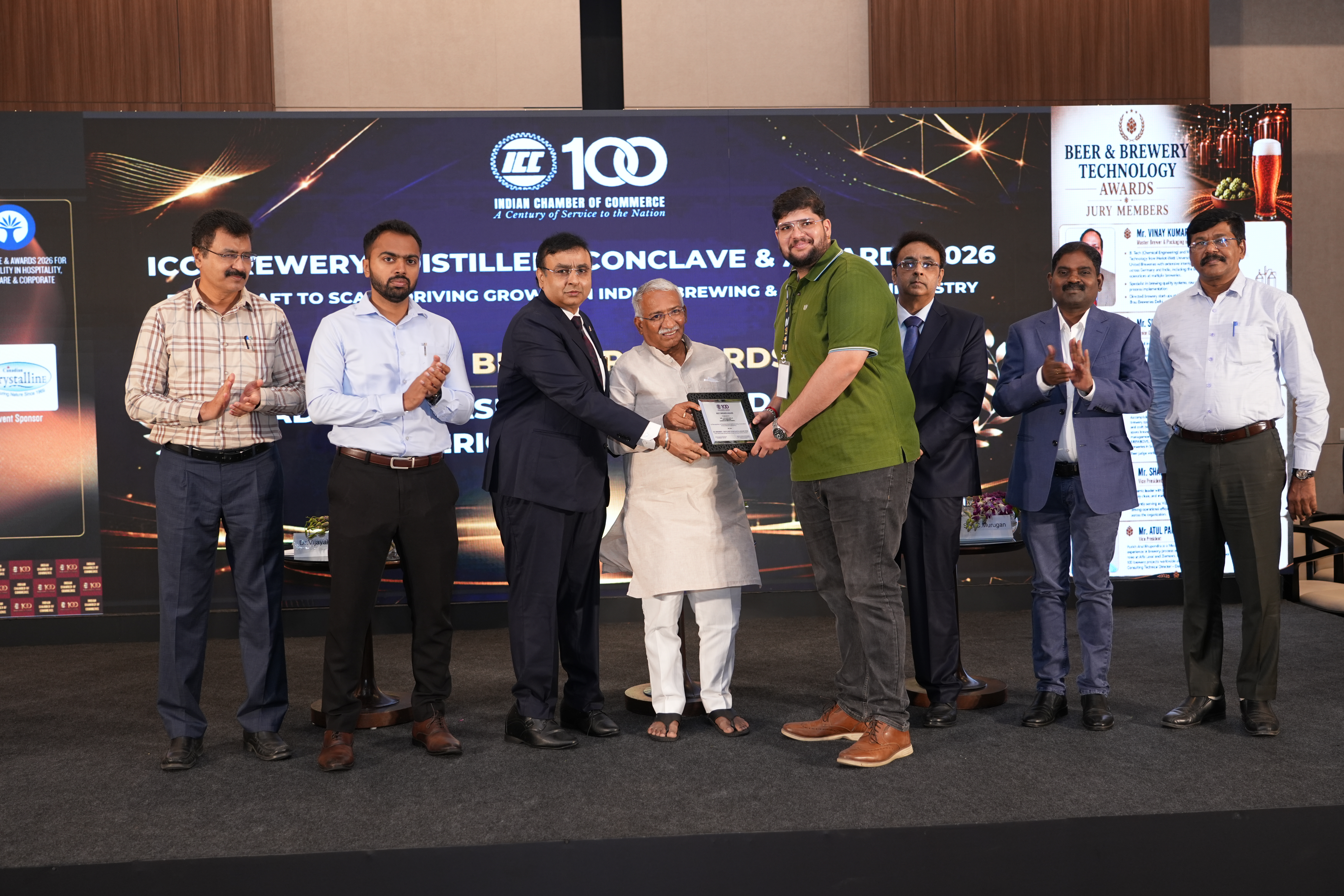
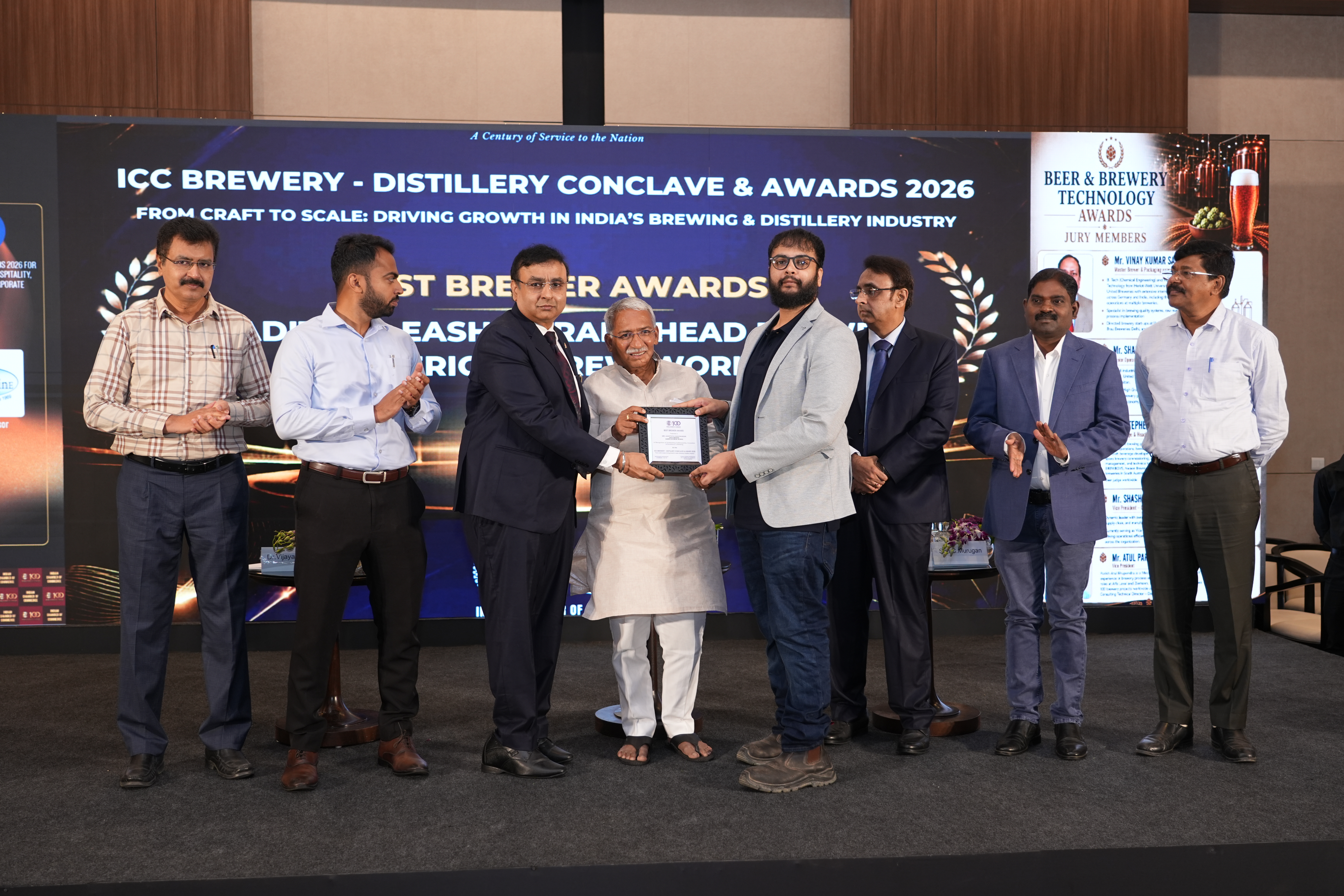
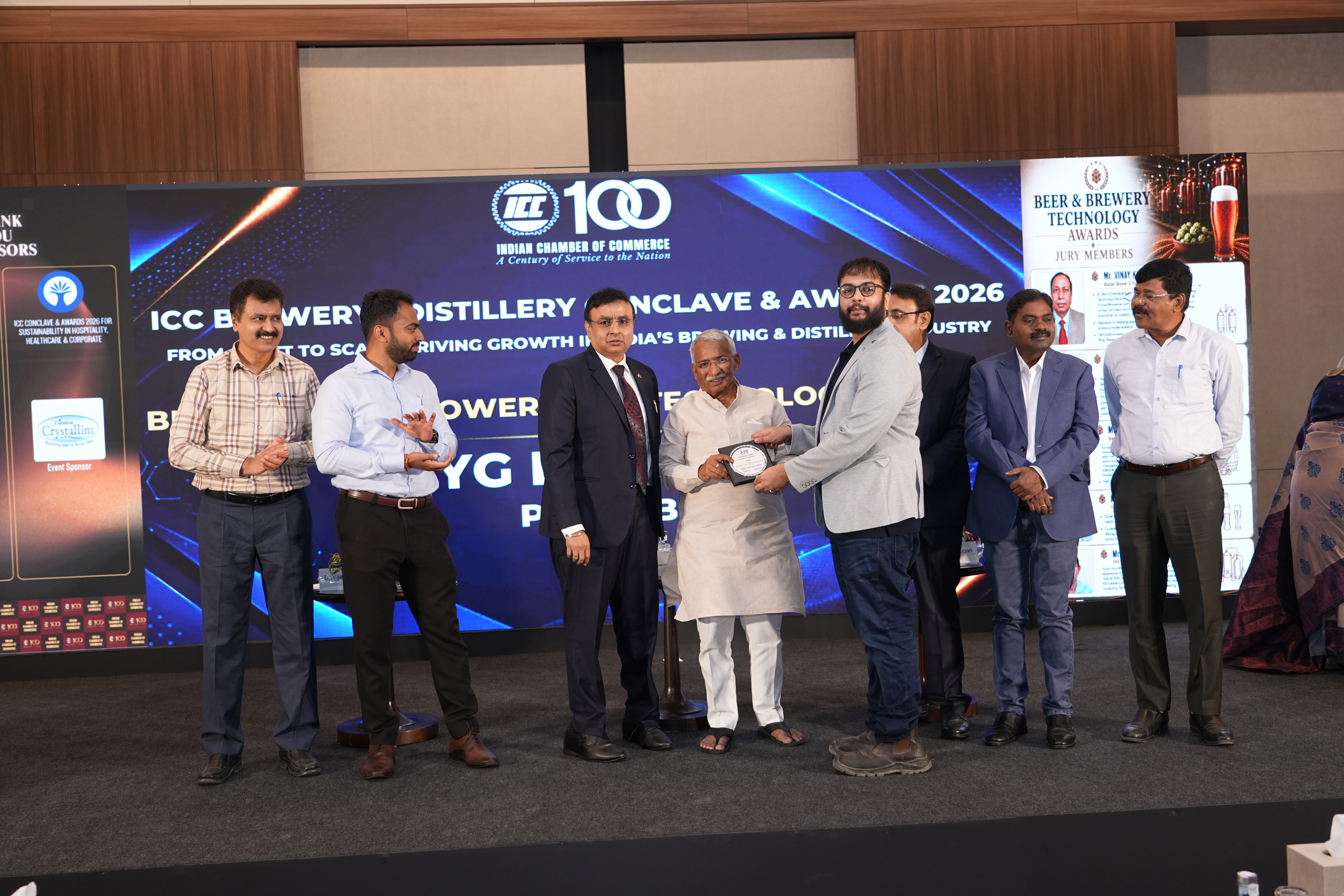
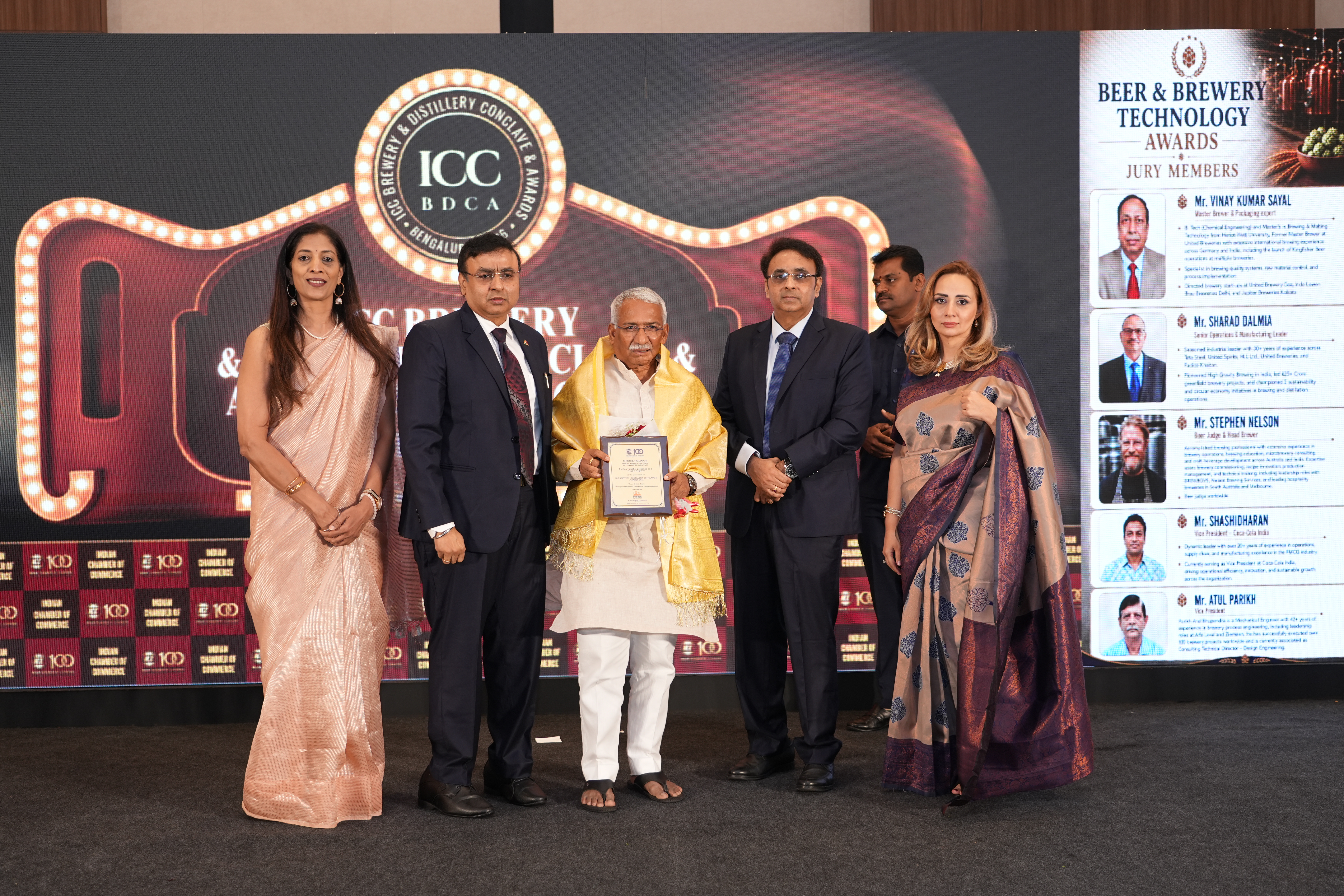
Awards&Achievements
Our relentless pursuit of excellence and innovation has been recognized globally. We take pride in the milestones we've achieved on our journey to transforming the industry.

Let's Discuss Your Packaging Needs
Reach out to our experts to find the perfect packaging solutions tailored for your business. We are here to help you succeed.
Call Us:
+91 93848 06105
Email Us:
info@seppasolutions.com
Location:
No. 7, Parivakkam Road , Chennai - 600 056, Tamilnadu, India.
Request a Quote
Informingyouwithindustryfocusedupdates