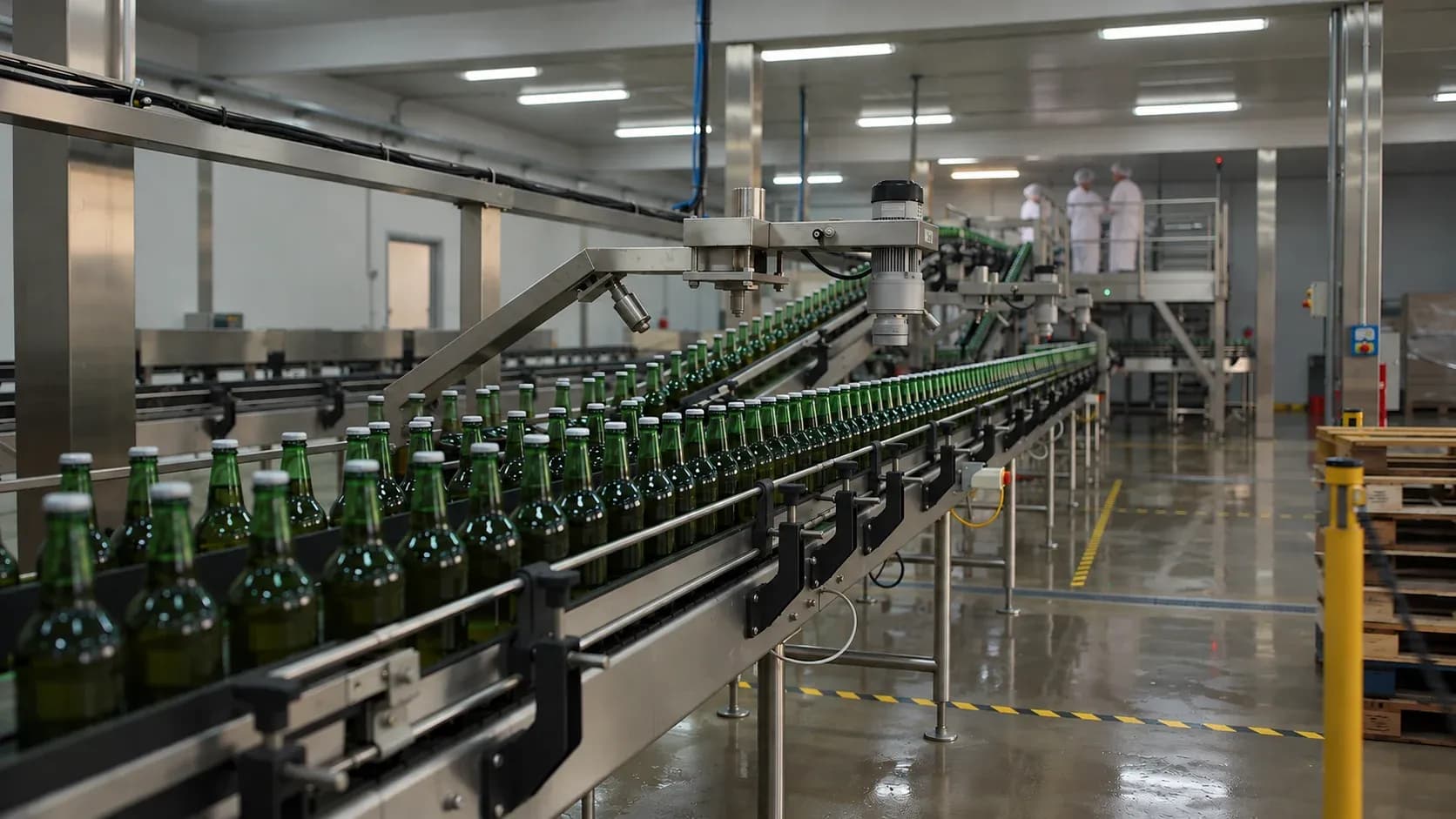
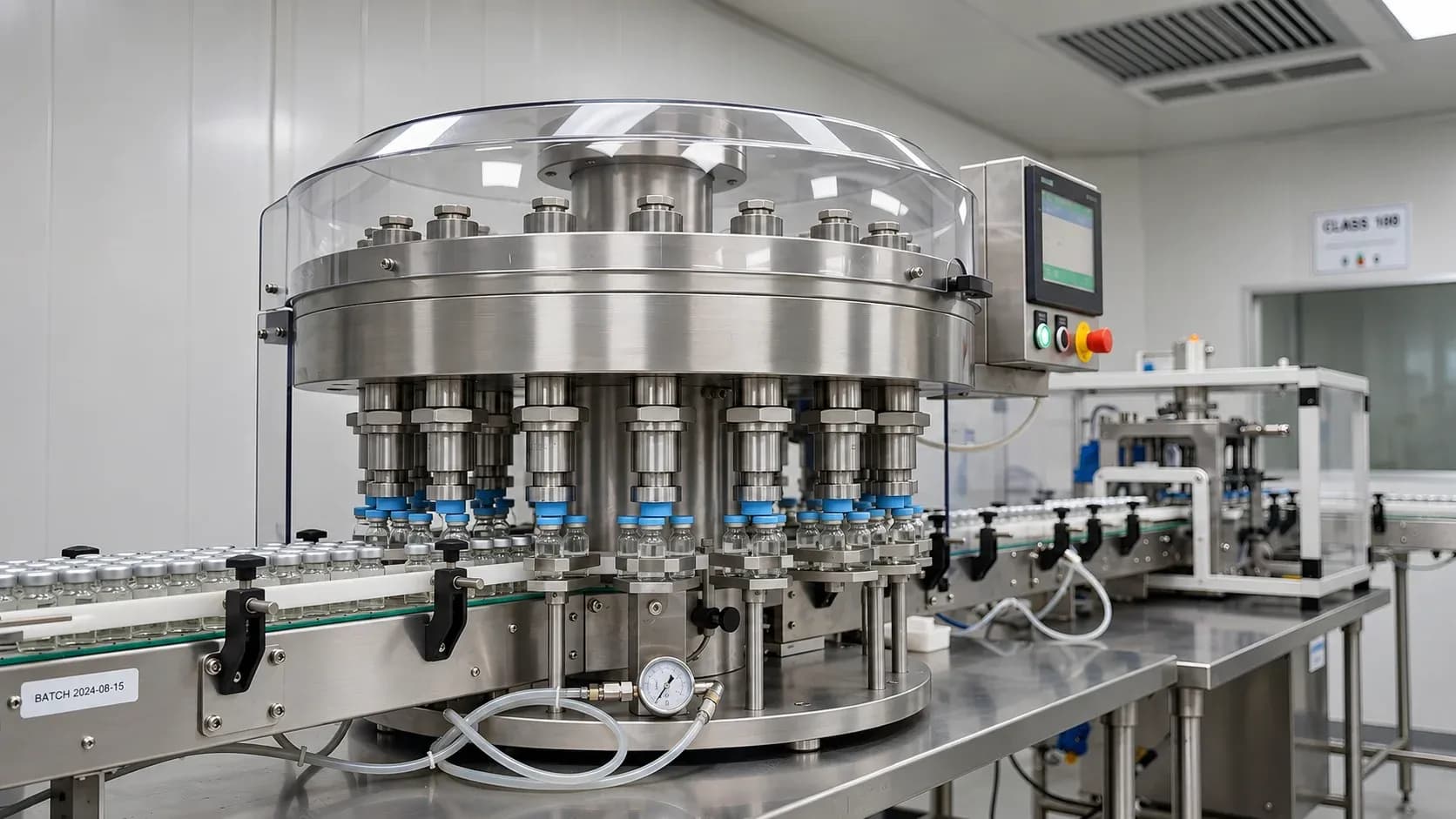
Here’s a scene I think about a lot. A bottle of oat drink sits on a warehouse shelf in July. No preservatives, no fridge, and three months later it still tastes like the day it was made. Nobody got lucky. That’s aseptic filling done right: a nozzle that never touches the bottle, a curtain of clean air, and engineering that doesn’t take shortcuts. Let me walk you through the aseptic packaging meaning and how the process works.
What Is Aseptic Filling and Why Is It Important in Beverage Manufacturing?
Aseptic packaging is defined as the process of placing a commercially sterile beverage into a sterile package in a sterile environment. Product, bottle, cap and air are each treated separately. They only meet inside a protected zone.
If you’ve ever Googled the aseptic packaging meaning, here’s the short version. The process is inherently sterile, not just made sterile at the end through the use of preservatives or a burst of heat applied to the pack. In other words, the definition of aseptic packaging means inherent sterility.
So why bother? Because dairy, plant based drinks, low acid juices and teas are basically a buffet for bacteria. Hot filling can’t always protect them, and shoppers who read labels don’t want preservatives anyway. Get aseptic filling right and you have a clean label product that sits happily at room temperature. For a brand owner, aseptic packaging means wider distribution, a smaller cold chain bill and fewer returns of spoiled stock.
How Does Non Contact Aseptic Filling Technology Work?
It’s easy to say and difficult to do. The aseptic filling machine maintains a small air gap between the dosing head and the bottle finish, which is the threaded mouth of the bottle that meets the lips. Nothing touches it, and therefore, no contamination will happen.
Three things keep that gap safe inside any good aseptic filling machine.
Electronic volumetric dosing comes first. A magnetic flow meter reads the liquid as it moves and shuts the valve the instant the target volume passes. No float, no probe, no contact.
Sterile air overpressure is second. Filtered air flows down across the filling zone and stays at slightly higher pressure than the room outside. Dirty air can’t drift in, because the only direction left is out.
Third is the isolator, a sealed enclosure around filling and capping. Plenty of conventional nozzles sit right on the neck. A non contact aseptic filling machine skips that risk, and there are fewer touch points to clean.
Step by Step Process of Filling Bottles Without Touching Their Mouth
Here’s how a typical cleanroom sequence runs, start to finish.
1. Preform sterilization. PET preforms enter the isolator and get a hydrogen peroxide treatment, then hot sterile air strips off the residue.
2. Aseptic blowing. The preforms are heated and stretched into bottles inside the clean zone, so the inside of each bottle never meets plant air.
3. Electronic volumetric dosing. Sterilized product arrives through a closed line. The nozzle stops above the finish and fills without touching it.
4. Sterile capping. Presterilized caps go on right away, in the same enclosure.
5. Controlled exit. Sealed bottles leave through a protected outlet while sensors log pressure and peroxide levels.
Sounds like a lot? It is. Still, nothing leaves the sterile zone between steps, and that’s the whole trick of aseptic filling. Good aseptic beverage filling isn’t about one clever component. It’s about never breaking the chain.
Comparative Analysis: Hot Fill vs. Non Contact Aseptic Filling Lines
| Parameter | Traditional Hot Fill Line | Non Contact Aseptic Filling Line |
|---|---|---|
| Thermal Degradation and Vitamin Retention | Whole container is heated, so vitamins and delicate flavours take a hit | Short, controlled heat on the product only, so more nutrients and fresher taste survive |
| Bottle Wall Thickness and Plastic Savings | Needs heavier, heat resistant bottles | Allows lighter bottles and real resin savings |
| Refrigeration Dependency (Shelf Life) | Fine at room temperature for high acid drinks, but dairy and plant based drinks often need a chill | Sensitive drinks in aseptic packaging can sit at ambient temperature for months |
| Sterilization Complexity and CIP/SIP Cycles | Simpler setup, no isolator, lighter validation | More complex: peroxide, CIP and SIP loops, tighter validation, but highly automated |
Key Benefits of Aseptic Filling for Beverage Production Lines
• Lighter bottles: without hot fill temperatures, you can drop the heavy, heat-resistant walls. Aseptic beverage filling lets you use thinner PET. • Lower packaging cost: shave a little plastic off each bottle and it adds up fast across millions of units of aseptic packaging. • Fresher taste: aseptic beverage filling heats the product briefly and alone, so flavour and vitamins hold up. • No chemical preservatives: aseptic filling gives you cleaner labels and easier talks with retail buyers. • Ambient shelf life: sensitive drinks can ship and sit without refrigeration. • Brand protection: one recall can undo years of trust, and a validated aseptic filling process lowers that risk.
How Aseptic Filling Technology Prevents Contamination and Maintains Product Quality
Contamination rarely walks in the front door. It sneaks into aseptic filling through small gaps: a worn gasket, a dead leg in a pipe, a brief pressure dip. Good design closes each one, which is the aseptic packaging meaning in daily practice.
Sterile positive pressure air makes sure that the filling area is much cleaner than anything else. The automatic CIP system will clean the product line after each production run and the SIP cycle will sterilize the line using steam. Good aseptic packaging equipment will include sanitary welds and pipework and valves that can be drained.
A handful of surviving cells can turn a full pallet sour. That’s why aseptic filling equipment gets watched all the time, not checked once a shift. Pressure, temperature and sterilant concentration are all logged, so you can prove a batch was safe instead of hoping it was.
Why Choose Seppa Solutions for Advanced Beverage Production Line Solutions?
Equipment is one thing. The people who build it and pick up the phone when something drifts at 2 a.m. are another. Seppa Solutions works as an engineering partner on aseptic filling projects, not just a supplier. The team takes the aseptic packaging meaning literally: sterile from end to end.
They provide you with customized sanitary fabrication, sterile plant integration and technical expertise for your new generation aseptic packaging line. This involves optimizing the size of your aseptic filling machine according to your capacity, utilities and the aseptic filling machinery, followed by operator training prior to start up.
What Should Manufacturers Consider When Choosing an Aseptic Filling System?
Aseptic beverage filling asks for real capital, so yes, start with the money. But do not stop here; consider what the aseptic filler uses, like steam, sterile air, and chemical sterilization – all of which have operating costs. Ask about operator training. Check your floor plan too, since aseptic filling equipment, isolators, product sterilizers and clean utilities need real space. And ask suppliers how they handle validation and spare parts. A cheaper aseptic filling equipment package that sits idle for three weeks waiting on a gasket isn’t cheaper.
Frequently Asked Questions About Aseptic Filling Technology
1. What is the true aseptic packaging meaning?
It means a sterile product, a sterile container and a sterile closure joined in a sterile environment, so the drink stays safe without preservatives or refrigeration.
2. How do you manage validation cycles?
Validating the aseptic filling machinery should be done from an early stage. People normally carry out sterilization challenges, media fills and sensors calibration before launching the machinery and they do that on a repetitive basis. Make sure you keep clean files as auditors will go through every single word.
3. How does shelf life compare with hot fill?
Hot fill works well for drinks that are high in acidity. If you are using dairy or plant-based products, aseptic beverages filling provides months at room temperature, based on your formula and packaging barrier.
4. What if sterile air pressure drops?
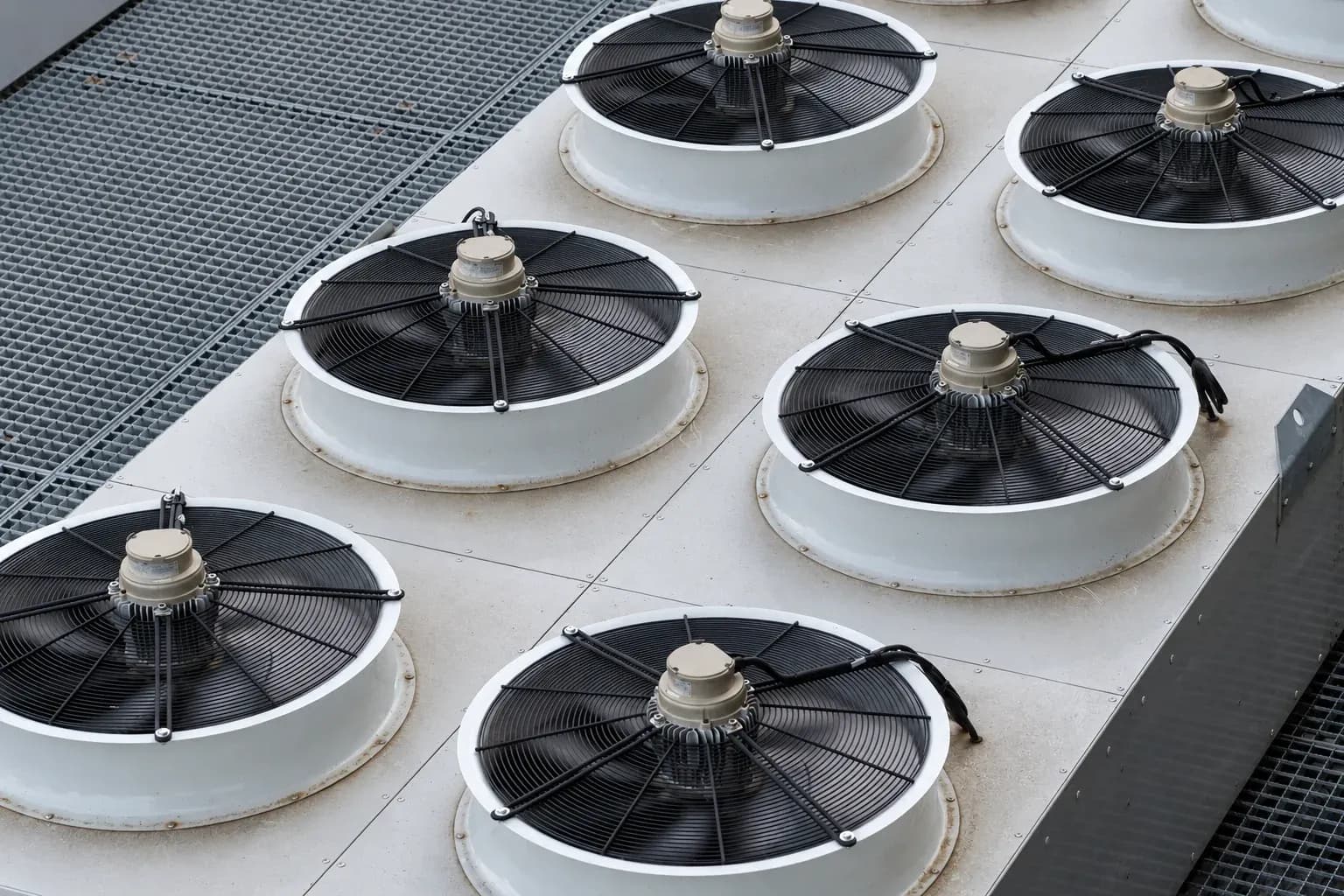
Stop the line. Check filters, fans and door seals on the aseptic filling equipment, then re verify before restarting. A drop means the barrier has weakened.
5. How do I calculate long term ROI?
As regards aseptic filling of beverages, calculate the savings in resin, cold chain costs saved, and returns, along with increased distribution, and then deduct the costs associated with utilities and maintenance of the aseptic filling machine.