Ask a plant director what keeps them up at night before a new line goes live, and you'll rarely hear "the recipe." It's almost always the packaging. Put a high proof spirit through equipment rated for beer, and you're looking at oxidized product, failed seams, or a safety incident on the floor.
Beer, spirits, and ready to drink beverages look similar on a retail shelf, but they behave completely differently on a packaging line. Beer is sensitive to oxygen in ways spirits simply aren't. Spirits carry alcohol concentrations that demand explosion proof thinking. RTDs sit somewhere in between. Understanding these packaging requirements isn't academic. It's the difference between a line that runs clean for ten years and one fighting quality complaints by month three.
Understanding Packaging Requirements for Beer, Spirits and RTD Beverages
Every beverage category carries its own chemistry, and that chemistry writes the packaging requirements before an engineer sketches a line layout. Beer is a living product in the bottle or can. Its hop compounds and malt sugars degrade the moment dissolved oxygen creeps past a few parts per billion, so beer packaging is built around minimizing headspace air and purging with inert gas at every touchpoint.
Spirits play by different rules entirely. A 40%+ ABV product isn't chemically fragile the way beer is, but it's a genuine ignition hazard in a filling hall full of pumps and static prone plastics. Spirits packaging requirements lean into electrical classification and vapor containment rather than oxygen control.
RTDs complicate things further, often malt based or spirit-based, carbonated, lower proof, and packaged in formats ranging from slim cans to glass bottles with crown closures. A single RTD brand might need both oxygen barrier protection and moderate explosion proofing, exactly why operators underestimate what a flexible line costs to build right.
How Beer, Spirits and RTD Packaging Requirements Differ
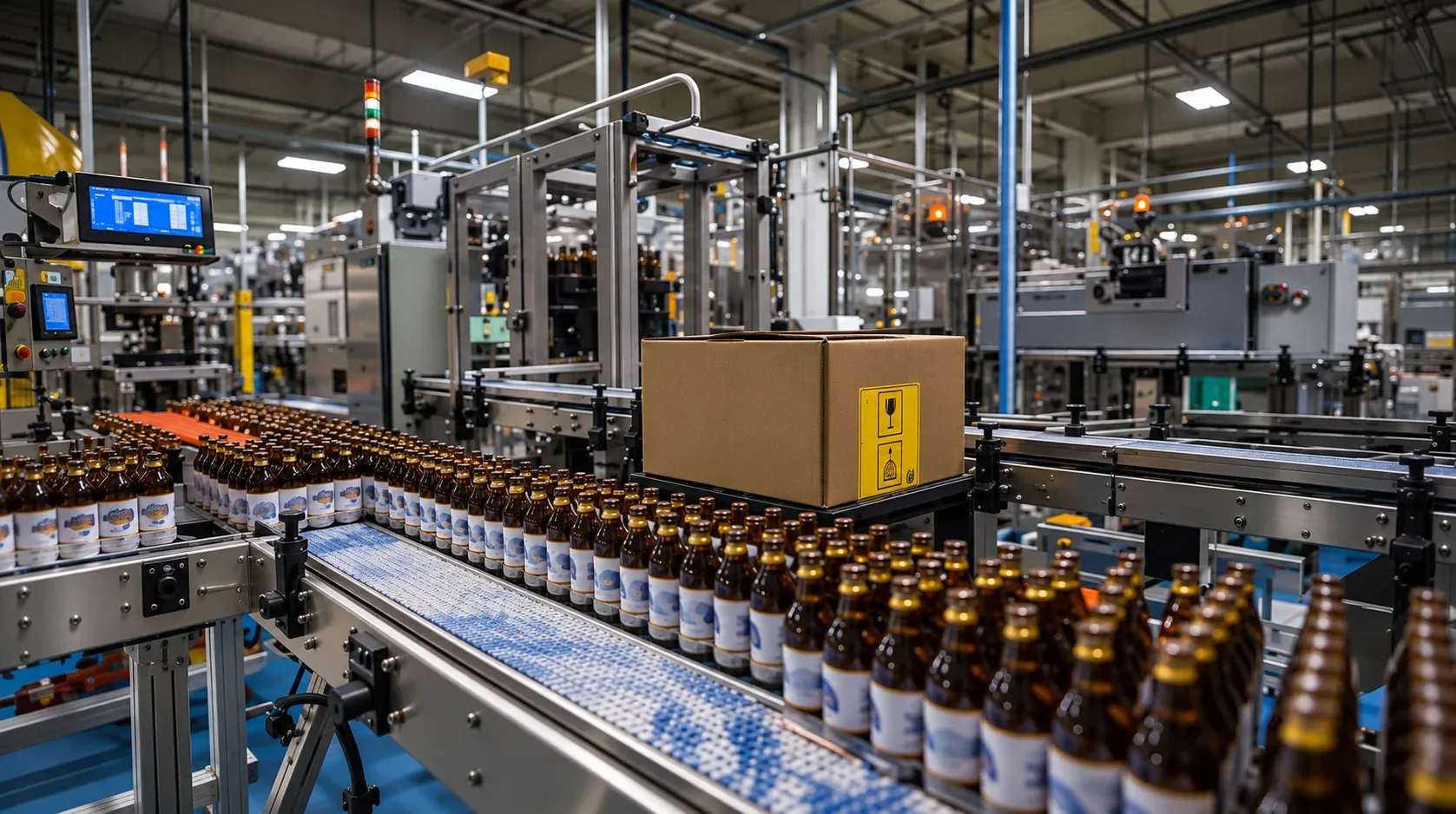
Here's where the differences get concrete, and where I've seen brand owners budget wrong. Beer bottling and canning lines live and die by dissolved oxygen control. Every filler valve and seamer head is a potential entry point for oxygen, and a good line holds total package oxygen under 100 parts per billion. That's what keeps a pale ale tasting like a pale ale six weeks out, instead of tasting like wet cardboard.
Spirits bottling lines don't worry about oxygen nearly as much. Whiskey, vodka, and rum are largely inert to the oxidation issues that plague beer. What they demand instead is an environment engineered against vapor ignition: ATEX or NEC Class I Division 1 rated motors wherever alcohol vapor could accumulate, with grounding straps on conveyors and fillers to bleed off static charge. Closures shift toward ROPP caps or natural cork rather than crown seals.
RTD processing lines borrow the tougher demands from both categories. Many RTDs are carbonated, so they need the counter pressure filling and seaming precision of a beer line. Some carry enough alcohol to require partial explosion proofing in mixing zones. Add cans, bottles, and increasingly pouches to the mix, and RTD lines need more format flexibility than beer or spirits typically demand alone.
Choosing the Right Filling, Capping and Packaging Equipment
Once you understand where the risks sit, equipment selection gets more straightforward, even if it doesn't get cheaper. A counter pressure liquid filling machine is non negotiable for carbonated beer and most RTDs. It equalizes pressure between the bowl and the container before the valve opens, which is what prevents foaming, oxygen ingress, and inconsistent fill levels.
Spirits, by contrast, are typically still products, so a gravity or flow meter based liquid filling machine does the job without counter pressure hardware, but it needs to be built and rated for a flammable environment. That distinction alone changes the motor specification and the footprint of the equipment.
Capping tells a similar story. Beer needs crown cappers or can seamers with tight, repeatable pressure control since a loose seam is a flat, stale product waiting to happen. Spirits generally run ROPP capping heads or corking stations. RTDs need whichever closure matches their container format, and increasingly that means switching between crown, can seaming, and ROPP within the same shift. This is where an automatic filling machine paired with quick change capping heads saves an operator from a second capital purchase eighteen months later.
Comparative Analysis: Beer vs Spirits vs RTD Packaging Lines
| Parameter | Beer Bottling & Canning | High Proof Spirit Bottling | RTD Processing Lines |
|---|---|---|---|
| Oxygen Sensitivity & Dissolved O2 Control | Critical; sub 100 ppb targets, inert gas purging at every fill point | Minimal concern; spirits are largely oxidation stable | Moderate to high; carbonated RTDs need beer level O2 control |
| Explosion Proof / Electrical Safety Standards | Standard industrial rating; low ignition risk | ATEX / NEC Class I Div 1 required in vapor zones, grounded conveyors | Partial rating often needed in mixing and filling zones |
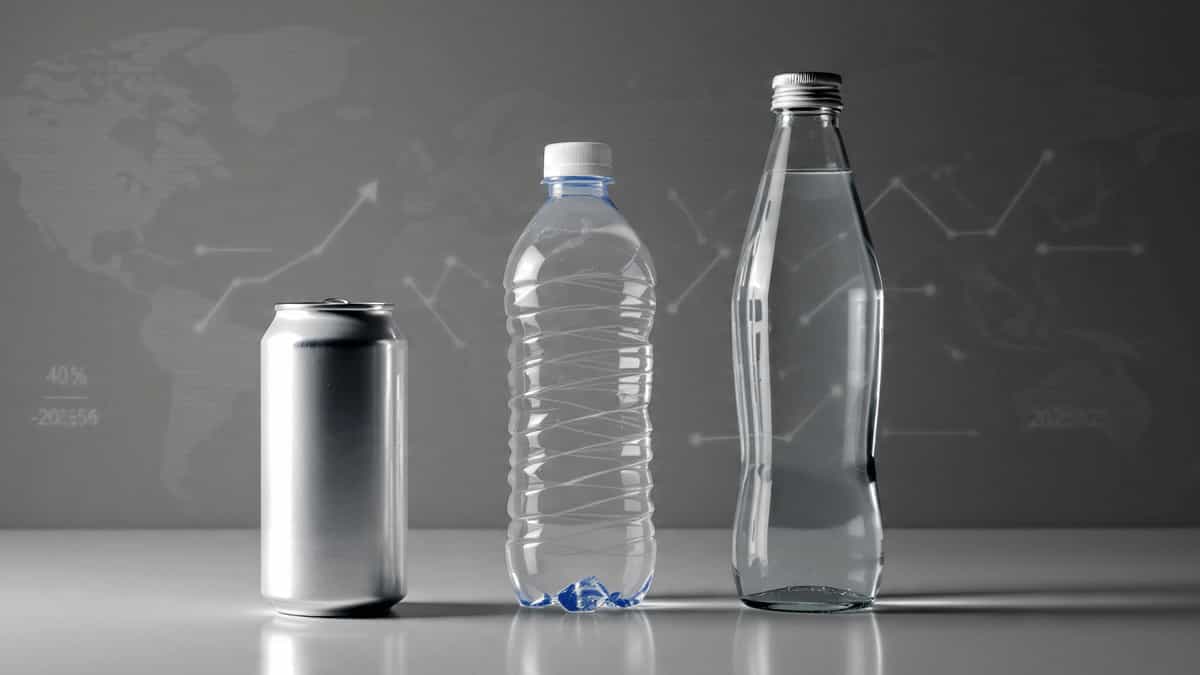
| Primary Container Types & Closures | Glass/aluminum cans; crown caps, can ends | Glass bottles; ROPP caps, natural cork | Cans, glass bottles, pouches; crown, ROPP, or can seaming |
| Secondary Packaging & Seaming Demands | High speed can seaming, multipack shrink wrap | Lower speed, higher care for glass handling, tamper bands | Mixed format seaming, flexible case packing for varied SKUs |
Key Factors to Consider When Selecting a Beverage Packaging Line
Floor space is usually the first constraint that surprises new operators. A line built to handle beer, spirits, and RTDs under one roof needs room for format changeover, not just the machines themselves. Container size changeover flexibility deserves real attention here. Can a filler switch from a 330ml can to a 750ml bottle in under thirty minutes, or is that a half day job with a mechanic and a parts cart?
Utility requirements matter just as much: compressed air quality, CO2 supply for counter pressure filling, and electrical capacity for any explosion proof zones. This is where a lot of brand owners get bitten. They budget for the filler and forget the utilities that keep it running. Reliable bottling line equipment protects product integrity from tank to sealed case, and skimping on utility planning undermines that no matter how good the filler is. Stress test your bottling line equipment against your busiest SKU, not your average one.
How Automation and Flexibility Improve Packaging Line Performance
A modern automatic filling machine does more than fill faster. Paired with inline code daters and vision inspection, it catches underfills and seam defects before they leave the plant, which matters when one bad batch can trigger a recall. Automation also trims labour overhead over a production year, freeing operators to focus on quality checks rather than manual filling.
What's the real payoff? Changeovers measured in hours instead of shifts, fewer rejected cases, and a line that runs beer one day and an RTD seltzer the next without a full retool. That flexibility separates a line that scales with a growing brand from one that gets replaced within five years.
Why Choose Seppa Solutions for Beverage Packaging Equipment?
Seppa Solutions has spent years building packaging equipment for beer, spirits, and RTD producers who needed more than a catalogue machine bolted into a plant. Our engineering teams design hygienic layouts around each client's actual product chemistry, whether that's oxygen controlled beer canning, ATEX rated spirits bottling, or hybrid RTD lines handling multiple container formats on one footprint.
Custom fabrication is where we do our best work. If a standard liquid filling machine doesn't fit a client's ABV profile or container mix, we adapt the design rather than asking the client to adapt their product. Combine that with lifelong technical support and a real understanding of alcoholic beverage packaging requirements, and it's easy to see why brand owners come back for their second and third lines, not just their first.
FAQ: Packaging Requirements and Equipment Selection for Beer, Spirits and RTD Lines
1. How do you handle multi product format changeovers on one line?
Modular tooling on the filler and capper heads lets a line switch between cans, bottles, and pouches. Budget thirty to ninety minutes per changeover depending on the container profiles.
2. What's actually required for explosion proof spirits packaging?
At minimum, ATEX or NEC Class I Division 1 rated motors in any zone where alcohol vapor could accumulate, plus grounding straps on conveyors and fill heads to prevent static discharge.
3. How do we reduce dissolved oxygen in beer packaging?
Inert gas purging before filling, counter pressure fillers that minimize headspace turbulence, and tight seam control right after fill. Most breweries target under 100 parts per billion total package oxygen.
4. How often should seaming heads be maintained?
Daily visual seam checks, plus a full teardown and calibration every 2,000 to 4,000 operating hours, sooner if you're running mixed can gauges through the same line.
5. How do we calculate ROI on a packaging line upgrade?
Compare current downtime and reject rates against the new line's throughput and labour savings, then factor in fewer recalls from oxidation or seam failures. Most operators see payback inside two to three years.