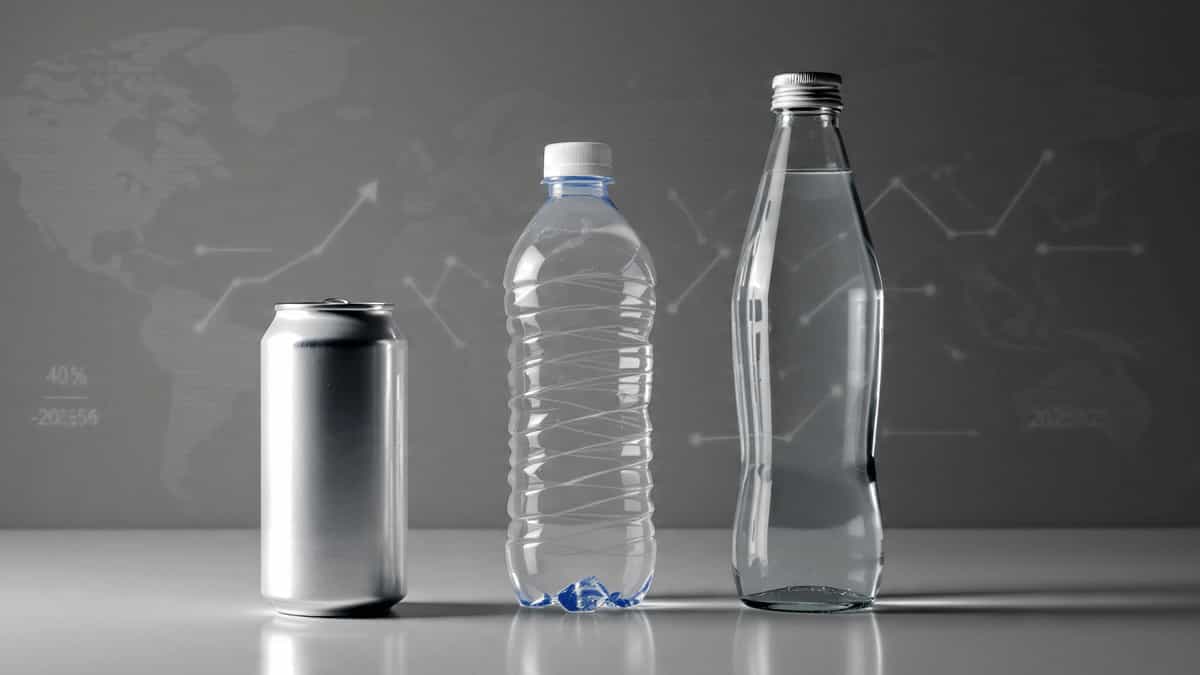
Rotary High Speed Systems
OverviewoftheRotaryPETBlowingMachine
High volume beverage plants run on a simple math problem: bottles per hour, minus downtime, decides whether the line makes money. A rotary pet blowing machine solves that equation differently than a linear system does. Instead of stopping and starting a fixed number of stations, the SSB-R keeps preforms moving in a continuous circular path, so heating, stretching, and blowing happen in parallel rather than in sequence the core efficiency principle behind modern pet blow molding.
That distinction matters more than it sounds. Linear machines index stop, blow, open, advance, repeat and every stop is a chance for vibration or thermal drift. A rotary blow moulding machine removes most of that stop start behaviour. The wheel turns, stations pass through fixed process zones at a constant angular velocity, and the preform never idles. For plants running three shifts, that difference adds up to thousands of extra bottles a day.
Seppa built this pet bottle production machine specifically for facilities that have outgrown linear equipment. It's not an automatic pet bottle machine for a startup filling a few thousand bottles a week it's built for operations where 20,000+ bottles per hour is the baseline expectation, not the ceiling.
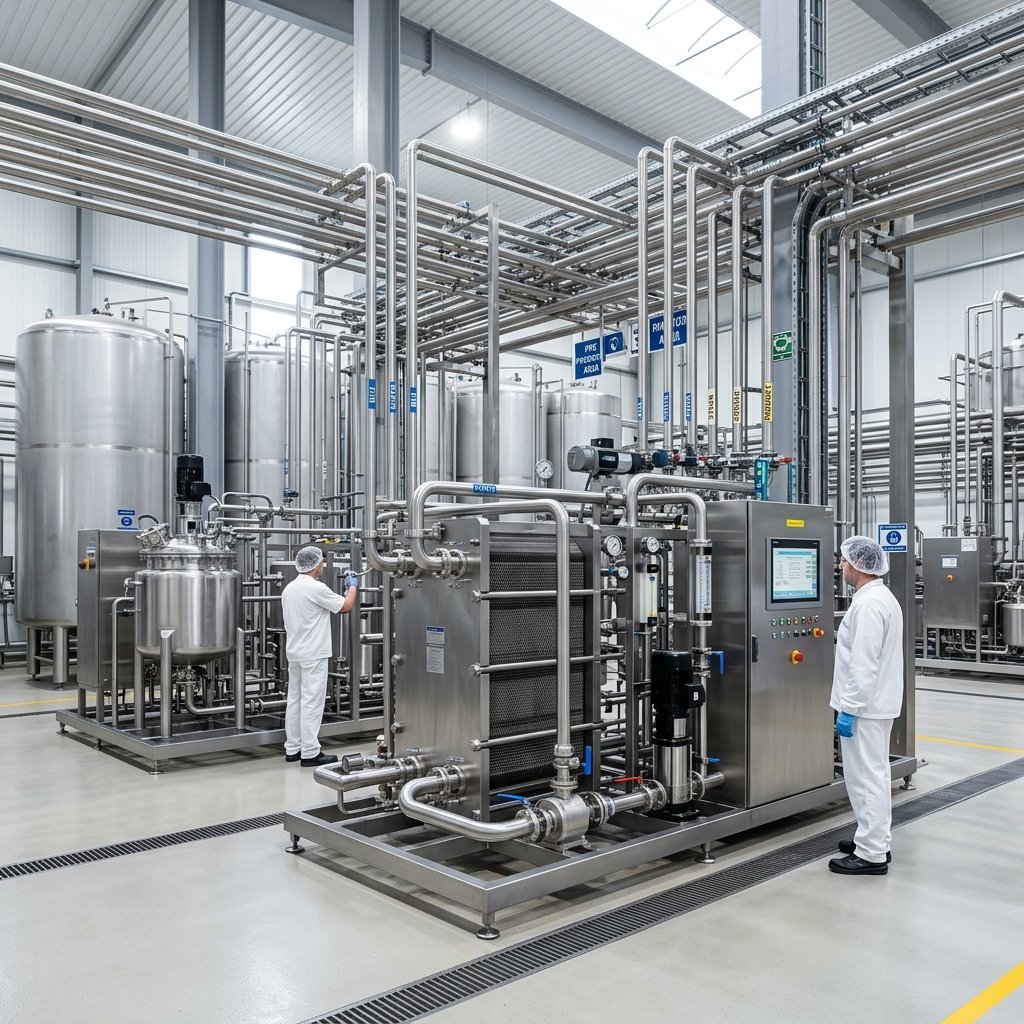
FeaturesoftheSEPPASSB-RRotaryPETBlower
•Continuous Motion Mechanical Architecture: The core of any rotary pet blowing machine is its indexing precision where the SSB-R separates itself from lower tier rotary designs. The mold carrying wheel is driven by a servo synchronized main drive with encoder feedback at every station, keeping angular position accurate to fractions of a degree even at full production speed. Drift here doesn't just cost quality it costs entire batches of bottles with uneven wall distribution. This is the backbone that lets an automatic blowing machine hold spec at full line speed, shift after shift.
•Precision Cam Actuated Clamping: Mold opening and closing on an automatic pet bottle machine has to happen fast and has to happen exactly the same way, cycle after cycle. The SSB-R uses hardened cam track systems paired with roller followers to open and close molds with mechanical repeatability that outlasts hydraulic actuation no seal wear curve and no pressure drop over a shift. Consistent clamp force is non negotiable for repeatable pet blow molding results.
•Rotary Air Manifold and Recovery Circuit: High pressure air is the other half of the equation. The SSB-R routes low, medium, and high pressure air through a sealed rotary manifold with wear resistant carbon ceramic seals rated for continuous duty. Recovered air from the blow and hold phase is captured and reused at lower pressure stages downstream real operating cost savings on a modern automatic blowing machine, not from a bigger compressor but from wasting less air.
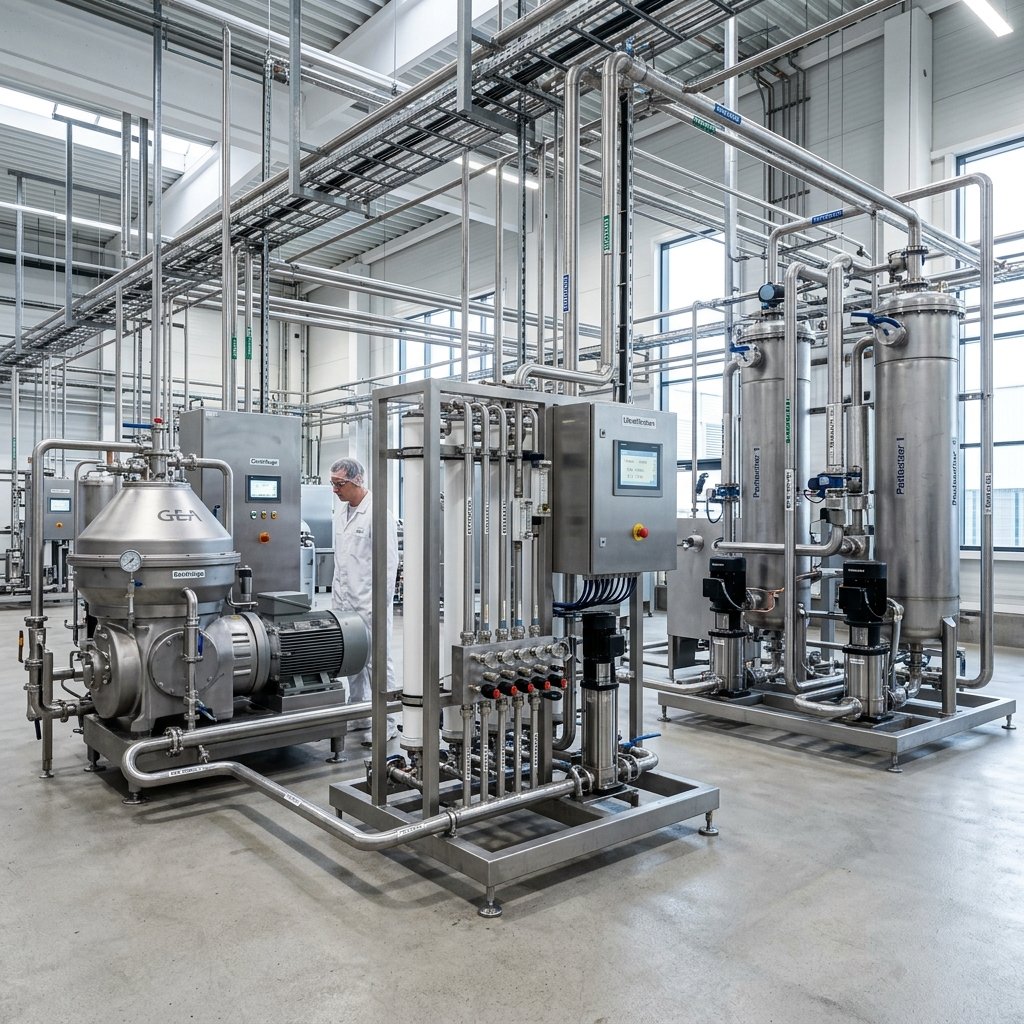
BenefitsofUsingaHighSpeedRotaryPETBlowingMachine
The throughput advantage is the headline, but it's not the only reason plants switch to rotary. A rotary pet blowing machine typically runs at 1.5 to 3 times the output of a comparable linear system with a similar station count, because there's no dead time between cycles. Per bottle energy cost drops too air recovery circuits and continuous motion drives use less power per unit than a machine that's constantly accelerating and decelerating a full mold set. That's a meaningful edge for any automatic pet bottle machine running three shifts a day.
Uptime is where the SSB-R really pays for itself, which is ultimately what plants are buying when they choose an automatic blowing machine built for continuous duty. Fewer mechanical stops mean fewer wear points under stress usually where linear machines lose the most maintenance hours. High pet blow molding consistency also reduces reject rates an uneven wall bottle is scrap, and scrap on a 24/7 pet bottle production machine adds up fast at high line speeds. Plants running a Seppa rotary blow moulding machine typically report meaningfully lower unplanned downtime than their previous linear setups fewer moving parts stopping and starting thousands of times an hour.
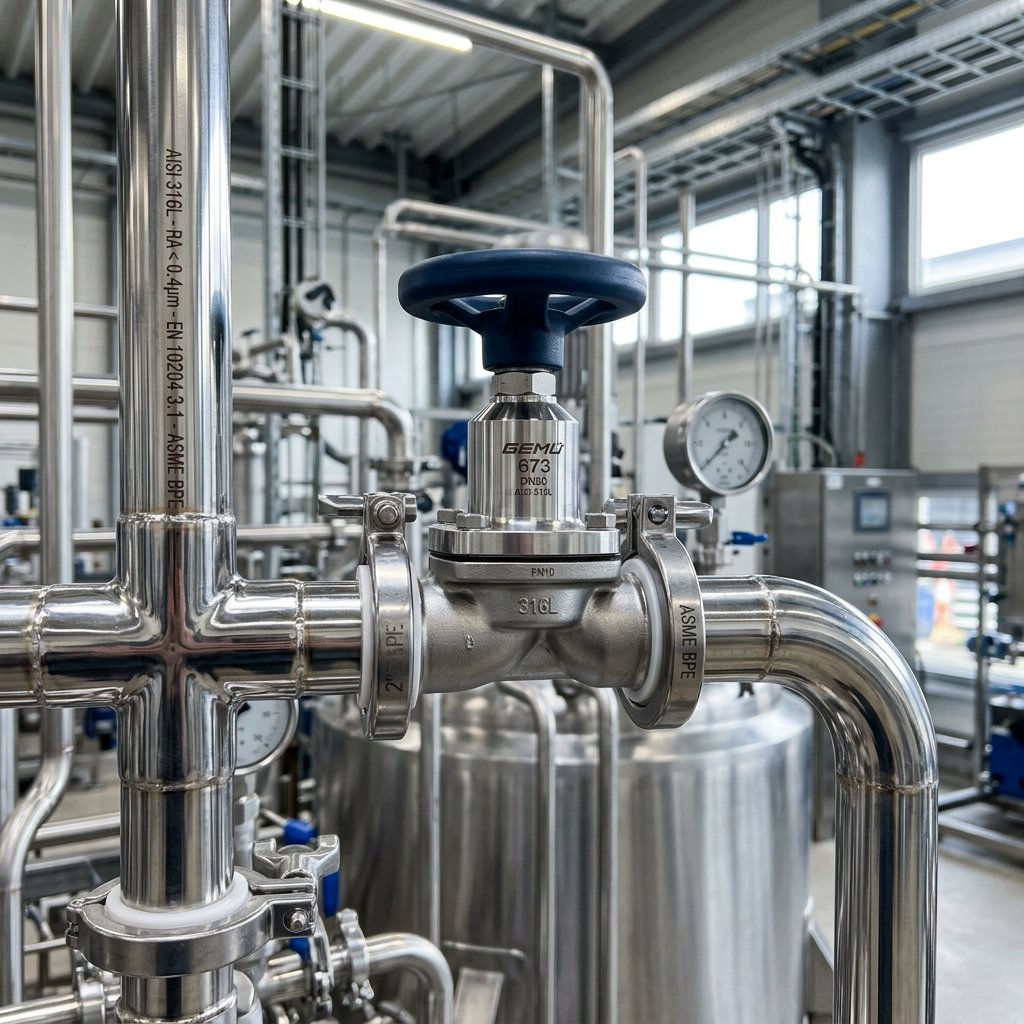
ApplicationsoftheRotaryPETBlowingMachine
Different beverage categories put different demands on a rotary pet blowing machine. Seppa configures each automatic blowing machine around the customer's actual bottle range rather than shipping a one size fits all tool set.
Carbonated Soft Drinks
Needs bottles that hold internal pressure without base deformation, which means tighter control over base wall thickness...
Still and Mineral Water
Runs at the highest volumes and puts the most wear on tooling and seals, where the SSB-R's carbon ceramic rotary seals e...
Isotonic and Flavoured Drinks
Often run lighter weight preforms, which demands more careful thermal zoning to avoid over stretching thin walls a class...
Customized Capabilities
A plant running five SKUs across water and CSD needs an automatic pet bottle machine with quick mold change capability;...
WhyChooseSEPPASolutionsforRotaryPETBlowingMachines?
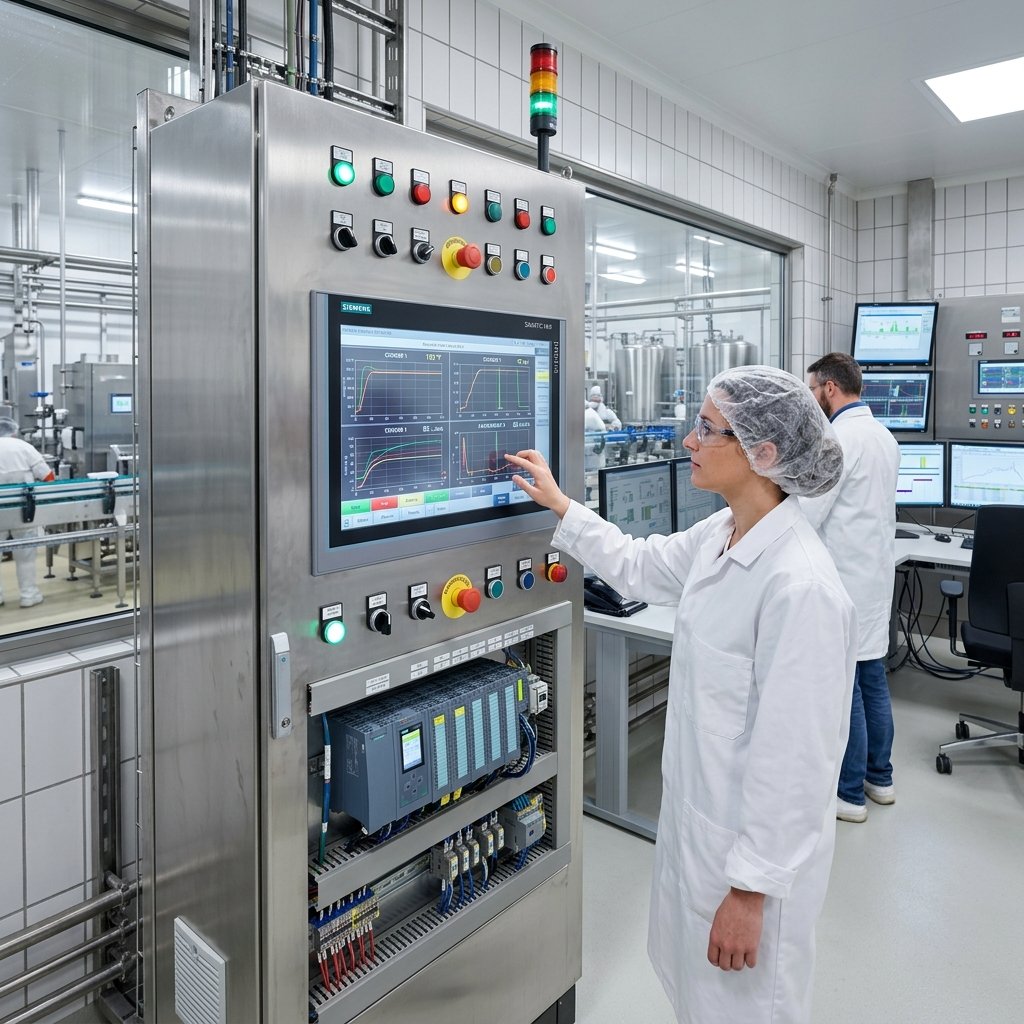
Seppa Solutions has spent years building bottling equipment for plants that can't afford unplanned stops.
That shows in the engineering choices on the SSB-R encoder driven synchronization over open loop timing, carbon ceramic seals over standard rubber, cam actuated clamping over hydraulics.
FMCG bottlers choose Seppa because the company treats a rotary pet blowing machine as one part of an integrated line, not a standalone box. Seppa's engineering team works through preform selection, mold design, and downstream conveying together, so the automatic pet bottle machine at the center of the line isn't fighting bottlenecks upstream or downstream. That systems level thinking, backed by real thermodynamic modeling of the heating and air recovery circuits, is what separates a Seppa installation from a rotary blow moulding machine bought off a spec sheet.
HowtheRotaryPETBlowingMachineWorks
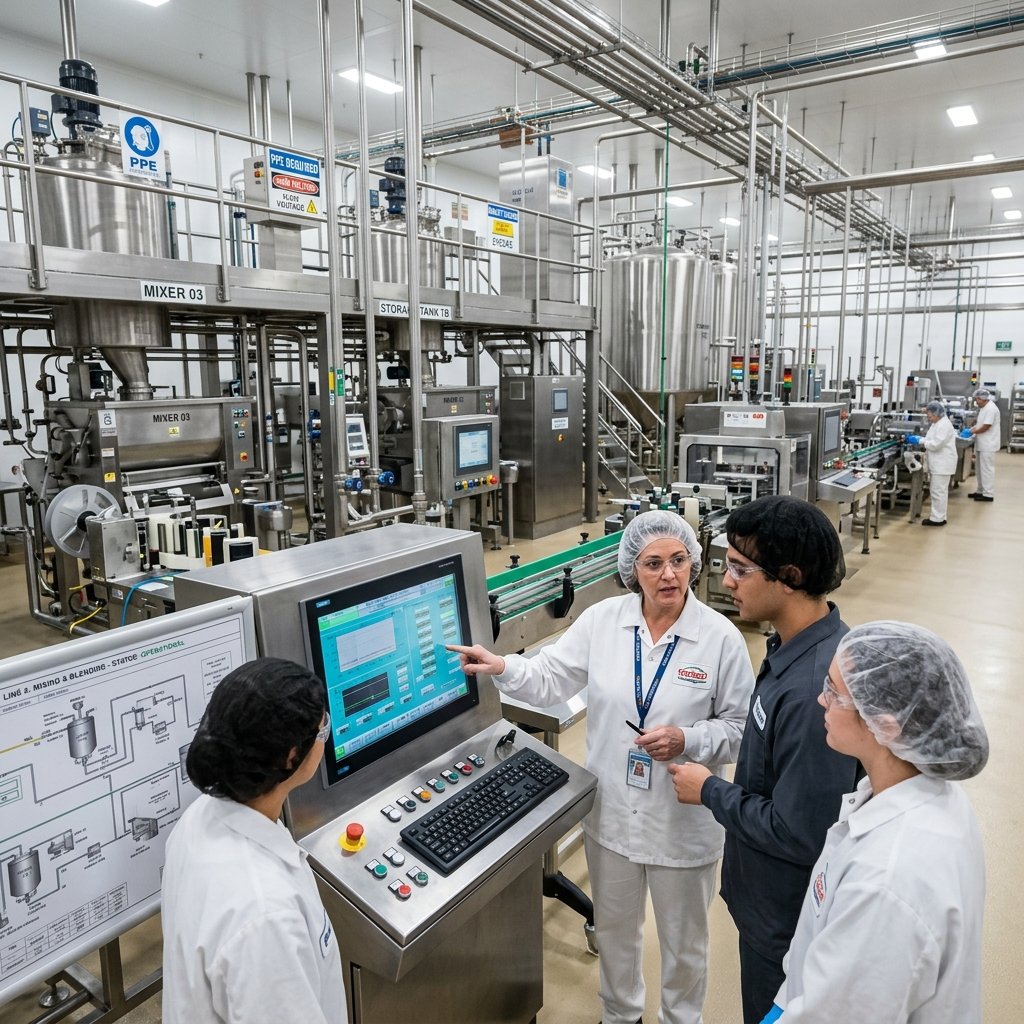
The production sequence on the rotary pet blowing machine follows a logical, continuous path:
Continuous preform infeed
Preforms load onto a star wheel feed system and transfer into the oven chain without interruption.
Thermal conditioning
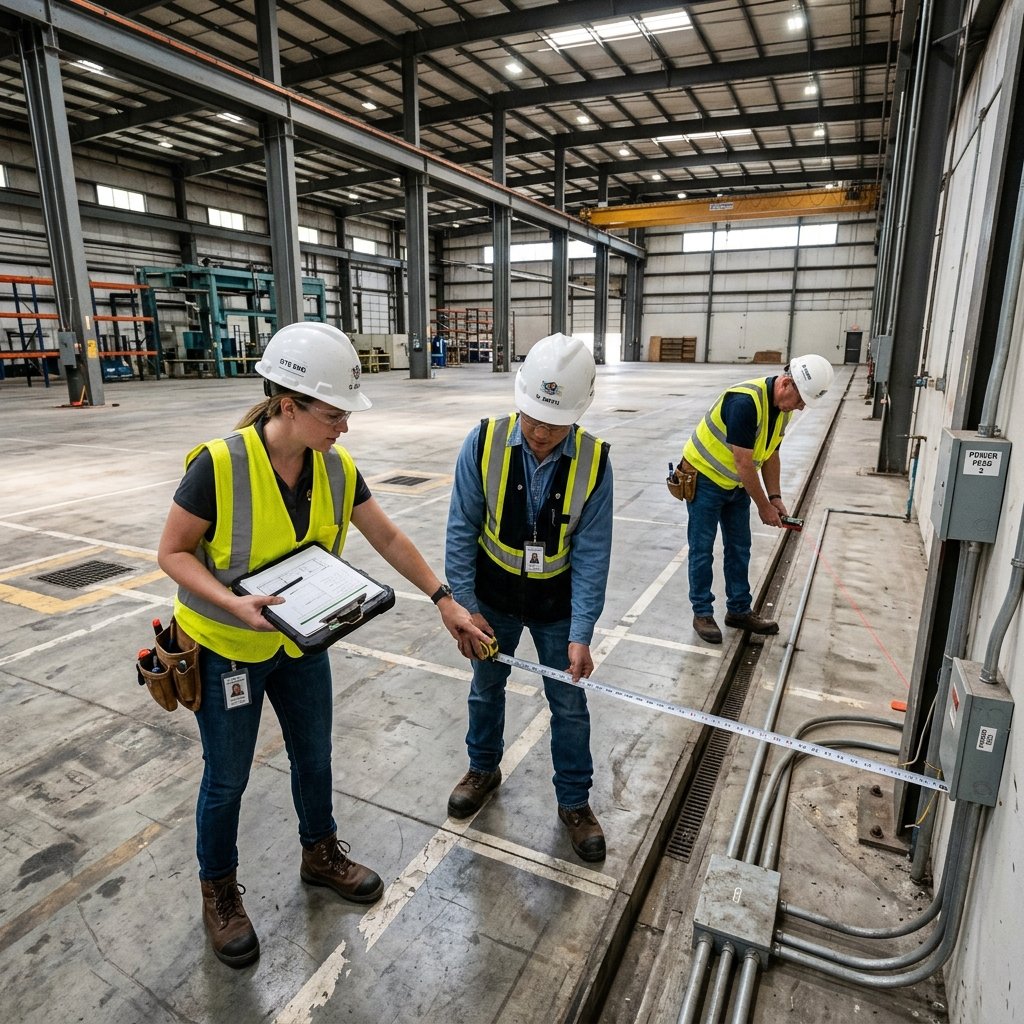
Infrared lamp banks bring each preform to a uniform wall temperature, with individual lamp zoning to compensate for preform geometry and wall thickness variation.
Mold locking on the rotary wheel
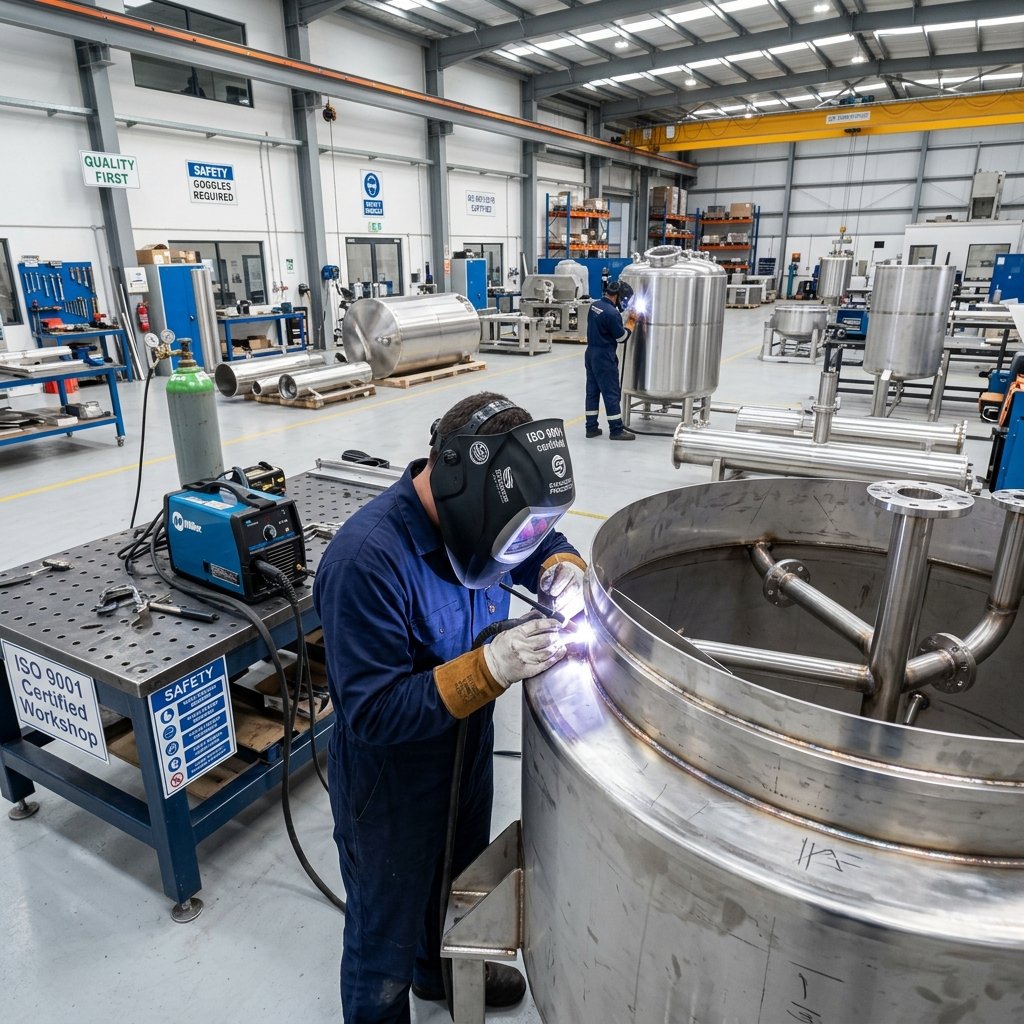
Each station clamps as it enters the blow zone, synchronized to the wheel's rotation rather than a stop and lock cycle.
Multi stage air injection
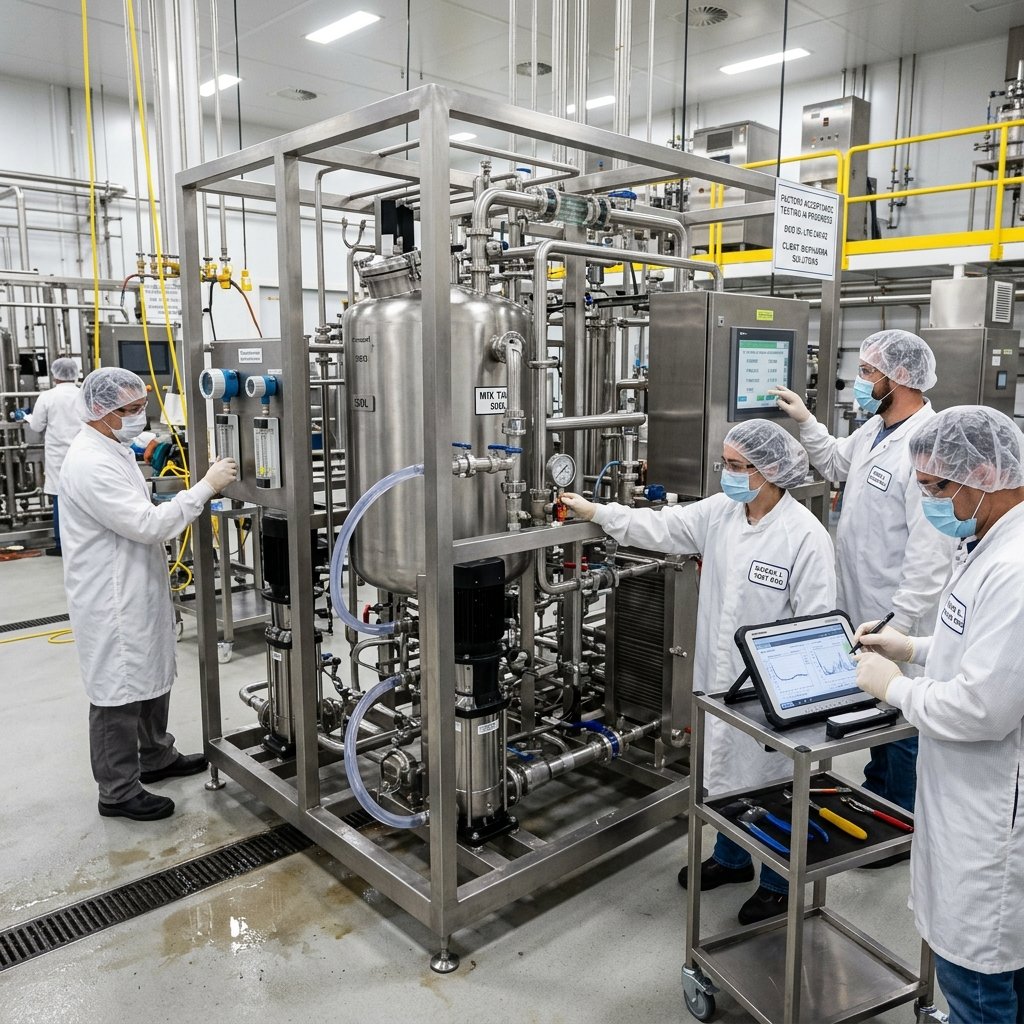
Low pressure pre blow shapes the preform, followed by high pressure final blow that pushes material into the mold cavity and locks in wall thickness.
Rapid discharge
Finished containers release via a synchronized ejection arm as the wheel continues turning no pause required.
This sequence is what separates a genuine pet bottle production machine from equipment that's simply been scaled up without addressing synchronization. Every stage is timed against the same master encoder, so thermal conditioning, clamping, and air injection stay locked together as line speed changes. That's the difference between consistent pet blow molding output and a machine that produces good bottles only at one specific speed setting.
Rotary High Speed Blowing Systems
FrequentlyAskedQuestions
EmpoweringIndustryLeadersWorldwide














CollaboratingwiththeBestintheIndustry



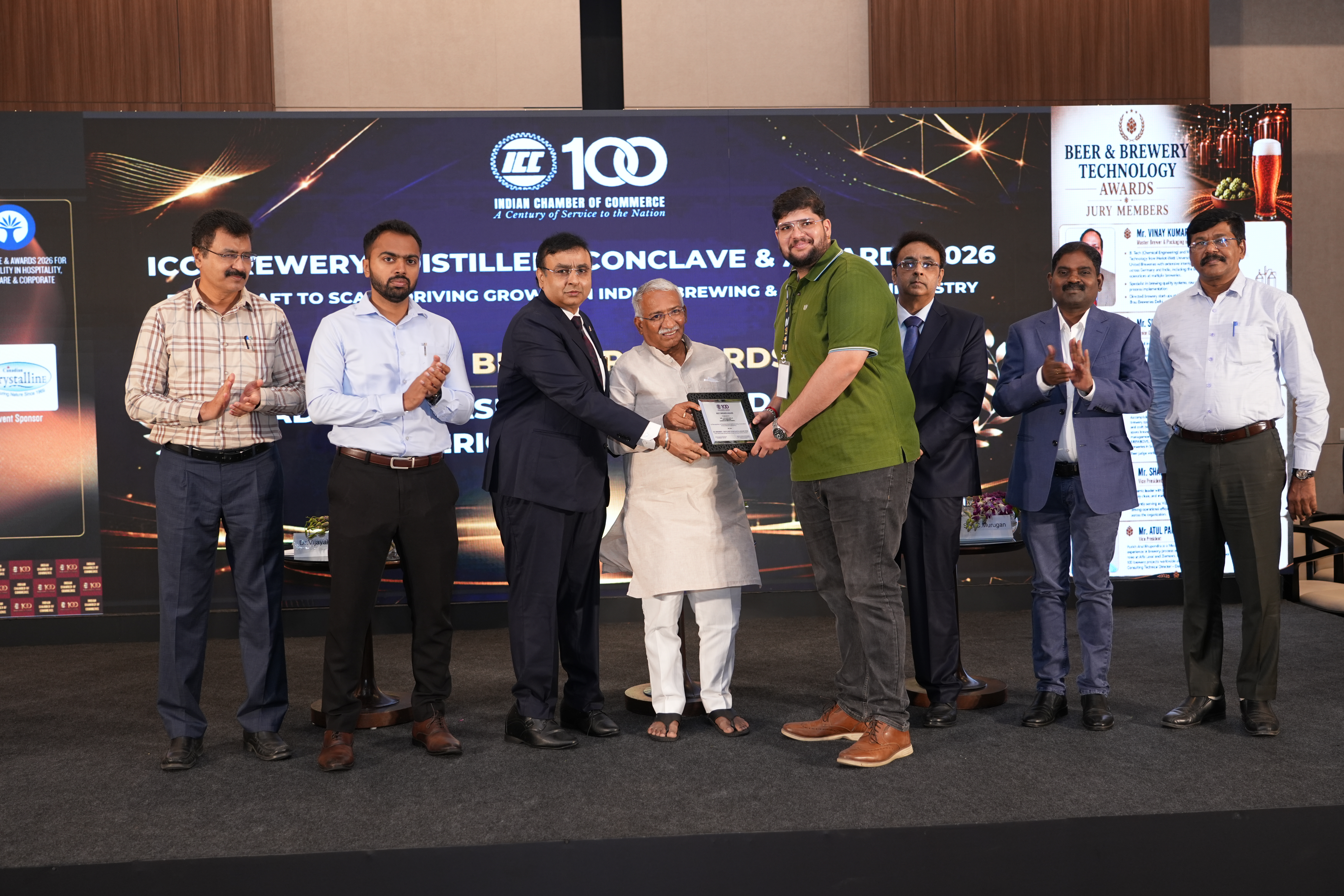
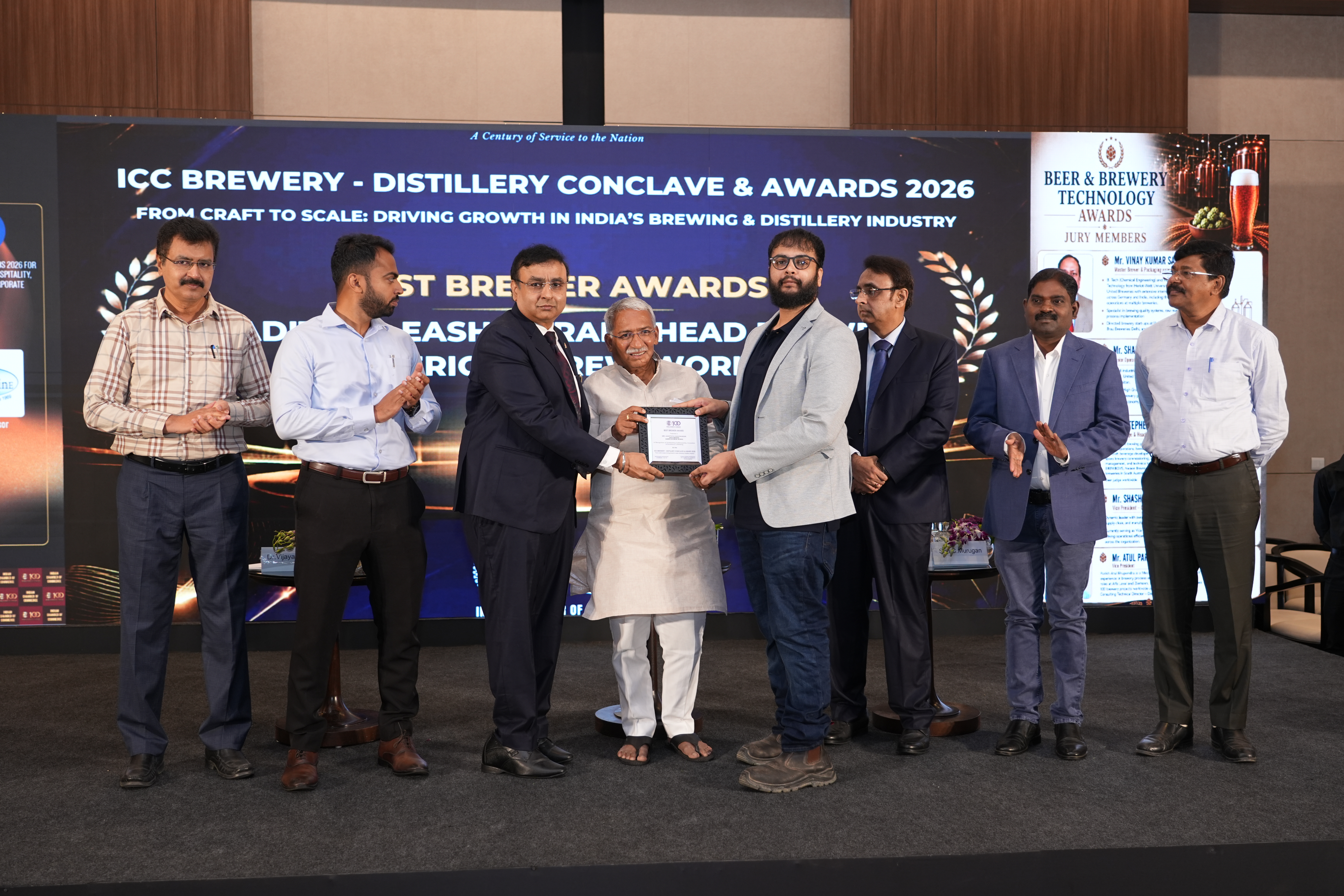
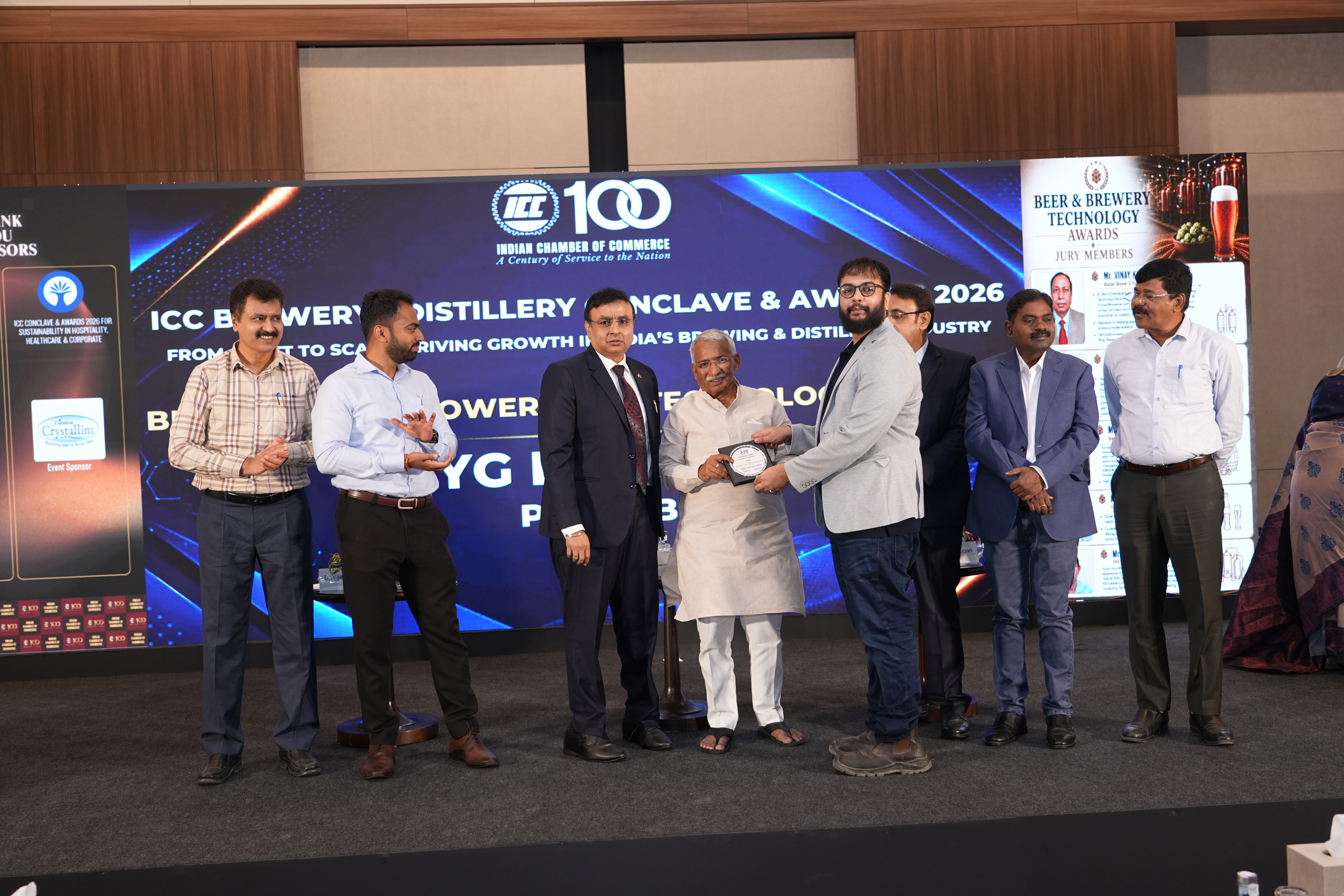
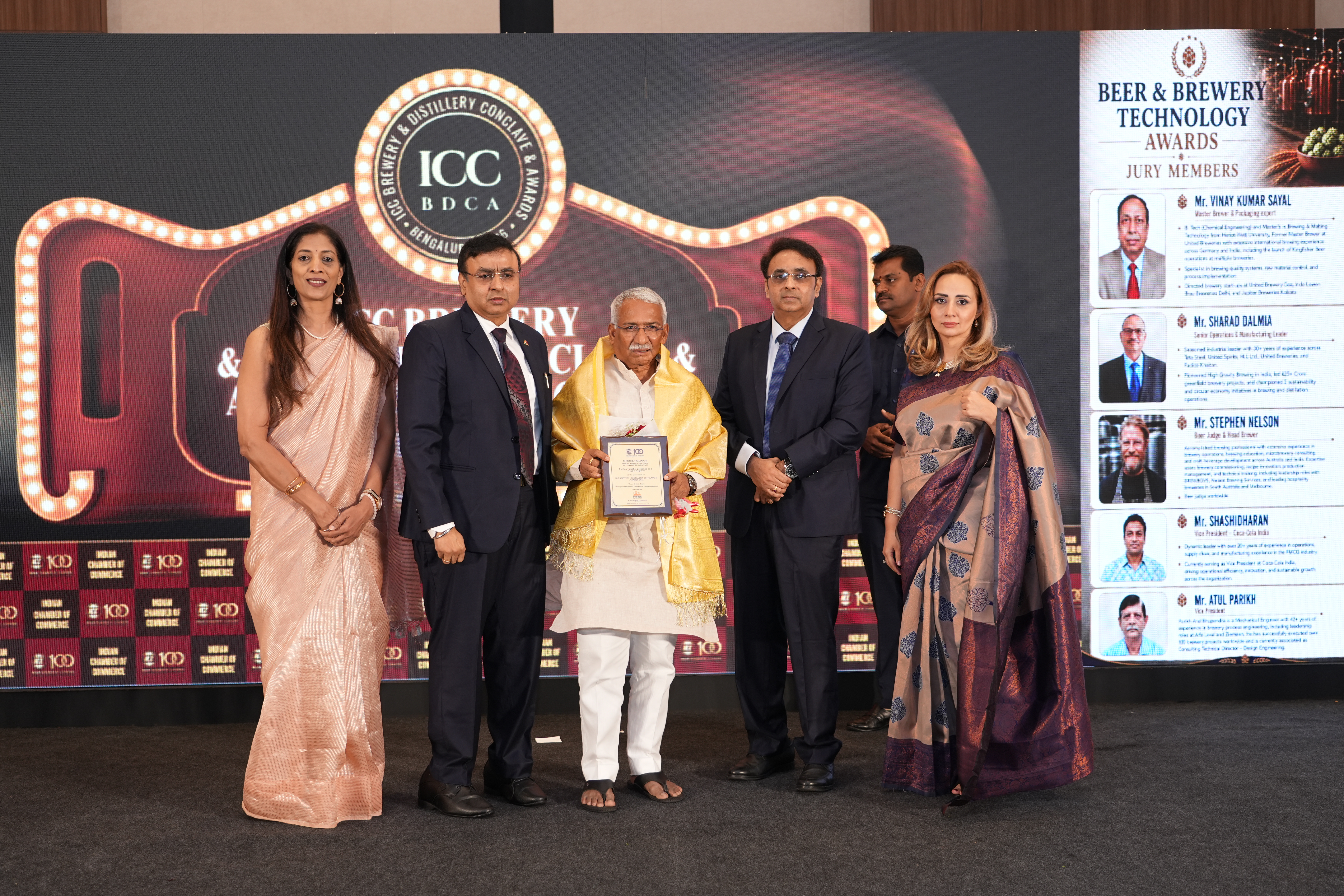
Awards&Achievements
Our relentless pursuit of excellence and innovation has been recognized globally. We take pride in the milestones we've achieved on our journey to transforming the industry.

Let's Discuss Your Packaging Needs
Reach out to our experts to find the perfect packaging solutions tailored for your business. We are here to help you succeed.
Call Us:
+91 93848 06105
Email Us:
info@seppasolutions.com
Location:
No. 7, Parivakkam Road , Chennai - 600 056, Tamilnadu, India.
Request a Quote
Informingyouwithindustryfocusedupdates