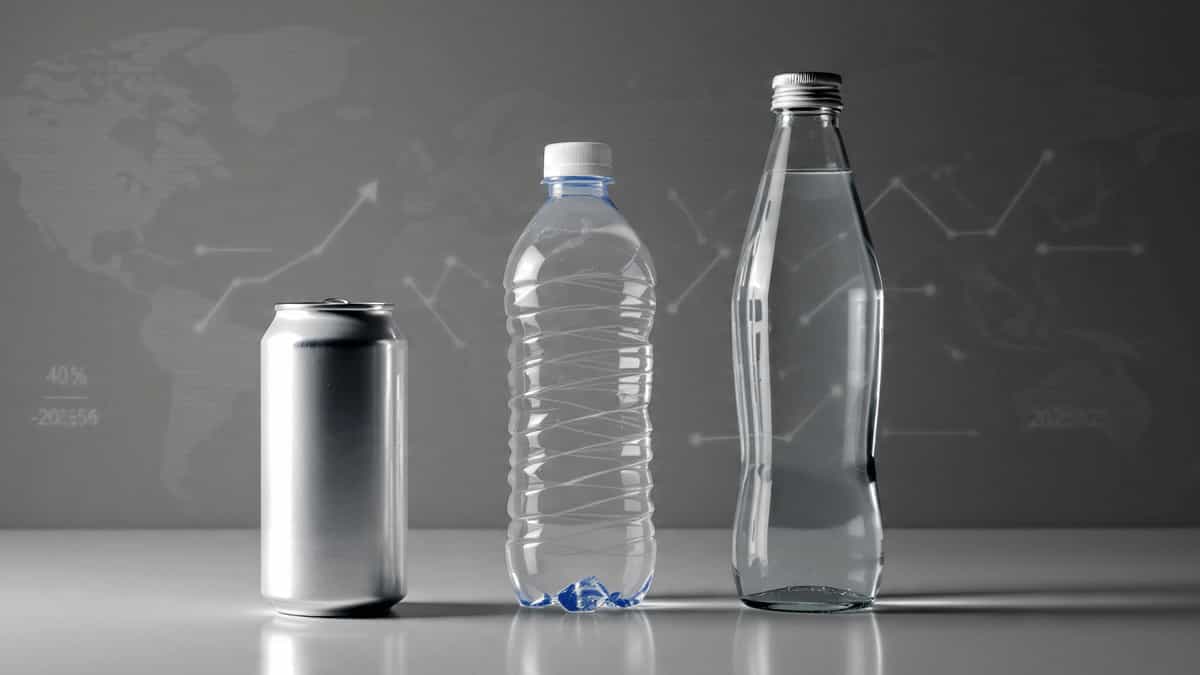
SEPPA SSB SLE Electric PET Blower
TheServoDrivenFutureofContainerManufacturing
Walk onto most PET bottling floors and you'll hear it before you see it: pneumatic cylinders firing away, chasing compressed air that costs money whether it's doing useful work or leaking out of a worn fitting. The SEPPA SSB SLE electric PET blower gets rid of that noise, and a good chunk of the energy waste pneumatic-dominant systems have carried for decades.
An electric pet blowing machine replaces the compressed air cylinders that drive stretch rods and clamping mechanisms with servo motors. That's the short version. The longer version is that this swap touches almost everything downstream: repeatability, energy draw, maintenance schedules, even the acoustic profile of the production floor.
Traditional pneumatic blow molding relies on air pressure to move parts, and air is compressible, so the exact position of a stretch rod at any given millisecond drifts. An electric pet system doesn't have that problem. Servo motors hold position electronically, so the same stretch profile repeats bottle after bottle, shift after shift. For a pet bottle blowing machine running 24/7, that consistency is the difference between a wall thickness spec you can defend to a client and one you're constantly chasing.
There's also the chiller question. Pneumatic systems generate compressed air through processes that dump heat into the plant, and that heat has to go somewhere, usually into a chiller loop that's running just to counteract a subsystem the machine didn't strictly need. Strip out the pneumatics and the pet blow moulding machine's architecture sidesteps a meaningful slice of that thermal load entirely.
FeaturesoftheSEPPASSB-SLEElectricPETBlower
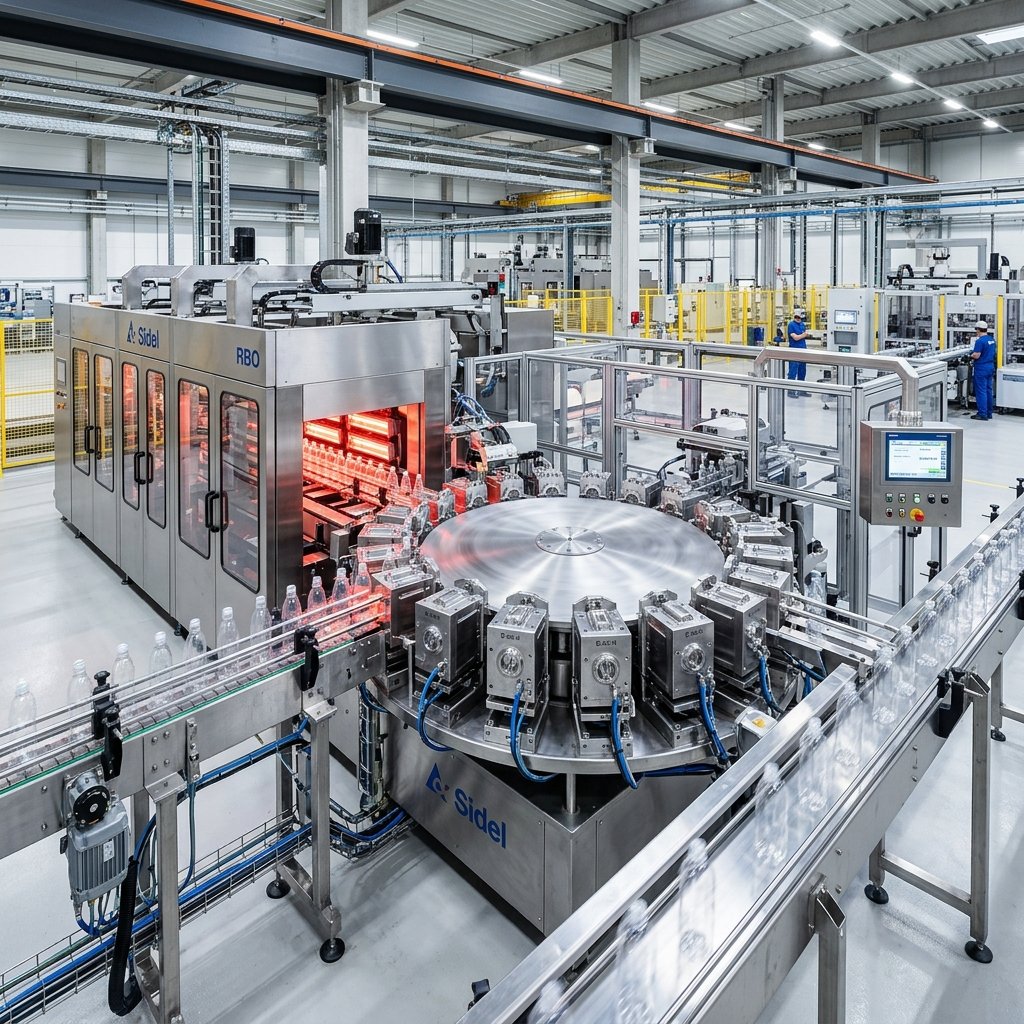
The SSB-SLE line is built around a handful of engineering decisions that matter more than they sound like they should. Start with the stretch rods. Each axis runs on its own high torque servo motor, with electronic cam profiling standing in for the mechanical cams and pneumatic dashpots older machines rely on. Changing a stretch curve means a few minutes on the HMI, not swapping hardware.
Clamping works the same way. Mold clamping on a pet blow moulding machine has to hit a narrow window: enough force to prevent flash, not so much that you're wearing out tooling faster than you should. Servo electric clamping lets the operator dial in exact tonnage and hold it there, mold after mold.
Then there's energy recovery. When a servo motor decelerates, that kinetic energy has to go somewhere, and on the SSB-SLE it gets fed back into the drive bus instead of dissipated as heat. It's a quiet reason an electric pet bottle manufacturing machine pulls less from the grid than its pneumatic counterpart. A high performance pet bottle manufacturing machine really does need electric drives to hit this level of part consistency. Pneumatics can't match the positional accuracy servo motors deliver by default, not without a lot of expensive compensation hardware bolted on afterward.
ApplicationsoftheElectricPETBlowingMachine
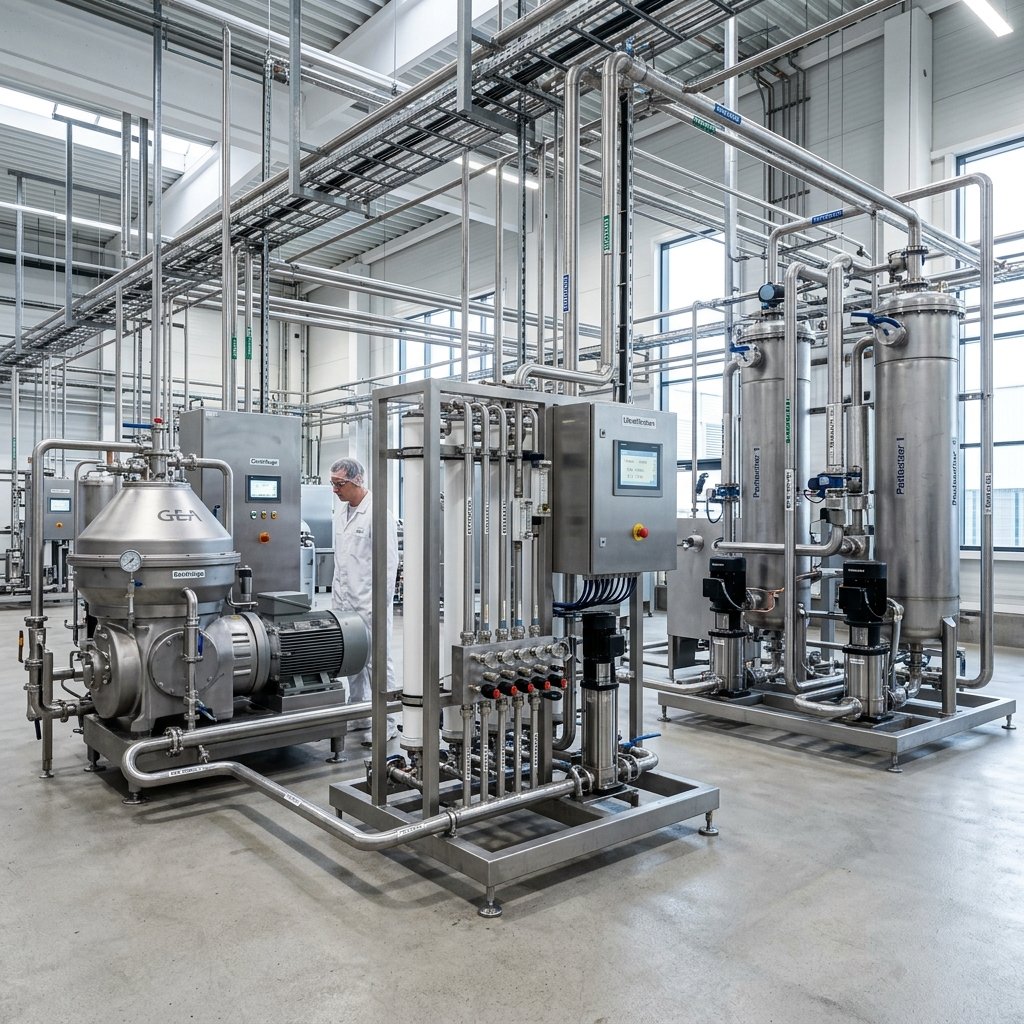
The versatility here surprises people who assume "servo driven" means "built for one narrow application." High speed mineral water lines are the obvious fit. High volume, tight margins, every second of cycle time matters. But the same electric pet blow moulding machine platform handles cosmetic and personal care containers just as well, where bottle geometry gets fussy and preform wall distribution has almost no room for error.
Carbonated soft drink lines lean on the pressure resistance that comes from consistent stretch-blow ratios, something a pet bottle blowing machine with servo control delivers far more reliably than one fighting air pressure drift.
Edible oil and pharmaceutical adjacent packaging benefit from the reduced particulate risk. No compressed air blasting through the work area means fewer contamination pathways in clean room adjacent settings. Across all of it, the pet bottle making machine approach holds up as a quiet, sustainable option regardless of what's going into the bottle afterward.
BenefitsofUsinganElectricPETBlowingMachine
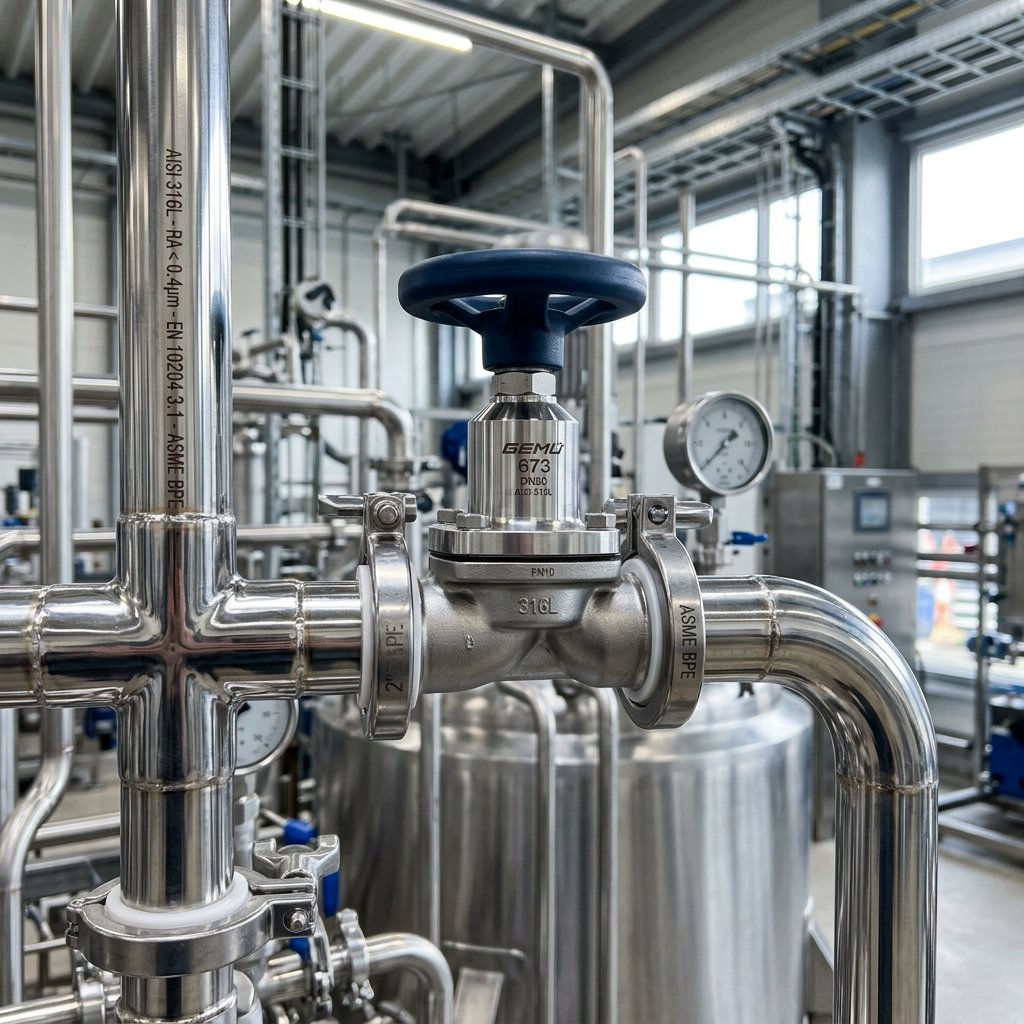
Lower energy consumption is the headline number, and it holds up: servo motors only draw power when they're doing work, unlike a compressed air system that leaks capacity constantly through fittings, valves, and long pneumatic runs. But the second order benefits matter almost as much.
On any pet bottle manufacturing machine, mechanical wear drops because there's no reciprocating pneumatic cylinder wearing seals down cycle after cycle. Hydraulic oil contamination, a real headache in some legacy blow molding designs, simply isn't a factor here, since there's no hydraulic circuit to leak in the first place. Maintenance shifts from "replace worn pneumatic components on a schedule" to "monitor servo drive diagnostics," which is a very different kind of maintenance conversation with your plant manager.
Put it together and the electric pet platform ends up being the cleanest pet bottle making machine option on the market for a facility trying to cut both energy cost and unplanned downtime at the same time.
WhyChooseSEPPASolutionsforElectricPETBlowingMachines
We didn't back into electric drive expertise. Servo synchronization across multiple axes is a control systems problem as much as a mechanical one, and it's where a lot of integrators fall short.
The mechanical hardware is available off the shelf, but tuning six or eight servo axes to move in concert, cycle after cycle, at commercial line speeds, takes years of accumulated tuning data.
That's the track record major FMCG brands are actually buying when they choose an electric pet bottle manufacturing machine from SEPPA: not just the motor count on the spec sheet, but the uptime history behind the control architecture.
Our engineering team designs each pet bottle making machine installation around the specific preform geometry and output target a client brings us, rather than shipping a one size fits all unit and hoping it fits.
MethodologyoftheElectricPETBlowingMachine
Preform Loading
Preforms drop into the heating carousel via a starwheel or robotic pick, oriented neck up for precise handling.
Servo Optimized Thermal Conditioning
Infrared lamp banks bring the preform body to its stretch ready temperature window while the neck finish stays cool and dimensionally stable.
High Precision Electric Clamping
The mold halves close under servo controlled force: fast approach, then a controlled final clamp that avoids the shock loading pneumatic clamps are prone to.
Synchronized Servo Stretching & Ejection
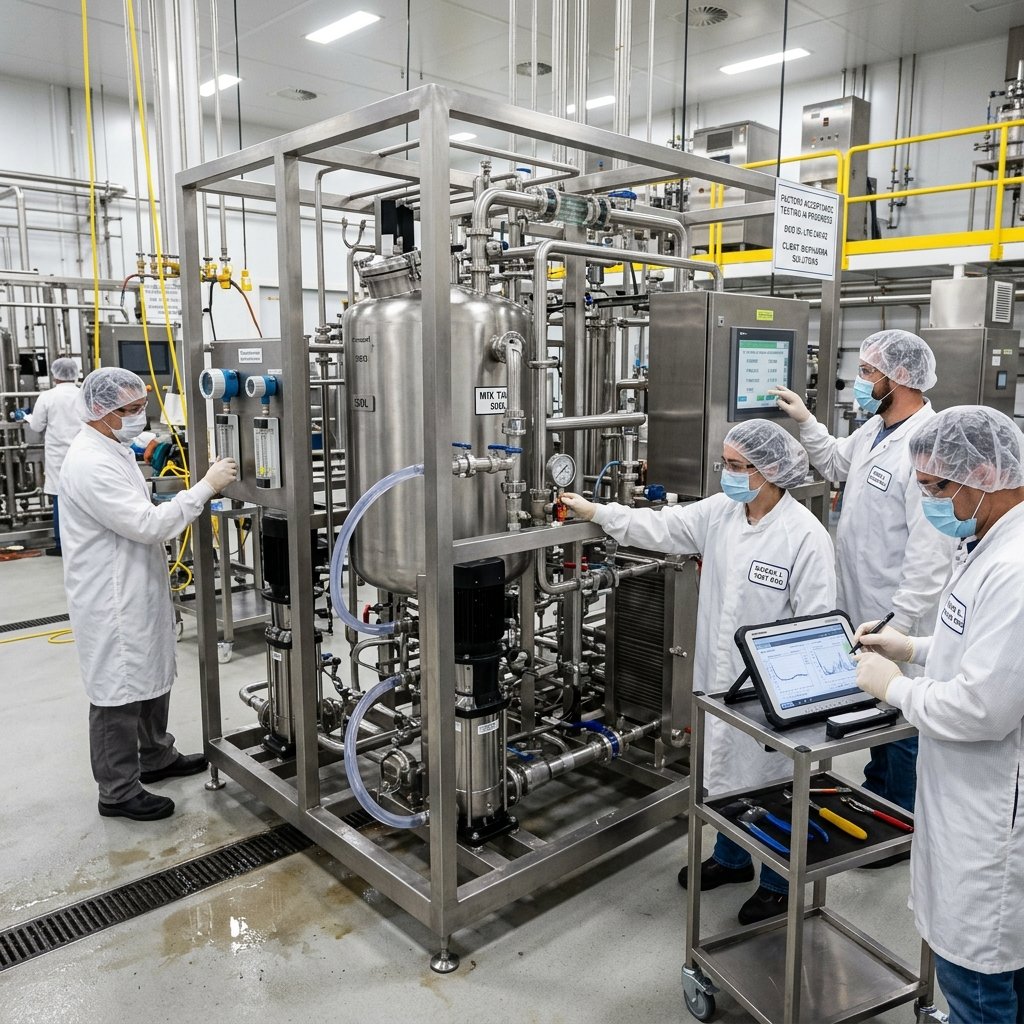
The stretch rod extends on its own electronically profiled curve while blow air inflates the preform against the mold wall. The finished container releases, cools briefly, and moves to the next station.
Comprehensive Beverage & Dairy Processing Lines
FrequentlyAskedQuestions
EmpoweringIndustryLeadersWorldwide














CollaboratingwiththeBestintheIndustry




Awards&Achievements
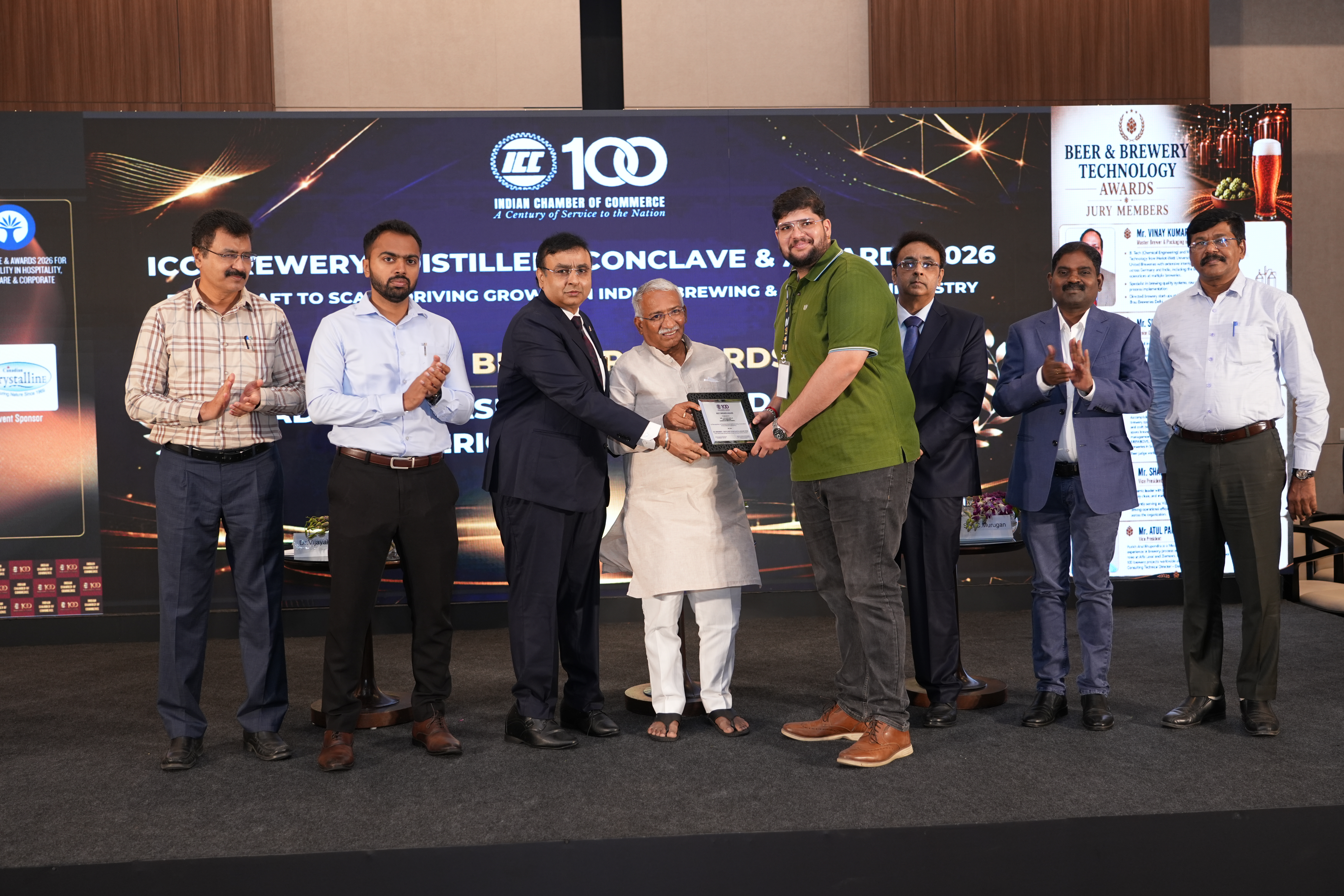
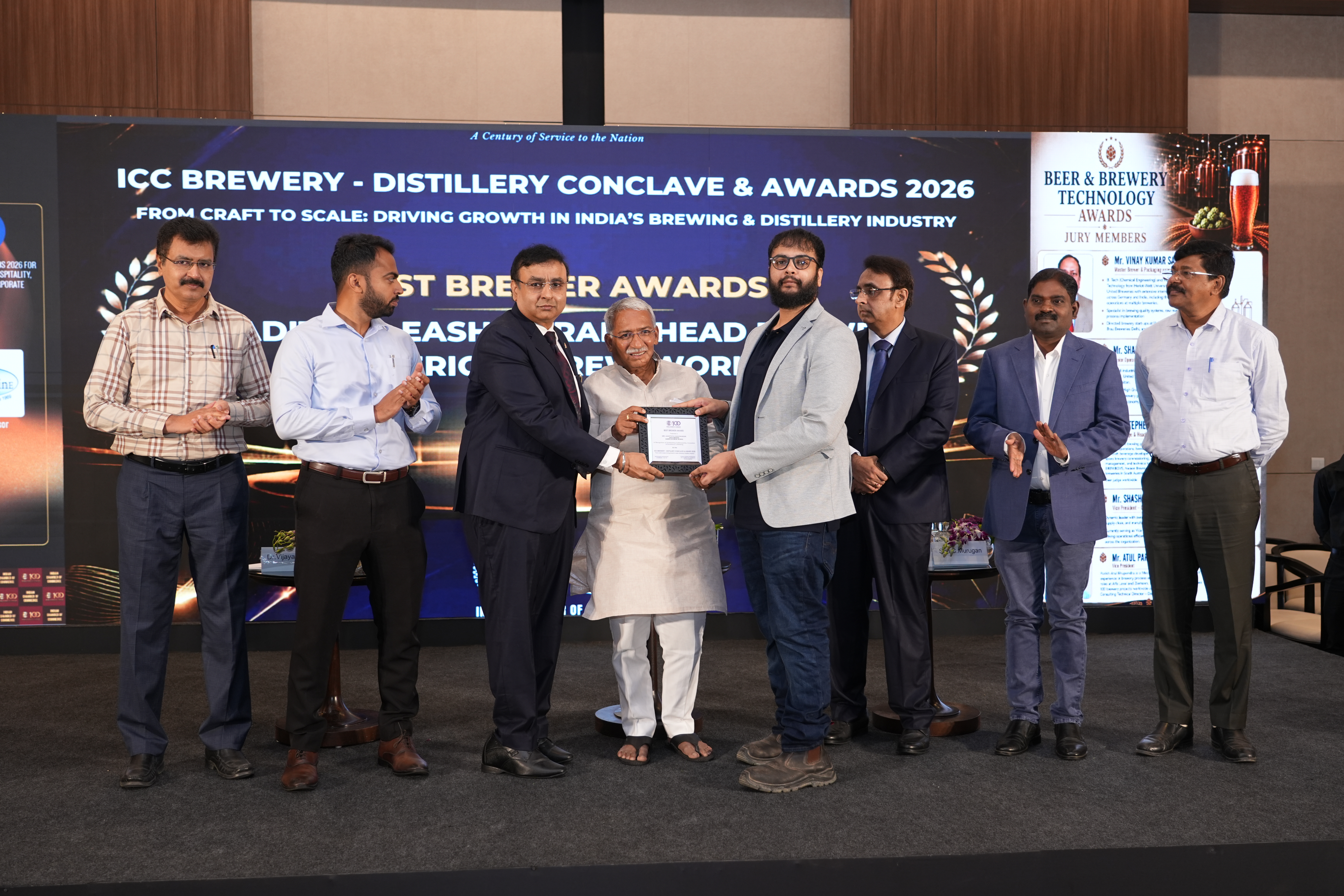
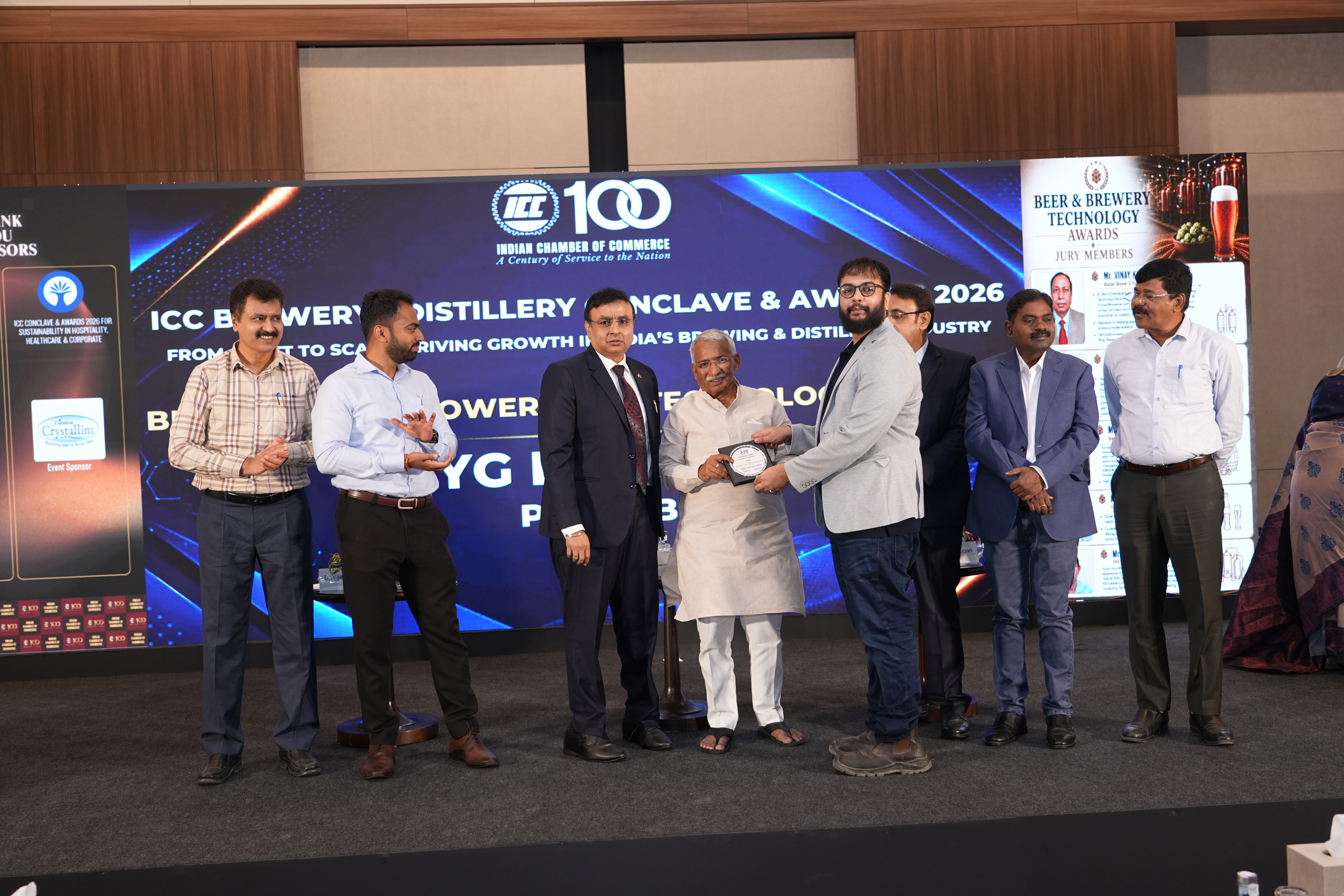
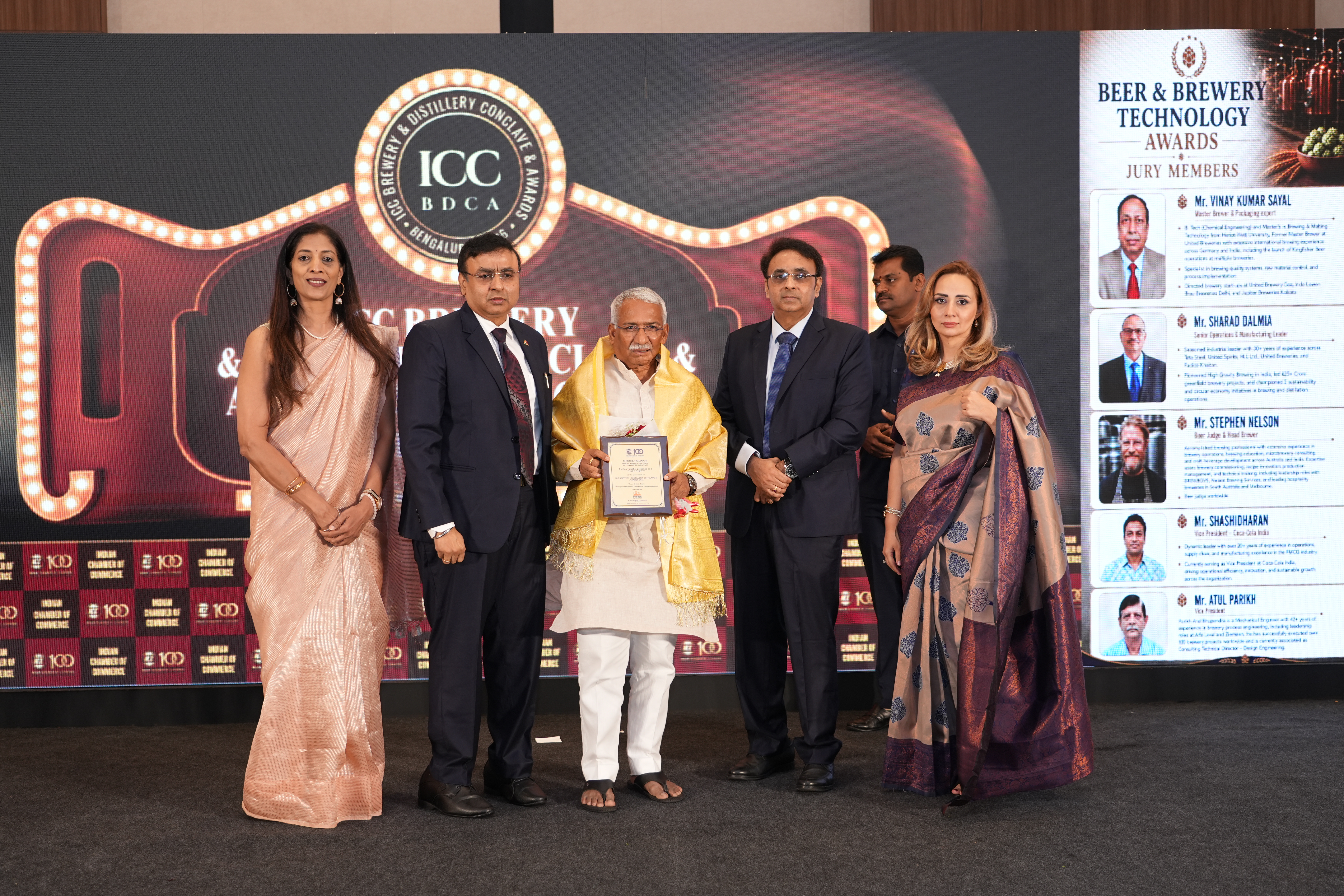
Our relentless pursuit of excellence and innovation has been recognized globally. We take pride in the milestones we've achieved on our journey to transforming the industry.

Let's Discuss Your Packaging Needs
Reach out to our experts to find the perfect packaging solutions tailored for your business. We are here to help you succeed.
Call Us:
+91 93848 06105
Email Us:
info@seppasolutions.com
Location:
No. 7, Parivakkam Road , Chennai - 600 056, Tamilnadu, India.
Request a Quote
Informingyouwithindustryfocusedupdates