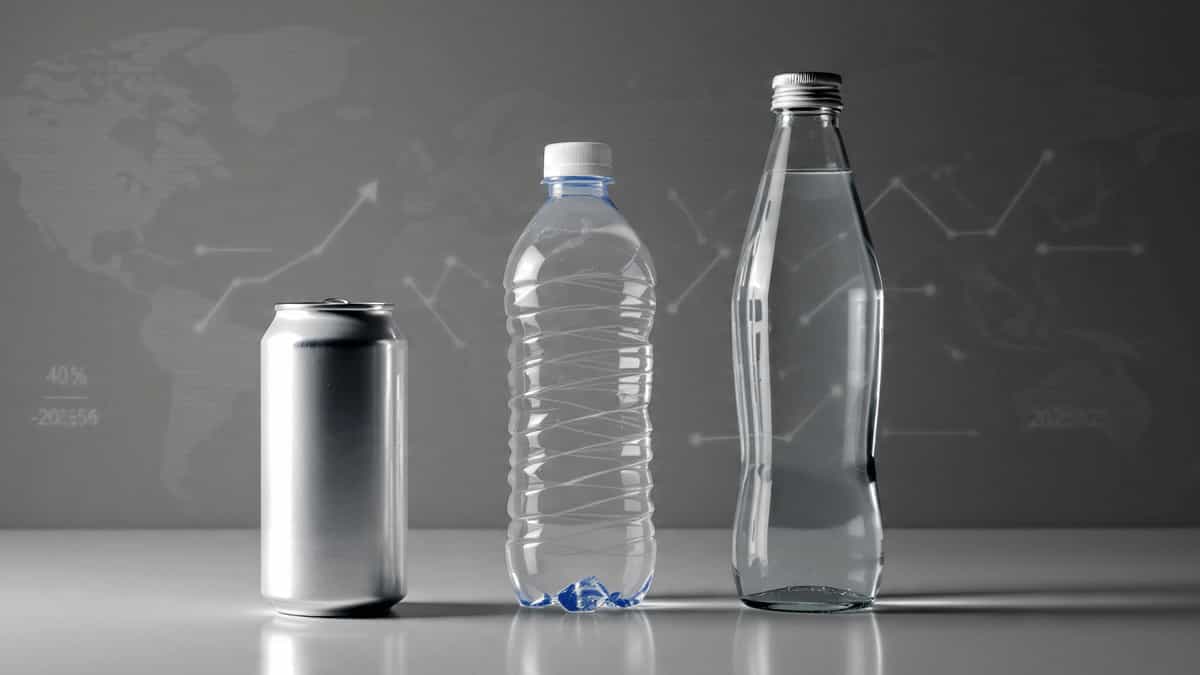
Bottle Machines for Household Cleaning Products
OverviewoftheHouseholdCleaningBottleMachine
Bleach eats plastic. So do concentrated degreasers, ammonia based glass cleaners, and the surfactant blends in every bottle of dish soap on a supermarket shelf. That's the starting problem any manufacturer faces before a single cap goes on: the container has to outlast its own contents, sometimes for eighteen months on a warehouse pallet in summer heat. Standard bottle machines built for water or soda won't cut it here. Household cleaning products demand different equipment. The bottle has to handle repeated gripping and tilting without the handle joint loosening, and the resin has to resist whatever chemical sits inside it.
Seppa Solutions builds bottle machines specifically for this category. Our pet bottle blowing machine platforms are calibrated for the resin behaviour of HDPE and chemical grade PET, producing containers that resist stress cracking when filled with aggressive formulations. A plastic bottle making machine designed for beverages prioritizes clarity and light weight; one built for this category has to prioritize barrier strength and dimensional stability under chemical load instead.
FeaturesoftheHouseholdCleaningBottleMachine
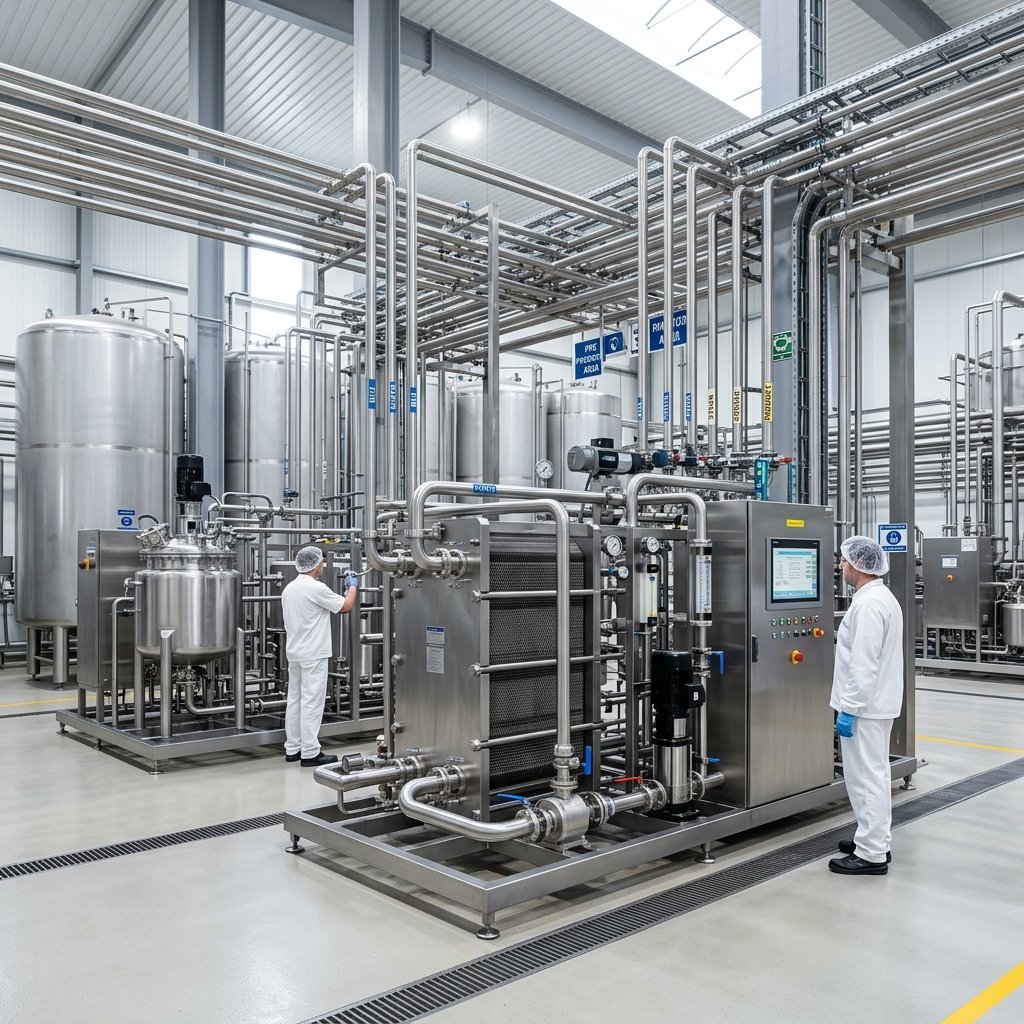
The defining feature of our bottle blowing machine line is handle insertion molding: the ability to fuse an ergonomic carry handle directly into the parison during the blow cycle rather than bonding it on afterward. This requires the use of high torque clamping mechanisms which clamp the molds together firmly despite the force exerted by the resin against them into complicated handle shapes. Poor clamping will result in flash lines or even a broken bottle from the weight of a gallon of cleaner inside it.
Precision heat zones matter just as much. Thick walled sections near the handle and base need different IR exposure than the thinner body walls, and our pet bottle manufacturing machine units use independently zoned heating to get that balance right on every cycle. A bottle blowing machine that runs uneven heat produces bottles with inconsistent wall thickness, and inconsistent walls mean some containers fail early while sitting on a store shelf. For household cleaning products, that kind of variance isn't a cosmetic issue. It's a recall risk.
•Mold Venting and Resin Flow: Complex handle geometries trap air. Our mold venting channels are positioned to let that air escape during the blow cycle so the parison fills cleanly into every handle contour without forming weak spots. Combined with controlled resin flow dynamics, this keeps wall thickness within tight tolerance across the entire bottle, not just the easy flat sections. Across our full range of bottle machines, this venting design is one of the harder things to get right, and it's usually where a competitor's equipment falls short on complex handle shapes.
BenefitsofUsingHouseholdCleaningBottleMachines
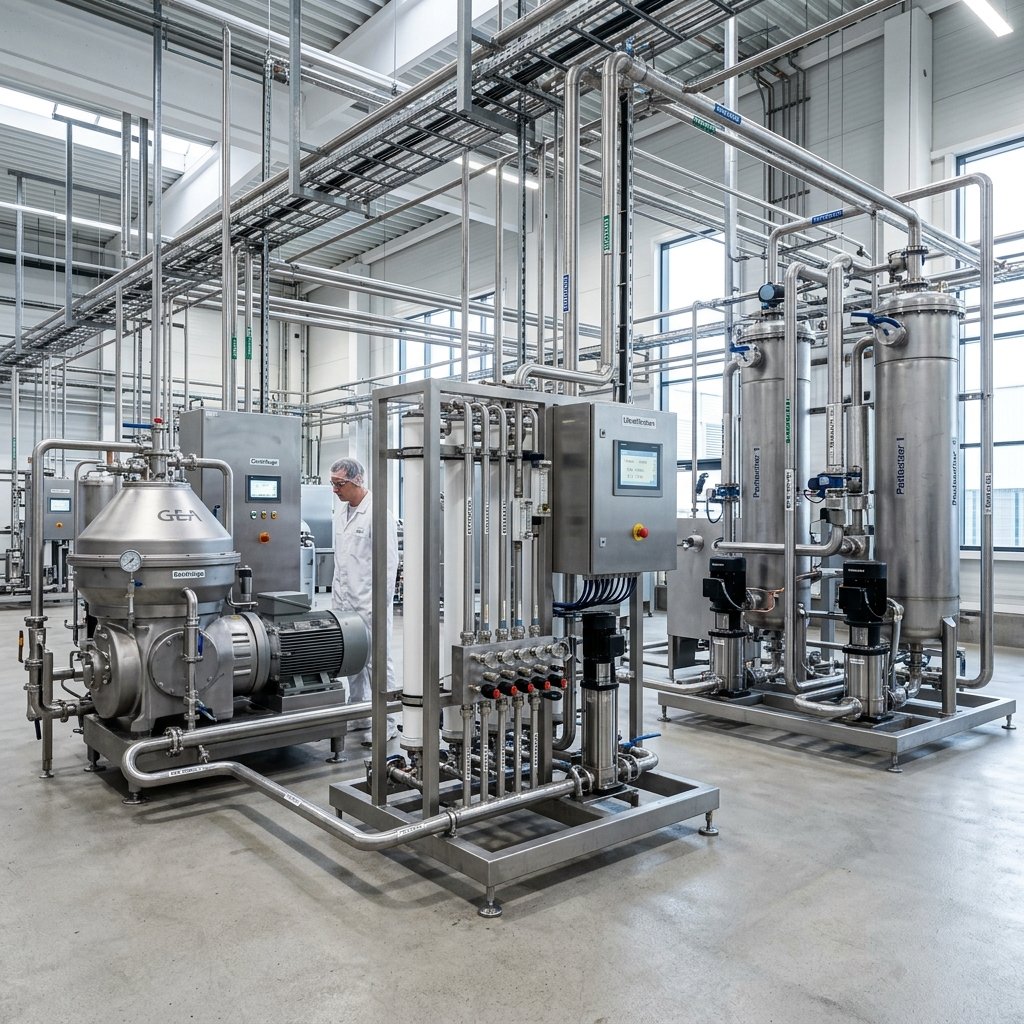
Manufacturers running Seppa's bottle machines see a few consistent advantages. Chemical resistance improves because wall thickness stays consistent batch after batch, with no thin spots where bleach or ammonia can work through the resin faster than expected. Ergonomic weight optimization means bottles use exactly as much plastic as structural integrity requires, not more, which keeps material costs down without sacrificing durability. Manufacturers who switch from a generic plastic bottle making machine to one of our purpose built systems usually notice the difference in scrap rate within the first production week.
Energy efficient mold management is another factor that adds up over a 24/7 production run. Our IR heating zones only heat what needs heating, and that alone can meaningfully reduce per bottle energy draw across a high volume shift. A plastic bottle making machine running three shifts a day needs every efficiency it can get, and small gains in heating and cycle time compound fast at that scale.
For manufacturers running cleaning-product lines specifically, the ROI case is straightforward: fewer field failures, fewer warranty claims, and faster changeover between SKUs.
ApplicationsofHouseholdCleaningBottleProduction
These products come in wildly different formats, and our bottle machines are built to handle that range without retooling an entire line. Trigger spray bottles for glass and surface cleaners need thinner necks and precise threading for spray pump compatibility. Large format disinfectant jugs, often four liters or more, need thicker walls and reinforced handles to survive being carried full and dropped half empty.
Versatile Configuration
A single pet bottle manufacturing machine from Seppa can be configured across this range, small spray bottles one week a...
Mixed SKUs
That flexibility is what lets manufacturers run mixed SKUs through the same bottle machines instead of dedicating separa...
WhyChooseSeppaSolutionsforHouseholdCleaningBottleMachines?
We've built bottle machines for FMCG and home care manufacturers who can't afford a bottle failing on a retail shelf. That track record comes from structural engineering work specific to the pet bottle blowing machine category: wall thickness modeling, handle stress analysis, and resin behaviour testing under chemical exposure, not just general plastics knowledge applied to a new product.
Our plastic bottle making machine infrastructure is also built for uptime. Industrial cleaning product manufacturers run continuous shifts, and unplanned downtime on a bottle line stalls the whole packaging chain behind it. We design for serviceability: accessible heating elements, modular mold tooling, and clamping systems that don't require a full line shutdown for routine maintenance. Customers who've moved their household cleaning products lines onto our equipment tend to call it the easiest pet bottle blowing machine they've maintained, mostly because nothing requires a crane to access.
Should you be an organization involved in producing cleaning agents for use at home and require a production company that knows about the intricacies of chemical resistant bottles manufacturing, then Seppa Solutions makes bottle machinery.
MethodologyoftheHouseholdCleaningBottleManufacturingProcess
Preform conditioning
The process starts with preform conditioning, where PET or HDPE preforms are heated to a precise, narrow temperature window. Too cold and the material won't stretch evenly; too hot and wall thickness becomes unpredictable.
Handle integrated molding
From there, the custom handle integrated molding cycle takes over on the bottle blowing machine, stretching and blowing the preform into the mold cavity while the handle section forms simultaneously.
Structural cooling
Structural cooling follows immediately, and this stage is where chemical resistant bottles really get built. Cooling rate affects crystallinity in the plastic, and the wrong rate leaves stress points that crack months later under chemical exposure.
Automated ejection
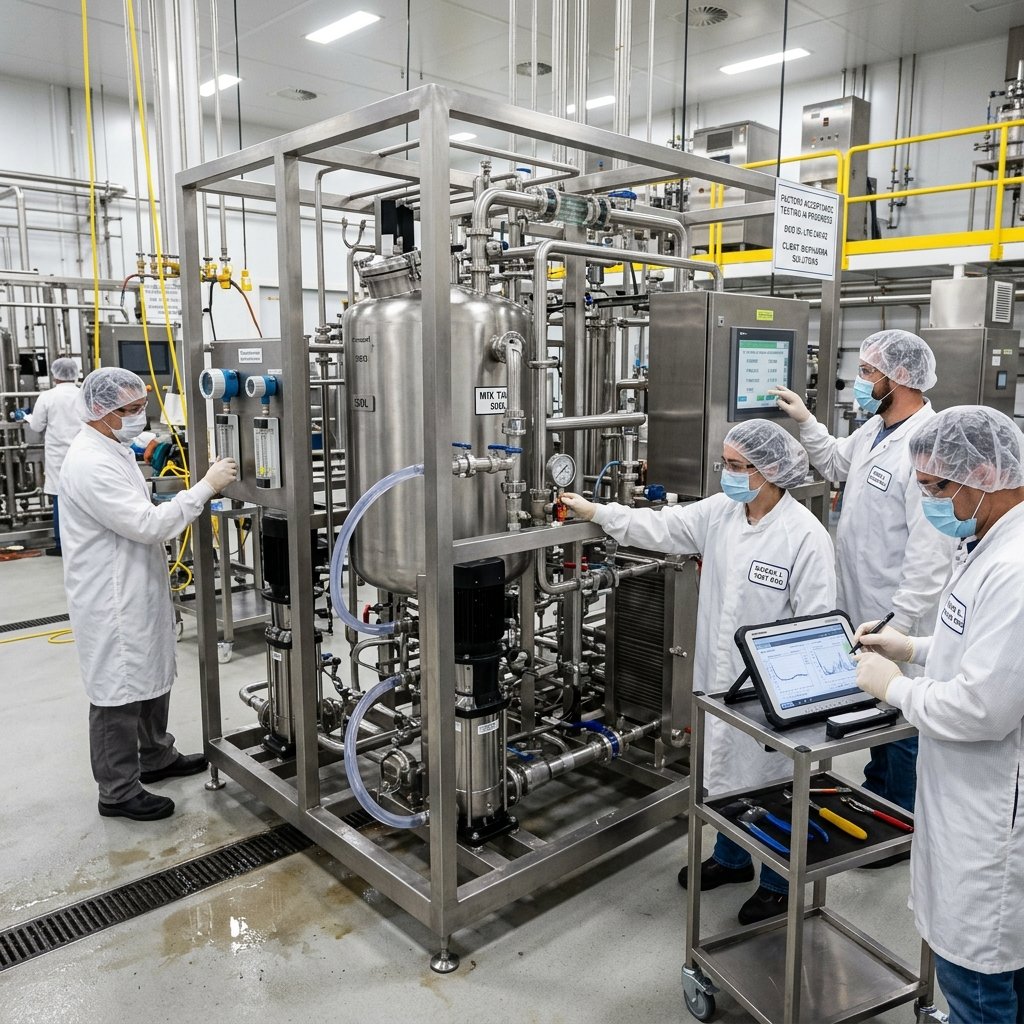
Our mold cooling channels are routed to pull heat evenly from thick and thin sections alike, rather than letting the handle area cool slower than the body. Automated ejection closes the cycle, and the bottle moves to leak testing before packing.
FrequentlyAskedQuestions
EmpoweringIndustryLeadersWorldwide














CollaboratingwiththeBestintheIndustry



Awards&Achievements
Our relentless pursuit of excellence and innovation has been recognized globally. We take pride in the milestones we've achieved on our journey to transforming the industry.




Let's Discuss Your Packaging Needs
Reach out to our experts to find the perfect packaging solutions tailored for your business. We are here to help you succeed.
Call Us:
+91 93848 06105
Email Us:
info@seppasolutions.com
Location:
No. 7, Parivakkam Road , Chennai - 600 056, Tamilnadu, India.
Request a Quote
Informingyouwithindustryfocusedupdates