Large PET Bottle (3 to 20 Liters) Production Technology
Overview of the Large PET Bottle Blowing Machine (3 to 20 Liters)
Bulk liquid packaging runs on different physics than a 500 ml water bottle. Once you cross into 3 to 20 liter territory, preform mass jumps, wall stress multiplies, and a machine built for small format output simply cannot hold dimensional tolerance. That's the gap a purpose built pet bottle blowing machine is designed to close.
At Seppa Solutions, we don't treat large format blowing as a scaled up version of small bottle tooling. A pet blow moulding machine built for 500 ml bottles simply isn't engineered for the thermal and pressure demands of bulk containers. The preforms used for a large pet bottle carry significantly more grammage, which changes how heat moves through the plastic and how long the material needs to reach a stable, blow ready state. A pet bottle blowing machine engineered for this segment has to manage that heat load precisely, or you end up with bottles that look fine on day one and fail under stacking load three weeks later.
This is why bulk format production has become its own engineering discipline rather than an afterthought bolted onto standard lines.
Benefits of Using a Large PET Bottle Blowing Machine
Material efficiency matters more at scale. A well tuned pet bottle blowing machine distributes wall thickness so material goes where structural load actually needs it, rather than padding every wall uniformly out of caution. That single change can meaningfully cut resin cost per unit across a high volume run.
Container rigidity is the second major benefit. Large format bottles get stacked, palletized, and shipped under load, so wall strength at the base and shoulder isn't optional. This is where a properly tuned pet blow moulding machine earns its keep. Energy optimized mold management, keeping mold temperature stable cycle after cycle instead of letting it drift, also keeps energy draw predictable on any pet bottle making machine running continuous duty production.
Put together, a properly specified pet bottle making machine pays for itself through lower scrap rates, fewer field failures, and tighter resin budgets. For manufacturers producing tens of thousands of large format units a month, that adds up fast.
Applications of Large PET Bottle Manufacturing Machines
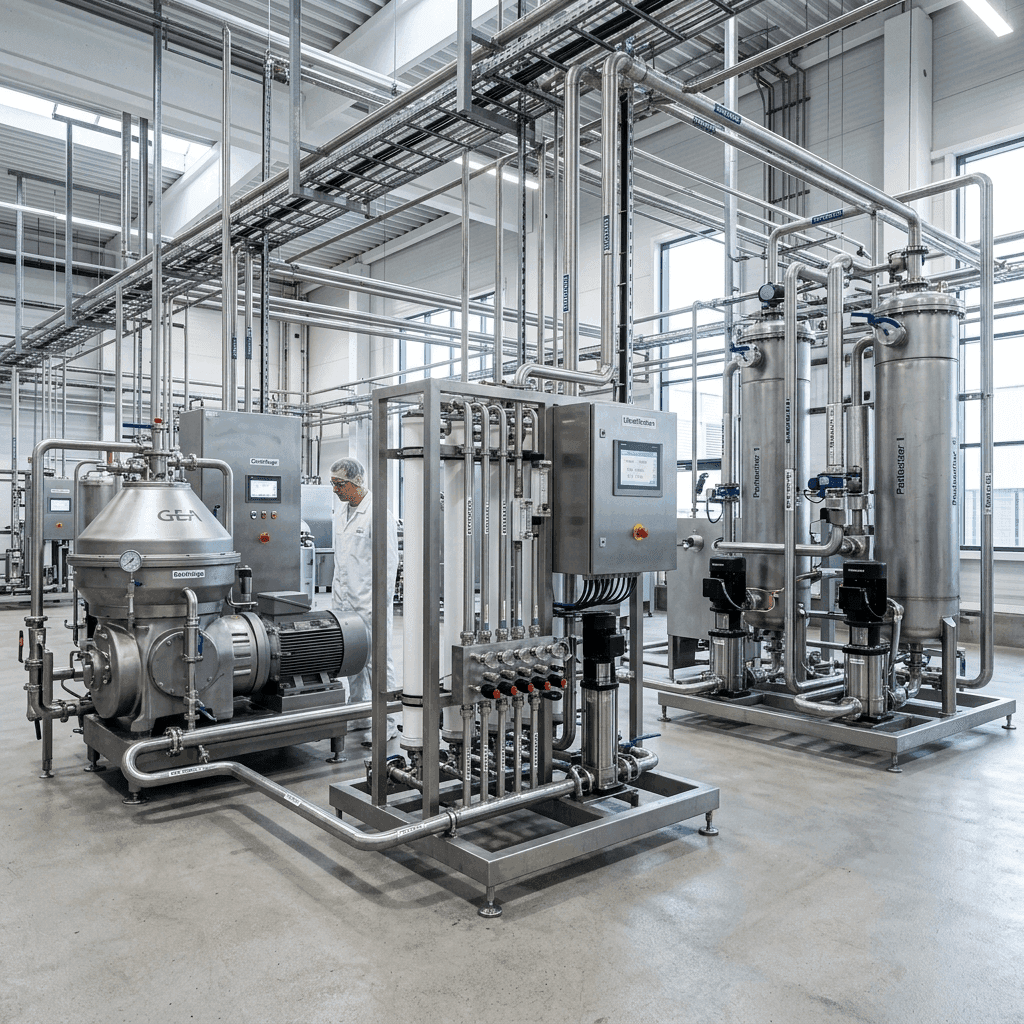
Bulk PET packaging covers more ground than people expect. Twenty liter water jugs for office and home delivery sit at one end of the spectrum; 5 liter edible oil containers, designed to survive repeated handling and stacking in warehouse conditions, sit at the other. Both rely on a pet bottle blowing machine tuned to their specific wall thickness requirements. In between, you'll find bulk chemical containers, large format beverage concentrates, and industrial cleaning fluid packaging.
Targeted Engineering
Each of these applications puts different stress on a pet bottle blowing machine. Oil containers need wall consistency t...
Application Configurations
A pet bottle manufacturing machine that can't adapt its heating and pressure profiles across these use cases ends up ove...
Features of the 3 to 20 Liter PET Bottle Blowing Machine
Extended Heating Tunnels for Heavy Preforms
Heavy grammage preforms need more dwell time under IR exposure, and they need that exposure distributed evenly across th...
Reinforced High Pressure Clamping
A 20 liter container under final blow pressure puts real mechanical load on the mold clamping system. We spec reinforced...
Precise Air Flow Management
Pre blow and final blow air delivery has to be sequenced carefully on any pet bottle manufacturing machine handling bulk...
Thermal Management for Thick Walls
Any pet bottle blowing machine running bulk formats also needs cooling protocols that account for the extra thermal mass...
Why Choose Seppa Solutions for PET Bottle Blowing Machines?
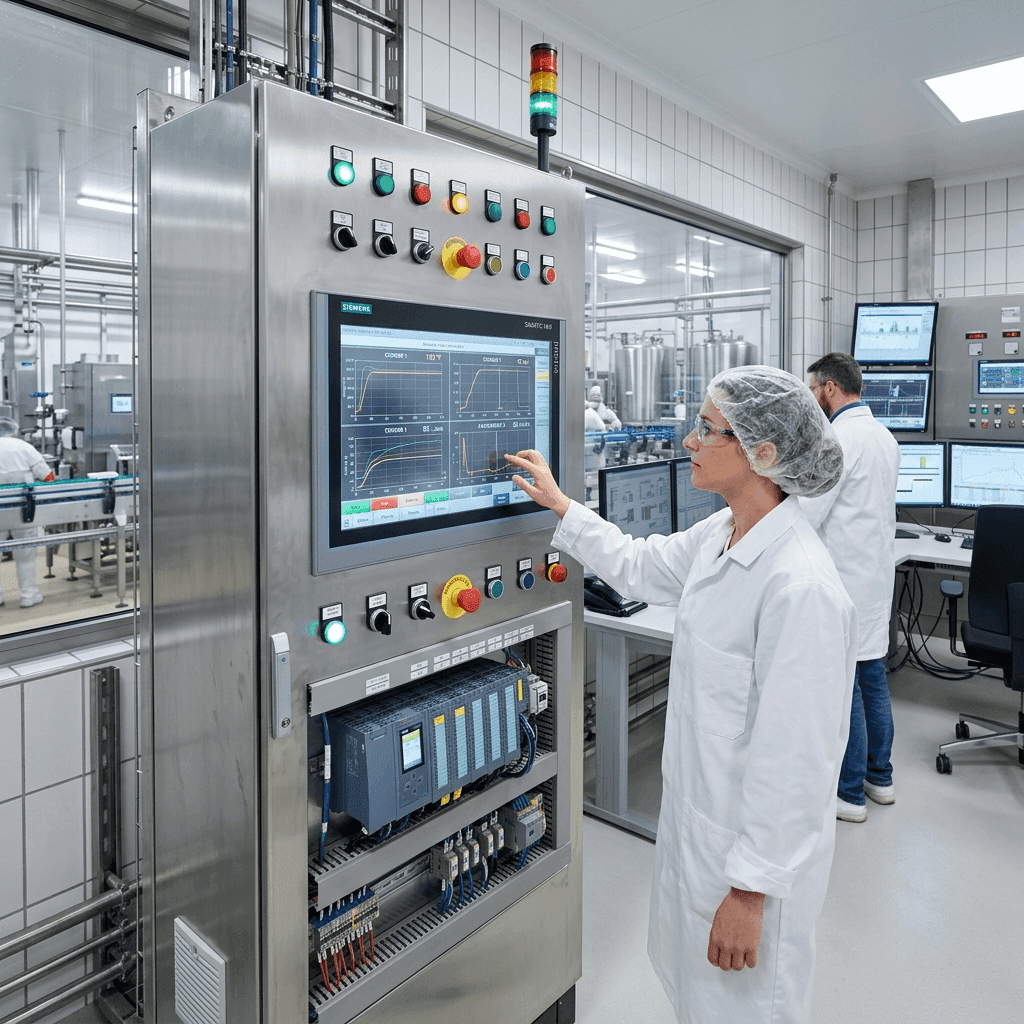
We've built our reputation on structural engineering for the large pet bottle segment specifically, not as a side note to standard bottling equipment. FMCG companies and water bottling operations come to us when their existing pet bottle blowing machine can't hold tolerance on heavy grammage formats, or when downtime on bulk format runs is eating into their delivery schedules.
Our pet bottle manufacturing machine designs go through real world stress testing on the exact wall thickness ranges our clients run in production, not generic benchmarks. And because we build for continuous duty operation from the start, the uptime numbers our clients see in year two look a lot like the numbers they saw in month one.
Methodology of the PET Bottle Blowing Process
Thermal conditioning
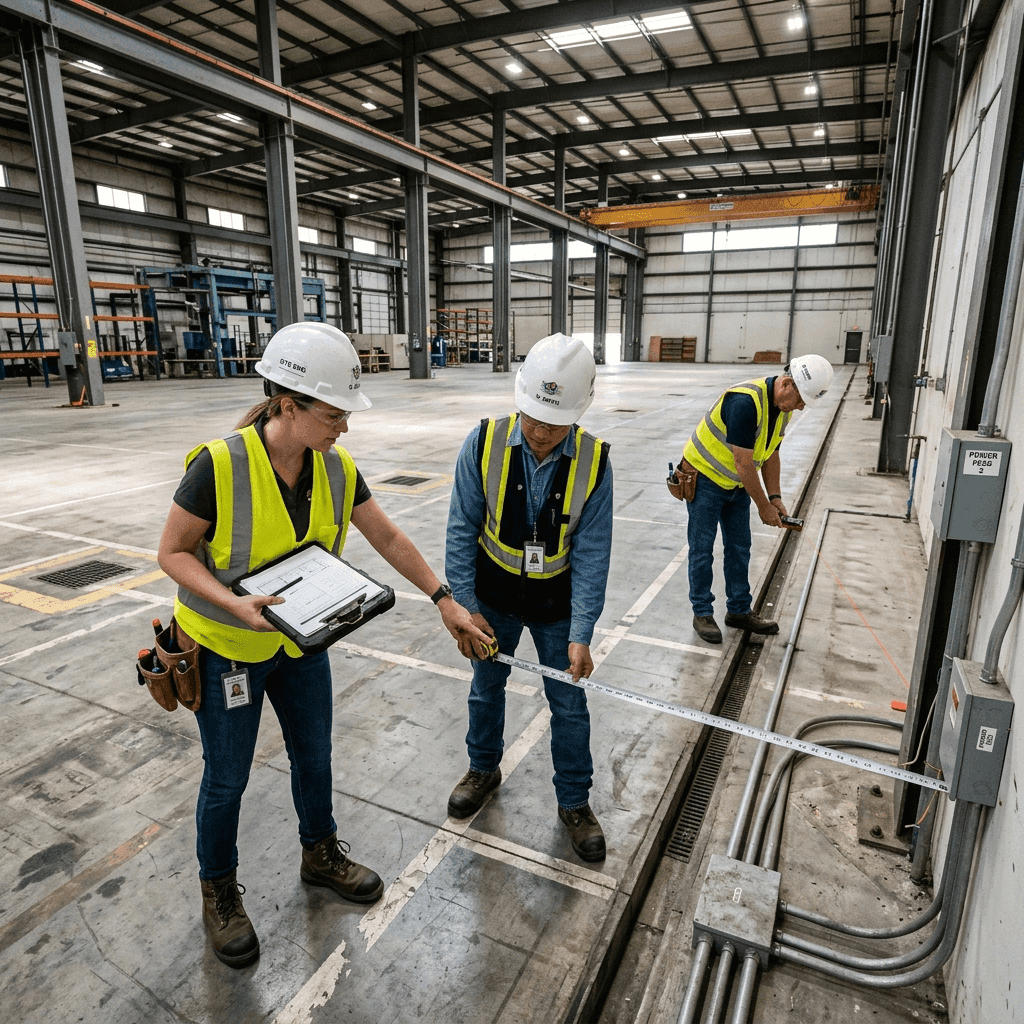
The process starts with thermal conditioning of heavy grammage preforms, where IR lamp arrays bring the preform to a uniform, blow ready temperature without scorching the surface. From there, the conditioned preform transfers into a temperature controlled mold cavity sized for the target volume.
Shaping work
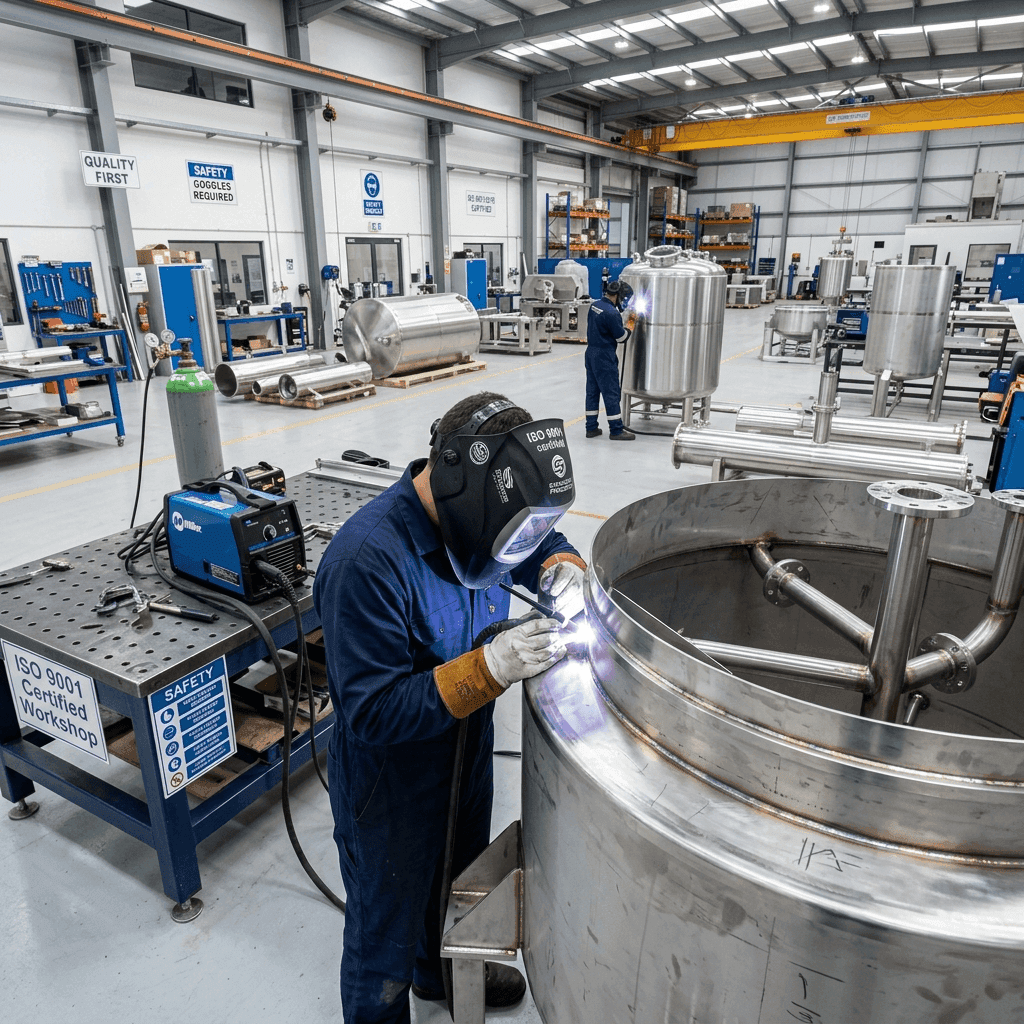
Inside the mold, a high pressure stretch blow cycle does the real shaping work. A stretch rod extends the preform axially while pressurized air expands it radially against the mold wall. This two axis stretch is what gives PET its strength to weight advantage over other materials.
Pressure curve
For large sizes, this step is done in a precisely profiled pressure curve, and not a single peak of pressure, since a rapid increase in pressure in large preforms can lead to uneven distribution of the plastic mass at the bottom and shoulder.
Targeted cooling
Once the bottle is shaped, fast and targeted cooling guarantees exact dimensions prior to being ejected from the machine. Heat, stretch, blow, cool this is how a pet blow moulding machine manages to form large size bottles with consistent walls, shift by shift..
Frequently Asked Questions
Empowering Industry Leaders Worldwide














Collaborating with the Best in the Industry



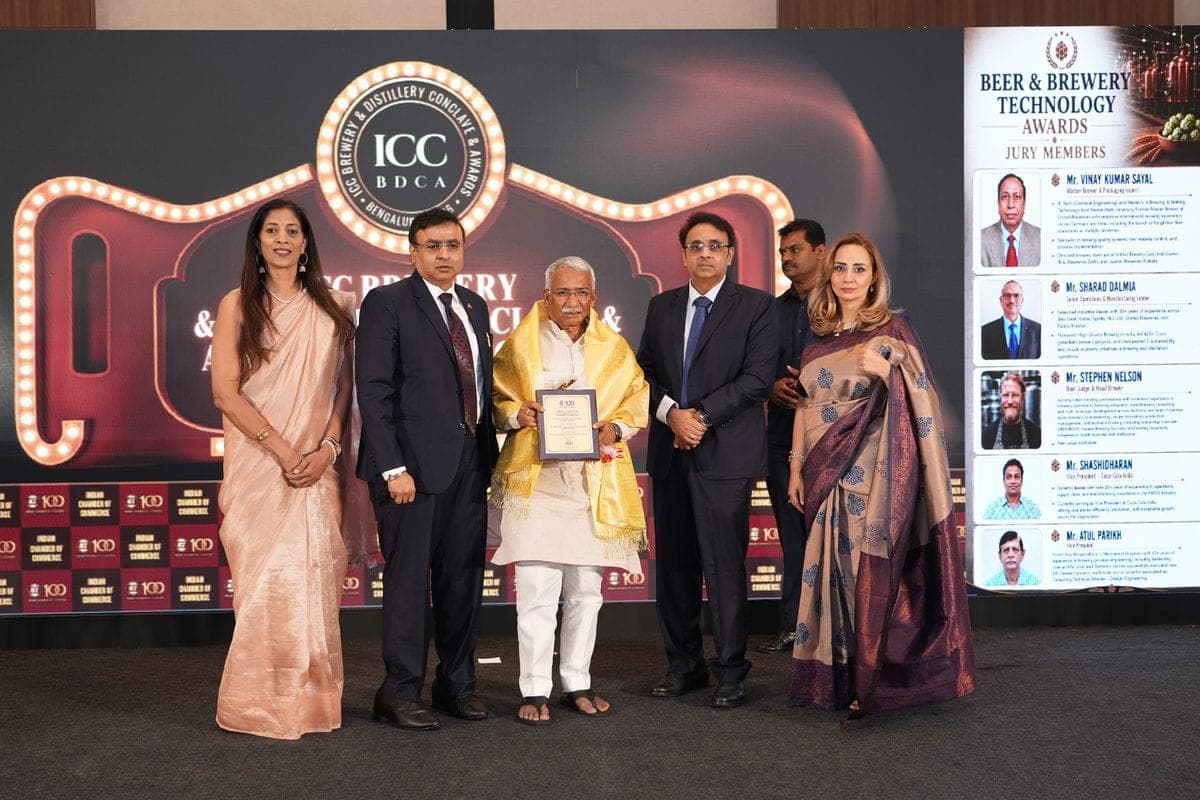
Awards & Achievements
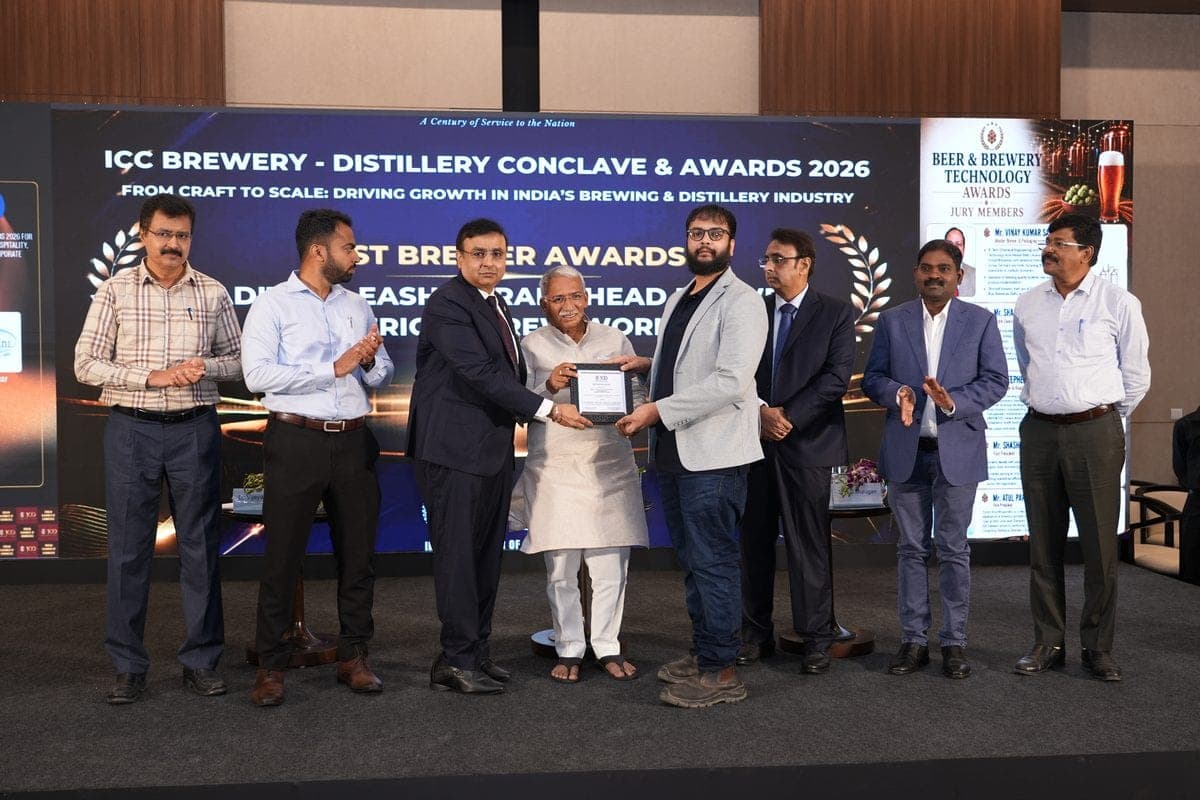
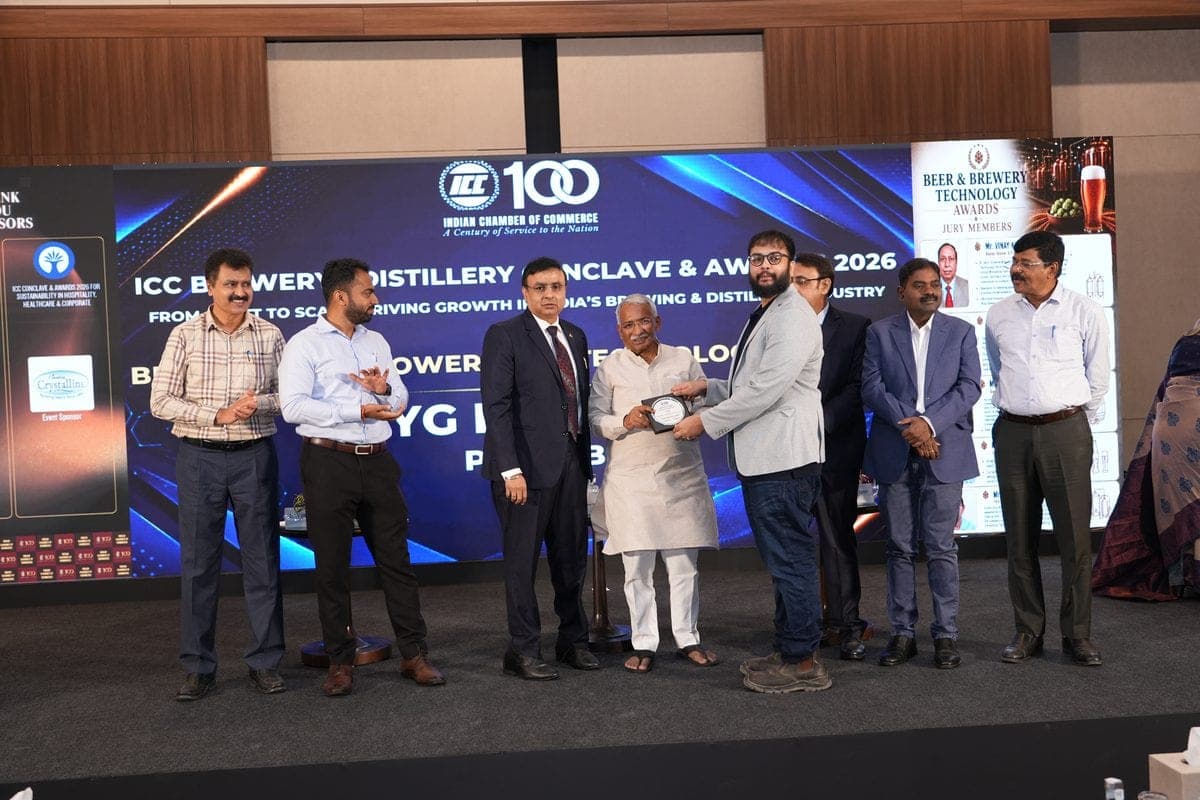
Our relentless pursuit of excellence and innovation has been recognized globally. We take pride in the milestones we've achieved on our journey to transforming the industry.


Let's Discuss Your Packaging Needs
Reach out to our experts to find the perfect packaging solutions tailored for your business. We are here to help you succeed.
Call Us:
+91 93848 06105
Email Us:
info@seppasolutions.com
Location:
No. 7, Parivakkam Road , Chennai - 600 056, Tamilnadu, India.