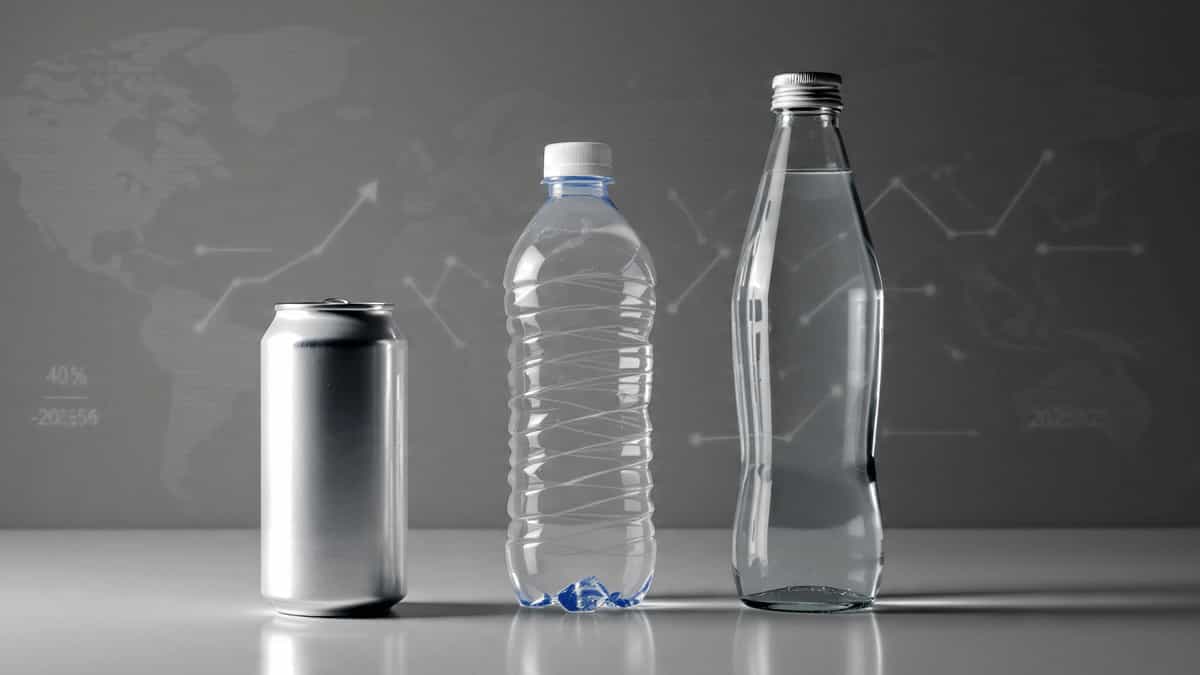
Milk / Juice PET Bottle Machine
OverviewoftheMilk/JuicePETBottleMachine
Dairy and juice are unforgiving products to package. The quality of milk deteriorates rapidly in presence of light in hours if the bottle doesn’t have suitable barrier property, while juice deteriorates not only in taste but also in nutrients due to bottle deformation due to high temperature used for filling. The design of an effective juice bottle machine would solve both the issues at molecular level.
Generic PET blow molding equipment was designed around water and soda, not dairy or juice. A milk packaging machine has to manage light transmission precisely enough to protect riboflavin, while a juice bottle blowing machine producing hot fill nectar containers must hold thermal stability to 85-92°C without shrinkage or base deformation. A milk bottling machine and a juice bottle machine solve different problems, and Seppa builds each around the thermal profile the product actually demands.
The result is a bottle that holds its shape through filling, capping, and inversion pasteurization, and protects the product chemically for its full shelf life. That's the job. Everything else is detail.
FeaturesandTechnicalSpecifications
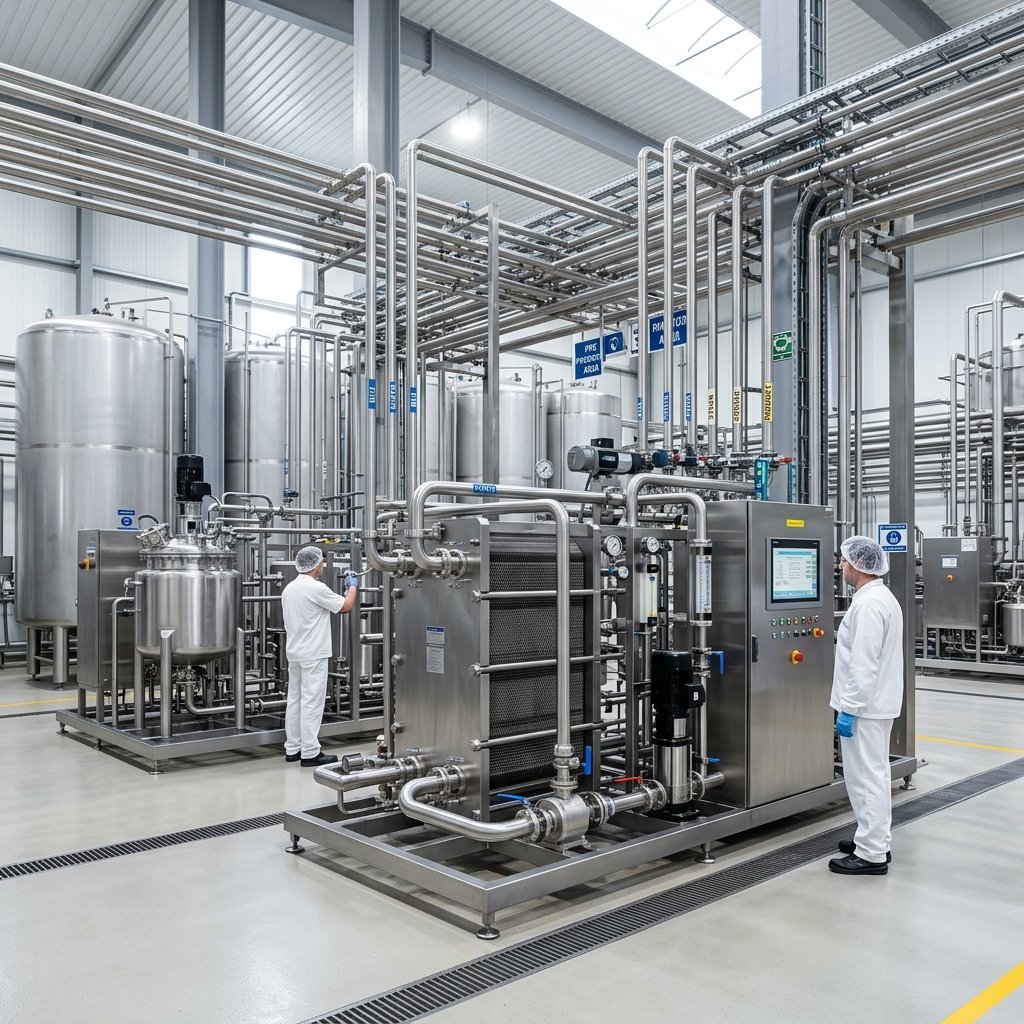
The distinctive characteristic of a heat set capable juice bottle blowing machine is its crystallizer portion of the mold. The regular cold fill molding machine operates through a one temperature cavity wall whereas in heat set, the cavity operates between 120 to 160 degrees Centigrade where blow air core temperature is controlled separately to enable the formation of crystal at the base and shoulder portions. This dual zone control is what lets a bottle survive hot fill without the "waisting" common to a cheap milk packing machine price tier.
Key specifications behind every milk packing machine price quote we build:
•Heat Set Mold Capability: Independent temperature control across neck, body, and base zones (typically three to five discrete heating circuits per cavity) gives the operator granular control over crystallinity gradients.
•Precision IR Heating Zones: Preform reheat ovens use individually addressable infrared lamp banks. For dairy, the heating profile is tuned to produce a denser, more opaque wall that scatters light rather than transmitting it. Get the lamp profile wrong on a milk bottling machine and the bottles look fine on day one, then let the product spoil by day five.
•UV Sanitization Interfaces: Integrated UV-C modules at the preform infeed and bottle outfeed cut bioburden before the container reaches the filler. This matters more on a juice packing machine running ESL dairy than on a standard water line, and it's standard on every juice bottle machine we ship.
•Structural Wall Rigidity: Sidewall thickness mapping software redistributes material toward stress points (base, shoulder, handle grip if present) so the bottle resists top load crushing in stacked transport without added PET.
A juice bottle blowing machine missing any one of these systems produces bottles that pass visual inspection but fail in the field, usually months later when nobody's watching.
ApplicationsintheBeverageIndustry
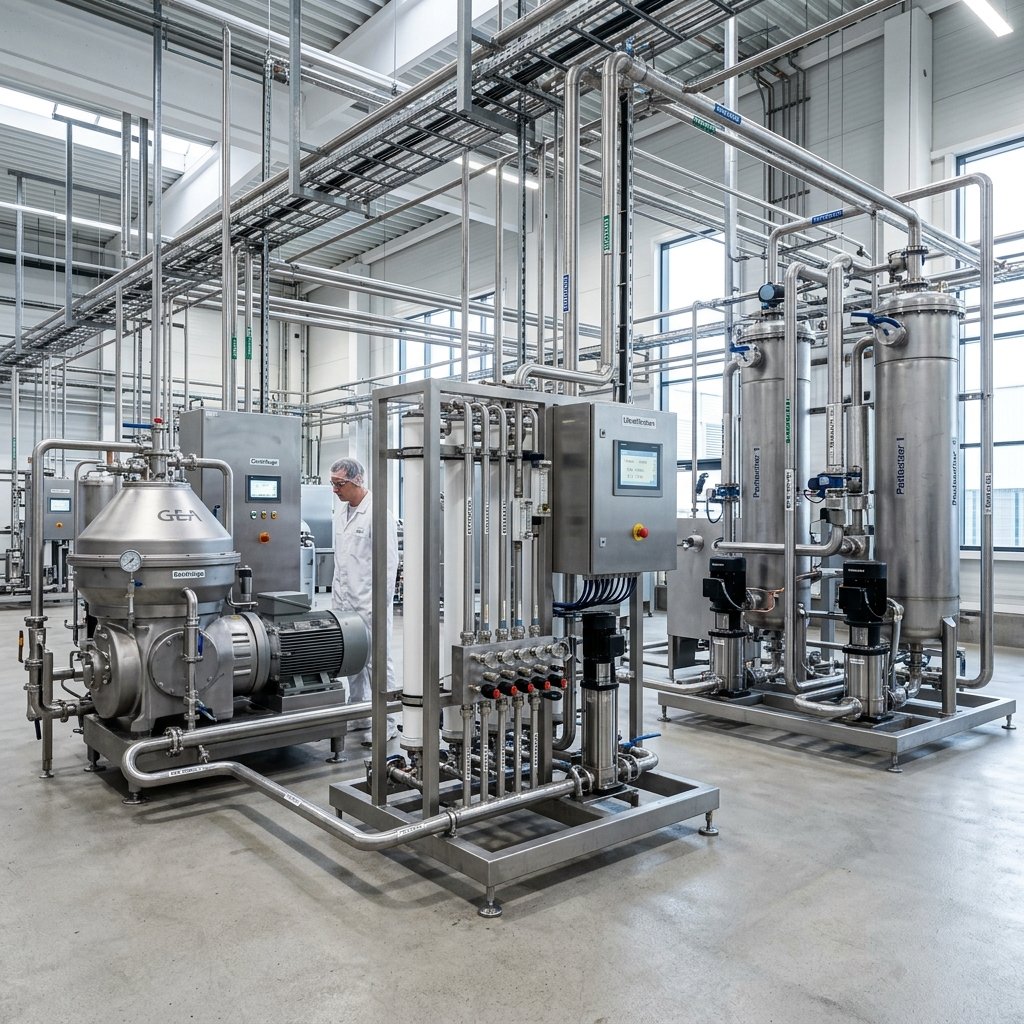
The versatility required of a modern juice packing machine is considerable. Pasteurized fruit nectars, pulp-containing juices, and clarified juices behave differently during hot fill. Pulp can nucleate crystallization defects if the heating profile isn't adjusted. A juice bottle machine tuned for clarified apple juice needs retuning before it reliably runs a pulpy mango nectar at the same temperature.
On the dairy side, ESL milk, flavoured milk drinks, and milk based smoothies carry different oxygen and light sensitivity profiles. A milk packaging machine running ESL white milk needs aggressive light barrier performance; one running a fortified flavoured drink needs that plus low oxygen transmission to protect added vitamins A and D. Buyers comparing milk packing machine price quotes often miss that barrier requirement, not cavity count, should drive the spec.
Seppa's systems are built so a single milk bottling machine platform reconfigures across this range without a full retool: mold inserts swap, reheat profiles get reprogrammed, core thermal architecture stays put. Same logic on the juice side: one juice bottle blowing machine chassis, several mold and lamp-profile variants.
BenefitsoftheAutomaticMilk/JuicePETBottleMachine
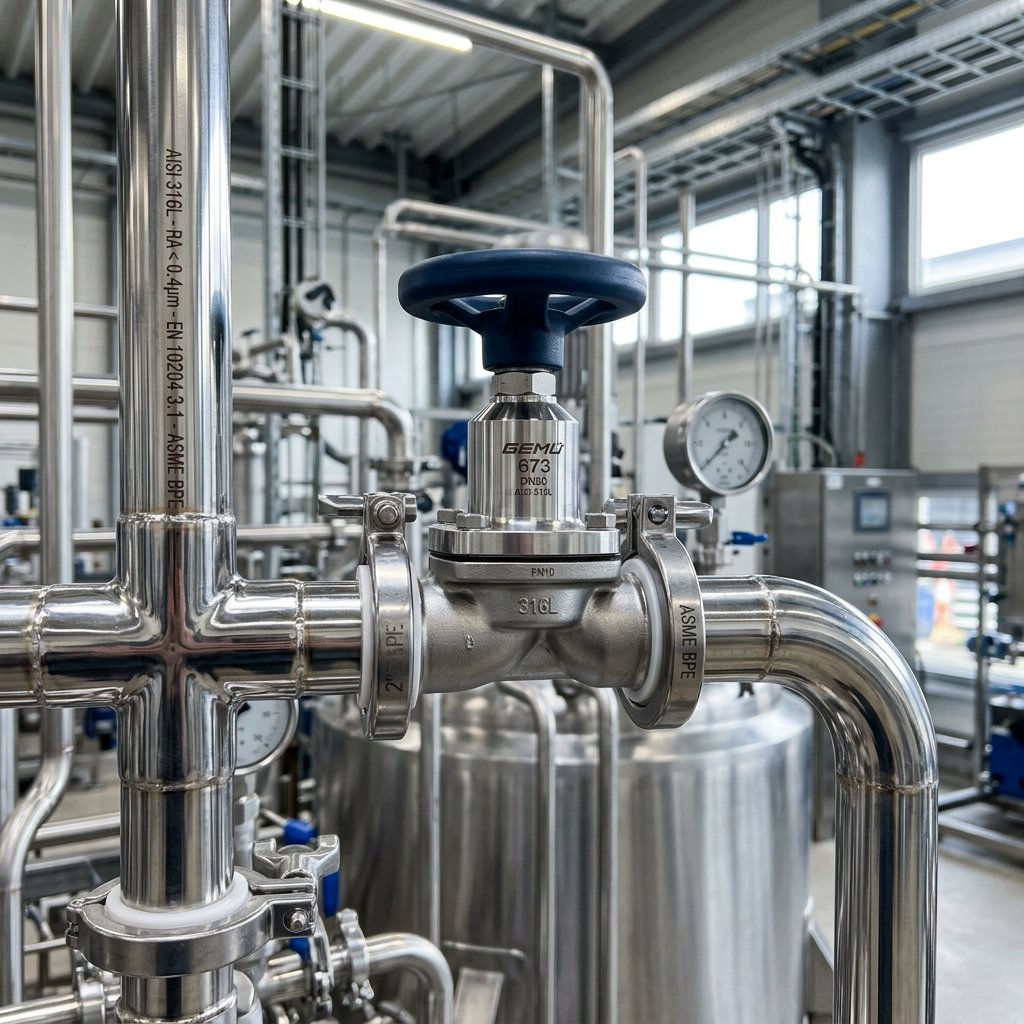
The barrier and structural advantages translate directly into fewer rejected cases and less spoilage at retail. Output from a properly engineered milk packaging machine can extend shelf life by days to weeks over a generic cold fill bottle, simply because the wall tint was never built to block the wavelengths that matter.
Energy Efficiency
Mold thermal management on a modern juice bottle blowing machine recovers and recirculates heat between zones instead of...
Lower Reject Rates
On the cost side, milk packing machine price comparisons that look only at the sticker number miss the larger picture. A...
WhyChooseSeppaSolutionsforMilk/JuicePETBottleMachines
Dairy and beverage producers come to us because thermal stability engineering is the starting point of every juice bottle machine we build, not an add on. We've spent years refining crystallizer geometry, lamp zone programming, and mold cooling specifically for hot fill juice and light sensitive dairy, rather than adapting water bottle tooling and hoping it holds. That's usually how most milk packaging machine failures in the field start.
Our track record includes high uptime milk bottling machine installations for bottlers running 24/7 multi shift operations, where one unplanned mold change costs more than a week of preventive maintenance. We design every juice bottle machine for that reality, not as a retrofit after the first breakdown.
A single juice bottle machine for a pilot line, or a turnkey milk packaging machine installation feeding an automated filler: either way, our team works through the thermal and structural specifics before a single mold is cut.
PETBottleManufacturingMethodologyforMilkandJuicePackaging
Preform conditioning
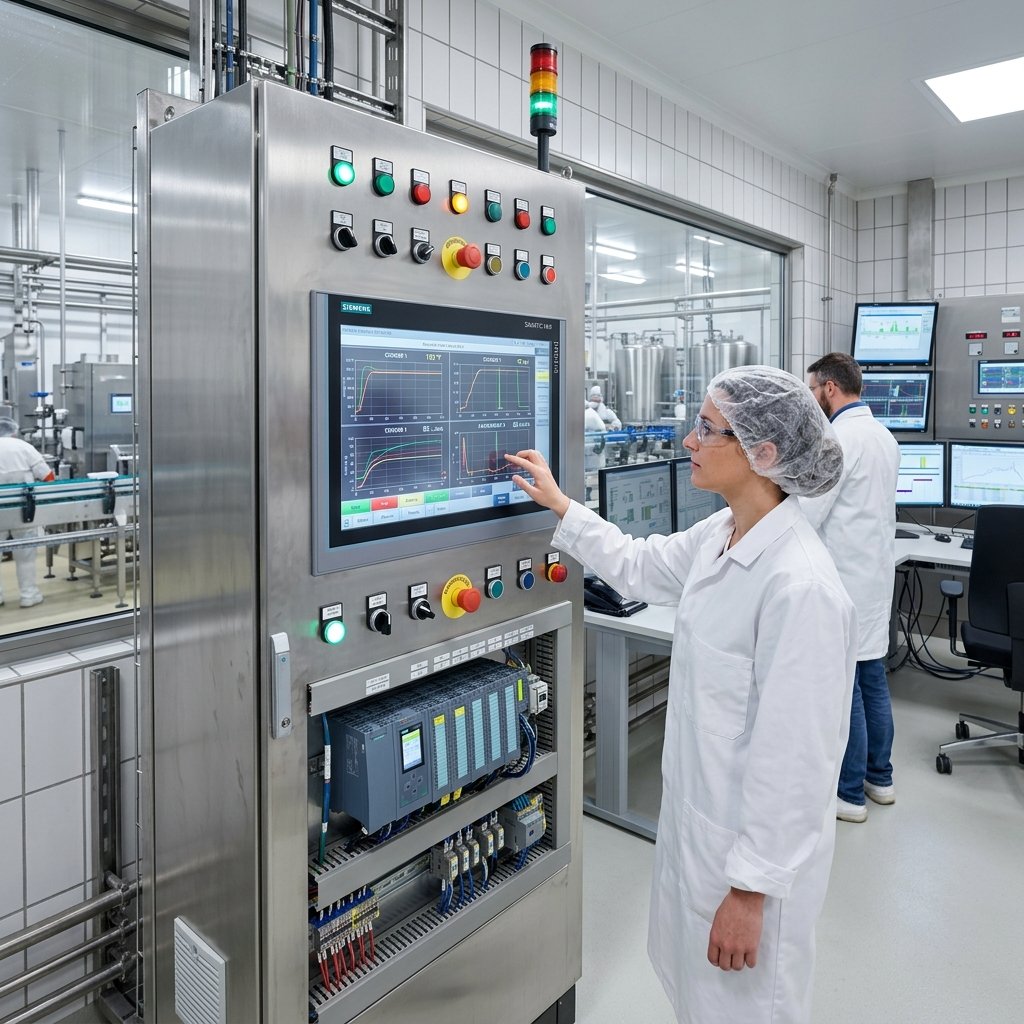
The process starts with preform conditioning. Preforms pass through the reheat oven, where IR lamps bring the PET above its glass transition point without crossing into the cold crystallization zone that makes the material brittle and hazy.
Heatset mold cycle
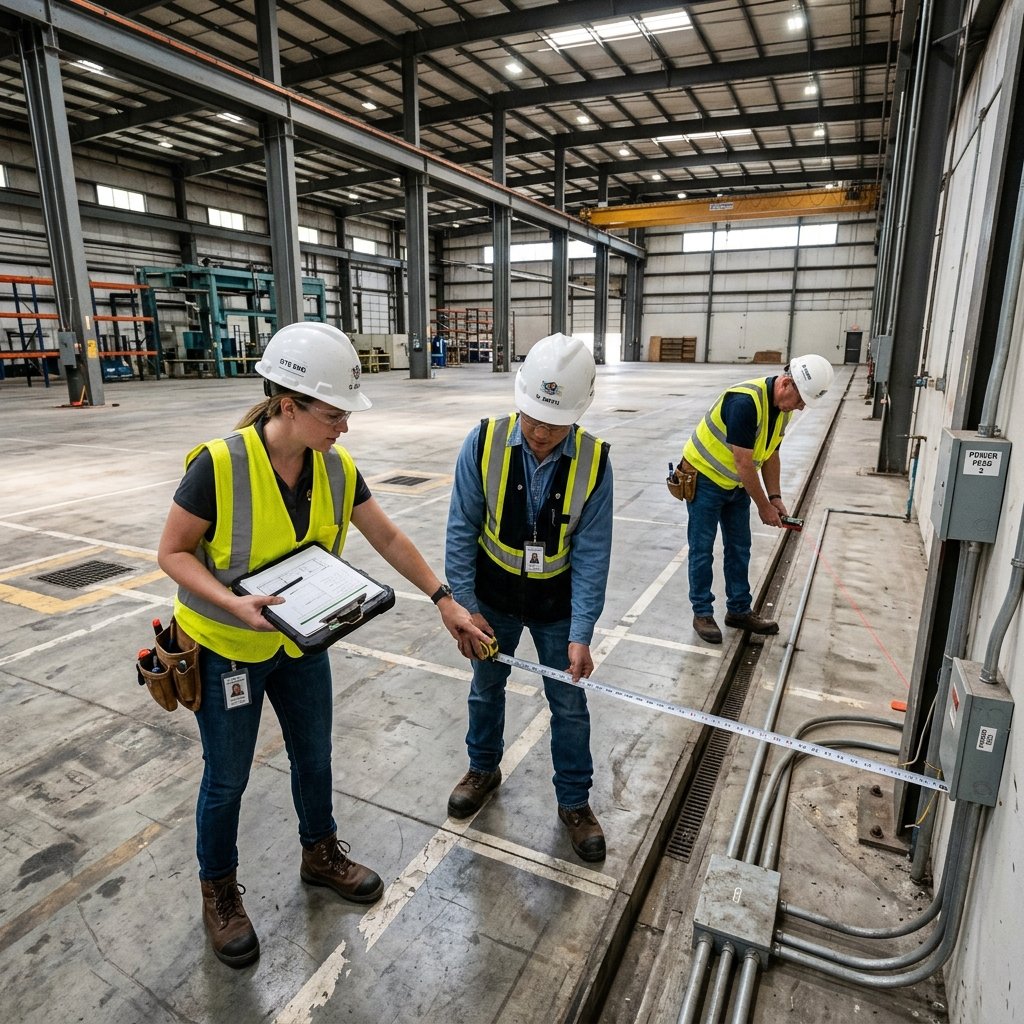
The conditioned preform stretches axially while blow air pressurizes it radially against the heated cavity wall. A low pressure preblow followed by a high pressure final blow pushes material into the mold geometry while elevated cavity temperature locks in a crystalline structure at base and shoulder.
Structural annealing
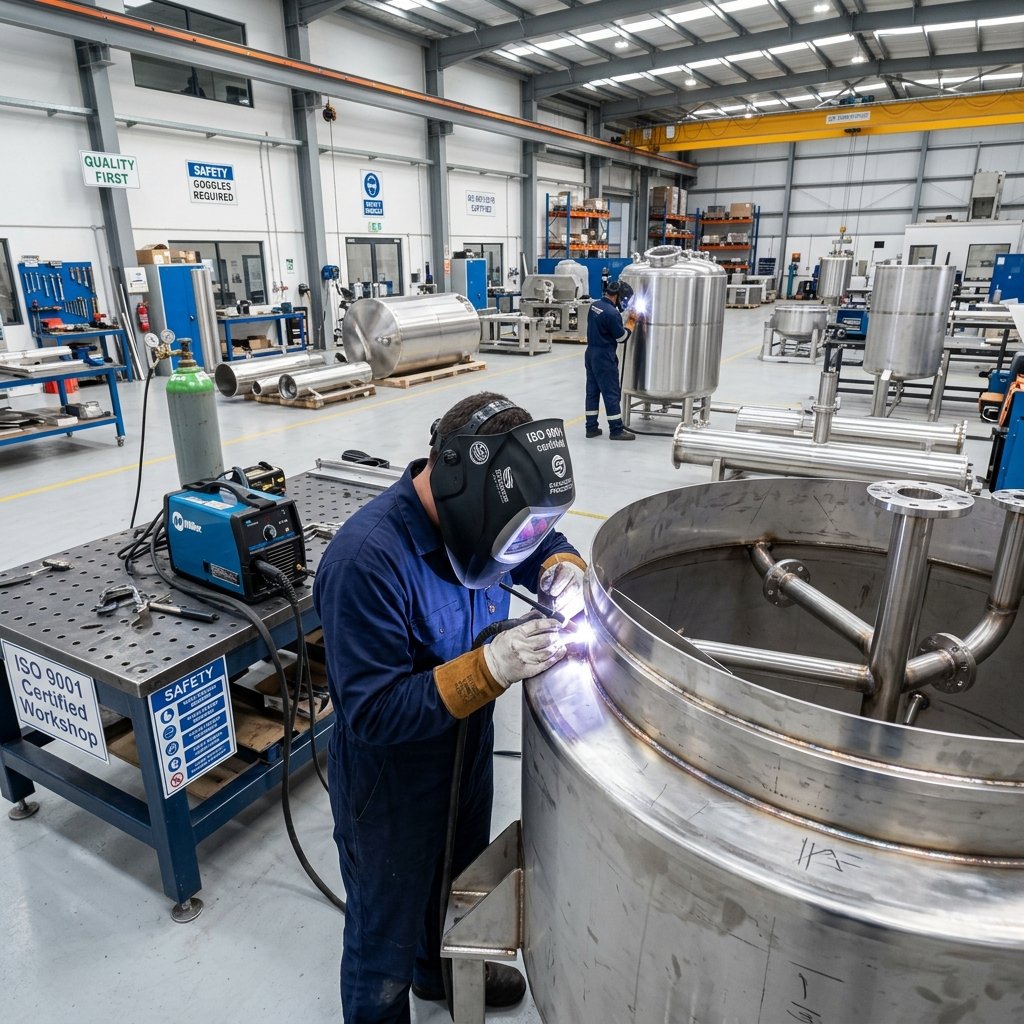
Structural annealing follows immediately, while the bottle is still in the mold. This is the step that actually gives a juice bottle machine's output its hot fill tolerance. Shorten the cycle to save a tenth of a second, and the bottle shrinks visibly the moment it meets 90°C juice.
Automated ejection
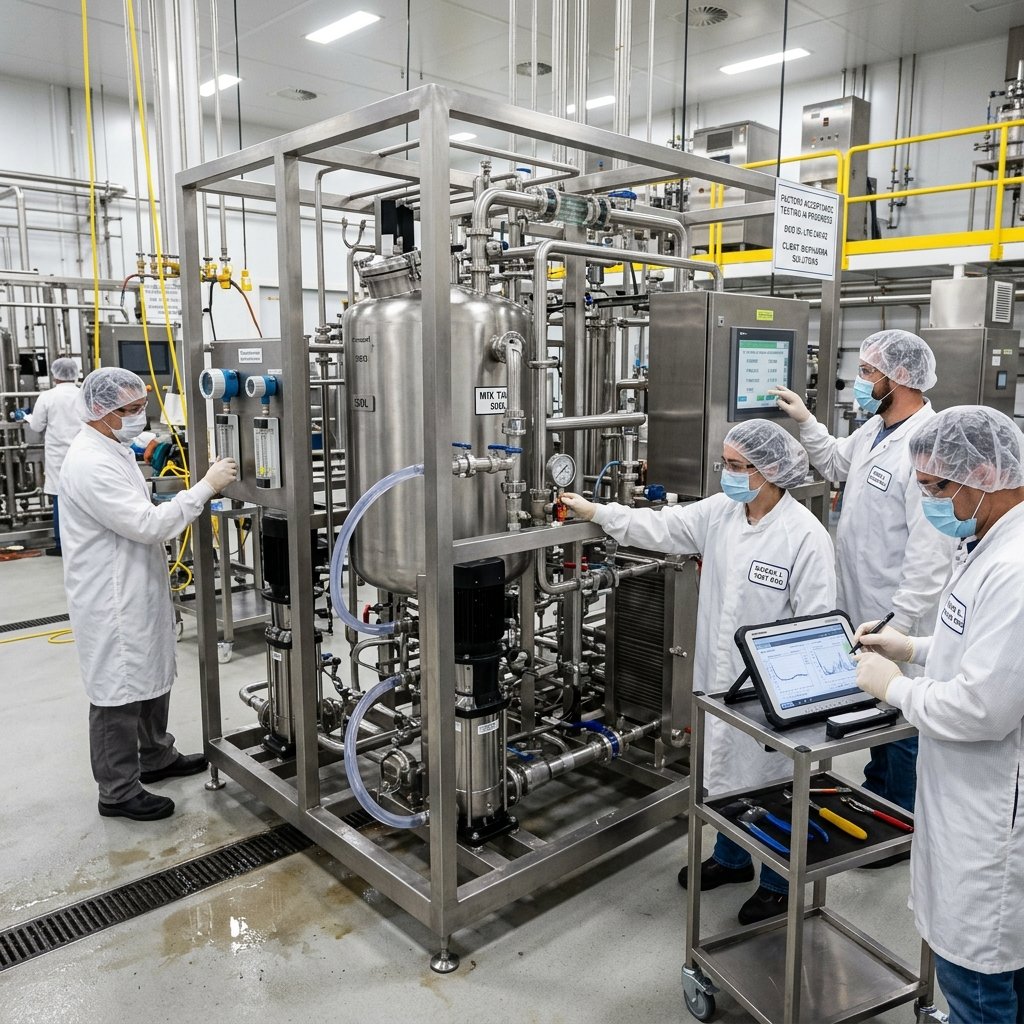
Automated ejection completes the cycle, handing the bottle to an air conveyor that routes it to the filler.
FrequentlyAskedQuestions
EmpoweringIndustryLeadersWorldwide















CollaboratingwiththeBestintheIndustry




Awards&Achievements
Our relentless pursuit of excellence and innovation has been recognized globally. We take pride in the milestones we've achieved on our journey to transforming the industry.




Let's Discuss Your Packaging Needs
Reach out to our experts to find the perfect packaging solutions tailored for your business. We are here to help you succeed.
Call Us:
+91 93848 06105
Email Us:
info@seppasolutions.com
Location:
No. 7, Parivakkam Road , Chennai - 600 056, Tamilnadu, India.
Request a Quote
Informingyouwithindustryfocusedupdates