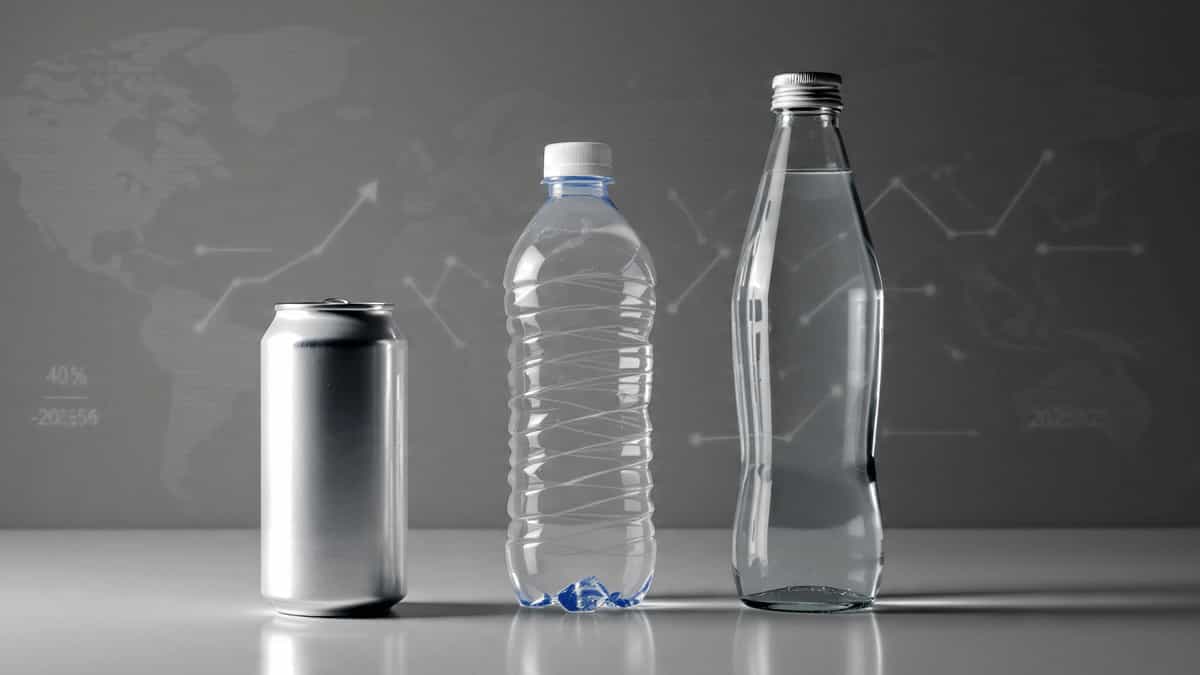
PET Bottle Machine for Oil, Vinegar & Ketchup
OverviewofthePETBottleMachineforOil,Vinegar&Ketchup
Oil, vinegar, and ketchup punish a container in three different ways. Oil migrates through weak polymer walls over months, vinegar's acidity attacks poorly stabilized resin, and ketchup needs a bottle that squeezes evenly without buckling. A generic oil bottle machine built for water or carbonated drinks won't survive contact with any of these products for long. That's why Seppa Solutions designs purpose built systems: an oil bottle machine engineered specifically for high viscosity, oxygen sensitive, and acidic food products, not adapted from beverage tooling as an afterthought.
The core challenge is sealing. A loose neck finish on plastic oil bottles means slow leakage that shows up on a retail shelf, not in a quality lab. Our oil bottle machine platforms hold neck finish tolerances tight enough that caps seat consistently across a full production run, which is what prevents the seepage food brands get blamed for.
Food safety is one more element that most general purpose blow molding machinery does not take into account. The condiment blow molding machine must deal with the heat profile which will ensure that the plastic used stays in FDA approved food contact levels while fully stretching the walls of the mold. Make an error in this process and you end up with a weak, easily cracked bottle or one with holes from leaking oil.
KeyFeaturesofthePETBottleBlowingMachine
Viscosity varies wildly between these three products, and the machine has to adapt. Edible oil flows differently than ketchup, so a bottle blowing machine running both SKUs needs blow cycle parameters that can shift without a full mechanical changeover. Seppa's systems use electronic pressure profiling to fine tune the blow curve per product, instead of forcing every bottle through identical pressure ramps regardless of what's going inside it.
Neck finish accuracy matters more here than in most packaging categories. A cap that doesn't seat correctly on plastic oil bottles is a returned shipment, sometimes a recalled batch. Our oil bottle machine tooling holds finish dimensions within tight tolerance bands run after run, so capping lines downstream don't see drift over an eight hour shift.
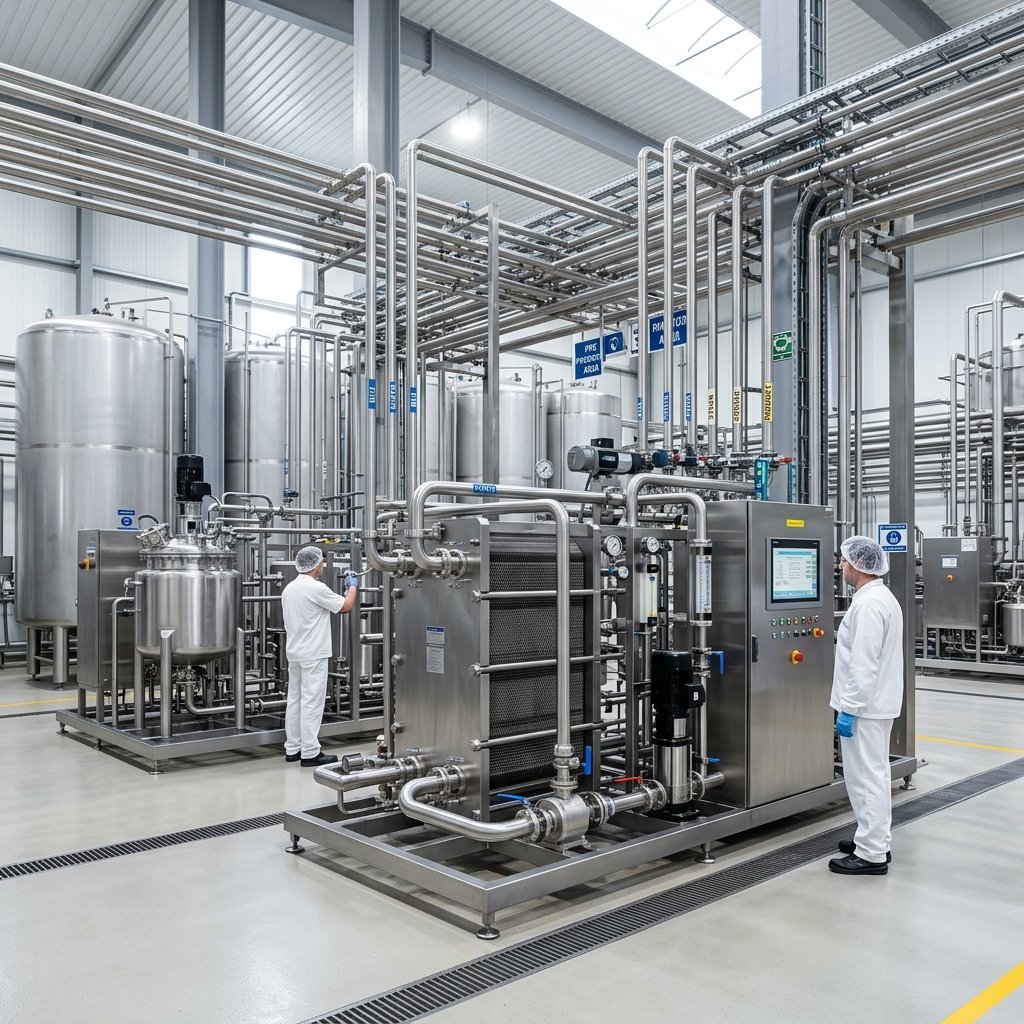
Heating zone consistency is the third pillar. IR heating arrays on the pet bottle blowing machine are tuned in independent zones rather than one blanket setting, letting the preform reach uniform temperature even with thicker oil bottle preforms.
A high performance bottle blowing machine for this category also needs specialized cooling channels rated for food grade resin, because cooling rate affects crystallinity, and crystallinity affects how well the bottle resists the acidity in vinegar over a 12-to-18 month shelf life.
BenefitsofUsingPETBottleMachinesforOil,Vinegar&KetchupPackaging
Barrier protection is the headline benefit. A well engineered oil bottle machine produces containers that keep oxygen out and product freshness in, which directly extends shelf life for all three product categories. For oil specifically, oxygen exposure is what drives rancidity, so the barrier performance of the container is doing real chemistry, not just holding the product in place.
PET is lighter than glass or HDPE alternatives at comparable strength, cutting shipping weight and material cost for plastic oil bottles without compromising structural performance.
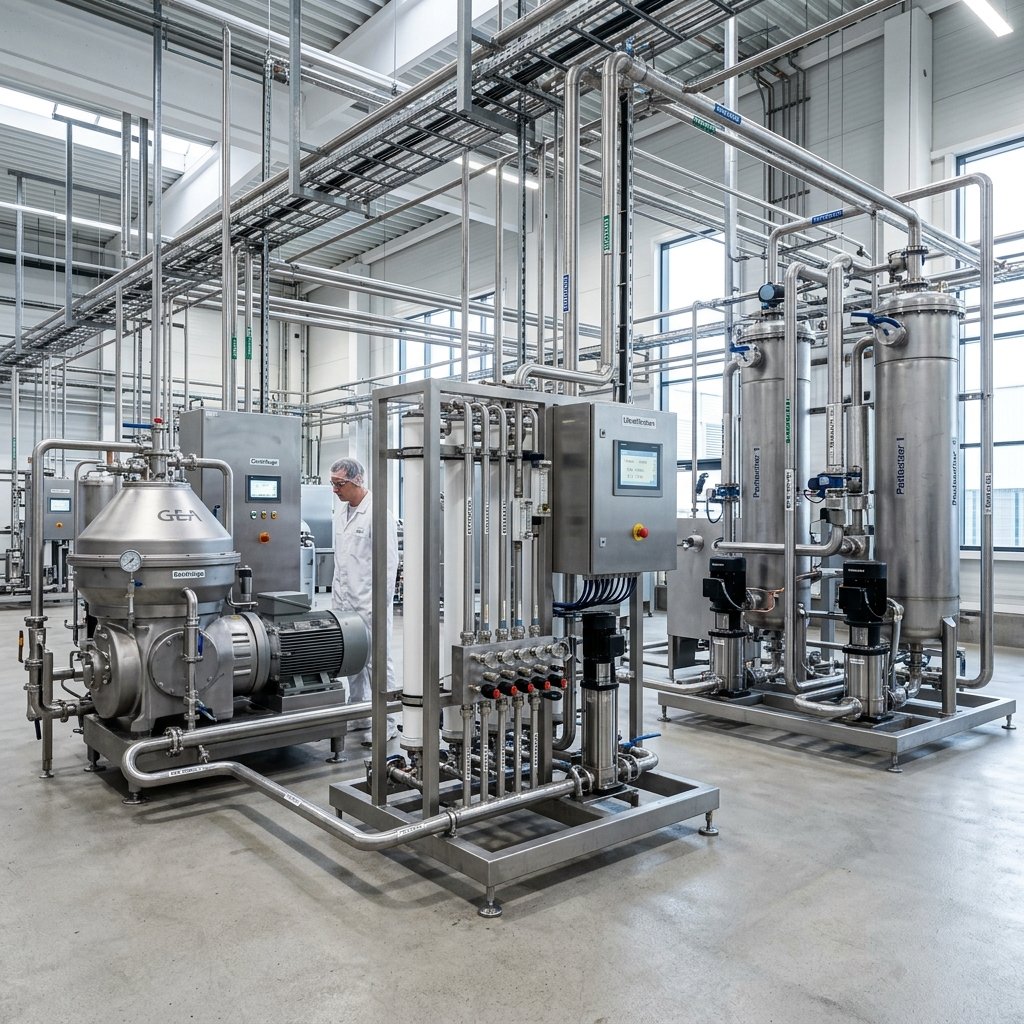
Energy efficiency is where the mold design pays for itself. Seppa's energy optimized mold management reduces cycle to cycle heat loss, which lowers per bottle energy cost on a pet bottle blowing machine running continuous shifts. Combine lower energy draw with reduced material waste from consistent wall distribution, and the ROI case for an oil bottle machine upgrade tends to write itself within the first production quarter.
ApplicationsofPETBottlesinFoodPackagingIndustries
Similarly, the same bottle blowing machine will have to be versatile with the formats of bottles being produced. Large edible oil bottles, which are typically 1-5 liter bottles with handle attached to them, require thick walls where the handle attaches due to the stress of weight and lifting by one hand on these heavy bottles. This is an engineering issue, not cosmetic, and has to be considered in the mold design process.
Ketchup Packaging
With ketchup packaging, it is the exact opposite situation. The requirement is for thinner walls that allow deformation...
Vinegar Containers
Vinegar containers sit somewhere in between, usually narrower necked and built for repeated pour and-reseal cycles, wher...
WhyChooseSeppaSolutionsforPETBottleMachines?
Food processing manufacturers don't choose equipment vendors on price alone, not for packaging that touches edible product directly. They choose based on whether the machine holds tolerance at hour eight of a shift the same way it did at hour one. That's the standard Seppa engineers to.
Our structural engineering background, built across years of bottle blowing machine deployments for beverage and food contact applications, means we're not learning oil and vinegar packaging requirements on a client's production floor. We've already solved the wall thickness problems for handle integrated oil containers and the squeeze panel calibration for ketchup bottles before a new client's first order ships.
Uptime is the other half of the equation. An oil bottle machine that's down for unplanned maintenance costs a food manufacturer real production days. Seppa builds its oil bottle machine lines for high uptime, with accessible service points and mold designs that don't require excessive downtime for routine maintenance.
MethodologyofthePETBottleBlowingProcess
Preform conditioning
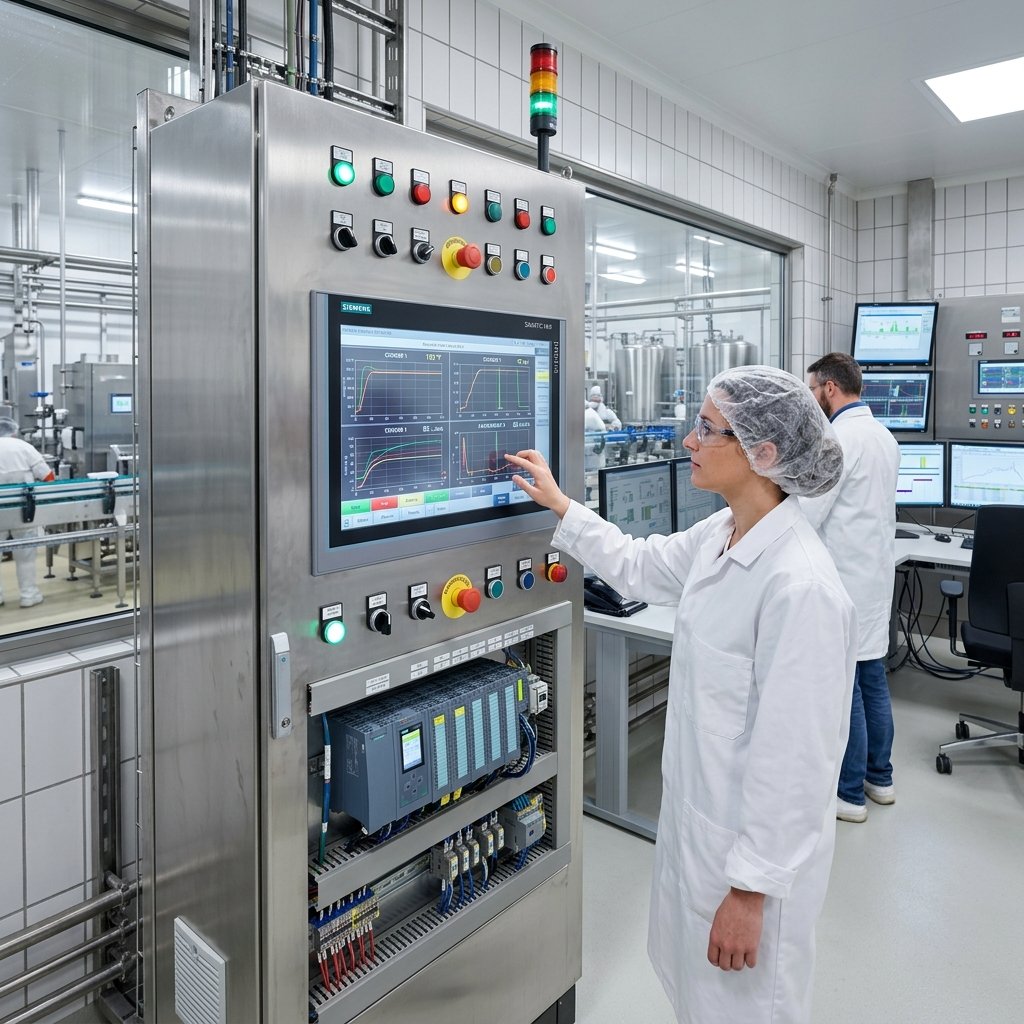
The process starts with preform conditioning. Food grade preforms are pre heated under controlled IR exposure, calibrated specifically for the wall profile the final container needs, whether that's a thick walled oil container or a thin walled ketchup squeeze bottle.
Mold cycle
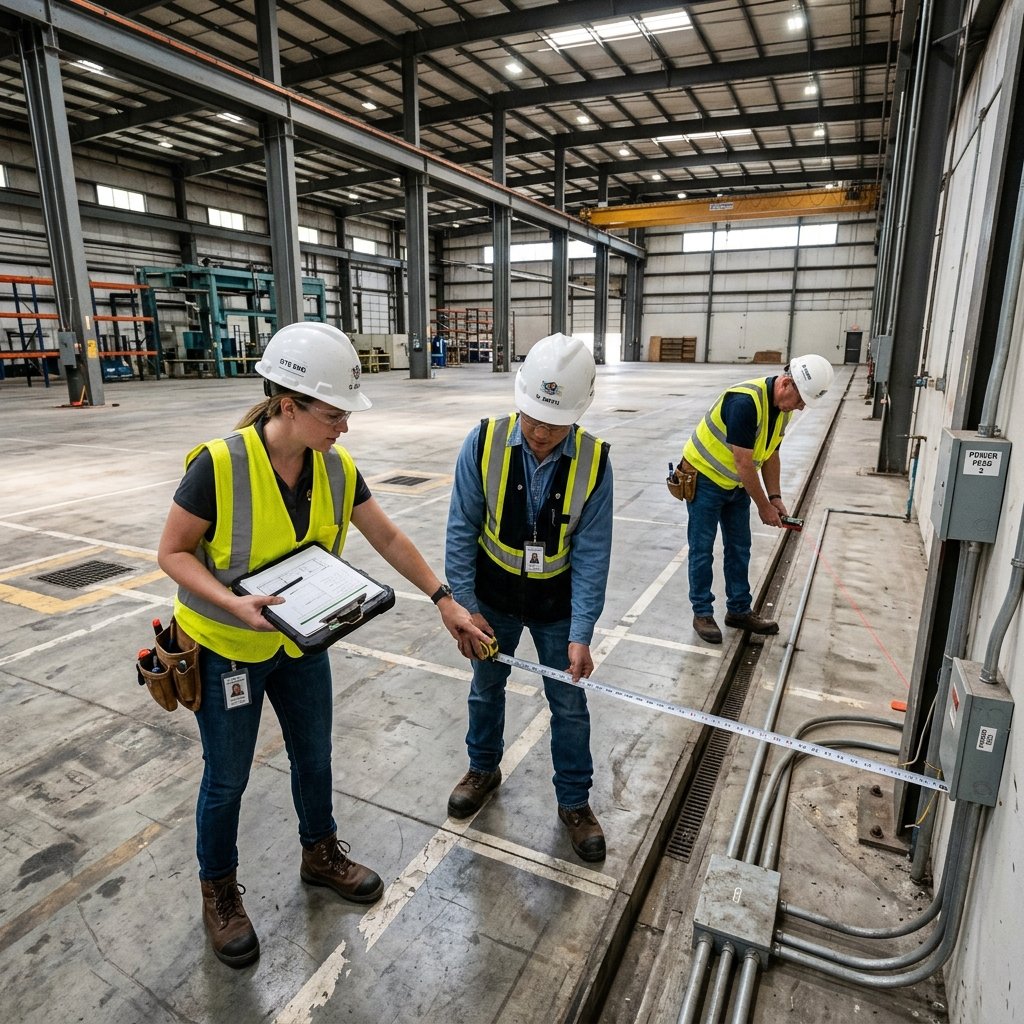
From there the conditioned preform moves into the mold cycle. This is where the bottle blowing machine does its real work: high pressure air stretches the preform against the mold cavity, forming the final shape of plastic oil bottles in a fraction of a second.
Pressure staging
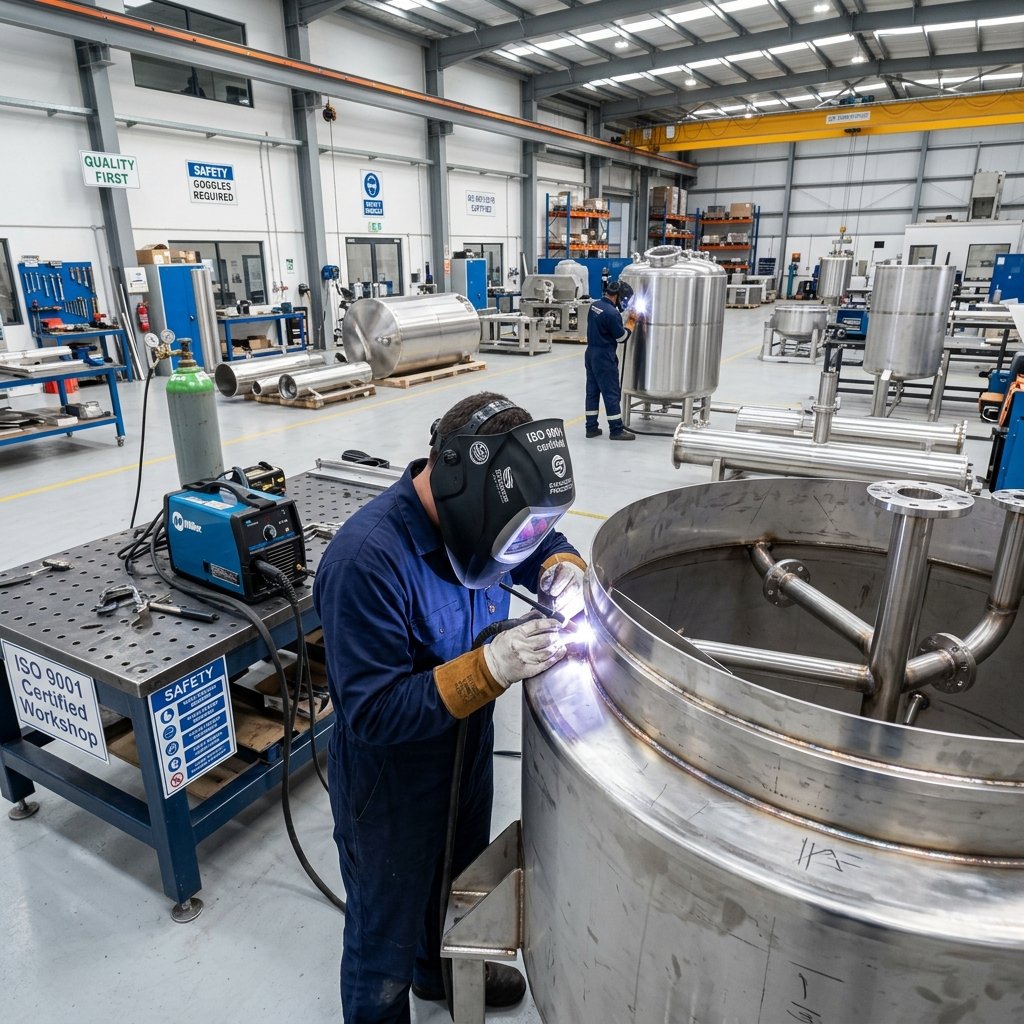
Pressure staging matters here, a single pressure spike applied too early can blow out thin spots before the material has stretched evenly.
Precision cooling
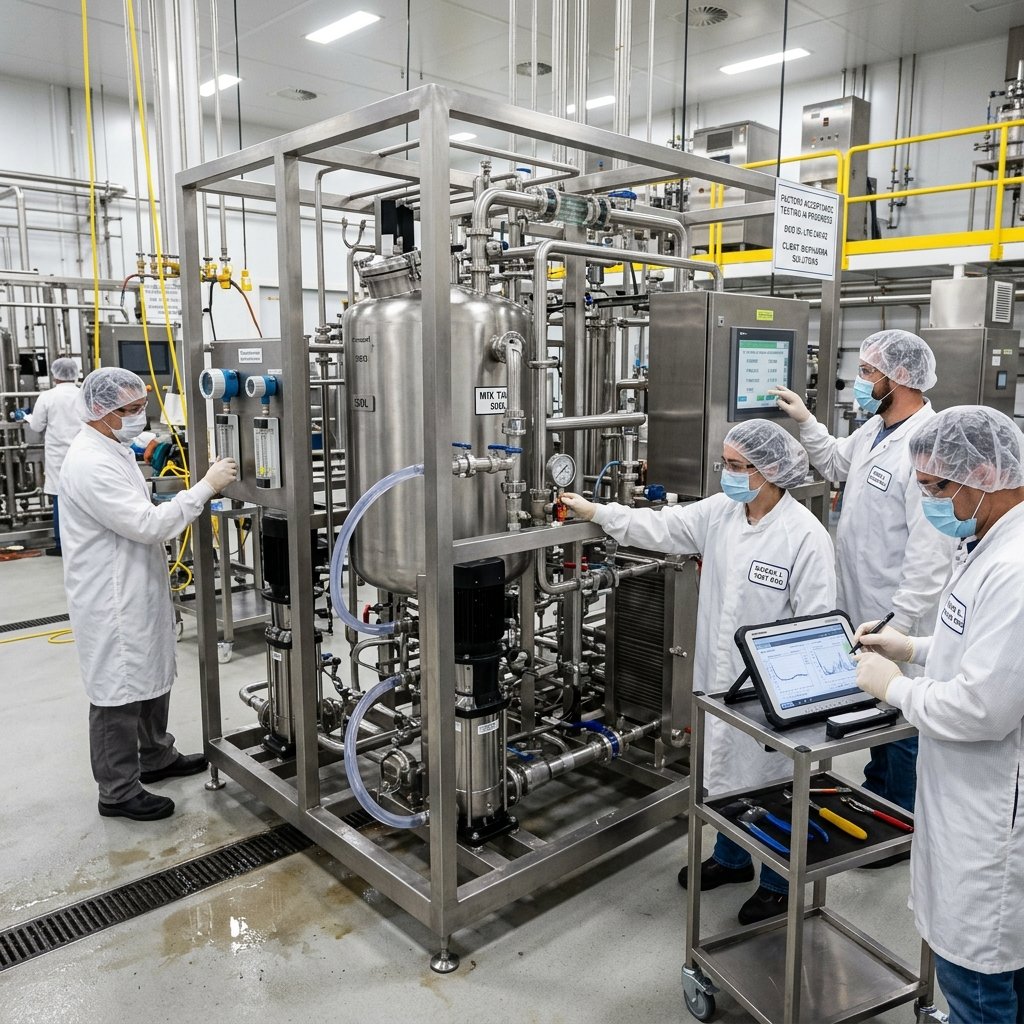
High pressure shaping is followed immediately by precision cooling. The bottle has to hold its dimensions while still warm enough to be ejected without deforming, and the cooling channels in the mold need to pull heat fast enough to lock in dimensional accuracy without overcooling and stressing the material.
FrequentlyAskedQuestions
EmpoweringIndustryLeadersWorldwide















CollaboratingwiththeBestintheIndustry



Awards&Achievements
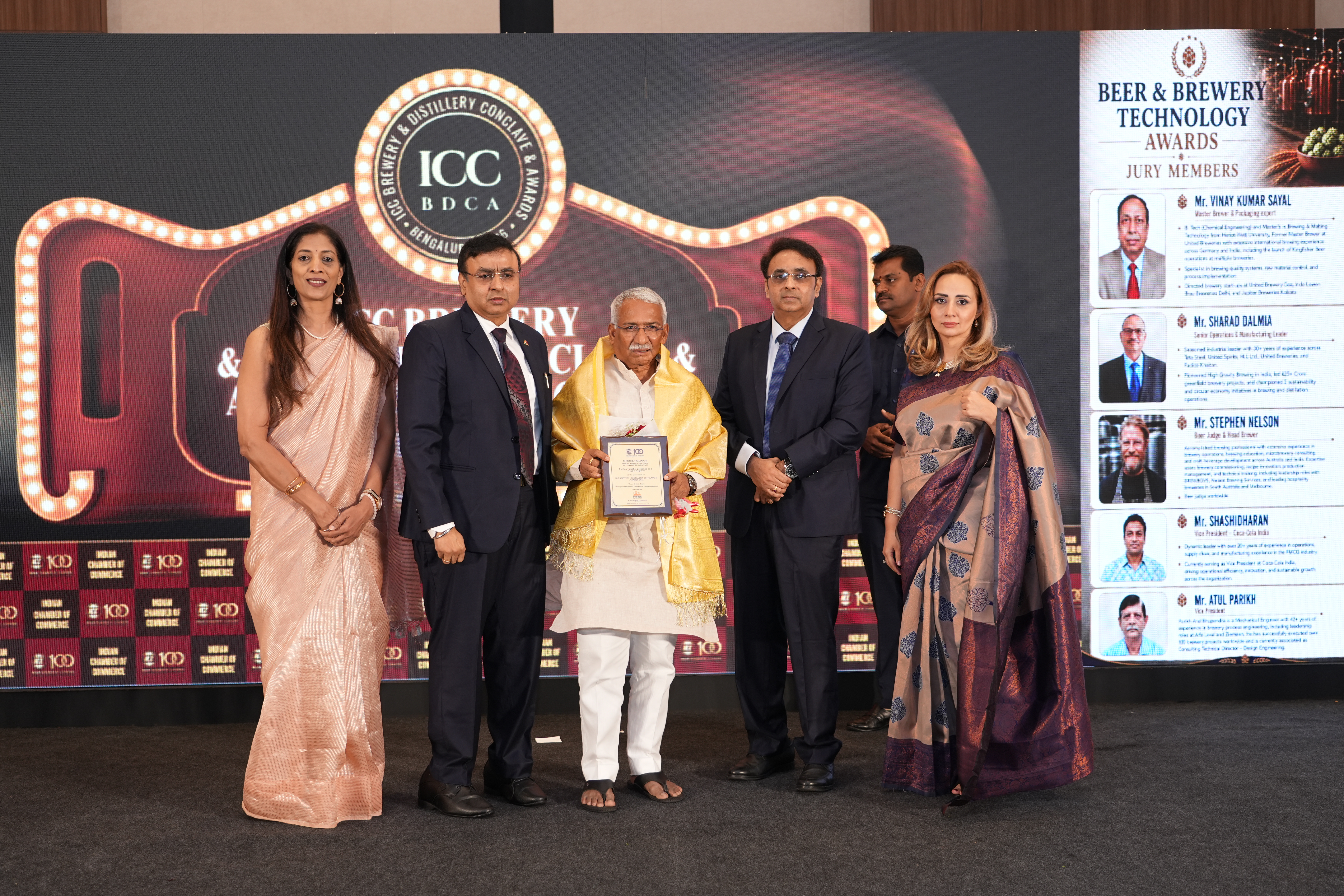
Our relentless pursuit of excellence and innovation has been recognized globally. We take pride in the milestones we've achieved on our journey to transforming the industry.




Let's Discuss Your Packaging Needs
Reach out to our experts to find the perfect packaging solutions tailored for your business. We are here to help you succeed.
Call Us:
+91 93848 06105
Email Us:
info@seppasolutions.com
Location:
No. 7, Parivakkam Road , Chennai - 600 056, Tamilnadu, India.
Request a Quote
Informingyouwithindustryfocusedupdates