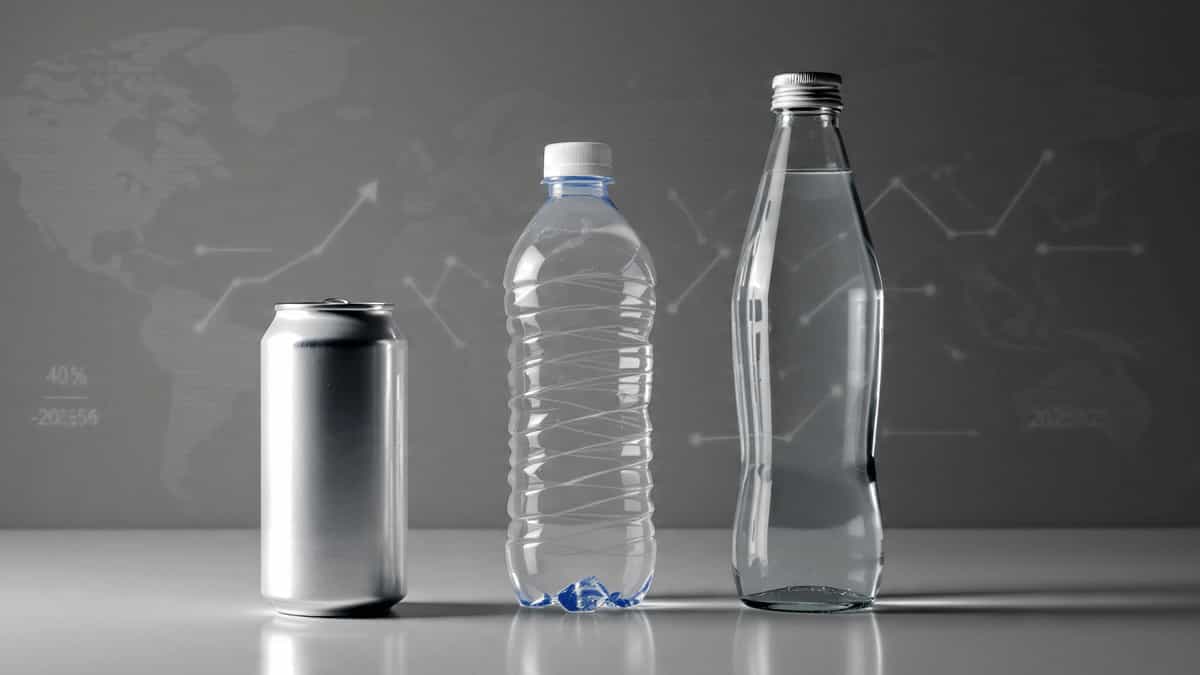
Mineral Water & Soft Drink PET Bottle Machine
OverviewoftheMineralWater&SoftDrinkPETBottleMachine
Walk onto any bottling floor running 12,000+ bottles an hour and you'll notice something: the machine doing the heavy lifting isn't the filler, it's the blower. A soft drink bottling machine has to take a 20 gram preform and turn it into a container that can hold 4 volumes of CO2 pressure without bulging, leaking, or popping its base thousands of times an hour, shift after shift.
Seppa Solutions builds these systems for the dual demands of mineral water and carbonated soft drink production. A mineral water machine prioritizes light weighting and clarity; a soda bottling machine prioritizes rigidity under internal pressure. Most plants don't want two separate lines for two jobs, so we engineer a single soft drink bottling machine platform that handles both swap the mold, adjust the pressure profile, and you're producing a different container category within the same shift.
SKU counts have multiplied, private label water brands have exploded, and plastic bottle manufacturing budgets are tighter even as quality expectations climb. A water bottling machine built for only one job is a liability on a modern floor, which is why our mineral water bottle machine platforms are designed for fast configuration changes from the start.
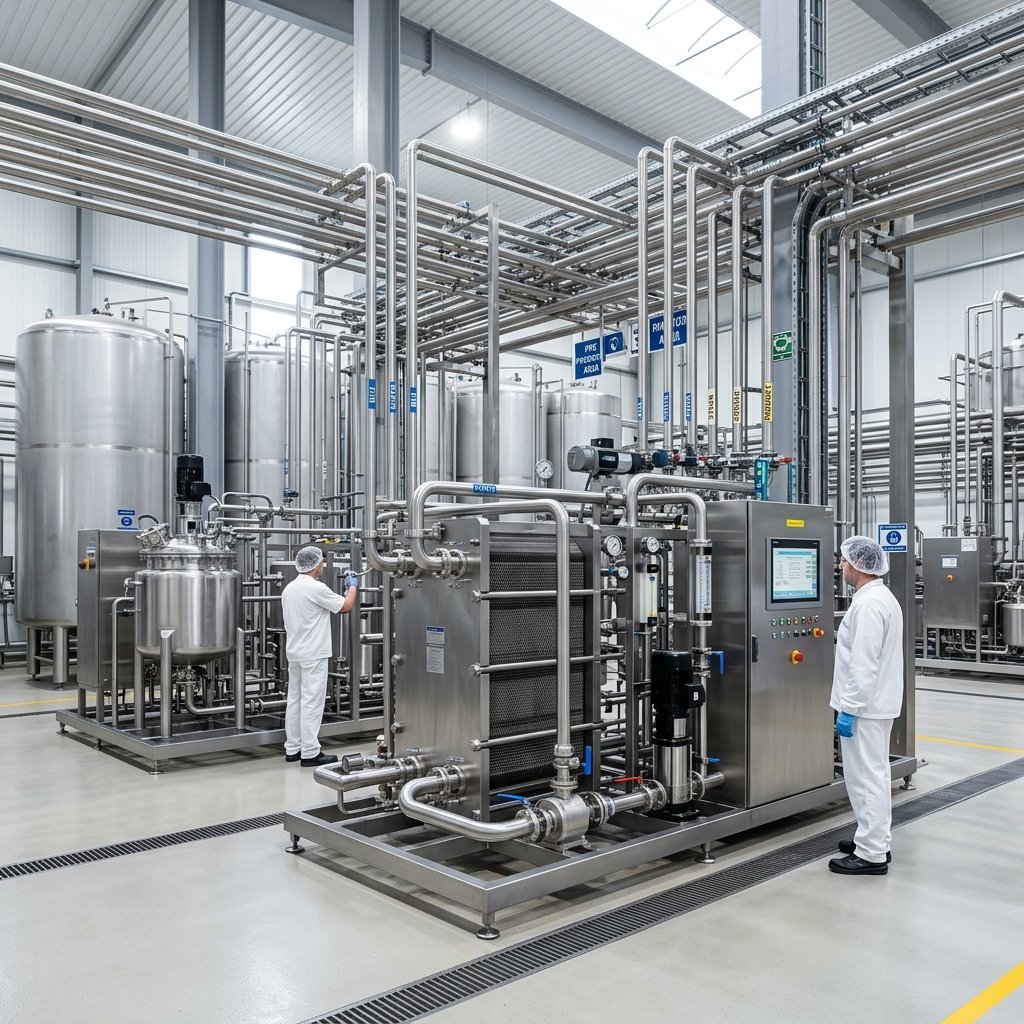
FeaturesoftheMineralWater&SoftDrinkPETBottleMachine
•IR Heating Tunnel and Preform Conditioning: Everything downstream depends on getting the preform wall temperature right before it reaches the mold. Our IR heating tunnels use individually zoned lamp banks typically 6 to 8 zones depending on preform weight so the operator can dial in a temperature gradient matching the resin grade and bottle geometry. Run the tunnel too hot near the gate and you get thin spots that fail under carbonation pressure. Run it too cool and the material won't stretch evenly, leaving thick, brittle zones that waste resin. Getting this right is the difference between a soft drink bottling machine running at 99% yield and one that's constantly rejecting bottles.
•Carbonation Base Geometry: Petaloid and Champagne Designs: Carbonated products need a base that can absorb internal pressure without rocking or collapsing. We mold petaloid bases with 4 or 5 petal feet for standard CSD applications, and reinforced champagne (dome) bases for higher pressure SKUs. The mold cooling channels around the base run independently from body cavity cooling, since the base crystallizes differently and needs its own thermal profile to set before ejection.
•PLC Controlled Pressure Profiling: Every cycle on a mineral water bottle machine runs through a pre blow stage (typically 8–12 bar) followed by a high blow stage (28–40 bar depending on bottle size and wall thickness target). Our PLC system lets operators store and recall pressure recipes per SKU, so changeovers don't require re tuning from scratch. A soda bottling machine and a still water line genuinely diverge here carbonated containers need a sharper, faster high blow ramp to lock in base strength before the material relaxes.
•Mold Cooling and Cycle Synchronization: High output water bottling machine lines live or die on cycle synchronization. Mold open/close timing, blow pin extension, and ejection all have to land within milliseconds of each other across multiple cavities. We use servo driven cavity timing rather than purely mechanical linkages, cutting cycle variance and letting the line hold tighter tolerances as cavity count scales up.
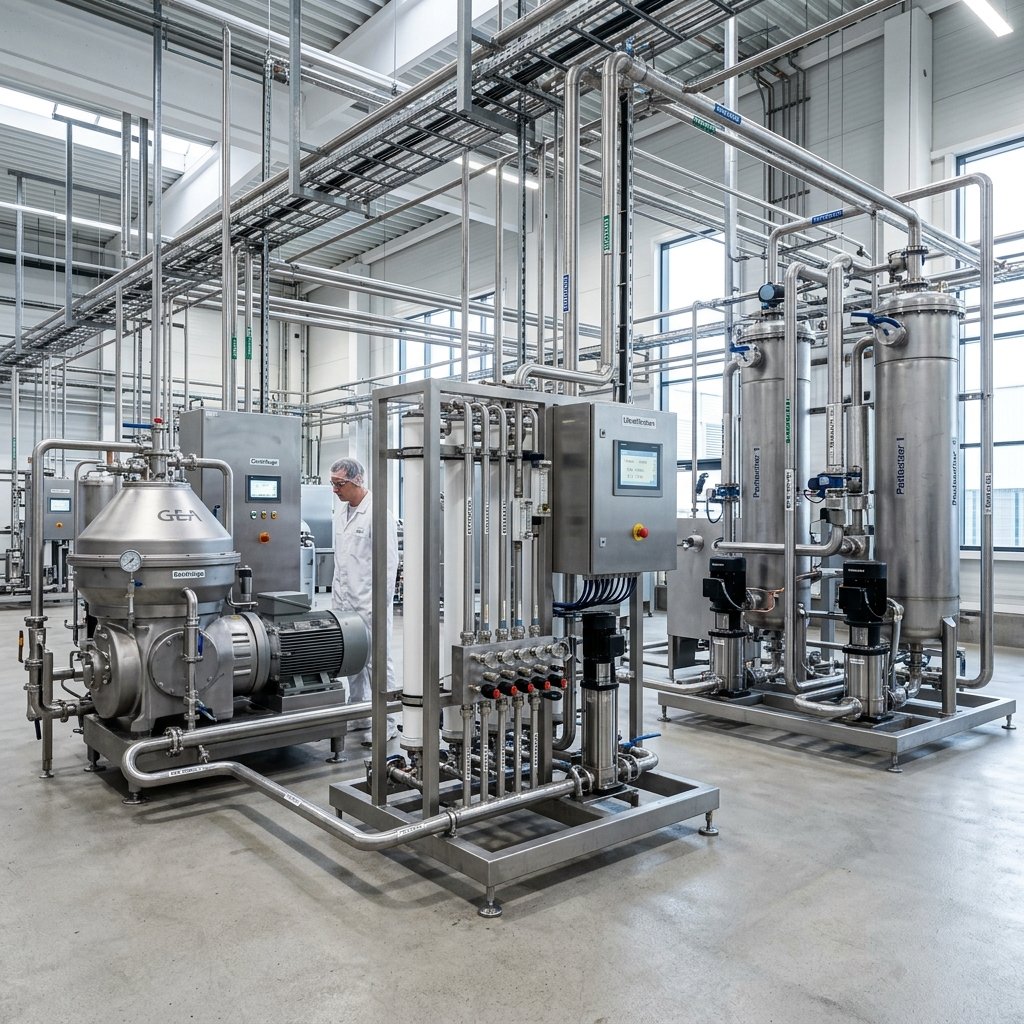
BenefitsoftheAutomaticPETBottleBlowingMachine
Precision thickness control. Servo controlled stretch rod timing and zoned IR heating combine to hold wall thickness variance within tight tolerances, which is exactly what carbonated products need to resist bulging over their shelf life.
Minimized resin wastage. Accurate thermal profiling means fewer rejected preforms and less material pulled too thin in non critical zones every gram saved across a high volume run adds up fast in plastic bottle manufacturing economics.
Reduced energy consumption per unit. Zoned IR lamps only heat what's needed, when it's needed, instead of blasting the whole preform uniformly. Combined with optimized compressor staging for the pre blow/high blow air supply, this cuts the energy cost per bottle meaningfully over a full production shift.
Higher uptime. Servo driven cavity synchronization and PLC stored pressure recipes mean faster changeovers and fewer unplanned stops, which is ultimately why a soft drink bottling machine earns its keep on a tight production schedule.
ApplicationsoftheMineralWater&SoftDrinkPETBottleMachine
A single soft drink bottling machine platform from Seppa typically covers several product categories on the same floor:
Lightweight Still Water Bottles
Lightweight still water bottles (200ml–1.5L) on a mineral water machine configuration, minimizing resin grams per bottle...
Carbonated Soft Drinks
Carbonated soft drinks in 300ml–2L formats, shaped through a soda bottling machine setup with reinforced petaloid bases...
Flavoured & Isotonic Beverages
Flavoured and isotonic beverages needing mid range wall thickness and good clarity, balancing the lightweighting goals o...
Returnable Containers
Returnable/heavier wall containers for institutional water bottling machine applications, where durability across multip...
WhyChooseSeppaSolutionsforPETBottleMachines
Beverage producers don't choose a soft drink bottling machine vendor based on a spec sheet alone they choose based on whether the machine still runs the way it should after two years of three shift operation. That track record is what we've built our reputation on.
Our engineering team spends real time calibrating heating curves to the specific resin grade and bottle geometry each client runs, rather than shipping a generic preset and calling it done. We've built mineral water bottle machine systems for plants producing everything from budget still water SKUs to premium glass look PET formats, and soda bottling machine configurations engineered specifically around high pressure carbonated retention.
When a client needs a single line that flexes between a mineral water machine and full carbonated production without a capital heavy second purchase, that's the exact problem our platform was designed to solve. It's also why so many plastic bottle manufacturing operations come back to us when they're scaling capacity rather than starting from scratch with an unfamiliar vendor.
WorkingMethodologyofthePETBottleManufacturingMachine
Preform loading & IR thermal conditioning
Preforms feed from a hopper through an orientation system ensuring consistent gate-up positioning before entering the heating tunnel. Zoned lamps bring the preform body to its target stretch temperature (roughly 95–105°C for standard PET) while keeping the neck finish cool and dimensionally stable.
Mold transfer
A rotary or linear transfer mechanism moves the conditioned preform into the blow mold cavity with minimal heat loss.
Stretch blow process
The core of the soft drink bottling machine cycle: a stretch rod extends mechanically to pre orient the material axially, while pre blow air orients it radially, setting the biaxial molecular orientation that gives PET its strength and barrier properties.
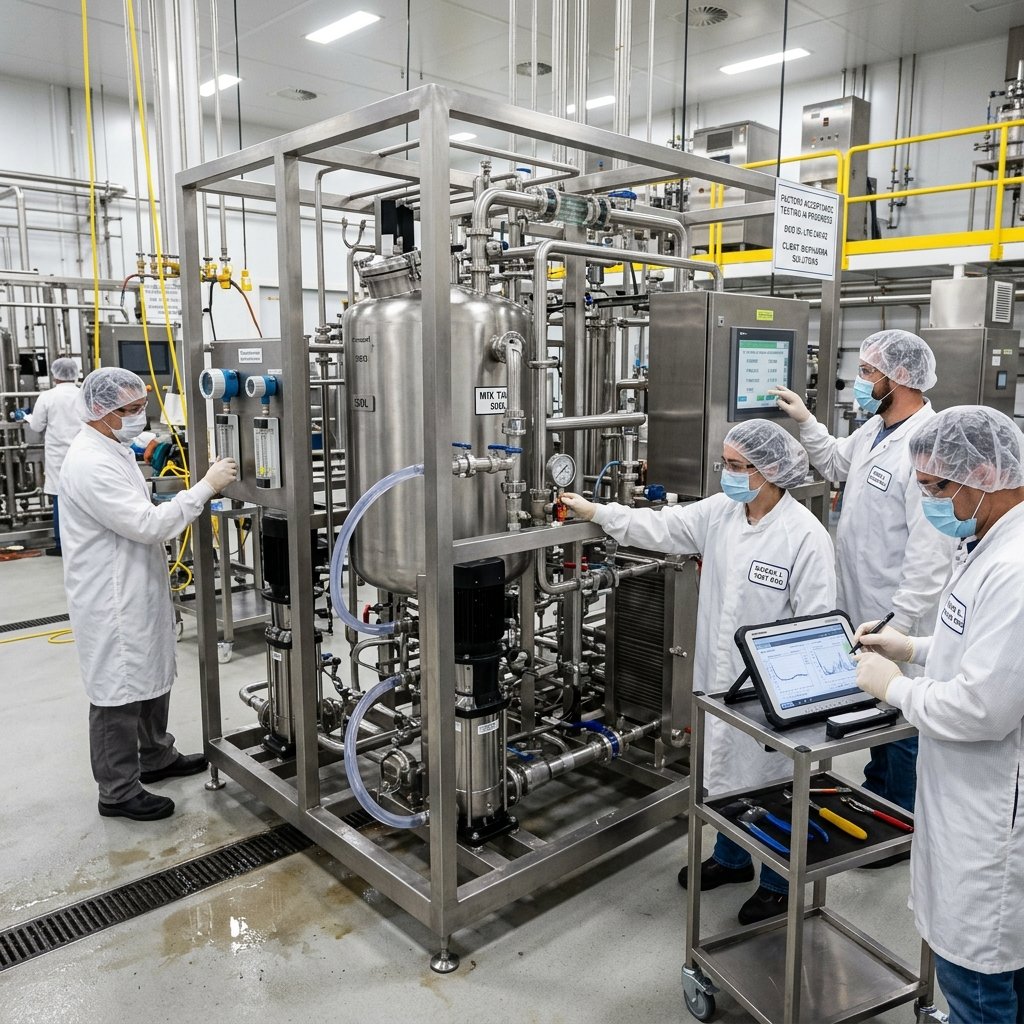
High pressure shaping & Container ejection
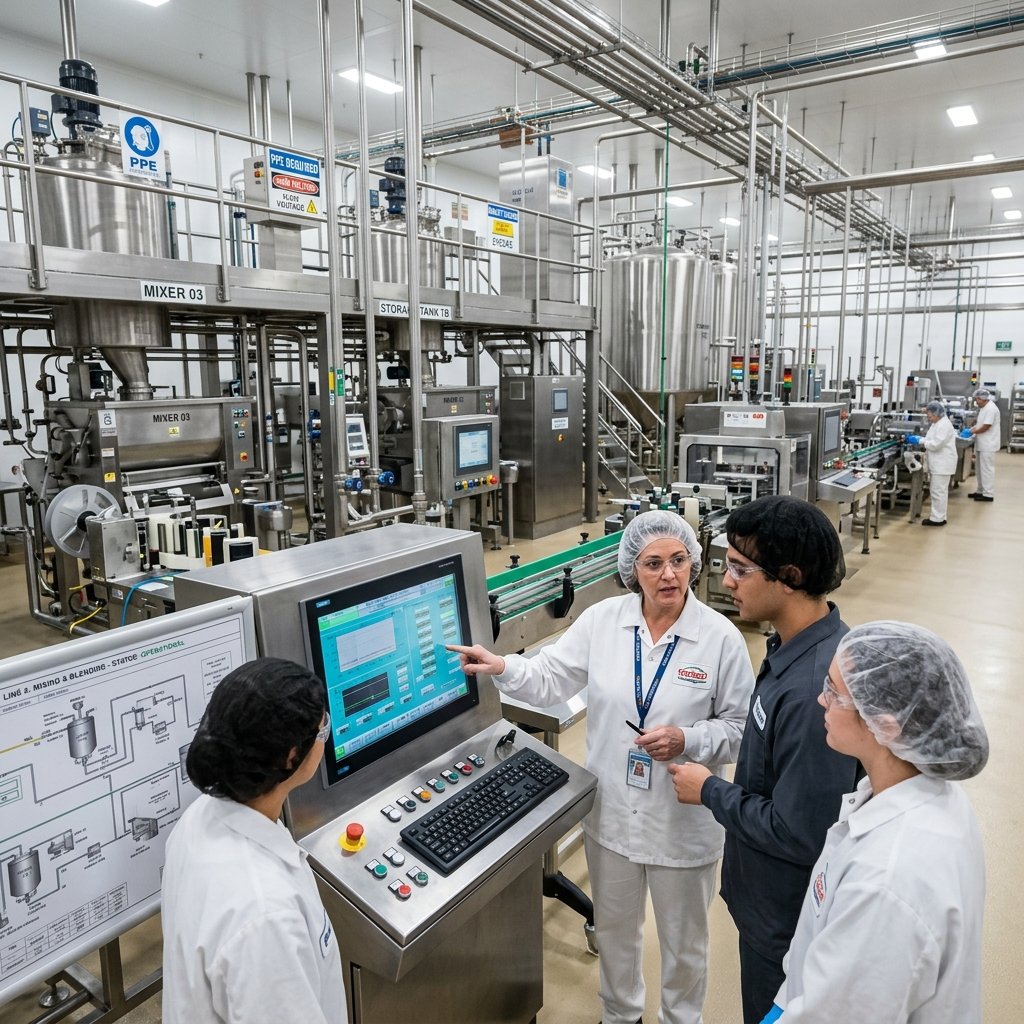
High blow air (28–40 bar) forces the material into final contact with the mold wall, capturing fine detail in the base petals and label panel while cooling channels pull heat out fast enough to hold cycle time. Mold opens, blow-pin retracts, and the finished bottle ejects onto a conveyor for inspection and downstream filling.
FrequentlyAskedQuestions
EmpoweringIndustryLeadersWorldwide













CollaboratingwiththeBestintheIndustry


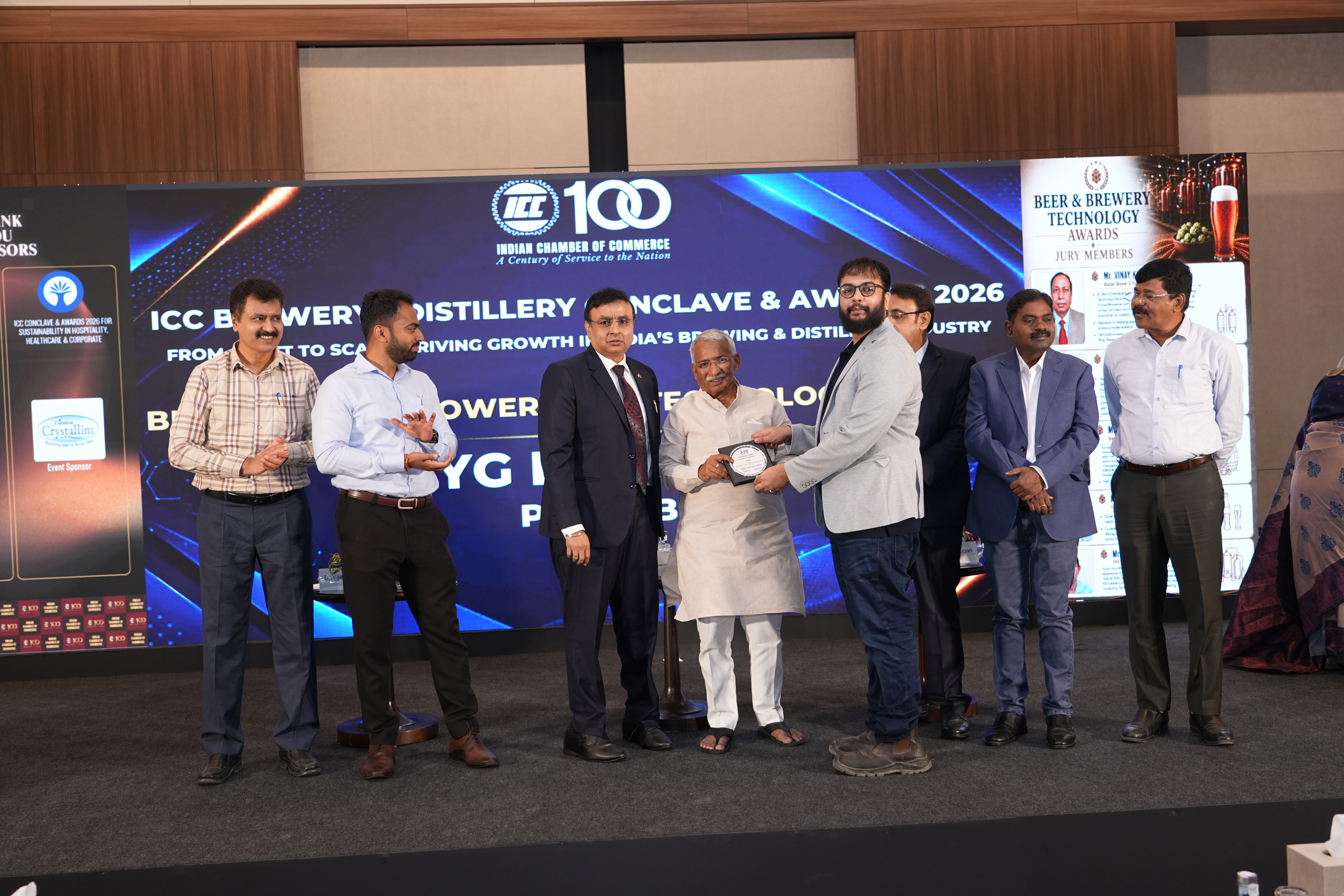
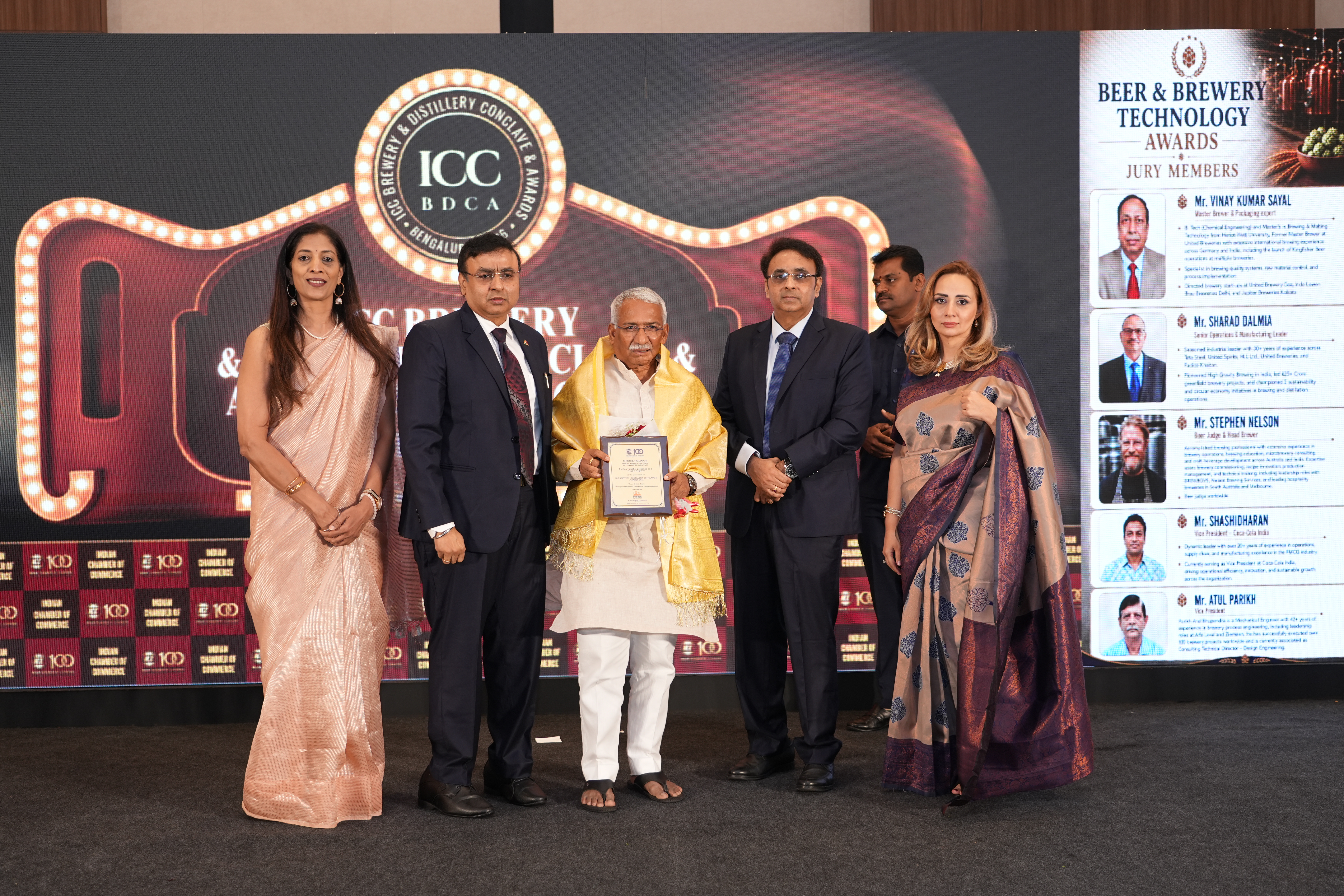
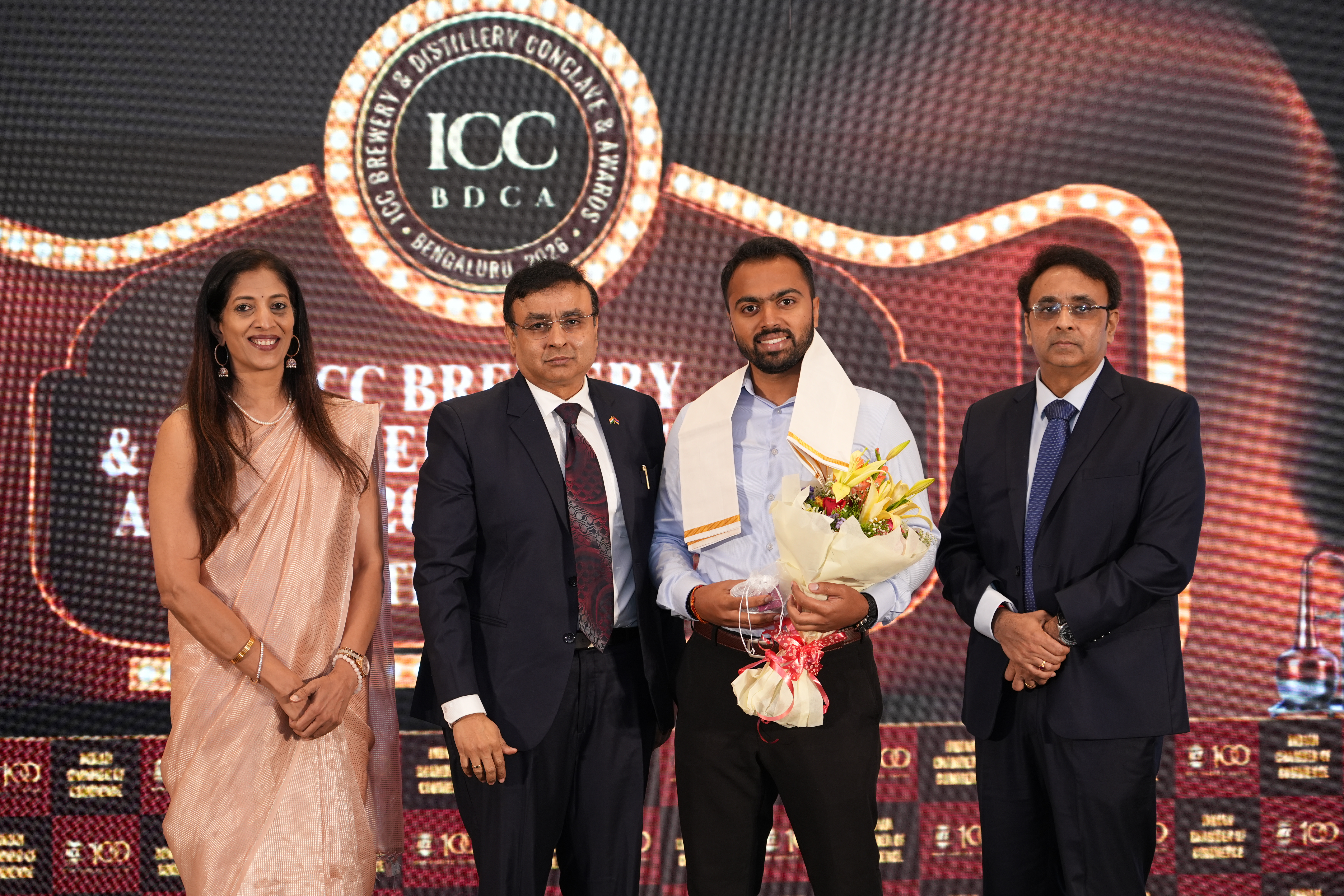
Awards&Achievements
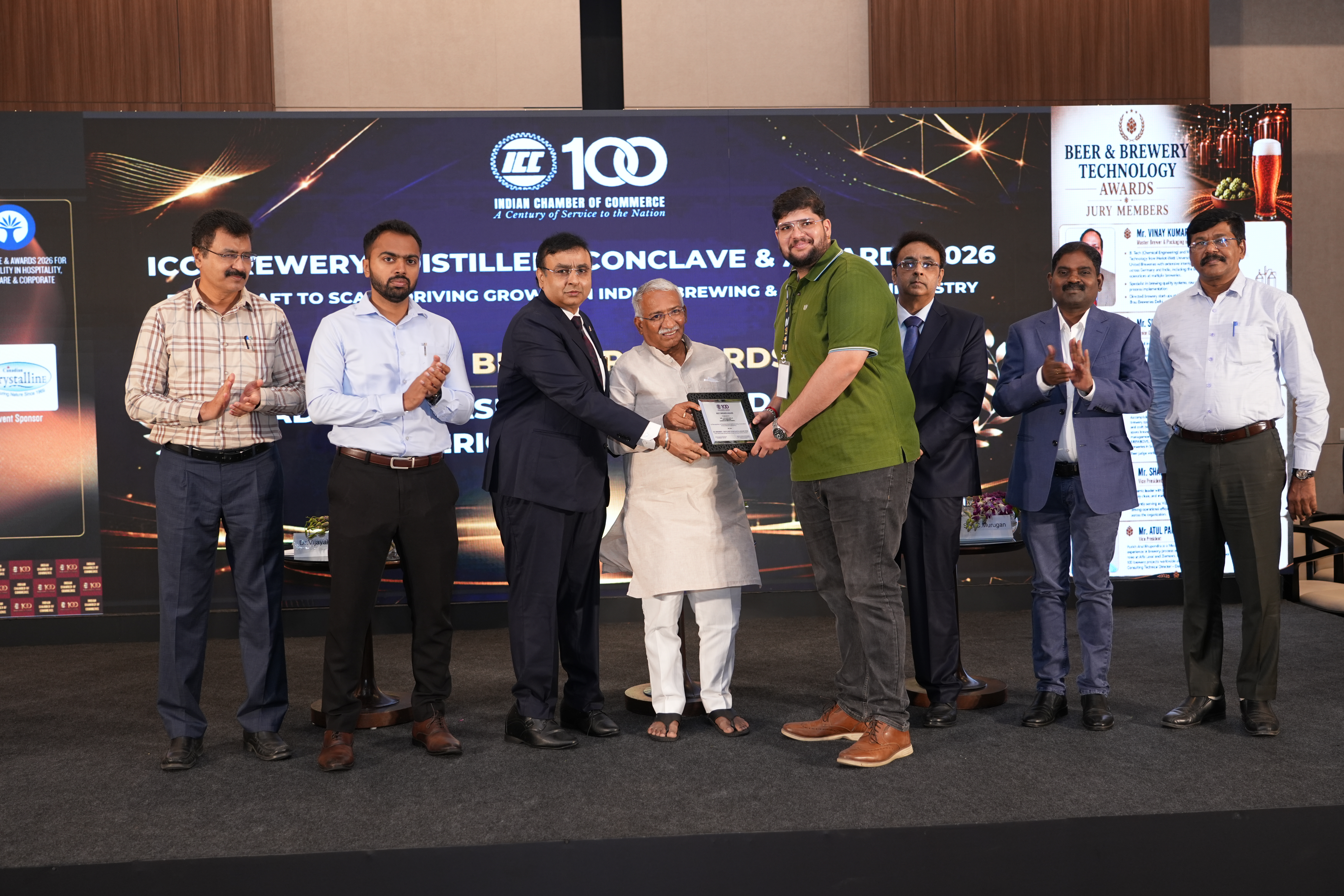
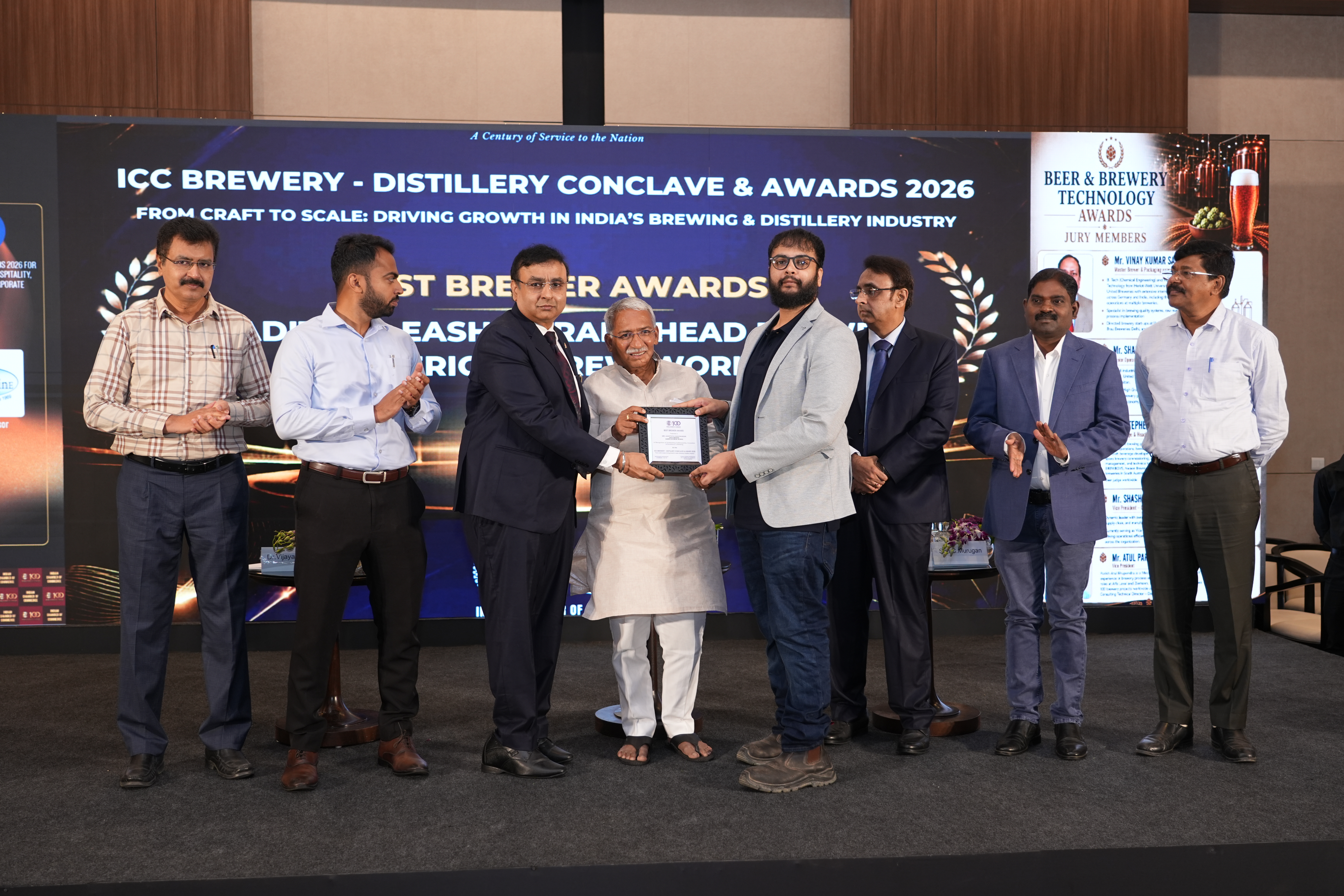
Our relentless pursuit of excellence and innovation has been recognized globally. We take pride in the milestones we've achieved on our journey to transforming the industry.
Let's Discuss Your Packaging Needs
Reach out to our experts to find the perfect packaging solutions tailored for your business. We are here to help you succeed.
Call Us:
+91 93848 06105
Email Us:
info@seppasolutions.com
Location:
No. 7, Parivakkam Road , Chennai - 600 056, Tamilnadu, India.
Request a Quote
Informingyouwithindustryfocusedupdates