Buying beverage equipment is nothing like buying office chairs or delivery vans. Get it wrong and you're not just out the purchase price you're looking at downtime, scrapped batches, and a plant floor nobody quite trusts anymore. I've seen directors of plants approve of a "good deal" and then spend two years trying to get over corrosion problems and securing spare parts from an unheard of supplier.
Here you will find the differences between a good equipment manufacturing company and a seemingly good company that fails in practice; namely the standards of the materials used, the types of materials required by a modern plant, the criteria for selecting a manufacturer, and some questions to be asked before anything else.
How to Evaluate Beverage Equipment Quality, Efficiency, and Reliability
Not all machinery in this category is built the same, even when two units look identical in a brochure. Differences show up six months in, once coatings wear off and welds get tested by daily wash down cycles.
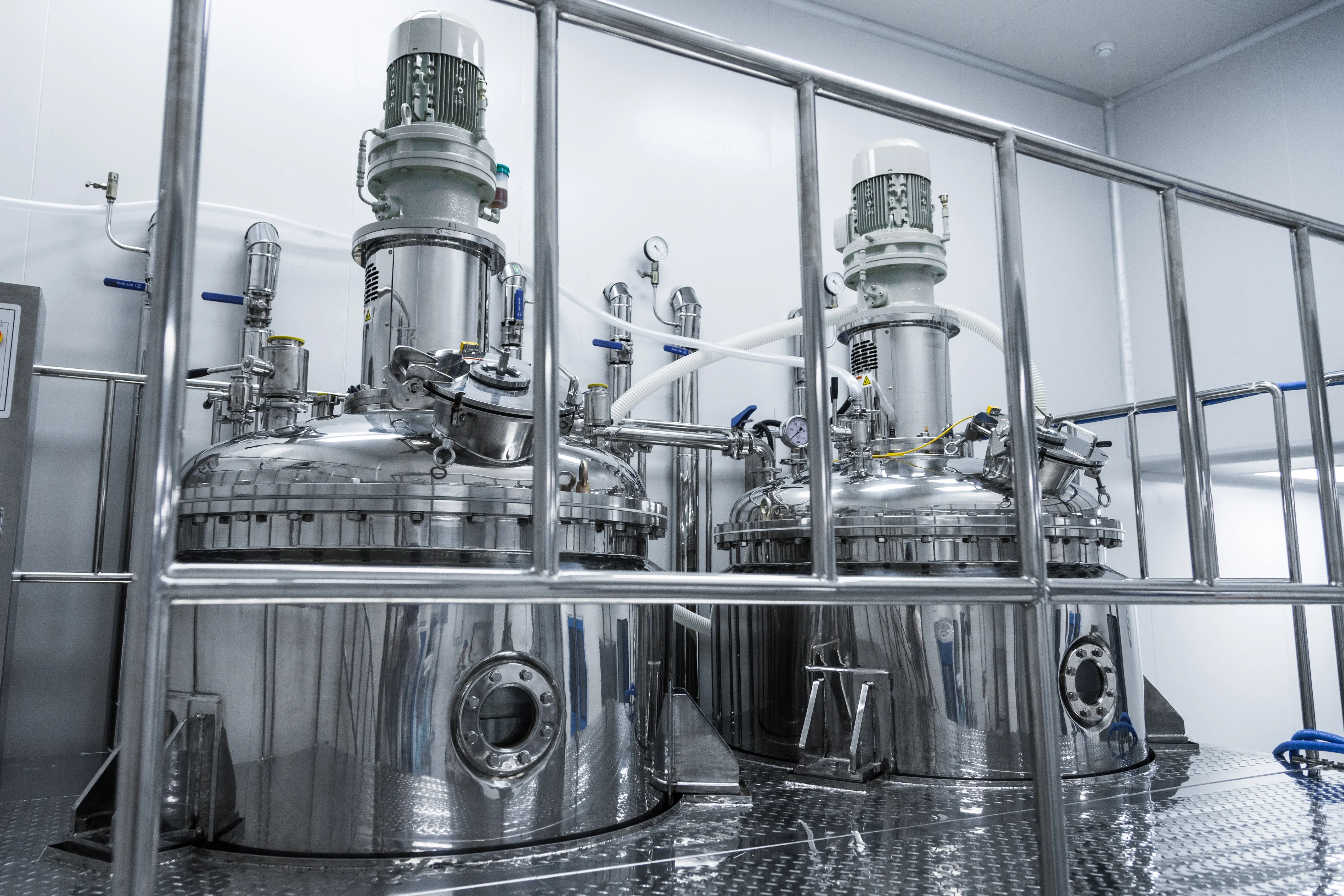
Start with the metal. Everything coming into contact with the product must be made of SS316 or SS316L stainless steel, with the "L" standing for low carbon, because this stainless steel does not suffer pitting by the chloride present in heavy duty cleaning products. SS304 is less expensive and may appear in the cheaper quotes, but it will corrode more easily in the presence of salt or acid.
The quality of the welding is equally important. The sanitary welding needs to be continuous and smooth, without any pinholes where bacteria could lurk. Demand weld inspection certificates, not just assurances. Then there's factory acceptance testing, or FAT running equipment under near production conditions before it ships. A proper FAT catches misaligned conveyors and faulty sensors while they're still cheap to fix. If a vendor skips it, ask why.
Reliability comes down to how often a machine fails and how fast a fault gets diagnosed. Beverage processing equipment running three shifts a day needs to be built for continuous duty, not occasional use. Ask suppliers for real uptime data, not marketing copy.
Essential Beverage Equipment for Different Production Requirements
Every plant sources a different mix of food and beverage equipment depending on product type, output volume, and packaging format. Most facilities still draw from a handful of core categories.
Raw Fluid Treatment and Processing
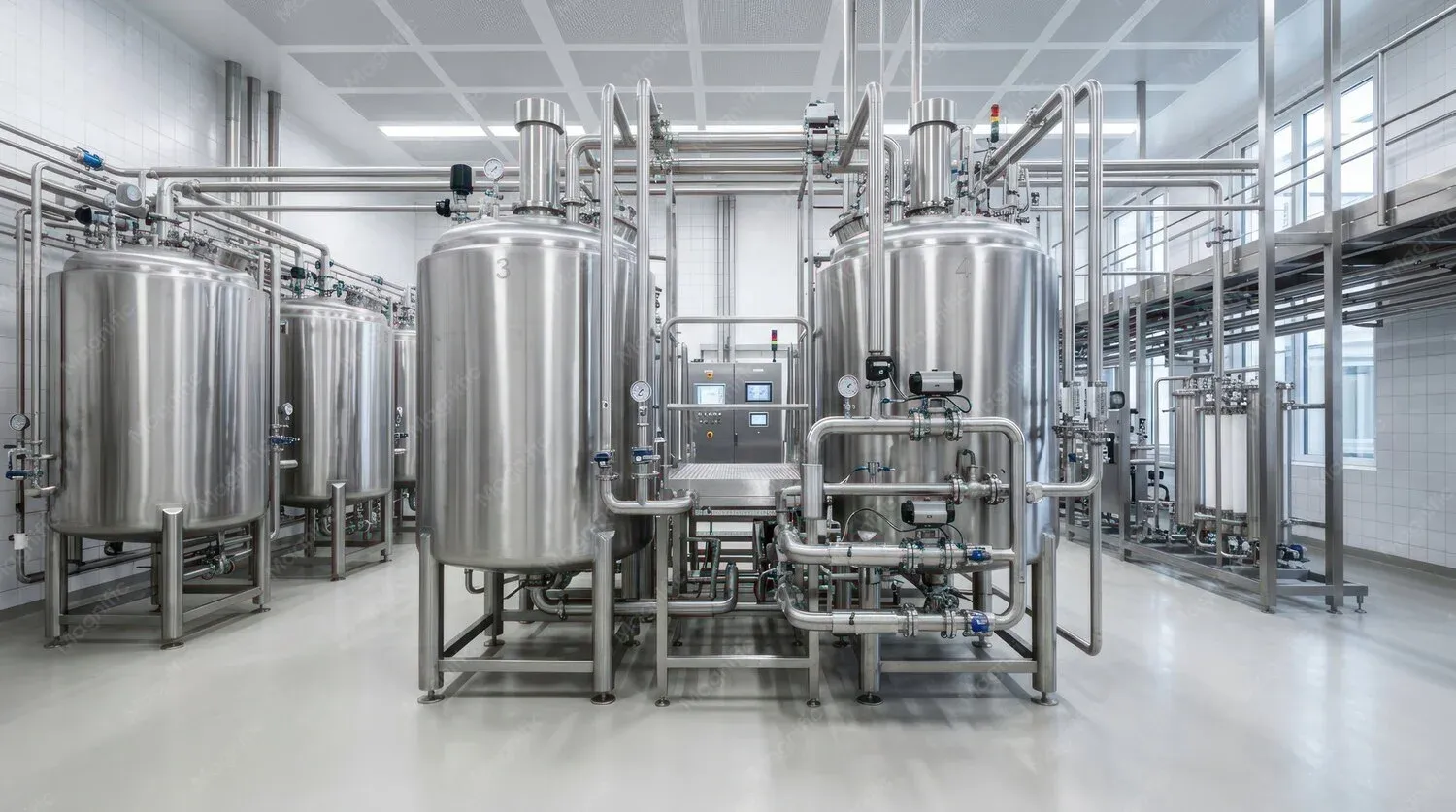
Before any container can be filled, the product must go through some processing. This is where the beverage processing equipment comes in. These include the mixing tanks, carbonators, blending systems, and CIP systems that ensure hygiene between batches. Carbonated soft drinks and sparkling water require accurate CO2 dosing just as the formulation does.
Pasteurization and Thermal Treatment
Juice, dairy, and many RTD beverages need heat treatment to hit shelf stability and safety targets without cooking away flavour. Beverage pasteurization equipment tunnel pasteurizers, flash pasteurizers, and HTST systems has to hold tight temperature tolerances across the whole batch, not just at the sensor point. A poorly calibrated unit either under treats product, a safety risk, or over treats it, which hurts quality.
Filling and Capping
This is usually where buyers spend the most time comparing options, and for good reason. A beverage filling machine sets your line speed, and line speed sets your daily output ceiling. Rotary fillers handle higher volumes; linear systems suit smaller runs. Beverage filling equipment also needs to match your container format, since glass, PET, cans, and pouches all demand different filling heads.
Bottle Handling, Blow Molding, and Packaging
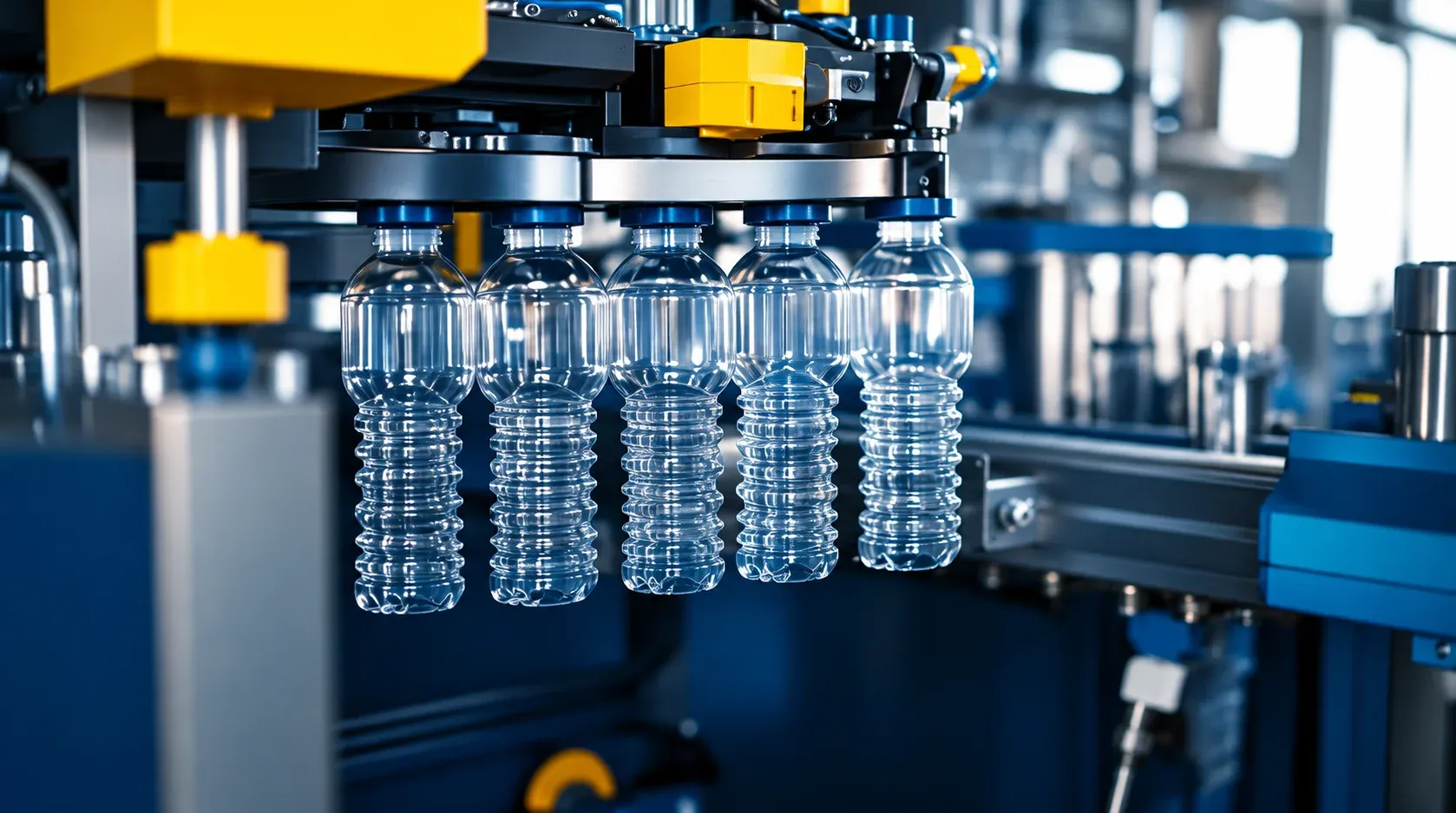
For PET bottle producers, blow molding machines convert preforms into finished bottles on site, cutting freight costs and giving more control over bottle weight. Downstream, you'll need unscramblers, labellers, coders, palletizers, and stretch wrappers all part of the broader food and beverage equipment lineup, even though none touch the liquid itself.
Cooling and Utility Systems
Chillers are responsible for maintaining the required temperatures for pasteurizers, fillers, and CIP systems. One of the biggest mistakes that is often made with regard to chillers is under sizing them, which will become apparent during the hot summer months when cooling becomes more difficult.
How to Choose the Right Beverage Equipment Manufacturer
The machine matters, but the company behind it matters just as much over a decade long equipment life.
Start with engineering credentials. How long has the manufacturer built this specific type of machinery, versus a broader catalogue of unrelated equipment? A supplier with deep filling system experience understands fill head timing and viscosity in ways a generalist won't. The same goes for beverage pasteurization equipment thermal engineering is its own specialty.
Request for a portfolio of projects, with all possible references that you can call. If all your references are "unavailable," it is important information as well. Make sure the factories have all the necessary certifications, such as ISO 9001, CE mark for the European market, and certification for food contact materials wherever applicable.
Finally, ask about support. Where are spare parts stocked? What's the lead time on a critical component? Do they have technicians who can travel to your site, or is it video calls and hope? This one question eliminates more bad suppliers than any spec comparison.
Low Cost Suppliers vs Certified Manufacturers: A Side by Side Look
| Parameter | Low Cost Unverified Suppliers | Certified Enterprise Grade Manufacturers |
|---|---|---|
| Material Quality & Sanitary Compliance | Often SS304 or mixed grade steel; welds rarely documented | SS316/SS316L standard on product contact parts, with documented weld inspection reports |
| After Sales Support & Spare Parts | Parts sourced ad hoc, long lead times, thin documentation | Dedicated spare parts inventory, defined lead times, trained technicians |
| Machine Reliability & Lifespan | Frequent breakdowns within 2–3 years; not rated for continuous duty | Built for multi shift operation; typical lifespan of 10–15+ years with proper maintenance |
| Customization & Turnkey Integration | Limited to standard catalogue configurations | Custom engineered to match viscosity, container format, and layout, with turnkey support |
Key Factors to Consider Before Buying Beverage Equipment
A few practical questions decide whether the investment pays off or becomes a headache.
Utilities. Confirm power, compressed air demand, and water consumption before equipment arrives. A machine needing three phase power your plant doesn't have is a costly surprise.
Floor space. Get accurate footprint drawings, including clearance for maintenance and future expansion.
Scalability. Will this beverage filling machine still make sense if you double output in three years? Ask suppliers how it scales.
Total cost of ownership. Purchase price is only part of the equation. Under Specced beverage processing equipment tends to need more maintenance sooner, so factor in energy use, service intervals, and spare parts costs over a decade. A cheap machine that breaks down twice a year often costs more than a pricier one that doesn't.
Automation and Smart Technology in Beverage Production Equipment
Modern production lines increasingly run on PLC systems that manage fill volumes and CIP cycle timing, cutting manual intervention. Remote diagnostic telemetry lets manufacturers, and your own maintenance team, catch developing faults before they cause a full stoppage.
Automated sanitation loops are worth asking about too. They clean product contact surfaces on a schedule without operators breaking equipment down by hand, lowering contamination risk and freeing up labour. For multi shift plants, this is close to table stakes now.
Custom vs Standard Beverage Equipment: Which Is Right for Your Plant?
Off the shelf units win on price and delivery speed. If your product is a standard viscosity liquid in a common bottle format, a catalogue beverage filling machine might do the job with no modifications.
Custom engineered equipment costs more and takes longer, but earns that back when your product doesn't fit standard parameters: high viscosity syrups, unusual bottle geometries, or a packaging format competitors aren't using. Custom lines also integrate more cleanly with your actual layout instead of a generic footprint.
Most plants land somewhere in between: standard where it fits, custom where the product demands it.
Why Choose Seppa Solution for Beverage Production Equipment?
Seppa Solutions builds beverage processing and packaging machinery across the full production line rotary and linear PET blow molding, beverage filling equipment, capping, labelling, and cooling systems. The engineers have close interactions with the suppliers of CSD, juice, dairy, alcoholic beverages, and water and hence whatever designs that are developed will match the behaviour of the products in question.
What is most unique about them is their ability to customize without making every job a lengthy process. Rotary blow molders, blow fill cap monoblocs, and a chiller lineup covering air cooled, water cooled, and glycol based systems mean most plant requirements get met without stitching equipment together from five vendors.
Just as important, technical support doesn't stop at installation. Spare parts availability, operator training, and energy audits are part of the relationship, not an upsell.
Frequently Asked Questions About Beverage Equipment
1. How do I verify a supplier's material certifications?
Request mill test certificates for the stainless steel used in product contact parts. They confirm the actual alloy don't accept a verbal claim of "food grade steel."
2. What's a typical warranty term for industrial beverage equipment?
Generally, most reliable manufacturers provide warranties of 12 to 24 months for both parts and labour; however, warranties for pumps and programmable logic controllers (PLCs) tend to be shorter.
3. How is international shipping and installation usually handled?
The manufacturers who have been around for some time will handle the logistics and paper work, and after that will send engineers to install the equipment.
4. Will I have access to local technicians, or only remote support?
This varies by region. Ask directly what response time looks like for routine maintenance versus an emergency.
5. How should I structure a service level agreement (SLA)?
Response time, availability of spare parts, and escalation process should be defined with penalties for non compliance with the response times.