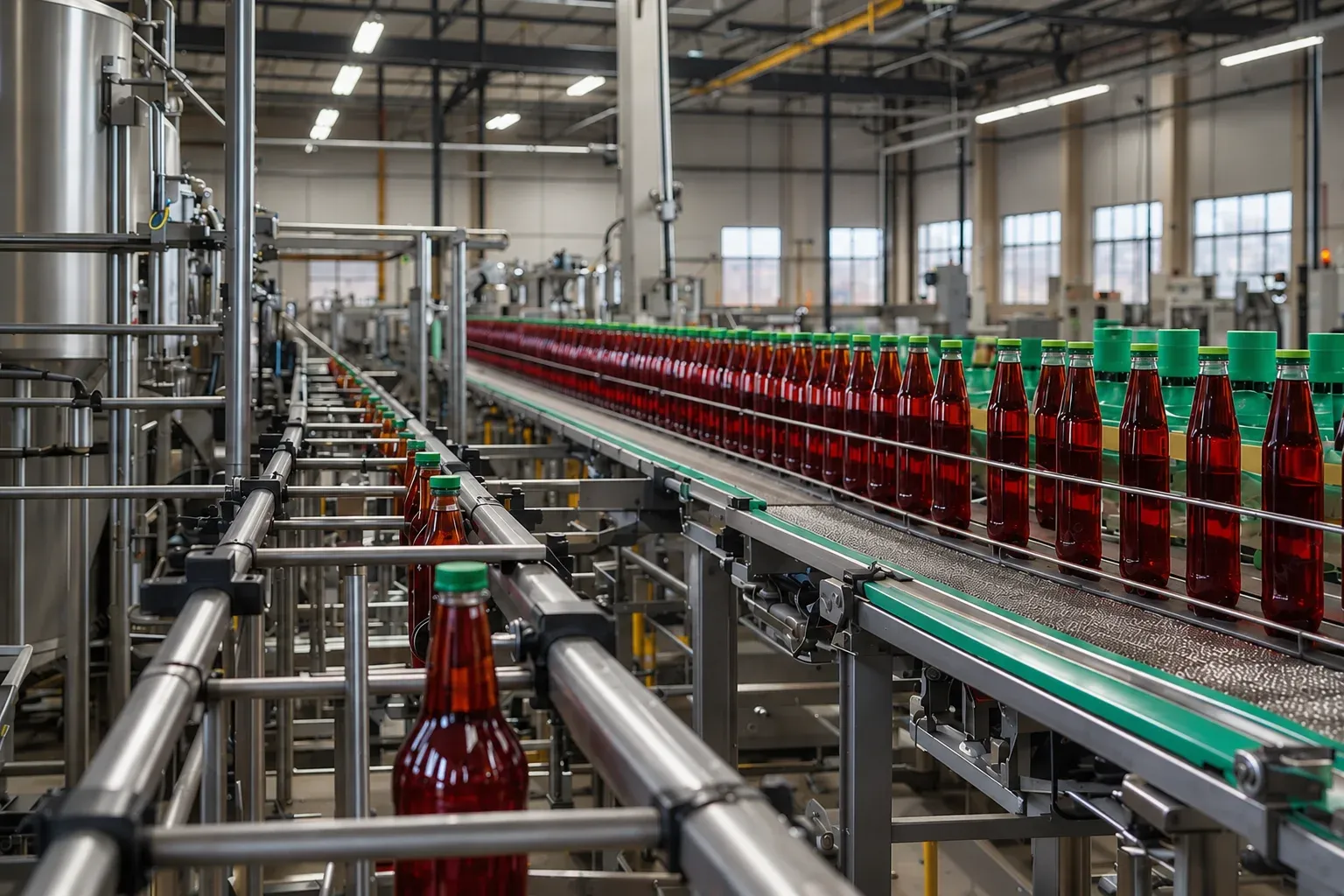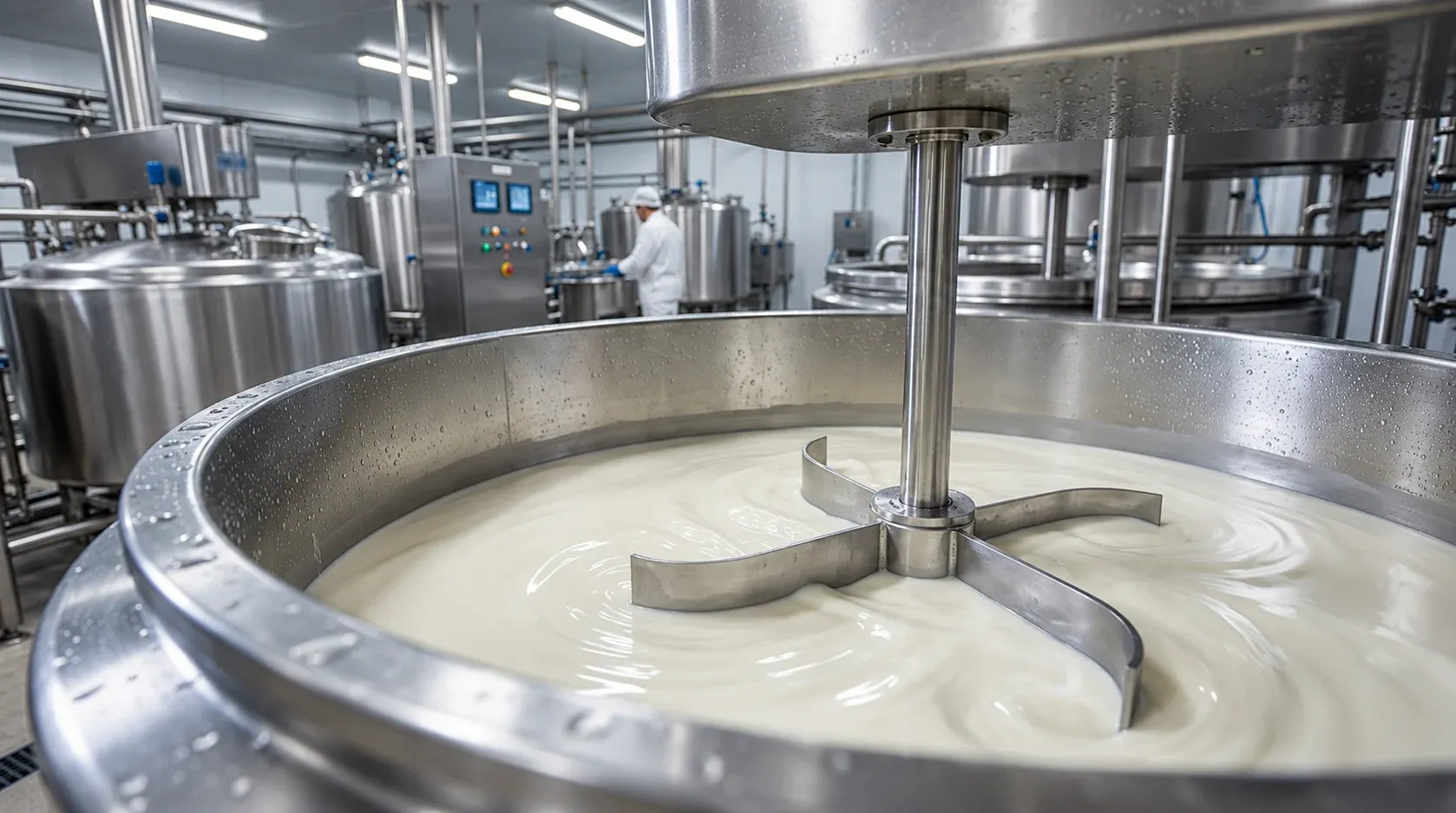
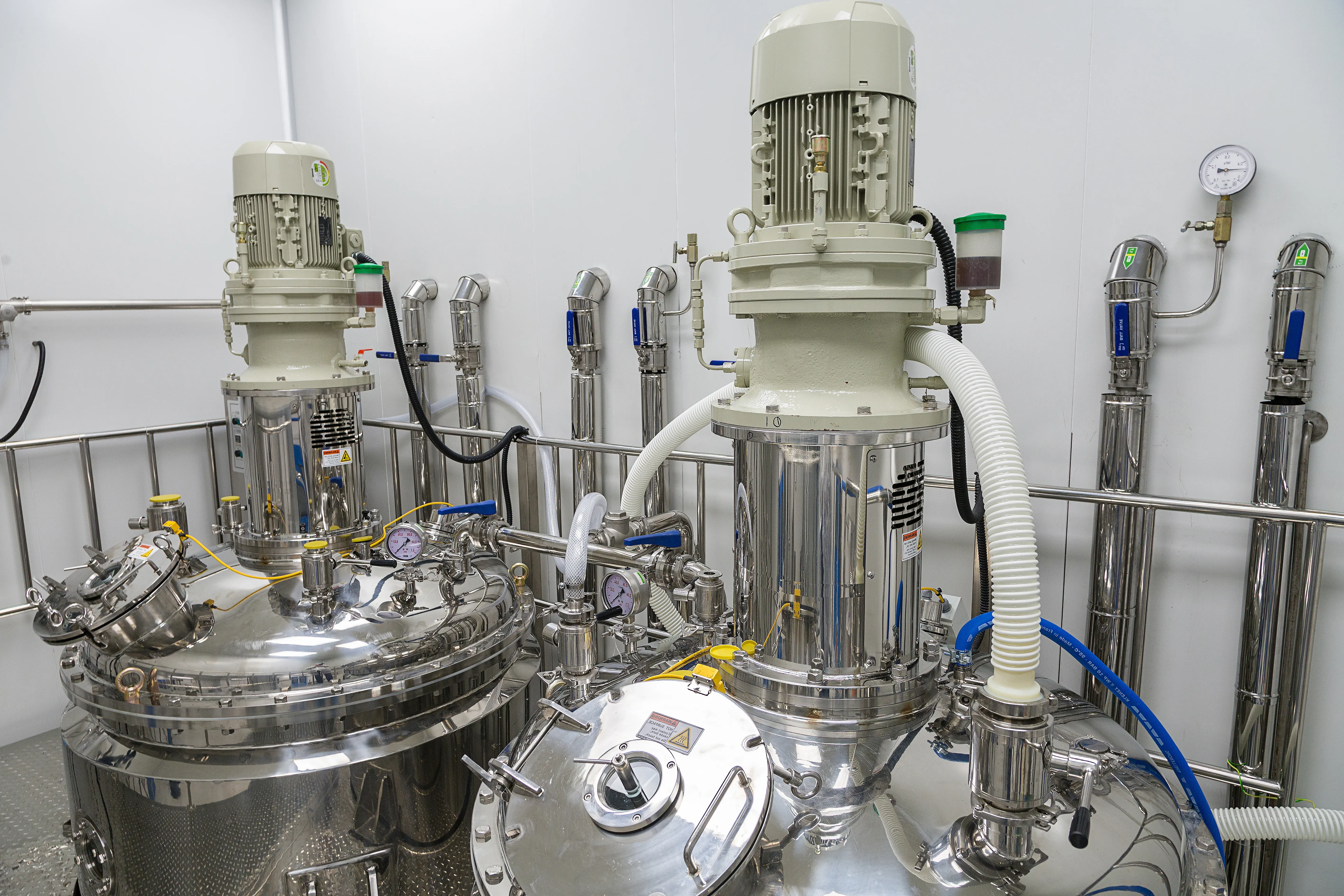
Walk onto any bottling floor and you can usually tell within thirty seconds whether you're looking at a hot fill line or a cold fill line. The steam, the vacuum panels on bottles waiting to be capped, the stainless steel wrapped around the filler it's a giveaway. That difference is just the surface of a deeper engineering call. Choosing between hot fill vs cold fill decides what your bottles look like, what your energy bill runs, and how much you spend before a single unit rolls off the line.
I've sat across the table from owners who assumed the two processes were interchangeable just "fill it warm or fill it cold." They're not. The choice between hot fill and cold fill affects resins used, sanitizer budgets, and speeds of the bottling process; choosing wrongly may imply having to change your beverage bottling machine after six months. This article will look at the differences between these two paths, and show you which one to choose.
Hot Fill vs Cold Fill: Understanding the Key Differences
At the core, hot fill vs cold fill comes down to how you kill microorganisms and stabilize the product. Hot filling heats the beverage to roughly 85-96°C before it touches the bottle, holds it there, then relies on residual heat and a hot cap seal to pasteurize the headspace and threads. It's a thermal method the heat does the work.
Cold fill keeps product near ambient or refrigerated temperature all the way through packaging. Sterility comes from elsewhere: aseptic processing upstream, isobaric counter pressure for carbonated drinks, or sanitized containers and closures. Nobody's asking the bottle to absorb 90°C liquid, so the packaging math changes completely.
Neither hot fill nor cold fill is "better" in some universal sense they suit different chemistries. A high acid juice with a pH under 4.6 is a comfortable hot fill candidate, since acidity already handles much of the safety work. A carbonated soft drink would go flat under thermal stress, so it needs the cold, pressurized route instead. Understanding hot fill vs cold fill starts with your product's chemistry, not the other way around.
How Hot Fill vs Cold Fill Changes Beverage Filling Equipment Requirements
Once you commit to a thermal path, your beverage filling equipment list writes itself. A proper hot filling machine isn't a filler with a heater bolted on. Thermal cycling requires food grade stainless steel capable of thermal cycling, expansion joints to accommodate metal expansion and contraction, and valves that seal properly just under the boiling point. Do without one of those, and you have leaks, distorted equipment, or a valve that locks up after a few thousand cycles.
Cold and carbonated lines need a different toolkit. A soda filling machine built for isobaric filling has to hold counter pressure precisely fill too fast and you get foam over and lost product. These systems rely on CO2 recovery loops and pressure balanced valves, usually paired with a carbonation unit ahead of the filler itself. Thermal expansion doesn't matter here; pressure control does.
Then there's the broader question of beverage filling equipment that has to flex between the two, which is where plants get tripped up. If your catalogue includes a hot filled tea and a cold filled sparkling water, running both through the same beverage filling machine rarely works well.
Packaging and PET Bottle Requirements for Hot Fill vs Cold Fill
This is where hot fill vs cold fill differences get physical. Hot fill bottles need heavier PET walls, often with vacuum panels the slightly recessed, flexible sidewalls you've probably squeezed without thinking about it. As hot product cools after capping, it contracts and pulls a vacuum inside the bottle. Skip the panels and you get a warped container or a caved in bottom. Neck finishes need extra heat set crystallization to resist deformation where the cap seals.
Cold fill containers get to be lighter. Since they're never exposed to thermal stress, you can run thinner PET walls, skip vacuum panels, and save money on resin at scale. A juice filling machine running true cold aseptic mode can pair with a bottle that would collapse under a hot fill process a genuine cost advantage worth factoring in before you commit to a juice filling machine and its matching bottle mold.
Carbonated cold fill adds one more wrinkle: the bottle resists internal CO2 pressure, not heat, which usually means a petaloid base to handle outward force without ballooning. So when people ask about hot fill vs cold fill packaging, the honest answer is you're solving two different physical stresses heat contraction versus gas pressure and your bottle designer needs to know which one before any beverage filling equipment gets ordered.
Comparative Analysis: Hot Fill vs Cold Fill Processing Lines
| Parameter | Hot Fill Processing Lines | Cold Fill / Aseptic Processing Lines |
|---|---|---|
| Target Beverage Types | Juices, teas, sauces, isotonic drinks, low carbonation products with pH under 4.6 | Carbonated soft drinks, sparkling water, dairy, preservative-free RTD beverages |
| Container & Design | Heavy wall PET, vacuum panels, reinforced necks, high heat set crystallization | Standard or lightweight PET, petaloid bases for carbonation, no vacuum panels |
| Energy & Thermal Footprint | Higher heating to 85–96°C plus a cooling tunnel afterward | Lower thermal load overall, though aseptic sterilization still draws energy |
| Capital Investment | Moderate to high, driven by stainless thermal components and cooling tunnels | Higher for true aseptic lines; moderate for standard isobaric carbonation |
Hot Fill vs Cold Fill: Comparing Production Efficiency, Cost & Maintenance
Cost conversations around hot fill vs cold fill rarely stay simple. Thermal hot filling tends to be gentler on your chemical budget since the process itself provides much of the microbial kill. What you give up is energy efficiency: heating product near boiling and running it through a cooling tunnel isn't cheap.
Cold and aseptic lines flip the equation. Once validated, an aseptic system can be efficient per unit, and a dedicated juice filling machine often runs faster than an equivalent hot filling machine, since there's no thermal soak time. Getting there costs more upfront, and maintaining aseptic valves demands technicians who understand sterile boundary integrity.
Maintenance philosophy differs too. Hot fill equipment deals with thermal fatigue seals degrade from heat cycling on a predictable schedule. Cold and aseptic beverage filling equipment deals with sterility drift instead.
Which Beverages Require Hot Fill and Which Use Cold Fill?
Product chemistry does most of the deciding in the hot fill vs cold fill question. High acid beverages juices, teas, sauces, isotonic drinks with a pH below 4.6 are natural hot fill candidates because acidity suppresses the pathogens that matter most. Pulp content is fine too; a hot filling machine handles particulates without fuss.
Carbonation is basically a hard veto on hot filling. Heat and dissolved CO2 don't coexist. So sodas and sparkling teas go cold, through isobaric filling on a soda filling machine built for exactly that job. Dairy and low acid beverages also skip hot filling, needing true aseptic sterilization instead.
Preservative free formulations add another layer to the hot fill vs cold fill call. If your brand promise is "no preservatives," cold aseptic processing often keeps flavour and nutrition intact without cooking the product.
How to Choose the Right Hot Fill or Cold Fill Beverage Production Line
Start with your product portfolio, not your budget. If your lineup is high acid and shelf stable, a dedicated hot filling machine is often the more economical long term choice, cooling tunnel and all. If it leans carbonated or preservative free, you're building toward a soda filling machine or aseptic infrastructure whether you like the price tag or not.
Be honest about growth plans too. A beverage filling machine sized for today's SKU count often gets stretched thin within a couple of years. Beverage filling equipment with modular tooling interchangeable valve heads, adjustable fill volumes, quick change parts costs more initially but saves a full re fit later.
Finally, weigh shelf life targets against capital budget before settling on your hot fill vs cold fill line. Hot fill products typically hit 9-12 months of ambient shelf life; aseptic cold fill can match or exceed that, but the equipment is a bigger check to write.
Why Choose SEPPA Solutions for Beverage Production?
This is exactly the kind of hot fill vs cold fill decision SEPPA Solutions gets pulled into regularly. Rather than pushing one filling philosophy, its engineering team builds around what a client's catalogue actually demands a heavy duty hot filling machine for high acid juice lines, a precision soda filling machine for isobaric carbonated production, or a full aseptic juice filling machine for preservative free dairy alternatives.
What sets the collaboration apart is a willingness to custom fabricate rather than force a catalogue beverage filling machine onto a mismatched job. Plants running mixed portfolios get configurations built around their real changeover needs, not a generic template.
Frequently Asked Questions About Hot Fill vs Cold Fill
1. How do I prevent bottle panel collapse on a hot fill line?
It usually traces back to undersized vacuum panels or fill temperatures too low to generate proper headspace vacuum. Size panels to your fill temperature, and confirm the cooling tunnel isn't cooling too fast before the cap seal sets.
2. Are there real energy saving options for hot fill cooling tunnels?
Yes. Heat recovery tunnels reclaim energy by using outgoing condensate to preheat incoming water. Staged cooling zones warm, then cool, then cold also cut total draw versus one aggressive cold water blast.
3. What maintenance differences matter most between aseptic and hot fill valves?
Aseptic valves need routine sterile boundary checks and gasket swaps on a strict calendar, since one seal failure can compromise a batch. Valves on a hot filling machine wear more gradually, so cycle based replacement is usually enough.
4. Can one beverage filling machine handle both hot fill and cold fill products?
Some modular platforms support both with valve and heating module changeovers, but expect longer changeovers and higher cost. For high volume single category runs, a dedicated hot filling machine or soda filling machine beats a hybrid setup on speed.
5. How do I project long term efficiency when comparing hot fill vs cold fill?
Model total cost of ownership over 5-7 years, not just capital cost energy use, sanitizer costs, material savings, downtime, and maintenance labour for whichever beverage filling machine you choose. The cheaper line on day one isn't always cheaper by year three.