Walk into any modern bottling facility and the water itself barely takes up any floor space. Everything else tanks, pipework, conveyors snaking between machines exists to move, clean, and package it. If you're weighing an investment in a mineral water production machine, that's the mental shift worth making first. You're not buying " a machine." You're building a system where every stage depends on the one before it. The question that comes up most from first time plant owners isn't "which brand is best." It's "where do I even start."
What Is a Mineral Water Production Machine? Key Functions & Applications
A mineral water production machine is the core purification unit that takes raw water from a borewell, a municipal line, or a natural spring and strips out sediment, dissolved salts, bacteria, and odor causing compounds. What comes out the other end is water that meets drinking water standards consistently, batch after batch.
Don't confuse this with a single box you plug in and walk away from. It's a sequence: pre filtration, softening, reverse osmosis, and disinfection, each handled by dedicated hardware working in series. Applications range from small community RO units to industrial setups feeding a full packaged drinking water plant shipping thousands of bottles a day.
What makes this equipment worth the investment isn't just water quality it's consistency. Municipal supplies fluctuate. Borewell water changes with the seasons. A properly specified system adjusts to that variability so your output doesn't.
Essential Equipment in a Complete Mineral Water Processing Line
No two lines look identical, but most share a common backbone.
Pre Treatment Stage
Multi grade sand filters catch suspended particles first. Activated carbon filters follow, pulling out chlorine, organic compounds, and the taste and odor issues that plague raw supplies. A softener usually sits here too, knocking down hardness before it can scale downstream membranes.
The RO and Disinfection Core
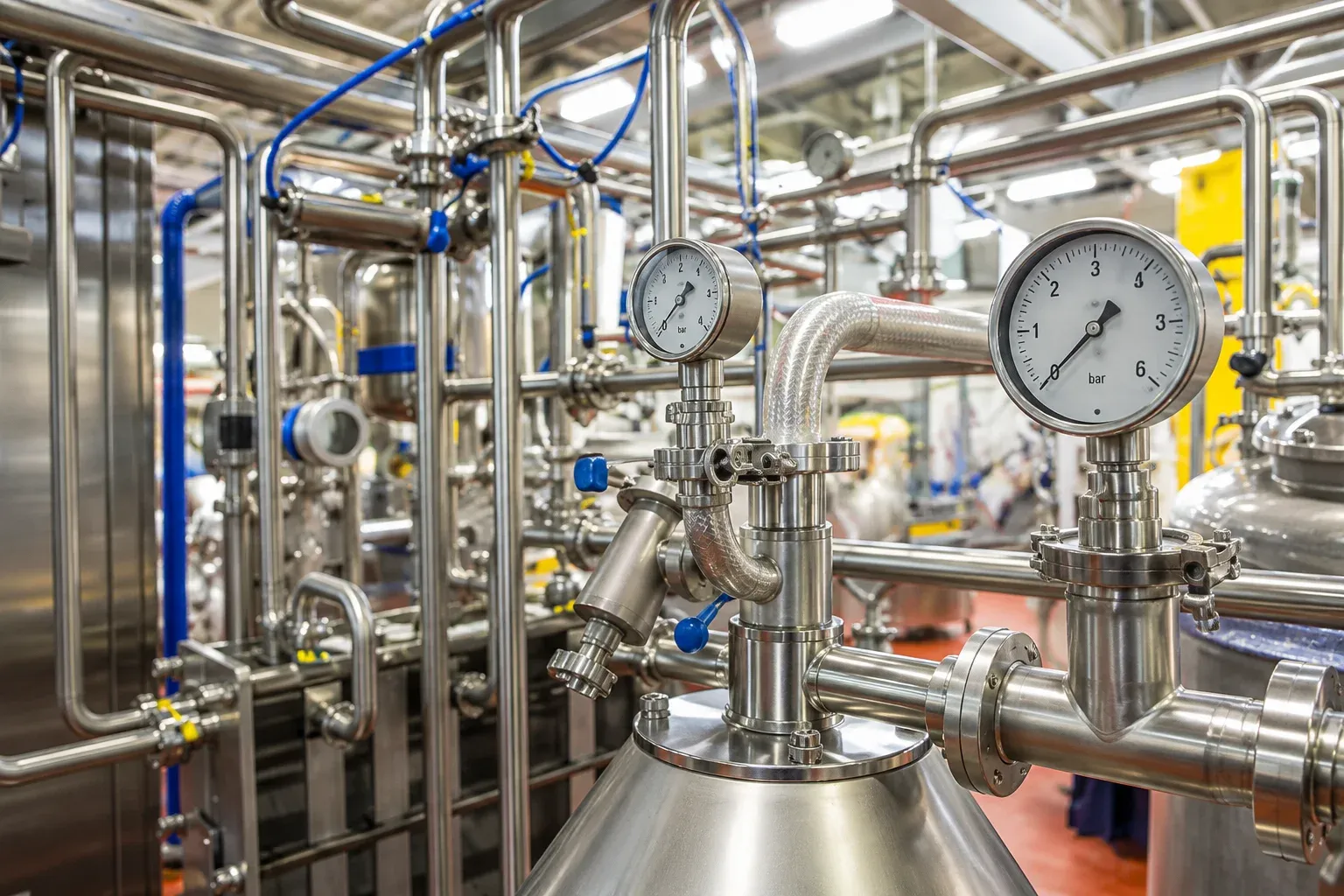
This is where a mineral water ro plant earns its keep. High pressure pumps push water through semi permeable membranes that reject up to 99% of dissolved solids, bacteria, and viruses. Ozone generators or UV sterilizers finish the job. Some plants add mineral dosing here to restore trace minerals for taste and compliance this is genuinely where "mineral water" earns its name, rather than just being purified water in a fancier bottle.
Bottling and Packaging Hardware
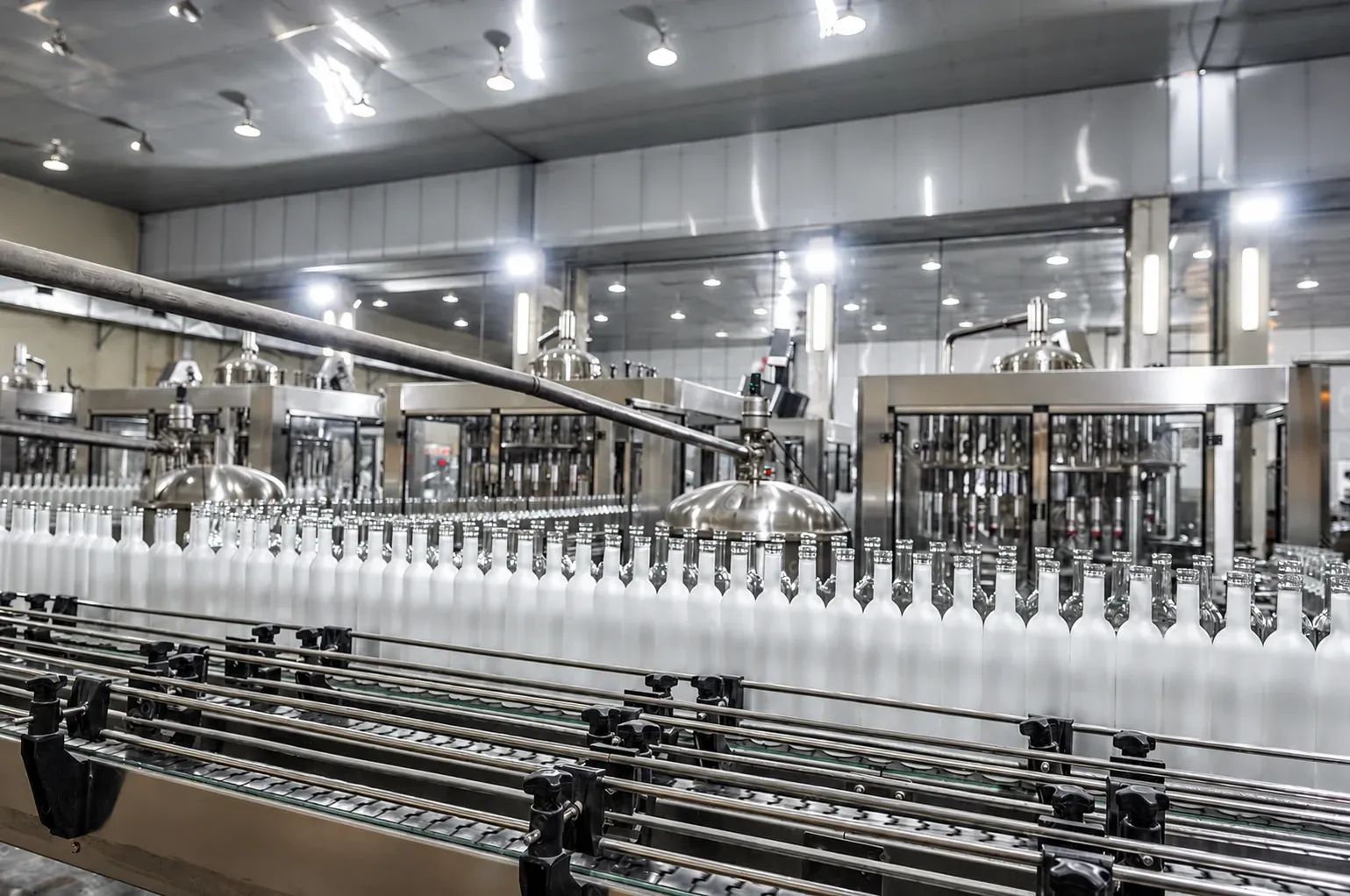
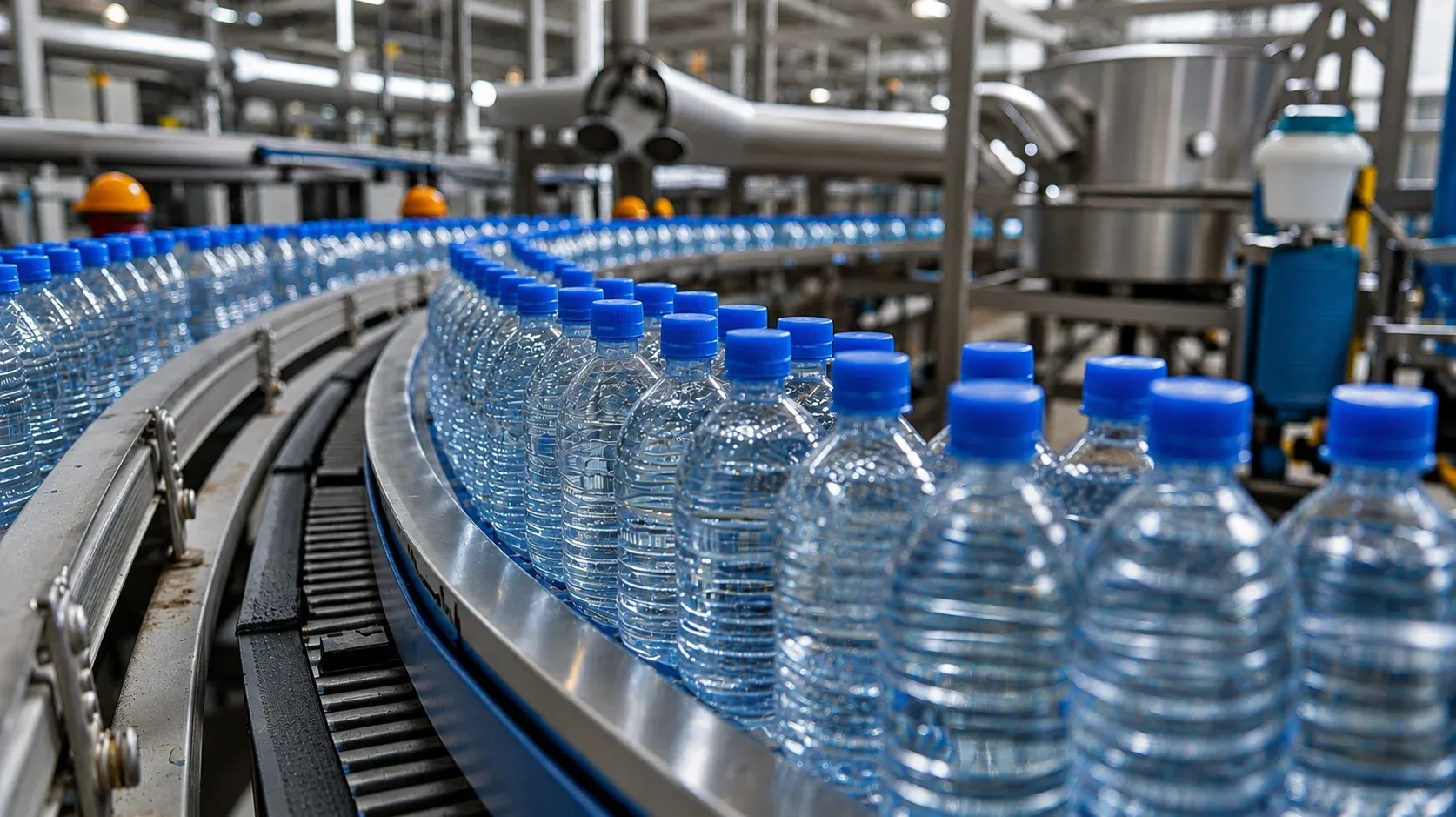
Once clean, the water needs a container. This side includes unscramblers, rinsing units, isobaric or gravity fillers, cappers, and labelling machines. A well integrated mineral water bottling plant runs these as a synchronized line rather than standalone stations, which matters for output speed and contamination control.
Add compressors, chillers, and a wastewater setup for RO reject water, and you've got the full picture of what mineral water plant equipment involves.
Mineral Water Production Process: Step by Step Workflow from Treatment to Bottling
1. Raw water intake: Sourced from borewell, municipal supply, or spring, then tested for baseline TDS, pH, and microbial load. 2. Pre filtration: Sand and carbon filters remove sediment, chlorine, and organic material. 3. Softening: Ion exchange resin strips calcium and magnesium to protect the RO membranes. 4. Reverse osmosis: The core purification stage inside the water purification plant, reducing TDS to target levels. 5. Ozonation or UV treatment: Final disinfection, eliminating residual bacteria and viruses. 6. Mineral dosing (if applicable): Restores essential minerals to hit regulatory and taste benchmarks. 7. Storage in sterile tanks: Treated water sits in food grade stainless steel tanks, protected from recontamination. 8. Bottle rinsing, filling, and capping: Automated lines rinse containers with treated water, fill under controlled pressure, then cap and seal. 9. Labelling, coding, and packing: Bottles get labelled, batch coded for traceability, and packed into cartons or shrink wrapped trays.
That sequence rarely changes in principle. What changes is scale a 500 liter per hour setup for a regional packaged drinking water plant looks nothing like a 20,000 liter per hour line feeding national distribution, even though the underlying steps stay the same.
Comparative Analysis: Standard Filtration vs Advanced RO & UV Systems
| Parameter | Standard Sand/Carbon Filtration | Advanced RO & UV Systems |
|---|---|---|
| Contaminant Removal | Removes sediment, chlorine, and larger particulates; limited on dissolved salts and microbes | Removes up to 99% of dissolved solids, bacteria, viruses, and heavy metals |
| TDS Reduction | Minimal to negligible; TDS levels remain largely unchanged | High; typically reduces TDS by 90–99%, adjustable to target range |
| Energy & Water Consumption | Low energy use; minimal water wastage | Higher energy draw from high-pressure pumps; generates RO reject water (20–40% of input) |
| Best Suited Raw Water Source | Relatively clean municipal water with low TDS and low microbial risk | Borewell or high-TDS sources, and any source requiring drinking-water-grade certification |
The takeaway isn't that RO always wins. Low TDS municipal water might not need a full RO setup at all. But if you're drawing from a borewell with variable mineral content, or you need certified drinking water standards for commercial sale, there's no real substitute for RO paired with UV.
How to Choose the Right Mineral Water Production Machine for Your Plant
This is where a lot of first time buyers get stuck comparing spec sheets before nailing down their own numbers. Start with three questions instead:
What's your daily output target? A 1,000 liter per hour machine for a small regional distributor is a completely different purchase than a 10,000 liter per hour unit built for supermarket chains. Buying oversized capacity "for future growth" sounds smart until you're paying to run and maintain equipment at half capacity for years.
What container formats will you fill? Pouches, 200ml cups, 1 liter bottles, and 20 liter jars all demand different filling heads. Nail this down before you spec the bottling side of your mineral water plant equipment retrofitting later is expensive.
How much floor space and utility capacity do you have? RO systems need consistent power and, depending on scale, real estate for pre treatment, storage tanks, and the bottling line. A compact facility might need a vertically stacked design rather than the sprawling layout larger plants use.
Key Factors to Consider: Capacity, Automation, Hygiene & Energy Efficiency
Capacity planning should account for seasonal demand swings, not just average output. A plant maxed out in peak season has no room to capture extra revenue.
Automation level affects labour cost and consistency. Semi automatic lines cost less upfront but need more hands on operation; fully automatic lines run leaner on staff but require a bigger initial investment. A well specified mineral water ro plant should scale its automation to match your throughput, not the other way around.
Hygiene and microbiological safety aren't optional. Stainless steel contact surfaces, CIP (clean in place) systems, and regular sanitization keep contamination risk low. Skimping here is the fastest way to fail an inspection.
Energy efficiency matters more than most buyers expect. High pressure RO pumps are energy hungry, and running an inefficient system all day adds up fast. Variable frequency drives on pumps meaningfully cut operating costs over time.
Why Choose SEPPA Solutions for Mineral Water & Beverage Production Lines?
SEPPA Solutions designs and builds complete beverage processing and packaging lines, including turnkey mineral water production machine setups scaled to your actual output needs rather than a one size fits all template. From RO and UV purification through rinsing, filling, capping, and labelling, SEPPA engineers each stage to work together.
A lot of plants end up with mismatched throughput between purification and bottling a fast RO system feeding a slow filler, or vice versa because equipment was sourced piecemeal. SEPPA treats the water purification plant and the bottling line as one integrated system from the design stage, heading off bottlenecks before they hit your floor.
Whether you're setting up a first facility or scaling an existing mineral water bottling plant, that kind of coordination tends to save both money and headaches down the line.
Frequently Asked Questions About Mineral Water Production Machines
1. How do I manage wastewater rejection rates from RO systems?
RO systems typically reject 20–40% of input water as concentrate. Plants route it to secondary uses like floor cleaning or cooling towers, or treat it further to meet local wastewater norms.
2. How often do RO membranes need maintenance or replacement?
Membranes generally need cleaning every 1–3 months depending on raw water quality, with full replacement every 2–5 years. Consistent pre filtration extends membrane life.
3. What's the best way to optimize energy use in a purification plant?
Variable frequency drives on high pressure pumps, right sizing equipment to actual demand, and off peak scheduling all help. Regular maintenance prevents the efficiency losses that come with fouling.
4.How frequently should TDS and water quality be tested?
Daily spot checks on TDS and pH are standard, with full microbiological testing weekly or per regulatory requirement. Inline sensors flag deviations before a batch is compromised.
5. How do I scale up production capacity later?
Modular equipment design makes scaling easier adding parallel RO trains or a second filling line rather than replacing the whole system. Worth discussing growth plans with your equipment partner early.