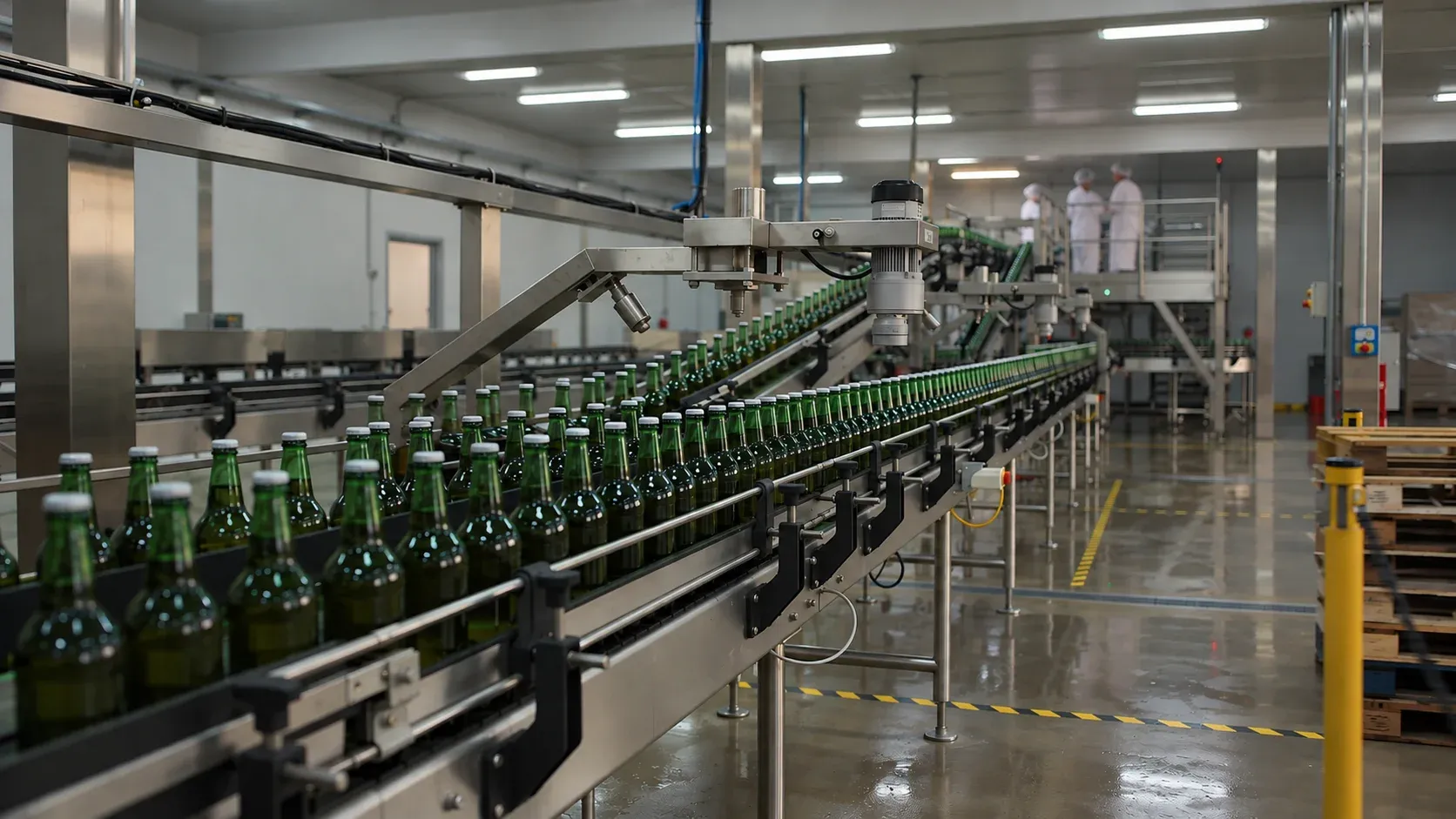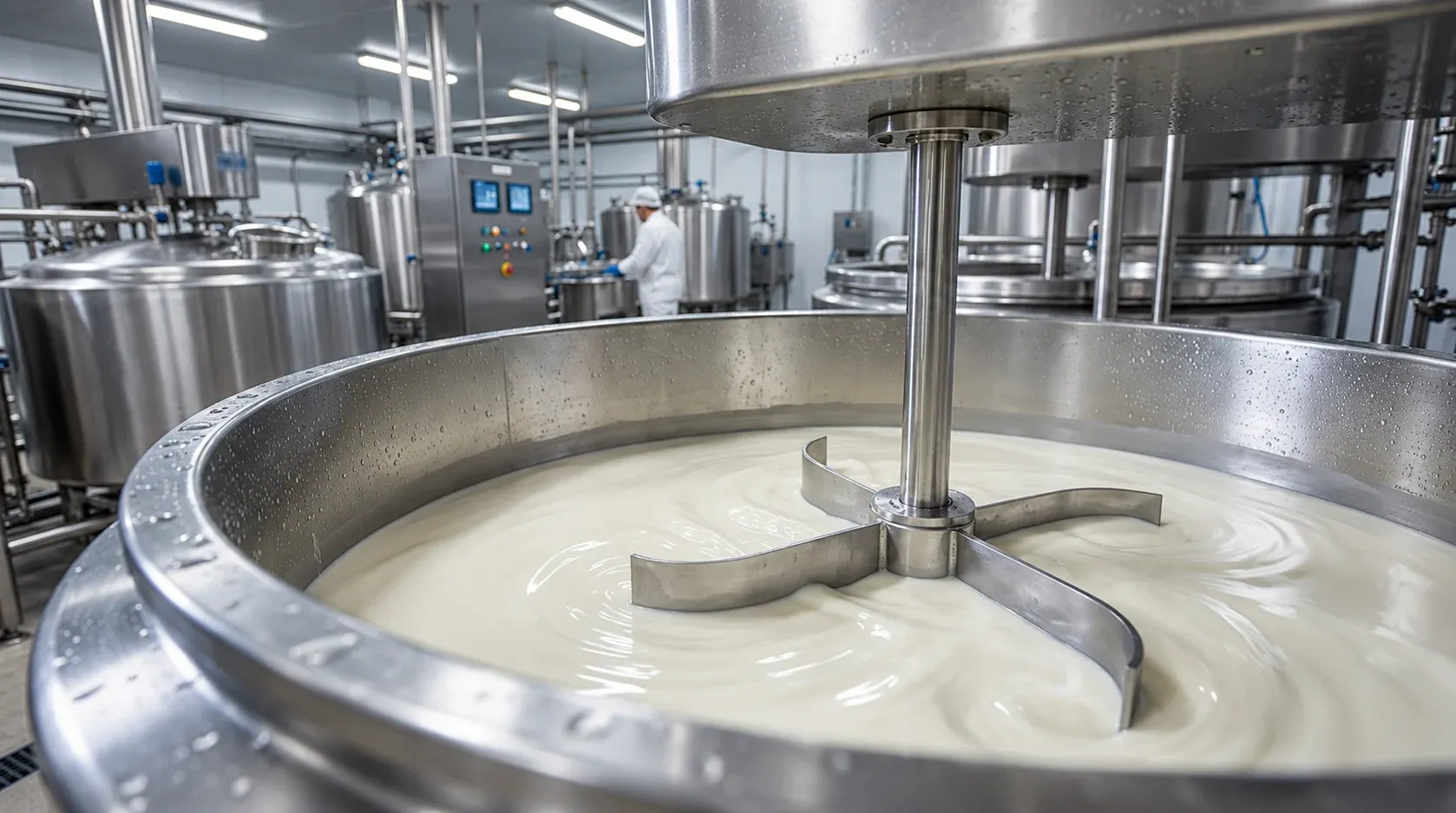
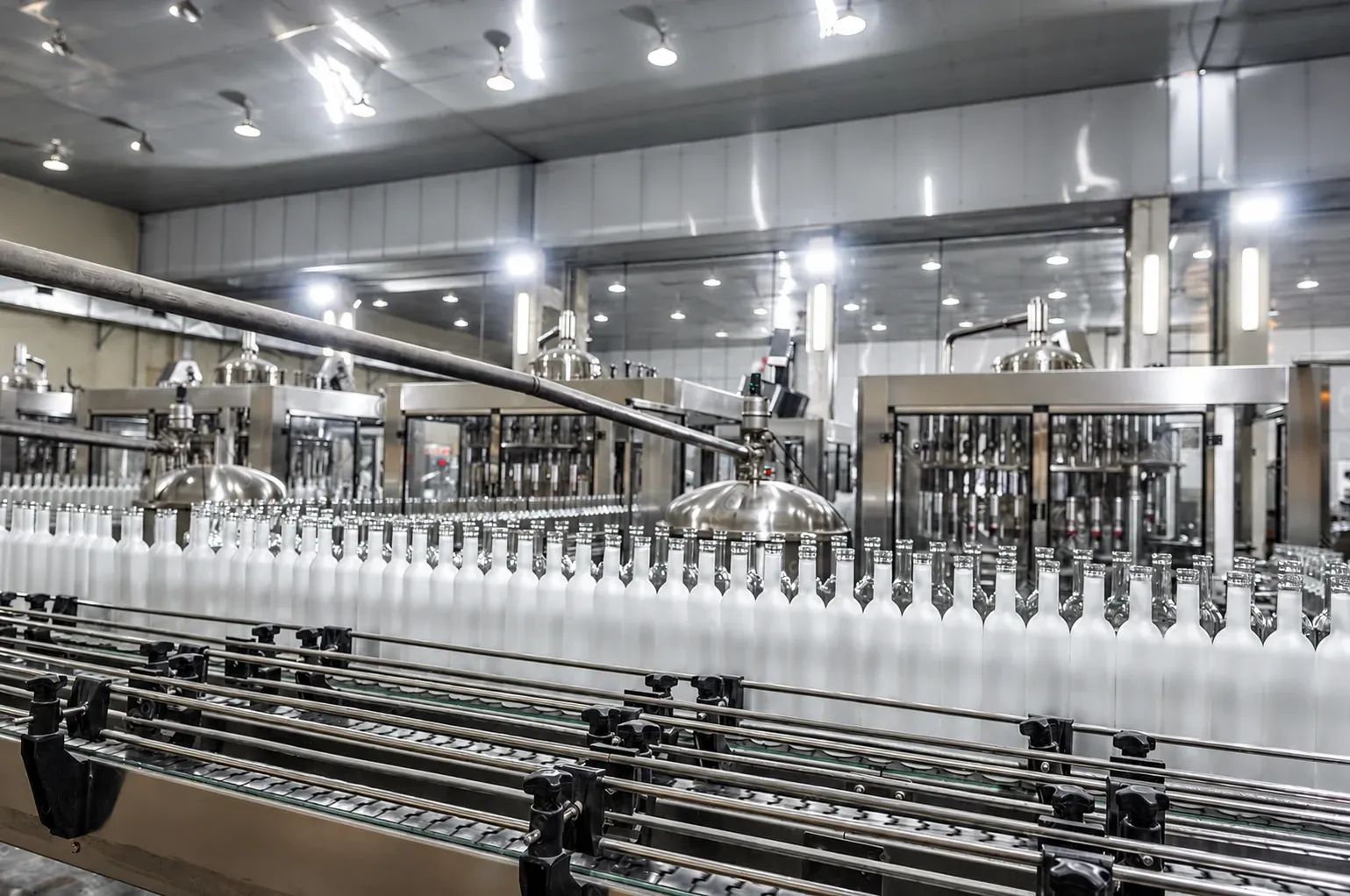
If you've ever tried opening a brewery by piecing together equipment from six different vendors, you already know the headache I'm about to describe. One supplier ships late. Another sends a tank that doesn't match your piping spec. A third stops answering emails the week before your inspection. By the time everything lands on site, you've spent more energy playing project manager than actually building a beverage business. This is exactly the problem a turnkey brewery solves, and it's why more founders and investors are walking away from the piecemeal approach in favour of a single, coordinated brewery production line.
I've spent years around process engineering and facility build outs, and the pattern is always the same: projects that go smoothly are the ones where one team owns the whole thing, start to finish.
What Is a Turnkey Brewery and How Does It Work?
Turnkey brewery systems are in their very nature one stop operations. The one partner will be responsible for designing the engineering, manufacturing or procuring the equipment, installation, commissioning and training of your personnel on operating it. You no longer have to manage five different contracts because now you have only one.
Here's how it typically unfolds. First comes discovery, where an engineer walks your site and maps your production goals, budget, and growth plans. From there, they build a process flow diagram tying together every stage of production, then move into fabrication, installation, piping, and electrical work, and finally commissioning the point where the whole system gets tested under real load before you brew a single batch.
The appeal isn't just convenience. Nobody can point fingers at anybody else when something goes wrong, because there's only one "anybody" involved, and that's exactly what makes a turnkey brewery worth the investment.
Key Components of a Modern Turnkey Brewery
A modern facility isn't just a few shiny tanks in a warehouse. It's an interconnected system, and each piece needs to talk to the others without friction.
Grain handling and milling. Intake, storage silos, and mills crack grain to a consistent particle size before mashing.
Mashing and lautering vessels. These convert starches into fermentable sugars and separate wort from spent grain. Precision here affects flavour consistency more than almost anything else.
Brewhouse and kettle systems. Boiling, hopping, and whirlpool separation happen here often the visual center piece of any facility tour.
Fermentation and cellar controls. Temperature controlled fermenters and bright tanks, tied into one control system, keep your product consistent batch after batch.
Specialized brewery equipment. Glycol chillers, CIP systems, and utility skids are unglamorous but essential pieces of brewery equipment that keep everything sanitary and running at the right temperature.
Packaging and downstream lines. The canning machines, bottles, and labelling machines complement everything else, bridging production to the finished product.
Where there is a single engineering team responsible for all of this, the pipe sizing is the same, the control signals match, and no one is making up solutions at 2 AM
How Turnkey Brewery Solutions Simplify Beverage Production
Here's where the real value shows up not in the brochure, but in the day to day reality of building a facility.
Source equipment piecemeal, and you're the one stitching everything together the translator between vendors who've never spoken to each other, the referee when a compatibility issue surfaces, the person holding the bag when an inspector asks who's responsible for a given system. Choosing this route removes you from that role entirely. Communication happens inside one organization instead of bouncing across five companies with five priorities.
Compliance gets easier too. A partner who's built dozens of facilities already knows what your local health department, fire marshal, and environmental agency will ask for. The knowledge base allows weeks, even months, to be saved compared to having to figure it all out from scratch during your first deployment.
There’s an added psychological advantage that isn’t mentioned enough, and that is that one group being responsible for everything drives them to take care of any problems before you even know that anything is wrong.
Comparative Analysis: Piecemeal Sourcing vs Turnkey Partnership
| Parameter | Piecemeal Sourcing | Turnkey Partnership |
|---|---|---|
| Project Timeline & Lead Times | Stretched by staggered vendor deliveries and mismatched schedules | Compressed through parallel engineering, fabrication, and installation planning |
| Integration & Compatibility Risk | High; piping, controls, and utilities often don't align without rework | Low; every component is engineered to work together from day one |
| Vendor Accountability & Support | Fragmented; each vendor covers only their own equipment | Unified; one partner owns the entire system's performance |
| Initial Project Management Overhead | Falls almost entirely on the owner or an outside consultant | Absorbed by the engineering partner as part of the project scope |
It's not hard to see why so many owners eventually regret going the piecemeal route on their first facility, even when it looked cheaper on paper.
From Brewing to Packaging: Building a Complete Production Line
A brewery is not just a brewhouse; it is a whole production process where the task is to take liquid from raw grain and get it into the sealed, labelled container without any bottlenecks. If you design your brewery production process as a whole single production line, then the sizes of the connections from fermentation to filtration and then to the packaging will be correct at the very beginning.
Plenty of owners eventually want to expand into spirits a hard seltzer line, a whiskey brand, a small batch gin program. That's where a turnkey distillery comes in. Rather than starting from scratch with an entirely new vendor relationship, the same partner who understands your existing production line can extend that system to include column stills, pot stills, and condensers built to complement what you already have. A well planned turnkey distillery shares utilities and controls with your existing brewhouse instead of duplicating them, and distillery equipment doesn't have to compete with your brewing operation for floor space if it was planned that way from the start.
Benefits of Choosing Turnkey Brewery & Distillery Solutions
The advantages compound the longer you run the facility, not just during construction.
Faster time to market. Parallel workstreams mean first pour arrives months earlier than a facility built through sequential vendor contracts.
Lower total downtime. Synchronized distillery equipment and brewing hardware, monitored through one control architecture, means fewer surprises and faster fixes when something does go wrong.
Smarter automation. Modern distillery automation automated cut points during distillation, remote monitoring, recipe driven process control reduces reliance on a single highly experienced operator being present for every batch. Pairing distillery automation with the same control philosophy used on your brewhouse means your operators aren't learning two different systems. That's real risk reduction for growing businesses.
Simplified maintenance. One documentation set, one spare parts relationship, one support contract. When a pump fails at 11 p.m., you're not digging through three manuals trying to figure out whose warranty covers it.
Scalability built in. A well designed facility leaves room to add fermenters, extend the line, or bolt on distillery equipment later without re engineering the whole plant.
Why Choose SEPPA Solutions for Beverage Production?
SEPPA Solutions has built its reputation on exactly this kind of single source thinking. Rather than handing clients a catalogue and wishing them luck, SEPPA's engineers get involved from the earliest planning conversations, designing custom fabrication around the specific beverage beer, spirits, RTD, or otherwise a client wants to bring to market.
What sets a partner like SEPPA apart isn't just the hardware. It's the follow through: end to end project management that keeps timelines honest, plus technical support that doesn't disappear the day the ribbon gets cut. Whether you're building your first facility or scaling into distillery equipment alongside an existing beer line, having one team that already understands your facility's history is worth more than most owners realize until they're missing it.
Final Thoughts: Is a Turnkey Brewery Right for Your Business?
If you like hunting down suppliers, arbitrating compatibility issues, and parsing through the fine print of five different warranties, then a piecemeal approach may be right up your alley. But for the rest of us founders who would prefer to concentrate our efforts on crafting recipes, selling our products, and building our brands, then the turnkey approach makes far more sense. Not only will it shave time off your schedule and mitigate risks related to integration, but it also means one phone number when you need to make a fix.
Frequently Asked Questions
1. What's included in a turnkey package?
From process engineering and equipment manufacture to construction, piping, commissioning, and training of operators done on one contract with one accountability point.
2. How long does installation usually take?
While this depends on the size of the facility, a turnkey brewery will move from being designed to being commissioned much faster than the process takes for a piecemeal construction as these two processes occur simultaneously.
3. Are there real financial benefits over piecemeal purchasing?
Yes mainly through avoided rework, fewer change orders, and a shorter path to revenue. Total cost of ownership usually favours a turnkey distillery or brewery once integration risk is factored in.
4. How does automation simplify day to day operations?
Automation of the distillation process and the control of brewing operations is centralized. This reduces the reliance on a single individual’s memory and ensures consistency of the product.
5. How do I start planning my facility layout?
Contact an engineering partner prior to signing a lease agreement. The best facility designs incorporate process flow first and adapt to space second, not the other way around.