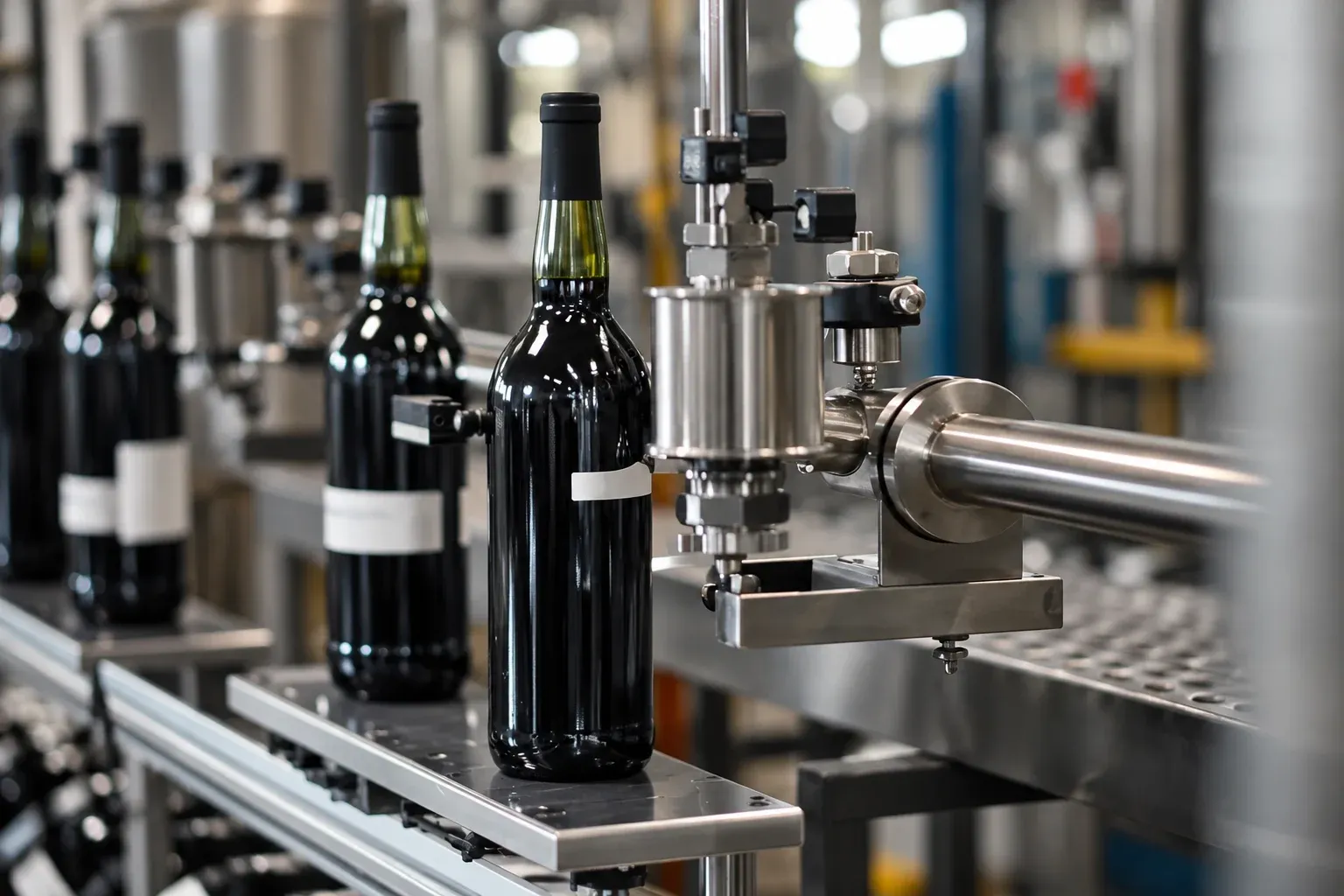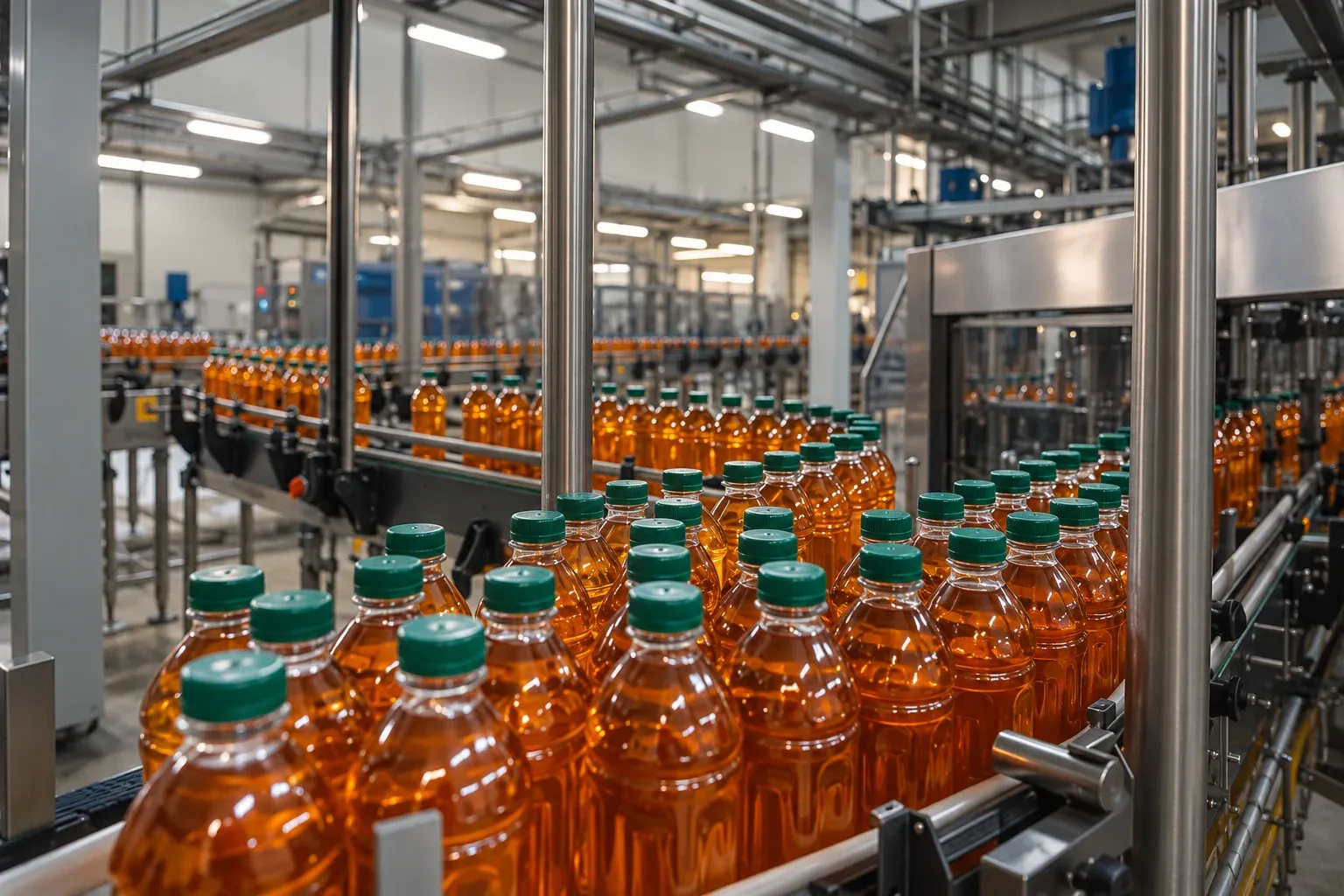
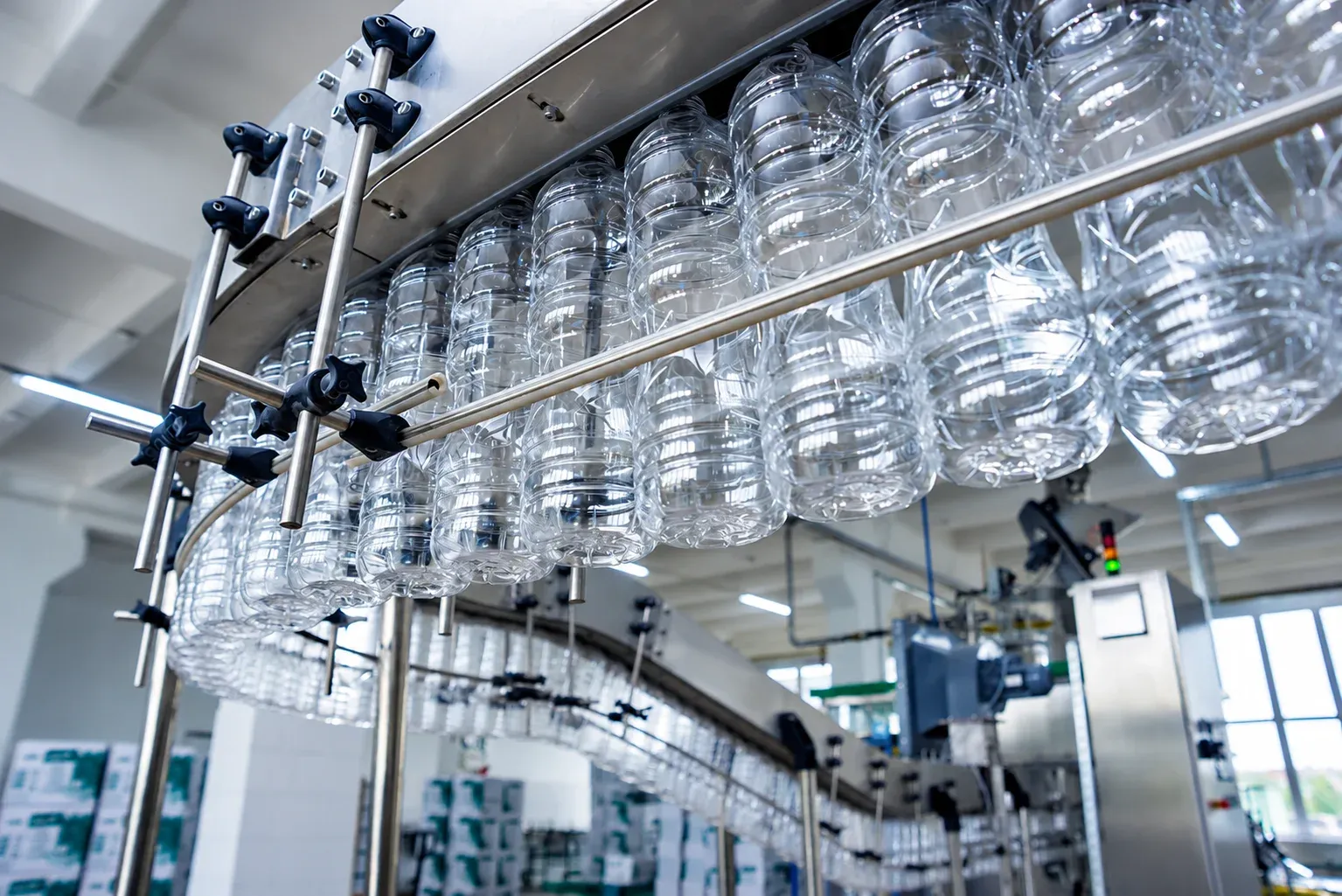
Buy the wrong stretch blow molding line and you'll be living with that mistake for the next decade. I've watched plant managers get seduced by a low sticker price from a pet bottle making machine manufacturer, only to discover eighteen months later that their “bargain” machine can't hold tolerance on a lightweighted preform. This guide walks through what actually matters when you're shopping for new stretch blow equipment not the marketing copy, the real engineering and financial questions that decide whether your investment pays for itself or becomes a very expensive paperweight.
What Is a PET Blow Molding Machine?
In essence, this machine melts and forms a solid, tubular preform into a bottle of full size using heat, air pressure, and molds. In most cases, the preform will be heated to a temperature slightly higher than its glass transition temperature (around 95-105°C). At this point, it will be soft enough for shaping but strong enough so that it does not get cloudy.
The preform is then stretched lengthways by a stretching rod while air pressure (usually around 35-40 bar) presses it outwards to take shape in the mold. It is through this process of biaxial stretching that clear PET bottles with incredible tensile strength get their characteristics. If there is a problem with the thermal profile, you can expect pearlescence, thinning, and bottles that buckle at the slightest weight applied to them.
Types of PET Blow Molding Machines
Not every operation needs the same hardware, and this is where a lot of buyers overspend or underspend. Manual machines still exist for very small runs think a startup filling a few hundred bottles a day by hand. Semi automatic units add mechanized clamping and blowing but still need an operator to load preforms and unload finished bottles.
Fully automatic machines are where most serious producers land, and they split into two families: linear and rotary. Linear systems move preforms through heating and blowing stations in a straight line, station by station. Rotary machines mount everything on a rotating wheel, so heating, stretching, and blowing happen continuously as the wheel turns. A single stage machine combines injection molding and blowing in one unit, while a two stage system works from pre made preforms you buy separately which is the more common setup for mid size and large bottling operations.
How to Choose the Right Machine Capacity
Here's a mistake I see constantly: buyers size their machine to today's peak demand and nothing else. That's backwards. Start with your average daily volume across a normal week, then layer in your seasonal spikes bottled water and juice producers in particular can see summer demand run 40–60% above baseline.
Next, map that against your intended shift pattern. A machine rated at 3,000 bottles per hour on paper might only need to run one eight hour shift if your annual volume is modest, or it might need three shifts plus weekend overtime if you're chasing aggressive growth. Buying too much capacity ties up capital in an underused asset; buying too little means you're back at the negotiating table with a pet bottle making machine supplier again in two years, paying rush fees for expedited delivery. Talk to your sales and operations teams together before you finalize a number I've seen too many capacity decisions made in a vacuum by procurement alone.
Comparative Analysis: Linear vs. Rotary Systems
The honest answer to “which is better” is: it depends on your volume and your budget. Here's how the two categories stack up.
| Parameter | Linear Semi Auto / Automatic | High Speed Rotary |
|---|---|---|
| Production Capacity (Bottles/Hour) | 1,000–6,000 | 6,000–40,000+ |
| Initial Capital Investment | Lower to moderate upfront cost | Higher; significant capital outlay |
| Energy Efficiency per Unit | Good, but less optimized at high volume | Better per-bottle efficiency at scale due to continuous cycling |
| Ideal Production Scale & Application | Startups, regional bottlers, specialty/niche containers | National brands, contract fillers, high-SKU beverage plants |
If you're running under a few million bottles a year, a linear system usually makes more financial sense you'll get to positive ROI faster with less debt on the books. Once you cross into serious volume territory, rotary systems start winning on cost per bottle even though the entry price is steeper.
Key Features of a PET Blow Molding Machine
Not all machines badged “high efficiency” actually deliver on it, so pay attention to the details. Infrared preform heating zones matter more than most buyers realize individually controlled lamps let you tune the heat profile section by section along the preform body, which is what actually prevents uneven wall thickness.
Servo driven stretch rods are worth the premium over older pneumatic versions. They give you precise, programmable stretch speed and position, which translates directly into more consistent bottles and less scrap. Look too at the air recovery system: better machines capture and reuse a portion of the high pressure blow air instead of venting it straight to atmosphere, and on a modern pet bottle manufacturing machine that can meaningfully cut your compressed air electricity bill. Don't skip the safety interlocks either light curtains, mold guards, and emergency stops that actually halt the cycle mid motion, not just at the next natural pause.
PET Blow Molding Machine Cost & Investment Factors
The sticker price on the machine itself is only part of the bill. You'll need an air compressor sized to the machine's peak demand (often the single biggest auxiliary expense), a chiller to cool molds and manage ambient heat buildup in the plant, and mold tooling which can run anywhere from a few thousand dollars for a simple round bottle to well into six figures for a complex custom shape with multiple cavities.
Then there's ongoing cost: spare parts, preventive maintenance contracts, operator training, and the electricity bill itself, since running a pet bottle manufacturing machine is one of the more power hungry steps in a bottling line. When you're comparing quotes, ask each vendor for a total cost of ownership projection over five years, not just the equipment price. A machine that's 15% cheaper upfront but burns noticeably more compressed air per bottle can easily cost more by year three.
How to Select the Best PET Blow Molding Machine
Once you've narrowed down capacity and features, the vendor relationship is what determines whether the next decade goes smoothly. Ask for uptime guarantees in writing, not just a verbal assurance during the sales pitch and ask what the penalty clause actually covers if they miss it.
Spare parts availability matters more than most people budget for. A machine sitting idle for three weeks waiting on a heater cartridge from overseas costs you real money every single day. Check whether the supplier keeps regional parts stock or ships everything from a single warehouse on another continent this is where a lot of pet blowing machine manufacturers quietly cut corners. Reference calls help too: ask current customers of any pet bottle blowing machine provider how support actually performs after year one, once the honeymoon period ends. Among established pet blowing machine manufacturers, the ones worth your time will happily connect you with existing clients running similar bottle formats to yours.
Why Choose SEPPES for PET Bottle Production?
SEPPES builds machines the way I'd want them built if I were still running a plant floor: engineered for uptime first, with custom mold design handled in house rather than farmed out to a third party shop that doesn't know your bottle geometry. As a pet bottle making machine manufacturer, the company puts real engineering hours into thermal profiling and air recovery before a machine ever ships, which shows up later as lower per bottle energy cost on your utility bill.
What sets the relationship apart, honestly, is what happens after the purchase order. SEPPES backs its equipment with responsive after sales technical support and a parts network built to get you back running fast, not in three weeks. For a buyer weighing capital equipment against a decade of operating costs, that kind of partnership is worth more than a slightly lower quote from someone you'll never hear from again after installation.
Frequently Asked Questions About PET Blow Molding Machines
1. How do I calculate ROI on a new machine?
Divide the total investment (machine, tooling, auxiliaries, installation) by your projected annual savings versus your current method or supplier, factoring in energy costs, labour, and reduced scrap. Most well specified machines pay back within three to five years, though a high volume pet bottle blowing machine running rotary cycles can pay back faster given its lower per bottle operating cost.
2. What energy saving features should I look for?
Prioritize individually zoned infrared heating, air recovery systems that reclaim high pressure blow air, servo driven components over pneumatic ones, and variable frequency drives on compressors and chillers.
3. Why am I getting inconsistent wall thickness?
This almost always traces back to heating profile, preform design, or stretch rod timing. Check your lamp zones for uneven output first, then verify preform wall distribution before assuming the machine itself is at fault.
4. What utilities does a typical machine require?
Expect a requirement for three phase power, an independent supply of compressed air at the machine's maximum demand, and cooled water for the molds. Double check your numbers from the supplier you choose, as the specifications will depend on the model and cavitation of the machine.
5. How do I plan for future production growth?
Choose a machine platform with expansion room extra cavity slots, modular heating stations, or a rotary wheel that can accept additional blow stations later so you're not starting from zero when volume climbs.