So you want to build a beverage factory. Maybe you've got a formula you're proud of, a distributor who keeps asking when you'll scale, or just a gut feeling that the market has room for one more serious player. Whatever brought you here, the gap between "great product" and "profitable plant" is wider than most first time investors expect, and a poorly planned beverage factory investment is usually why. The purpose of this guide is to show how a beverage factory facility works, that is, all the things such as the budgeting, machines, and layout that distinguish a functioning beverage factory from a hemorrhaging one in the first eighteen months of its operation.
Beverage Factory Setup: Key Requirements & Initial Planning
Even before you think of ordering any machinery, three key issues should be resolved first; they include the technical specifications of your product, the size of the market you want to reach, and time frame. The building of a beverage processing plant is not one project but a total of five or six projects done concurrently. Start with your product profile. Carbonated or still? Pasteurized or aseptic? PET bottles, glass, or cans? These answers determine almost everything downstream, from square footage to the utility loads your grid has to support. I've seen investors lock in a lease before finalizing shelf stability requirements, and it cost them a redesign six months later a lesson in why beverage factory setup planning has to happen before construction, not during it. Zoning matters too. Industrial zones near your raw material suppliers and distribution routes save real money in year one, even if the land costs more per square meter. A beverage factory built forty minutes from the nearest highway pays for that distance every day in freight.
Beverage Factory Investment & Setup Costs
Let's talk numbers, because this is where most plans fall apart. A beverage factory investment typically breaks into four buckets: land and construction, machinery and installation, licensing and compliance, and working capital to cover the first several months before revenue catches up. Land acquisition and civil works usually consume 25-35% of total capital for a mid sized facility. Utility hookups power, water, a dedicated transformer for high draw equipment are frequently underestimated by first time builders. Get quotes from your utility provider early; a delayed connection has stalled more launches than any single machine. Regulatory licensing varies by country and beverage category, but budget for food safety certification, environmental clearances, and municipal approvals as one package, not something you'll handle "later." Plants that treat compliance as an afterthought often see six to twelve month delays. Here's the honest part: a beverage factory investment shouldn't be entirely front loaded into machinery. Investors who spend everything on the shiniest fully automated line and leave nothing for working capital run into trouble the moment a supplier payment or payroll cycle catches them short. Keep at least three months of operating expenses in reserve. Under capitalizing the beverage factory investment is, in my experience, the single most common reason promising plants stall in year one.
Essential Machinery for a Beverage Factory
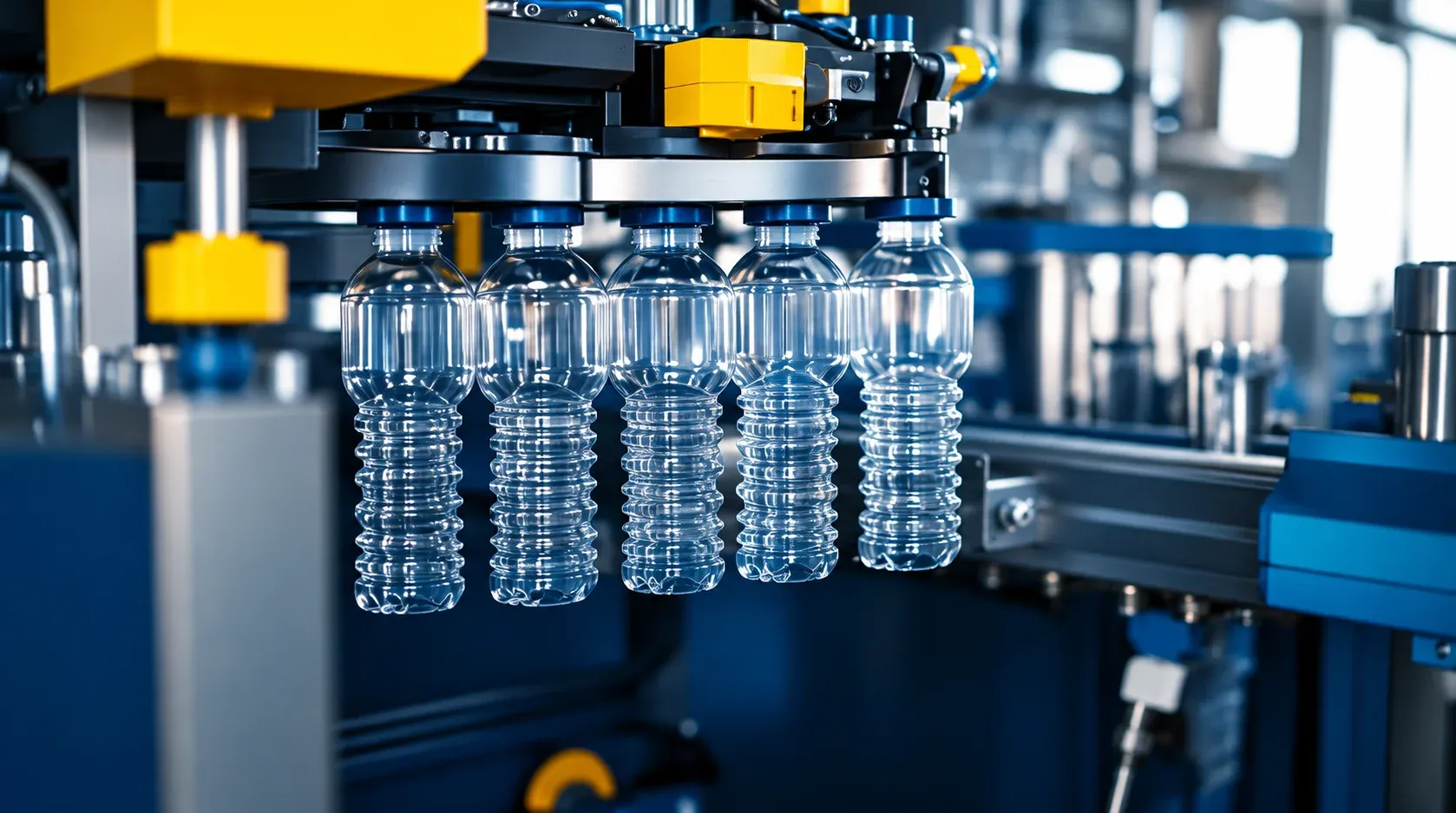
The equipment list for a beverage production plant reads long, but it clusters into a few groups. Water treatment sits at the top reverse osmosis, UV disinfection, and filtration systems that guarantee consistent input quality regardless of the municipal supply that day. From here on, you have core beverage plant equipment to deal with: blow molding machines (the rotary type for greater efficiency, the linear type for space and cost savings), rinser filler capper/blow fill cap monobloc, and the conveying and handling systems that get the products from one stage to another seamlessly. Further down the line, there are labellers, batch coders, and palletizers. Do not discount the importance of utilities, too; chillers provide temperature control, and inadequately sized ones become evident in poor quality after several months. Worth saying plainly: cheaper beverage plant machinery isn't always cheaper. A blow molder with a lower sticker price but higher energy draw will cost more over a five year horizon than a pricier unit built for continuous duty. When you're pricing beverage plant machinery, ask for total cost of ownership, not just the invoice.
Beverage Production Process & Manufacturing Workflow
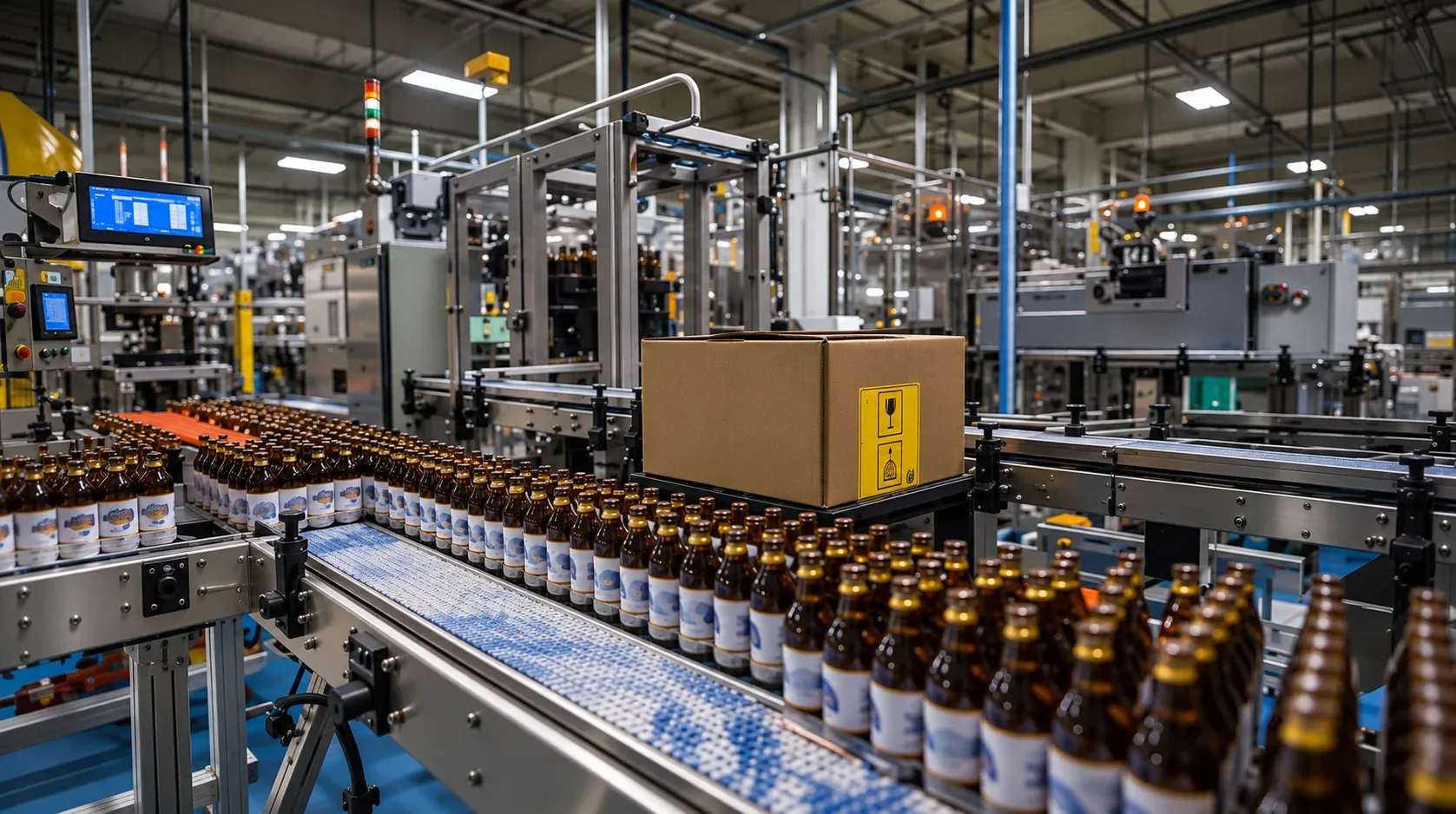
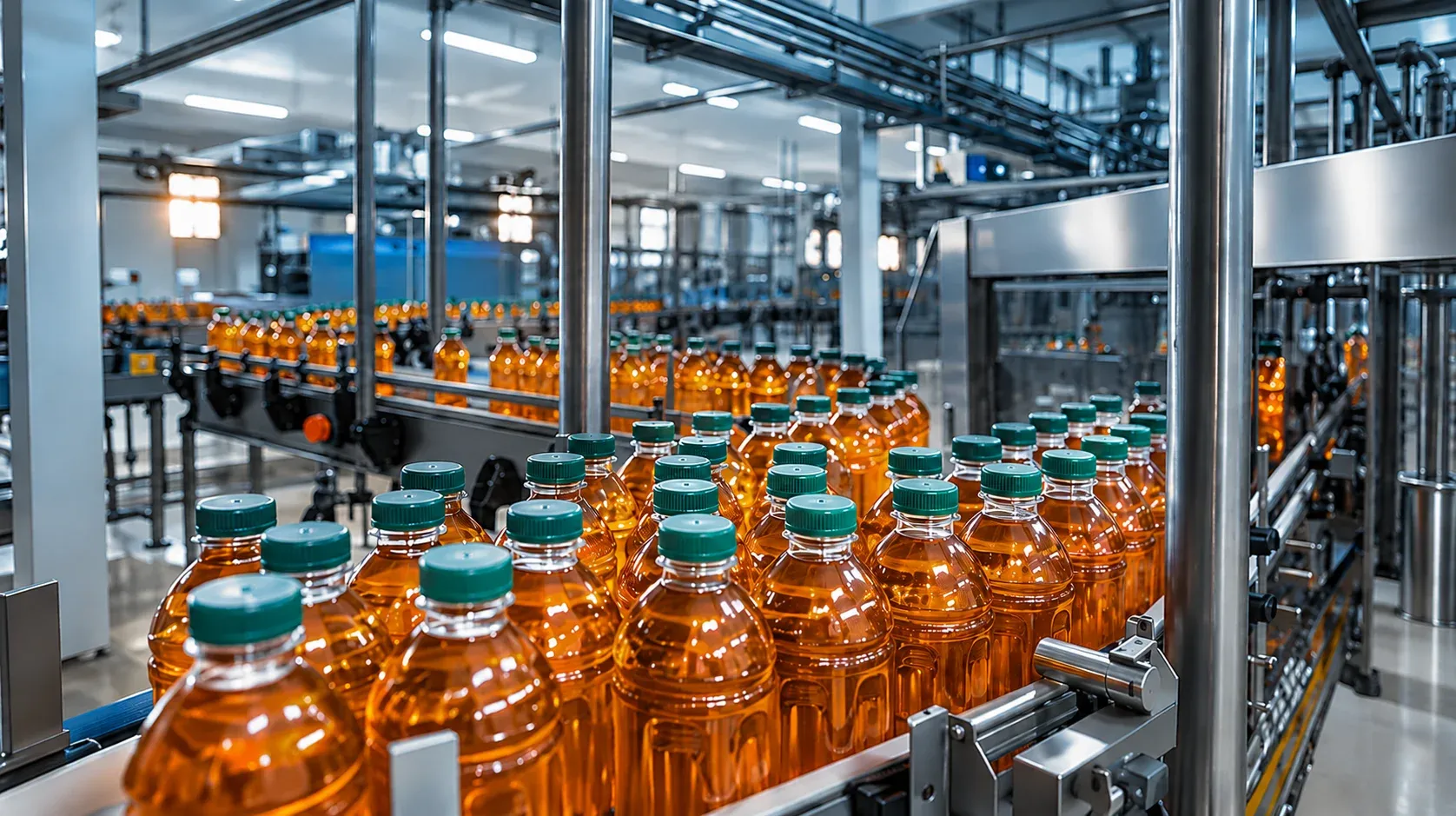
Inside a beverage production plant, the journey from raw ingredient to sealed bottle follows a fairly consistent sequence, though specifics shift by product category. Water gets treated first. Ingredients get batched, mixed, and depending on the product carbonated or pasteurized. The prepared liquid moves to filling, where speed and hygiene both matter enormously. Bottles are unscrambled, rinsed, filled, and capped in a continuous line, often within a single monobloc unit for smaller operations or across separate stations in larger plants. Labelling, coding, secondary packaging, and palletizing follow. What trips up new operators isn't usually one step; it's the handoffs between steps. A filling line that outpaces labelling creates a bottleneck no downstream machinery upgrade will fix. Every beverage production plant I've seen struggle had this same root cause: workflow optimized station by station instead of end to end.
Choosing the Right Beverage Factory Production Capacity
This is arguably the decision investors get wrong most. Building for a beverage production capacity far beyond current demand ties up capital in idle machinery, while undersizing means you're back to your equipment supplier within eighteen months, paying rush fees. A sensible way of doing things is by designing the capacity for making beverages to be commensurate with realistic demand for the next three years but ensuring that the layout and utilities are designed in such a way that the addition of another line in future does not require a complete redesign. Shift patterns matter too. A sing le shift semi automated beverage factory and a three shift fully automated facility targeting the same annual output will have wildly different capital requirements, headcounts, and payback timelines the comparison worth sitting with before committing to either path.
Comparative Analysis: Semi Automated vs Fully Automated
| Parameter | Low Capacity Semi Automated Setup | High Capacity Fully Automated Facility |
|---|---|---|
| Initial Capital Outlay | Lower (equipment light, manual handling stations) | Substantially higher (integrated lines, robotics, control systems) |
| Labor Requirements & Headcount | 15–30 workers per shift, manual bottle handling and inspection | 5–10 workers per shift, mostly supervisory and QA roles |
| Hourly Output & Throughput | 2,000–6,000 bottles/hour typical | 15,000–40,000+ bottles/hour typical |
| Payback Period & ROI Potential | Faster initial payback on lower spend, but ROI plateaus as demand grows | Longer payback (often 3–5 years) but stronger long-term ROI at scale |
Neither option is objectively "better" it depends entirely on your projected volume, labour market, and how fast you expect to scale.
Beverage Factory Layout, Utilities & Production Planning
The layout decisions taken on the very first day will affect the plant throughout its entire life cycle. The intake of raw materials, production process, and storing of the produced beverages must flow in one direction without ever meeting each other in order to minimize any risk of contamination and transportation within the facility. Proximity of clean in place (CIP) lines is very important; having CIP looped all over the place makes no sense as it will waste a lot of water, energy and time between batch processing. When designing power distribution, it is necessary to consider not only total but also simultaneous maximum consumption of the machinery such as blow molders, chillers and compressors which do not operate simultaneously but may do it from time to time. Also it is good to have some buffer capacity between machines; lines which are touching each other without any margin will prove inefficient at the slightest malfunction of one of the machines.
Why Choose Seppa Solutions for Beverage Factory Equipment?
The company provides end to end machinery installation for beverage manufacturing plants from water treatment, blow moulding, filling, capping, labelling, and palletizing under one single coordination rather than just a bundle of different quotations. In a beverage manufacturing plant, speed will depend on the slowest connection, and it is at this juncture that the turnkey partners can earn their money. Whether you're planning a lean semi automated beverage factory or a high throughput fully automated beverage production plant, working with a single engineering partner for layout, machinery selection, and commissioning tends to shave months off launch timelines compared to sourcing beverage plant machinery piecemeal from multiple vendors.
Frequently Asked Questions About Beverage Factory Setup
1. How long does it take to launch a beverage factory?
The majority of projects take between 9 to 18 months from land acquisition to first commercial production based on how complex the construction is, permits required, and delivery of machinery. Projects using fully automated equipment with specialized engineering have longer periods.
2. How do I estimate my initial budget?
Start with your target beverage production capacity, get beverage plant machinery quotes based on that throughput, then add 25-40% on top for construction, utilities, licensing, and working capital first time builders routinely underestimate this buffer, and it's the fastest way to turn a promising beverage factory investment into a stalled one.
3. How big should my machinery footprint be?
Size it to your three year demand projection, not day one volume, and leave physical space in your beverage factory for a second line even if you can't afford one yet.
4. How do I manage local utility demands?
Get your utility provider involved during the design phase, not after construction starts. Peak simultaneous power draw from blow molders, chillers, and compressors is the single most common cause of beverage factory launch delays.
5. Can I scale beverage production capacity in year two?
Yes, if you planned for it. A modular layout with reserved floor space and oversized utility infrastructure lets your beverage factory add a second line without a full rebuild one of the best arguments for slightly over building utilities from day one.