If you’ve started pricing out bottle making equipment, you already know the sticker shock. Quotes for a single PET blow molding machine can swing from under twenty thousand dollars to well over a hundred thousand, and nobody hands you a clear reason why. That gap is exactly what trips up first time buyers comparing a PET bottle making machine against a PET bottle manufacturing machine from a different vendor.
Here’s the thing: the PET blow molding machine price isn’t random. It’s built from a handful of measurable factors cavitation, output speed, automation level, and the auxiliary PET blow molding equipment bolted onto the line. Once you understand those levers, budgeting for a PET blow molding machine stops feeling like guesswork and starts feeling like a normal capital planning exercise.
What Is a PET Blow Molding Machine?
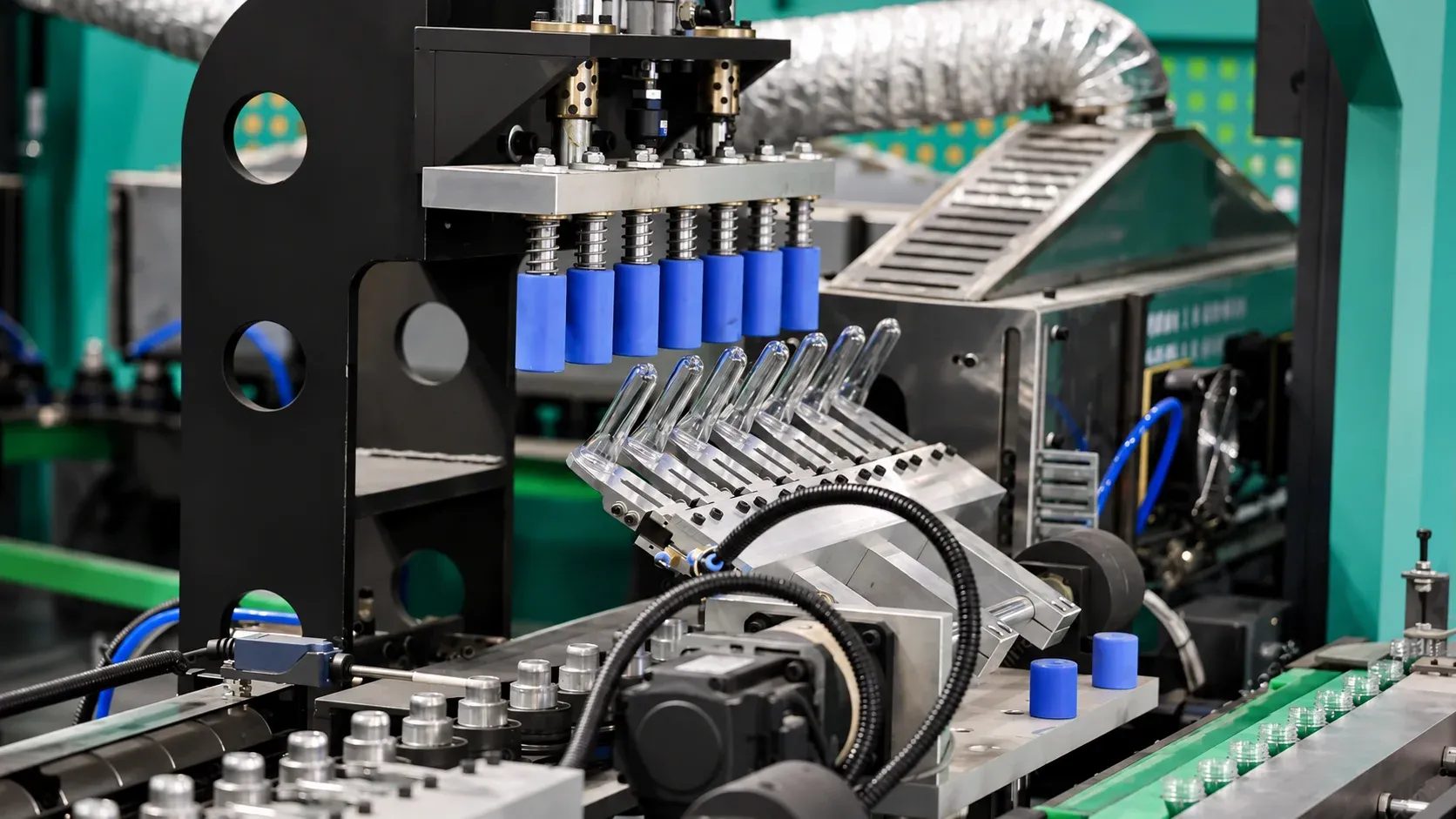
PET stretch blow molding machines use small plastic pieces known as preforms and form them into bottles. The process involved is known as stretch blow molding and occurs very quickly within a few seconds each time.
The preforms are heated to a point where the PET resin becomes pliable and is then put into a mold which resembles the end product that will be produced. Stretching rods press downward as compressed air enters from inside to expand the plastic into the shape of a bottle.
Wall thickness has to stay consistent, or the bottle fails under pressure once filled. Get the heating profile wrong and you’ll see hazy patches or weak spots near the base precision dressed up as a simple mechanical process.
PET Blow Molding Machine: Types, Features & Working Process
Buyers generally choose between two categories: semi automatic and fully automatic systems. Both use the same stretch blow molding physics, but they differ enormously in labor, throughput, and you guessed it price.
A semi automatic PET bottle making machine needs an operator to load preforms and often to remove finished bottles by hand. It’s slower, but cheaper to acquire and simpler to maintain a sensible entry point for smaller operations testing a new product line.
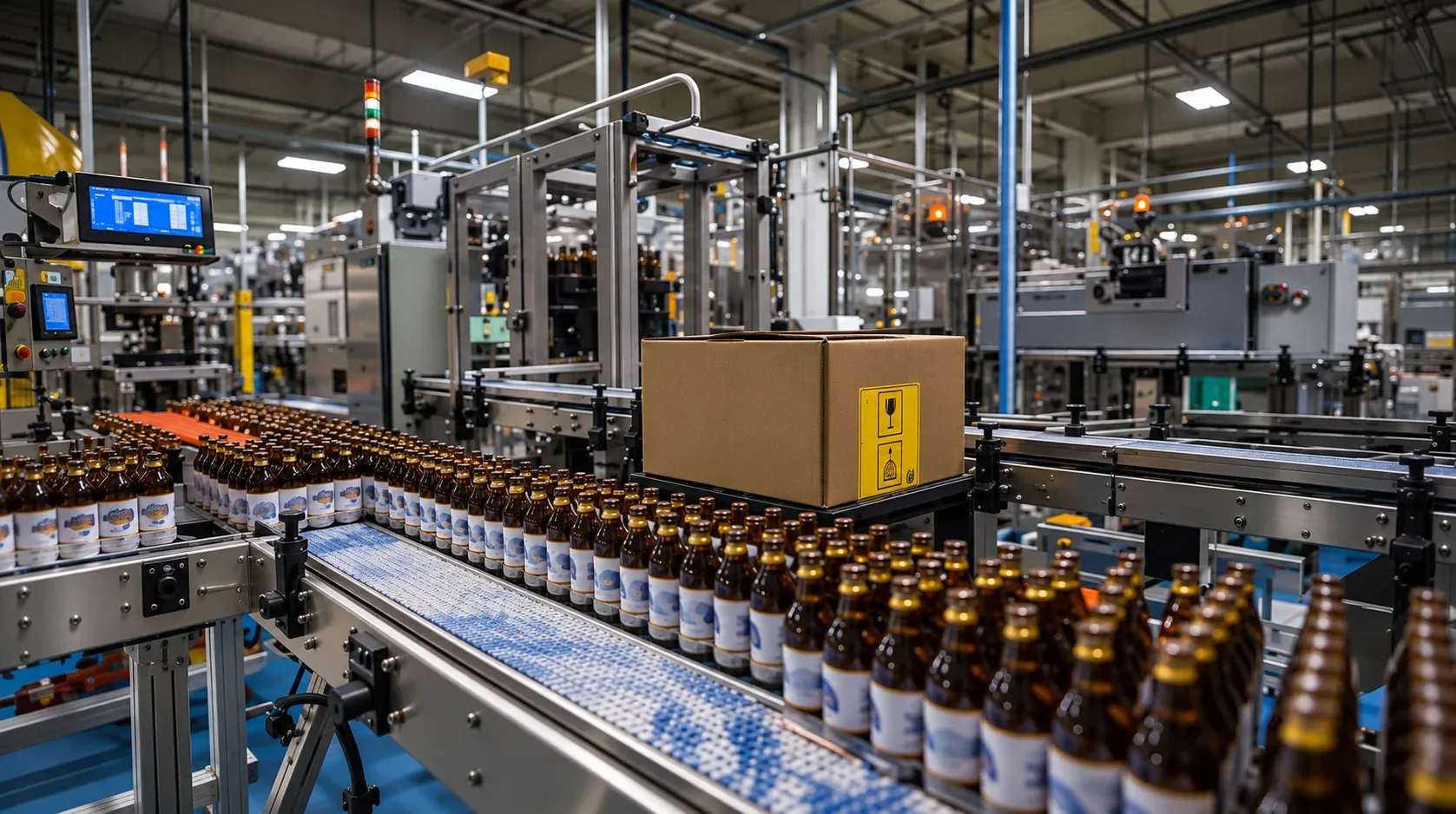
A fully automatic PET blow molding machine handles preform loading, heating, molding, and discharge without a person touching any part of the cycle. Many configurations link directly into a broader PET bottle production line, feeding bottles straight into filling and capping stations. That integration is where real labour savings show up, even though the upfront number is bigger.
Within each category you’ll also see variation in cavity count how many bottles the machine produces per cycle. A single cavity unit might suit a boutique beverage brand; a high volume bottler will want four, six, or more cavities running at once.
PET Blow Molding Machine Cost: Key Factors Affecting Price
Ask any plant consultant what drives the PET blow molding machine price and you’ll hear the same four answers.
Cavitation count. More cavities mean more bottles per cycle, but also a heavier machine frame, a more complex mold, and higher capacity air compression to serve every station at once. Doubling your cavities rarely doubles the price exactly, but it gets close.
Output speed. Machines with higher bottles per hour ratings employ higher speed heating tunnels, fast responding servo controls, and stronger parts that will stand up to the increased usage without breaking down prematurely. Time is costly, but so is its cumulative effect.
Automation level. This is the semi automatic versus fully automatic split covered above, and it’s usually the single biggest swing factor in any quote.
Auxiliary PET blow molding equipment. The base machine is only part of the investment. Air compressors, chillers, preform loaders, and conveyor systems all add to the final number, and skipping them at purchase time often means expensive retrofitting later.
Energy consumption isn’t a line item on the quote, but it belongs in your cost math anyway. A machine with efficient heating can shave a meaningful percentage off your electricity bill over a decade, which matters more than most buyers initially assume when comparing PET blow molding machine price tags side by side.
Comparative Analysis: Semi Automatic vs. Fully Automatic Systems
| Parameter | Semi Automatic System | Fully Automatic System |
|---|---|---|
| Output Capacity (Bottles/Hour) | 600–1,500 | 2,000–12,000+ |
| Labor Requirements | 1–2 operators per shift | Minimal, mostly monitoring and quality checks |
| Initial Investment Cost | Lower (entry-level budgets) | Higher (mid to large capital budgets) |
| Energy Efficiency | Moderate; more idle time between cycles | High; optimized continuous cycle heating |
Neither option is universally “better.” The right choice depends on your projected volume, your labor market, and how much runway you have before you need to scale.
Key Benefits of Using a PET Blow Molding Machine
Bringing bottle production in house changes the economics of your entire operation, not just the packaging line.
First, you cut out a middleman. Instead of paying a third party supplier per bottle, you’re producing at close to raw material cost once the machine is paid off. Over thousands of units, that difference adds up fast.
Second, you gain control over quality. When a PET bottle production line sits under your own roof, you can catch a wall thickness issue before it ships, rather than after a customer complaint.
Third, you reduce shipping overhead. Preforms are compact to transport in bulk; finished bottles are mostly air and take up far more truck space. Molding on site with your own PET bottle manufacturing machine instead of shipping in pre blown containers is one of the more underrated cost levers in beverage manufacturing.
Finally, owning your own PET bottle making machine gives you scheduling freedom. You’re not waiting on a supplier’s queue when demand spikes.
How to Choose the Right PET Blow Molding Machine for Beverage Production
Start with your actual volume, not your hoped for volume. It’s tempting to buy for the business you want in three years, but an oversized fully automatic PET blow molding machine sitting half idle is a worse outcome than outgrowing a smaller one and upgrading later.
Next, check your footprint. Systems integrated into a larger PET bottle manufacturing machine setup need more floor space and often a dedicated utility supply for compressed air and cooling.
Compatibility matters too. If you already run filling or capping equipment, make sure your new PET bottle making machine feeds directly into that line without awkward manual handoffs.
Finally, weigh service and support. A machine is only as good as the technician who can fix it at 2 a.m. Ask any vendor about spare parts lead time and local field service before you sign anything.
Why Choose SEPPA Solutions for Beverage Production?
SEPPA Solutions builds and supplies PET blow molding equipment engineered for the realities of beverage manufacturing, not just lab perfect conditions. Our machines handle the humidity, dust, and continuous shift demands of real production floors, from carbonated soft drinks to juice and water lines.
What sets SEPPA apart isn’t just the hardware. We work with clients through the full plant lifecycle sizing the right PET blow molding machine for current and projected volume, integrating it into an existing PET bottle production line, and backing it with responsive maintenance once it’s running.
If you’re comparing quotes and the numbers start to blur together, that’s usually a sign you need someone who can walk through the trade offs with you which is what our team does for every prospective buyer of our PET blow molding equipment.
Final Thoughts: Choosing the Right PET Blow Molding Machine
Buying a PET blow molding machine is one of those decisions that looks purely technical from the outside but is really a financial one. Cavitation, speed, and automation level all affect the PET blow molding machine price, but they also affect your long term cost per bottle the number that actually matters five years from now.
Avoid settling for just a low quotation. Think about the big picture energy use, labor needs, compatibility with your existing PET bottle manufacturing process, and the back up assistance you will receive when anything goes wrong. Strike the right balance, and the machine will be profitable long before the warranty expires.
Frequently Asked Questions About PET Blow Molding Machines
1. What is the average lifespan of a PET blow molding machine?
With regular maintenance, most industrial units run reliably for 10 to 15 years. Mold sets typically need replacement sooner, depending on how many cycles they’ve run.
2. How do I calculate ROI on this equipment?
Compare your current outsourcing cost against your projected in house cost, including energy, labor, and maintenance, then divide the total investment by monthly savings. Most mid volume operations see payback within two to four years.
3. How much energy does a typical machine consume?
It varies by cavity count and speed, but heating is almost always the biggest draw. Newer machines with infrared zones and better insulation cut that consumption noticeably.
4. What maintenance does a PET bottle production line need?
Routine tasks include mold cleaning, air filter checks, and heater inspection. Most manufacturers recommend a full preventive pass every few months.
5. How do I scale up output safely?
Add capacity incrementally rather than jumping to your ceiling. Adding cavities or a second shift on existing equipment is usually cheaper than buying a second full line.