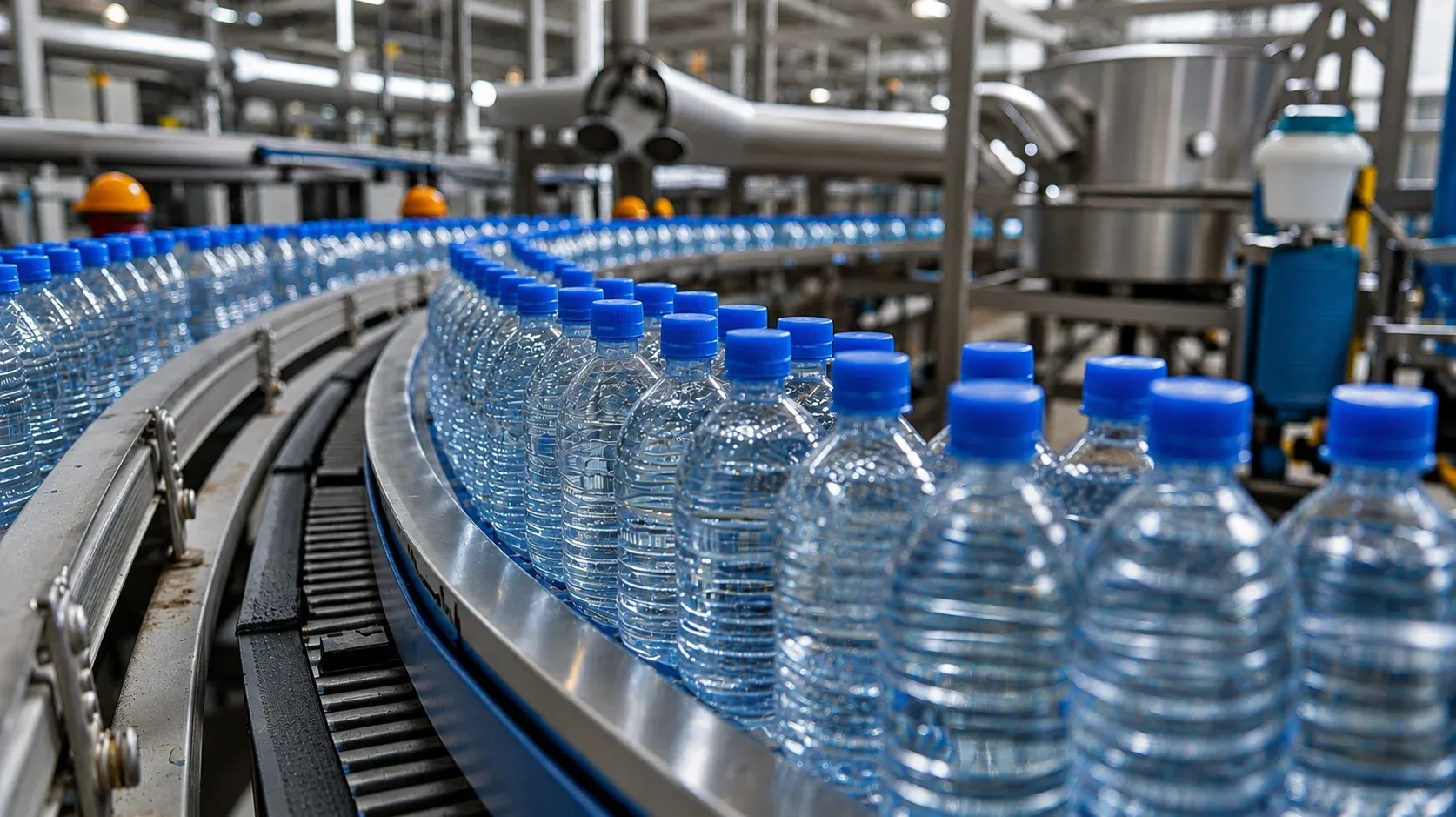
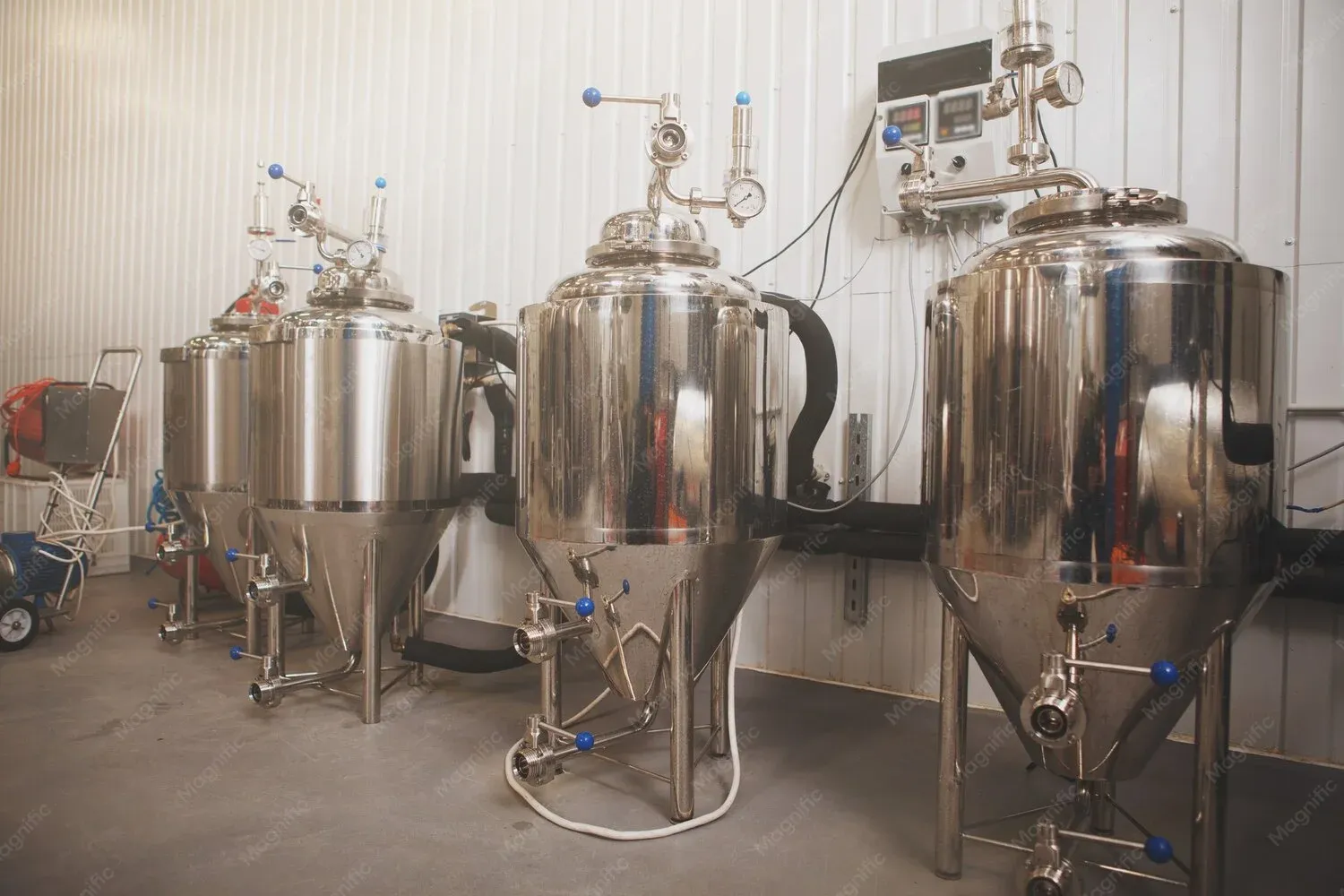
If you've ever priced out a beverage factory setup by calling five different equipment manufacturers and stitching their quotes together, you already know the headache. One vendor promises a filler in fourteen weeks. Another can't confirm a blower delivery date until you sign. A third goes quiet for two weeks and then asks if you've "finalized your utility drawings yet." Meanwhile your investors want a launch date.
This is the fork in the road every serious beverage plant investment eventually reaches: do you build your beverage manufacturing plant the traditional way, sourcing machines piece by piece, or do you hand the whole project to one engineering partner and let them own the outcome? Both paths can work. They just don't cost the same, move at the same speed, or carry the same risk. Let's walk through what actually separates them.
Key Factors to Consider Before Starting a Beverage Factory Setup
Before you even touch a single purchase order, there are four things that must be clarified first: the product mix, the desired output, the site conditions, and the capital ceiling. The design of a beverage plant that will make one SKU of sparkling water is completely different from one making various flavours of RTD products.
Start with throughput. What does "success" look like in bottles per hour, and does that number hold up during your busiest season? Next, look at your building. Ceiling height, floor loading, drainage, and utility capacity (power, compressed air, water treatment, steam) all shape which machines even fit. A beverage manufacturing plant designed around the wrong utility assumptions ends up with expensive retrofits before it produces a single bottle.
Turnkey vs Traditional Beverage Factory Setup: How Do They Differ?
The traditional route means you, or a hired consultant, source each machine separately: blow molder from one supplier, filler from another, labeller and packer from two more, chillers and utilities from whoever's cheapest that quarter. You own every interface between them. If the filler and capper don't talk to each other cleanly, that's your problem to solve, usually on site, usually under deadline pressure.
A turnkey beverage plant setup flips this. A single beverage processing equipment manufacturer designs, builds, and integrates the entire beverage production line, from bottle forming through filling, capping, labelling, and palletizing, then delivers it as one coordinated system with one point of accountability. You're not managing six contracts. You're managing one relationship.
The trade off is control versus simplicity. Traditional sourcing lets you pick a "best in class" machine for every single step, which can matter if you have very specific technical requirements. Turnkey sourcing trades some of that granular choice for a beverage factory setup that's engineered to work together from day one, with a shared electrical architecture, shared HMI logic, and a shipping and installation plan built around the whole line rather than six separate ones.
Beverage Factory Setup Cost: Turnkey vs. Traditional Investment
Here's where the math gets interesting, and where a lot of first time investors get surprised. On paper, traditional multi vendor sourcing often looks cheaper. You're comparing individual line-item quotes, and individual machines from niche suppliers can undercut a bundled turnkey beverage plant setup by five to ten percent on equipment cost alone.
But that comparison ignores what happens after the purchase order is signed. Multiple freight shipments from multiple countries mean multiple customs clearances, multiple insurance policies, and multiple chances for a delayed container to stall your entire beverage production line. Every vendor you add is another project manager's salary, another travel budget for commissioning engineers, another warranty negotiation when something breaks in month four.
Comparative Analysis: Traditional Multi Vendor vs. Single Source Turnkey
| Parameter | Traditional Multi Vendor Setup | Single Source Turnkey Beverage Plant Setup |
|---|---|---|
| Vendor Coordination & Communication Risk | High; you manage every vendor relationship, contract, and delay individually | Low; one point of contact owns the entire beverage production line |
| Project Timeline & Time to Market | Slower sequential procurement, staggered shipping, compounding delays | Faster parallel engineering and coordinated logistics compress the schedule |
| Line Integration & Compatibility | Uncertain; machines from different manufacturers may need custom retrofitting | Built in; equipment is engineered together from the same beverage factory setup blueprint |
| Initial Management Overhead | Heavy internal or third party project management required across vendors | Light; the turnkey partner manages engineering, fabrication, and commissioning |
Setup Time, Installation & Commissioning: Which Approach Is Faster?
Time to market is where turnkey execution usually wins outright. When one beverage processing equipment manufacturer designs the entire beverage production line, engineering for each machine happens in parallel rather than in a chain of dependent handoffs. The filler design doesn't wait on the capper vendor to finish theirs first, because they're the same team working from the same layout.
Traditional setups, by contrast, often only discover incompatibilities once every machine has arrived on site. That's the worst possible moment. You've already paid freight, your building lease clock is running, and now you're waiting on two vendors to agree on whose PLC talks to whose sensor. A well run turnkey beverage plant setup typically shaves eight to twelve weeks off total installation and commissioning time compared to piecemeal sourcing, simply by removing that finger pointing phase entirely.
Efficiency & Automation: Which Beverage Factory Setup Delivers Better Performance?
Once the line is running, efficiency becomes the real scoreboard. A beverage production line built from mismatched machines often runs at a pace dictated by its slowest, least compatible link. If your filler and labeller weren't designed to share the same control architecture, you'll see it in your line's overall equipment effectiveness, usually as unplanned micro stops that never show up clearly on a single machine's diagnostics.
Another important aspect here is automation depth. In the modern beverage manufacturing facility, the control system shall allow monitoring several stations via one HMI, detect the deviation in fill level before it results in forty defective bottles, and collect the data that can help reveal the trend and not only document the event. Piecemeal automation, cobbled together from six different control systems, rarely gets you there without significant custom integration work.
Beverage Factory ROI: Comparing Long Term Costs and Returns
This is the question that actually decides which approach makes sense for your beverage plant investment: which option pays for itself faster? Lower upfront equipment cost means nothing if integration errors, unplanned downtime, and slower time to market erase the savings within the first year of operation.
A turnkey beverage plant setup tends to produce a faster payback period for three concrete reasons. First, faster commissioning means revenue starts sooner. Second, tighter integration means less waste, fewer rejected bottles, and less product lost to line stoppages. Third, working with one experienced beverage processing equipment manufacturer for spare parts and support means less production downtime over the equipment's working life, since there's no ambiguity about which vendor is responsible for a given fault.
Why Choose SEPPES Solution for Your Beverage Production Plant?
SEPPES Solution offers a full turnkey service in the form of an engineering company that designs and implements beverage plant installations from the blow molding of bottles through filling, capping, labelling, and palletizing. We do not send you to look up information in a catalogue and decide what will work together; we custom engineer every beverage plant installation for you based on your unique requirements.
What sets a turnkey beverage plant setup from SEPPES Solution apart is transparency. You get one detailed proposal, one project timeline, and one team accountable for commissioning, not six invoices and six warranty clauses to track. Pricing is broken down clearly so you can see exactly what your beverage plant investment covers, with no surprise integration charges once equipment lands on site.
Frequently Asked Questions About Beverage Factory Setup
1. How long does a typical turnkey beverage plant setup take, from contract to production?
Most turnkey projects run six to twelve months depending on line complexity and site readiness, roughly eight to twelve weeks faster than comparable traditional multi vendor beverage factory setup projects, because engineering, fabrication, and factory testing run in parallel rather than in sequence.
2. Does a single source contract really protect my capital better than buying machines separately?
Yes, in most cases. A single source turnkey beverage plant setup consolidates warranty terms, freight, and installation liability under one contract, which reduces the financial exposure that comes from chasing multiple vendors when something goes wrong after your beverage plant investment is already committed.
3. How are utility requirements handled differently in a turnkey beverage manufacturing plant?
The turnkey company considers the requirements of power, water, compressed air, and drainage throughout the entire beverage manufacturing process before any assembly is done, instead of leaving you to sort out any discrepancies between the specifications of six different machine manual guides.
4. Can a turnkey beverage factory setup still scale to new flavours or package sizes later?
Absolutely. An effective beverages line is usually created in such a way that it allows for changes to be made from its very inception; hence, adding new SKUs does not require redesigning the entire production line. This is an important benefit compared to conventional designs.
5. What does post launch maintenance look like for a turnkey beverage manufacturing plant?
Responsible suppliers provide services of scheduled preventive maintenance, remote diagnostics and a single source of spare parts for the entire beverage manufacturing system rather than making you handle multiple maintenance contracts and inventory management for every single machine individually.