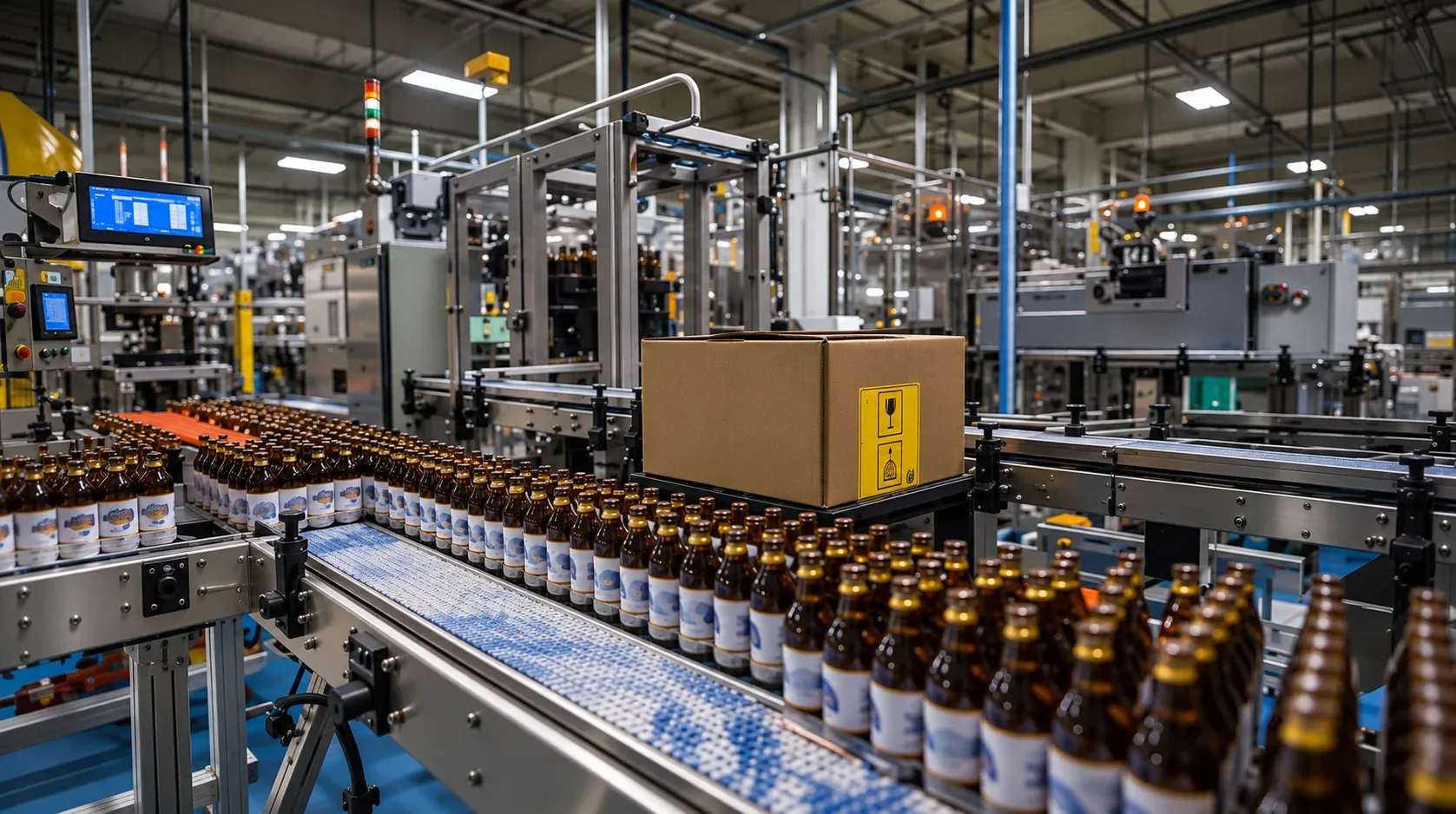
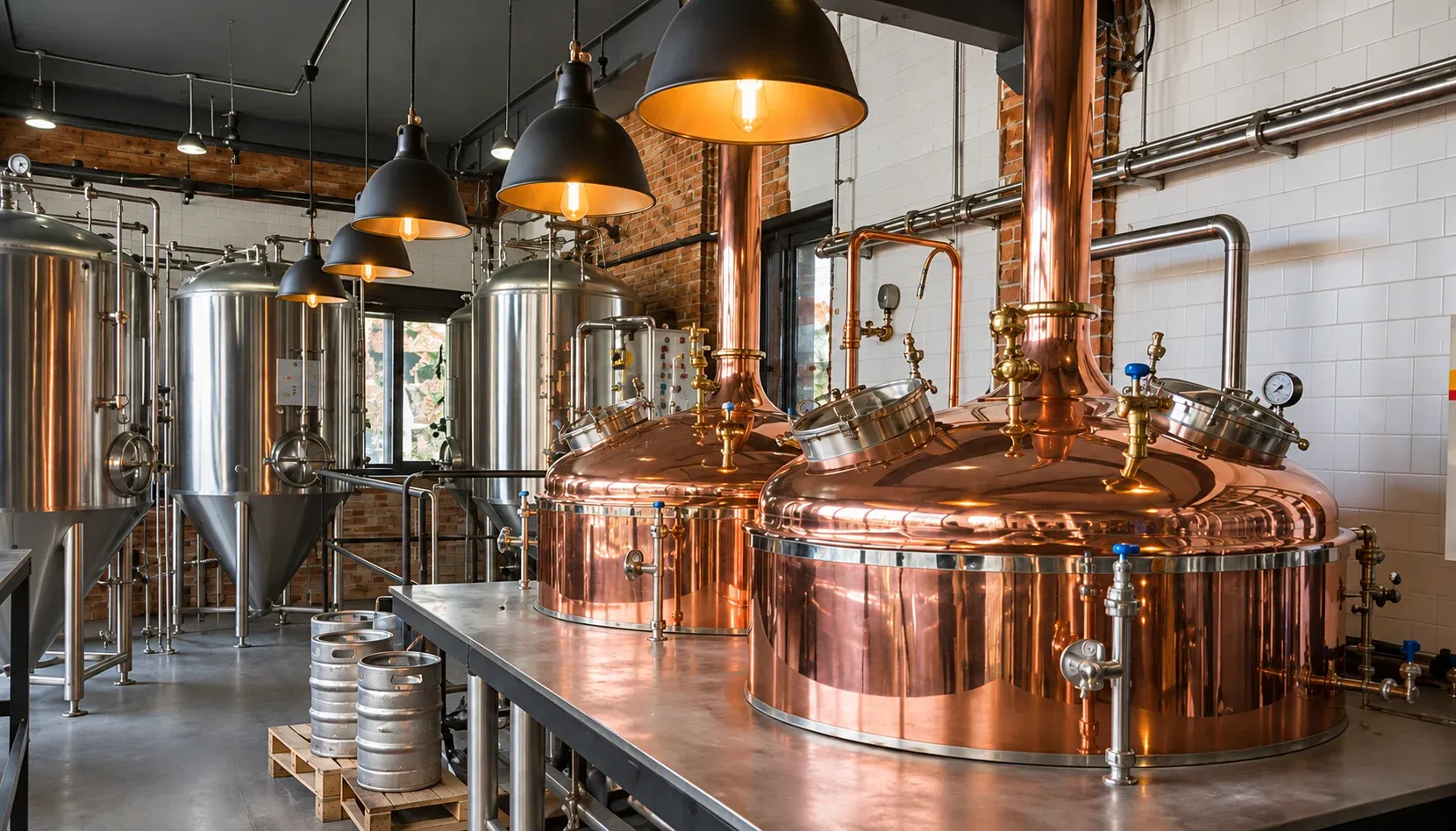
Ask any head brewer what keeps them up at night and you'll rarely hear "recipe development." It's the compressor that groans too loud, the valve that's been sticking since March, the seal nobody's replaced because the line "still works fine." None of it fails on a convenient Tuesday with a spare part on the shelf. It fails mid batch, on a Friday, right before a big order ships.
That's the honest starting point here. This isn't about chasing operational excellence for its own sake it's about protecting the batches you've already invested time and grain into, and keeping the gear standing in five years instead of three.
Brewing Equipment Maintenance: Why Regular Maintenance Matters
Here's the uncomfortable truth: most breweries only think seriously about maintenance after something breaks. By then, you're paying for the dumped batch, the delayed delivery, and the overtime spent scrambling back online.
A solid brewery maintenance schedule flips that equation. Instead of reacting to failures, you're catching the small stuff a loose fitting, an early gasket crack, a heat exchanger running hotter than it should before it becomes a shutdown. That's not glamorous, but it's the difference between a two hour inspection and a two day emergency repair. Planned brewery maintenance is simply cheaper than panicked maintenance.
Then there is the question of quality, which should get much more emphasis than it does. A seal that is past its prime or a valve that hasn’t been properly cleaned can cost you more than downtime. Contamination from a dirty line can ruin an entire batch, and there’s no way to market a tainted product.
Common Brewing Equipment Problems That Lead to Production Downtime
Most unplanned stoppages trace back to a short list of repeat offenders. Fouled heat exchangers are near the top mineral scale and protein buildup choke thermal transfer, so wort takes longer to heat or cool, and energy costs climb quietly until someone notices the bill.
Worn pump seals are another classic. They leak slowly at first, easy to ignore, right up until the seal fails mid transfer and you're mopping wort off the floor. Valves aren't much better behaved. Build-up of deposits inside the crevices of diaphragm and butterfly valves in rugged brewery equipment is inevitable, and when the CIP cycle validation is not carried out, it becomes a haven for bacteria, which explains why brewery equipment is the last thing anyone would want to examine in the plant but must do.
There is also wear no one likes to talk about: dried motor bearings, sensors becoming uncalibrated, and gasket seals becoming hardened. None of these are dramatic alone. Together, they're why so much commercial brewery equipment ends up failing in clusters rather than one clean breakdown at a time. Regular brewery maintenance is what breaks that pattern.
Brewing Equipment Maintenance Checklist for Efficient Brewery Operations
You don't need a 40 page manual to run a tight ship just consistency. Good brewery maintenance is mostly about habits, and here's a breakdown most facilities can adapt without much fuss.
Daily: visual inspections of gauges and pressure readings, plus CIP cycle confirmations. Operators should check for leaks, noises, or vibration on pumps and motors before the first brew.
Weekly: gasket inspections on tri clamp connections, valve actuation tests, and a look at strainer baskets for early clogging. Log any drift a chiller taking longer to hit setpoint is worth flagging early.
Monthly: full lubrication of moving parts, sensor calibration checks, and a thorough inspection of heat exchanger plates for scaling. A written log even a spreadsheet makes patterns visible you'd otherwise miss.
Comparative Analysis: Reactive vs. Proactive Maintenance
The numbers rarely lie here. Facilities that stick with a run to failure approach almost always pay more in the long run, even if the upfront costs look lower.
| Parameter | Reactive Maintenance (Run to Failure) | Proactive Preventive Maintenance |
|---|---|---|
| Unplanned Downtime Frequency | High; failures occur without warning, often mid batch | Low; issues are caught and scheduled before failure |
| Long Term Repair & Replacement Costs | Higher emergency repairs and rush parts cost more | Lower planned repairs and bulk parts ordering |
| Batch Quality & Contamination Risk | Elevated worn seals and valves increase contamination odds | Reduced regular CIP validation and gasket checks |
| Overall Equipment Effectiveness (OEE) | Lower; frequent stoppages drag down availability | Higher; consistent uptime supports steady output |
How Preventive Maintenance Reduces Brewing Equipment Downtime and Production Losses
A well structured brewery maintenance schedule doesn't eliminate every problem nothing does but it changes the timing. Instead of a valve failing during a Saturday run, it gets flagged Tuesday and swapped before your next scheduled brew.
That shift matters more than people expect. Preventive maintenance catches cheap fixes before they turn expensive. A $40 gasket caught early beats a $4,000 tank cleanout after contamination. A bearing greased on schedule beats a motor replacement after it seizes mid shift.
There's a financial ripple effect too. Fewer emergency repairs mean less overtime, fewer rush shipped parts at premium prices, and fewer wasted batches from equipment that would otherwise fail without warning. Over a year, that adds up to real margin protection, not just fewer headaches for your maintenance crew.
How to Improve the Performance and Lifespan of Brewing Equipment
Operator training is where this starts. The people running the equipment daily are usually first to notice something's off a different sound, a drifting temperature but only if they've been trained to report it instead of shrugging it off.
Lubrication management deserves more discipline than most facilities give it. Wrong grease, or skipped applications, accelerates wear on bearings and seals faster than most realize. Pair that with rigorous CIP validation actually testing that cycles remove residue, not just assuming they do and you close two of the biggest gaps in most maintenance programs.
Material selection matters too. Working with experienced brewery equipment manufacturers who understand sanitary design pays off over the equipment's service life. Stainless steel grade, weld quality, and gasket material all affect how long the system holds up under repeated CIP cycles one more reason picking the right brewery equipment manufacturers upfront saves headaches later.
Why Choose Seppa Solutions for Brewing Equipment and Beverage Production?
Seppa Solutions builds brewing equipment and beverage processing systems with sanitary fabrication and weld quality built for real production, not just spec sheets. From pot stills and column stills to blending tanks and cold stabilization systems, every component is engineered with maintenance access and CIP performance in mind.
What sets Seppa Solutions apart is the support after installation. Reliable access to replacement parts, responsive engineering guidance, and practical advice on building your own brewery maintenance schedule mean you're not figuring things out alone. For plant managers who need commercial brewery equipment they can count on, that partnership is worth as much as the equipment itself.
Frequently Asked Questions
1. How often should CIP cycles be performed?
CIP cycles should run after every batch transfer and tank use, with a more thorough validation cycle weekly. Skipping or rushing CIP is one of the fastest ways to introduce contamination risk into an otherwise well maintained line.
2. What are the signs a pump or valve needs immediate replacement?
Watch for visible leaking, unusual vibration, inconsistent flow rates, or a valve that doesn't fully seat. Any of these on brewery machinery should trigger an inspection before the next production run, not after.
3. What's the real financial impact of predictive maintenance?
Predictive facilities usually have fewer repairs, lower labour overtime expenses, and fewer discarded batches. These savings add up since the only time the facility will experience downtime is when it is planned.
4. How do I build a custom maintenance log?
Start simple a spreadsheet tracking daily checks, weekly inspections, and monthly tasks, organized by equipment ID. Within months, patterns emerge that show where your commercial brewery equipment needs attention.
5. When should I call in external engineering support?
Seek external assistance for structural welding, control system problems, or machinery approaching the end of its lifecycle. Equipment manufacturers specializing in breweries have the expertise to identify such problems faster than an internal staff without the special tools.